
So Others Might Eat: Help With Food and Basic Needs in DC
Learn how So Others Might Eat supports low-income DC residents with meals, groceries, and related social services.
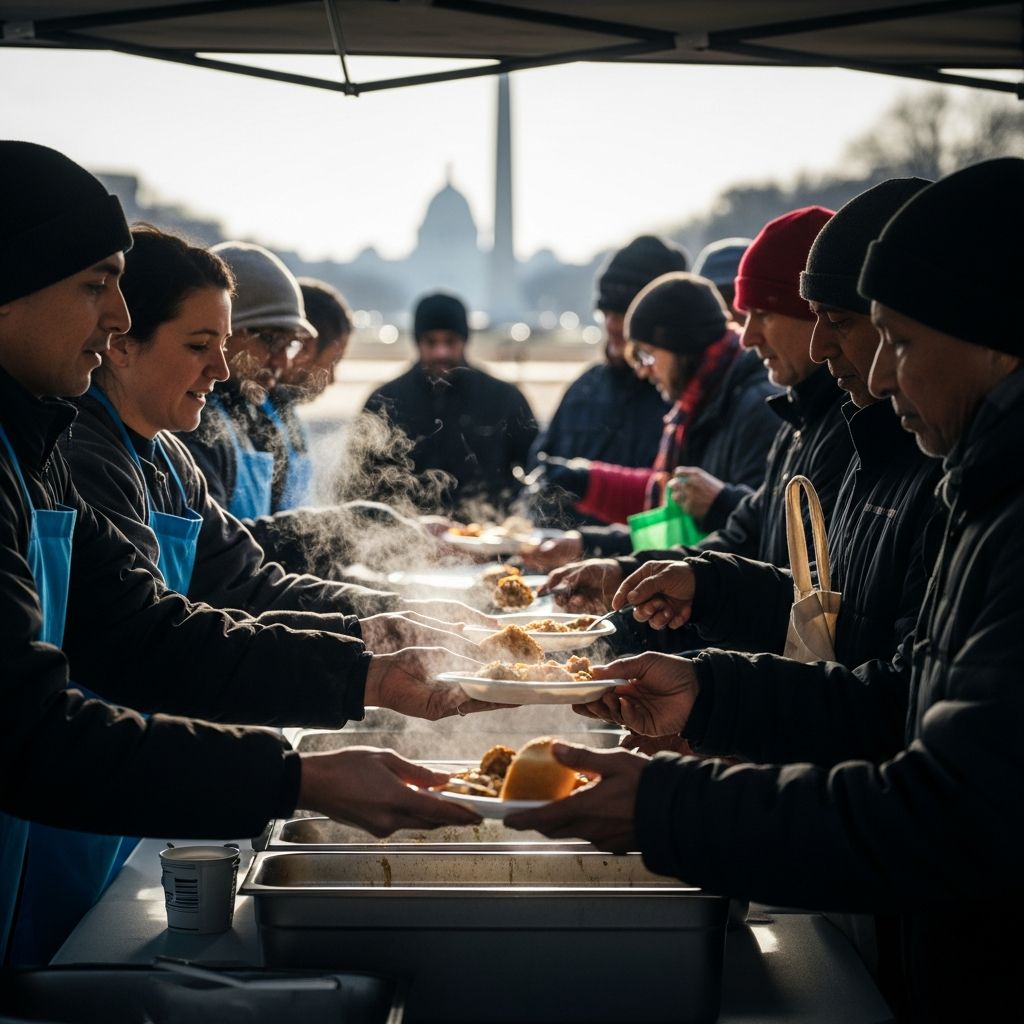
So Others Might Eat (often called SOME) is a longstanding nonprofit organization in Washington, DC that focuses on hunger relief and related services for people with low incomes, people without stable housing, and others who are struggling to meet basic needs. SOME offers daily meals, limited groceries, and referrals to other programs that can help stabilize income, housing, and health.
This guide explains, in clear language, what SOME typically provides, who can use these services, how visits work in practice, and how SOME fits into the larger network of food and benefits programs in the District of Columbia.
1. What So Others Might Eat Does
SOME is best known for its free, community-style meals, but the organization’s mission covers much more than food. It strives to support the whole person by connecting people to housing, health care, employment, and other social services. SOME is part of a broader system of food assistance and safety-net programs that help residents withstand economic hardship and reduce food insecurity.
1.1 Core Services Related to Food
Although specific details can change over time, SOME generally provides:
- Hot prepared meals served at a central dining room.
- Emergency groceries through a limited food pantry, often once per week per adult.
- Connection to other food programs such as food banks and meal sites across DC.
These services are designed as an emergency support, not a full replacement for regular shopping or long-term nutrition assistance. Public benefits like the Supplemental Nutrition Assistance Program (SNAP) are the main ongoing food benefit, and SOME can help visitors learn about and apply for them.
1.2 Additional Support Beyond Food
SOME and similar organizations often provide or coordinate related services that help people address the reasons they have trouble getting enough food. These can include:
- Information about SNAP and other food benefits.
- Referrals to health clinics, mental health care, or substance use treatment.
- Help obtaining or replacing identification documents.
- Connections to job training, education, and employment resources.
- Assistance linking to housing programs and emergency shelters.
By connecting food aid with other resources, SOME helps people move from immediate crisis toward longer-term stability.
2. Who Can Get Help From SOME
SOME is generally open to adults in need—especially people experiencing homelessness, extreme poverty, or unstable housing. Unlike some government programs, SOME’s meal program typically does not require proof of income or housing status. That makes it easier for people in crisis to get at least one or two meals a day without navigating complex paperwork.
2.1 Typical Eligibility for Meals
- Open to all adults who are hungry and in need.
- No proof of income usually required.
- No insurance or immigration status questions for meals.
2.2 Eligibility for Pantry Groceries
SOME’s pantry services may have more structure than the open meal program, since groceries are limited and must be shared fairly among many households. Based on typical practice among DC food pantries, requirements may include:
- Adults only may receive pantry food directly, though they can pick up for their household.
- Frequency limits such as once per week or once per month per adult.
- Basic registration to record name and household size.
3. How SOME’s Meal and Pantry Programs Usually Operate
Schedules can change, but SOME is typically open daily for community meals and on specific days for pantry groceries. Visitors should verify current hours before arriving.
3.1 Daily Hot Meals
- Set serving hours for breakfast and lunch.
- First-come, first-served seating in a dining room.
- Orderly lines managed by staff and volunteers.
3.2 What to Expect When You Arrive
- Arrive near the start of serving time.
- Join the line and follow staff directions.
- Receive a tray or packaged meal.
- Eat on-site or take a meal to go (if allowed).
3.3 Pantry Food Pick-Up
- Check in with staff or volunteers.
- Provide name and basic household information.
- Receive a pre-packed bag or select items by category.
4. SOME’s Place in DC’s Food Assistance Network
4.1 Public Benefits: SNAP and Nutrition Programs
- SNAP — Monthly funds on an EBT card.
- WIC — Benefits for women, infants, and children under five.
- School meals — Free or reduced-price meals for eligible students.
4.2 Other Food Pantries and Meal Sites
- Capital Area Food Bank
- Bread for the City
- Neighborhood pantries and mutual aid groups
| Program Type | Main Purpose | Example in DC |
|---|---|---|
| Community meals | Serve prepared meals | So Others Might Eat (SOME) |
| Food pantry | Provide groceries | Bread for the City pantry |
| Food bank | Supply food to pantries | Capital Area Food Bank |
| Public benefits | Monthly food benefits | SNAP through DC DHS |
5. Preparing for a Visit to SOME
5.1 What to Bring
- Photo ID (if available)
- Proof of DC address (if available)
- Basic household information
5.2 How Often You Can Come
Meals are typically available daily; pantry visits are limited (e.g., once per week or month).
6. Rights, Respect, and Safety
6.1 Respectful Treatment
- No discrimination based on any protected status.
- Courteous service by staff and volunteers.
- Clear information about requirements and limits.
6.2 Safety and Behavior Rules
- No threats, harassment, or violence.
- No weapons or illegal drugs.
- Follow staff directions.
7. Connecting to Other Supports
7.1 Applying for SNAP or Other Benefits
- Explain eligibility rules.
- Help gather documents.
- Provide access to computers/phones.
7.2 Legal and Advocacy Support
- Appeal benefit denials.
- Resolve ID or Social Security issues.
- Address housing disputes.
8. Frequently Asked Questions (FAQs)
Q1: Do I have to live in DC to eat at SOME?
Meals are open to anyone hungry and in need; some pantry services may ask for a DC address.
Q2: Can I get groceries to take home?
Yes—SOME offers an emergency pantry, typically once per week per adult.
Q3: Will going to SOME affect my SNAP benefits?
No—nonprofit food aid is not counted as income for SNAP purposes.
Q4: Do I need identification?
ID is not required for meals; it’s helpful for pantry services and benefit applications.
Q5: What if SOME is closed?
Find other DC meal sites and pantries via DC Hunger Solutions, DC Food Project, or the Capital Area Food Bank.
References
- Food Assistance — Government of the District of Columbia (dc.gov/page/food-assistance)
- SNAP — DC Department of Human Services (dhs.dc.gov/service/snap)
- Emergency Food Access — DC Food Project (dcfoodproject.org/emergency-food-access)
- Emergency Food Resources — DC Hunger Solutions (dchunger.org/get-help-resources)
- Find Food Assistance — Capital Area Food Bank (capitalareafoodbank.org/find-food-assistance)
- Food Pantry Services — Bread for the City (breadforthecity.org/food)
- SNAP — USDA Food and Nutrition Service (fns.usda.gov/snap)
Similar Articles








Read full bio of medha deb


