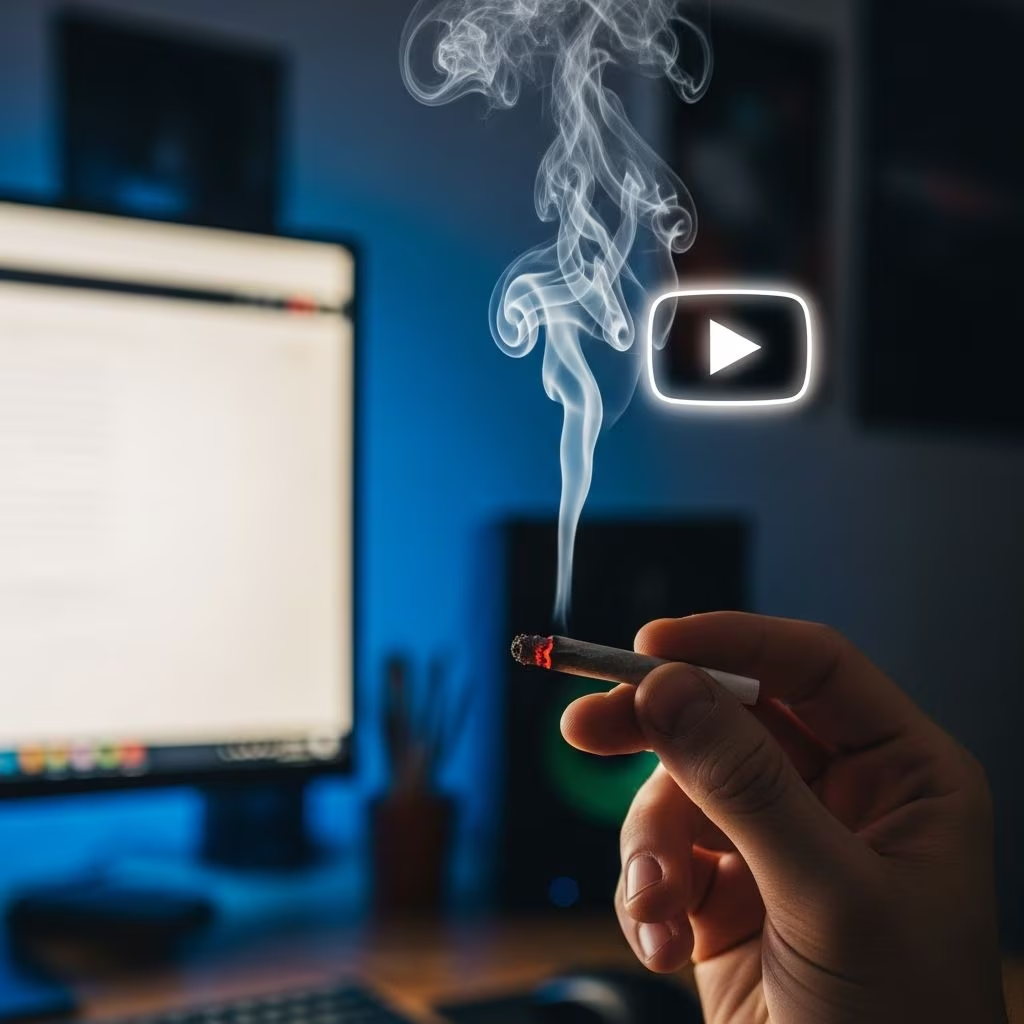
Filming and uploading videos of cannabis consumption, such as lighting up a joint, sits at the intersection of evolving state laws, persistent federal prohibitions, and stringent platform policies. While many U.S. states permit recreational marijuana, federal classification as a Schedule I substance creates nationwide risks, compounded by YouTube’s advertiser-friendly content guidelines that often demonetize drug-related footage.Key takeaway: Such content typically forfeits ad revenue and may face removal, regardless of local legality.
Federal vs. State Cannabis Frameworks in 2026
Cannabis remains illegal under federal law via the Controlled Substances Act, despite rescheduling discussions moving it potentially toward Schedule III. This shift, anticipated in 2026, would ease some tax burdens but not authorize recreational use or interstate commerce. States like California and Colorado allow adults 21+ to possess and consume marijuana, yet federal oversight governs online platforms headquartered outside state borders.
YouTube, owned by Google (based in California but federally compliant), enforces uniform rules. Creators in legal states cannot assume protection when broadcasting nationally. For instance, depicting consumption—even in a gaming context like virtual joint smoking—triggers restrictions under YouTube’s recreational drugs and drug-related content policy.
YouTube’s Evolving Monetization Rules for Drug Content
YouTube’s advertiser-friendly guidelines explicitly address recreational drug use. As of January 2026 updates, content showing drug usage and consumption, including joint smoking, receives no ad revenue. This applies even to dramatized or gaming scenarios, distinguishing it from permissible drug mentions or dealings.
| Content Type | Monetization Status | Examples |
|---|---|---|
| Direct Consumption (e.g., smoking) | No Ads | Joint lighting in vlogs, gaming clips |
| Drug Mentions/Dealing | Full Ads Eligible | Discussions without visuals |
| Educational/Documentary | Limited/Full (Contextual) | Non-graphic policy talks |
April 2024 changes clarified that profanities post-8 seconds might allow revenue, but drug visuals override this. Educational content on cannabis laws can monetize if objective and non-promotional, yet any footage of actual use shifts to limited or no ads.
Potential Legal Consequences for Creators
Beyond platform penalties, federal law exposes creators to prosecution. The DEA views public consumption depictions as evidence of possession/distribution intent, especially if mailed products appear. In 2026, with rescheduling debates, interstate streaming amplifies risks under the Commerce Clause.
- Federal Charges: Possession (up to 1 year jail), distribution if shared.
- State Variations: Legal in 24+ states, but platforms ignore this.
- Civil Risks: Sponsored content could imply endorsement, inviting lawsuits.
Historical cases show YouTube demonetizing cannabis reviews, with channels suspended for repeated violations. Creators must self-certify compliance in YouTube Studio, risking account strikes.
State-Specific Considerations for Cannabis Content
Even in legalization strongholds:
- California: AB 45 (hypothetical 2026) bans public consumption filming.
- New York: Strict advertising rules extend to video endorsements.
- Florida: Medical-only, with recreational pushes stalled.
Interstate viewers complicate matters; a Colorado creator risks federal flags from Texas audiences reporting content.
Monetization Alternatives for Cannabis Enthusiasts
Smart creators pivot to compliant strategies:
- Commentary-Only: Discuss strains, laws without visuals—eligible for ads.
- Animation/Gaming: Avoid real consumption; virtual depictions may pass if non-focused.
- Off-Platform: Twitch/Instagram Reels for live, but similar rules apply.
- Patreon/Merch: Direct fan support bypasses ad reliance.
2026 hemp law tightenings impact CBD videos, potentially classifying full-spectrum products as controlled if exceeding 0.4mg THC thresholds.
2026 Outlook: Rescheduling and Platform Shifts
Predictions include Schedule III movement, unlocking research and taxes under IRC 280E relief. YouTube may align guidelines, but consumption visuals likely remain demonetized to appease advertisers. Hemp fixes aim to preserve CBD markets without THC loopholes.
Creators should monitor DEA announcements and YouTube’s policy page for updates.
Frequently Asked Questions (FAQs)
Can I monetize a video reviewing cannabis products without smoking on camera?
Yes, if non-graphic and educational; focus on facts, not use. Visuals of products alone may qualify for limited ads.
Is animated cannabis smoking allowed on YouTube?
Possibly, if not promoting real use and context is gaming/educational. Direct focus on consumption risks no ads.
What if I’m in a state where weed is legal?
YouTube policies supersede state law; federal compliance drives decisions, leading to demonetization nationwide.
Will 2026 rescheduling change YouTube rules?
Uncertain; tax/business benefits likely, but consumption depictions may stay restricted per advertiser standards.
How to appeal a demonetized cannabis video?
Use YouTube Studio self-certification; request review if content fits educational exceptions. Success varies.
Best Practices for Compliant Cannabis Content Creation
To thrive:
- Disclose affiliations transparently.
- Use disclaimers: “For educational purposes; obey local laws.”
- Edit out consumption footage.
- Target non-drug-focused audiences.
- Diversify revenue: Affiliates, courses on compliance.
In summary, while creative expression is protected, platforms prioritize advertisers. Adapt to sustain your channel amid 2026’s regulatory flux.
References
- Upcoming and recent ad guideline updates – YouTube Help — Google/YouTube. 2026-01-15. https://support.google.com/youtube/answer/9725604?hl=en
- 2026 Cannabis Laws Are About to Shift—Here’s Why — YouTube (Cannabis Lawyer Discussion). 2026-01-01. https://www.youtube.com/watch?v=1AniwxHoi1I
- Cannabis Policy Changes in 2026? — YouTube (Legal.co.th). 2025-12-31. https://www.youtube.com/watch?v=N5SSVR6YeN4
- What’s New in Cannabis Marketing for 2026 — The Hood Collective. 2025-12-20. https://www.hoodcollective.com/post/what-s-new-in-cannabis-marketing-for-2026