Mugshots are more than just booking photos. They can appear in news stories, background checks, court files, and search results for years, shaping how strangers view you long after an arrest. Whether to smile, stay stone-faced, or insist on retaking the picture is a question many people never think about until the camera is already pointed at them.
This article explains what mugshots are, how they are used, and the practical and legal consequences of smiling in one. It draws on criminal procedure, privacy rules, and real-world impacts to help you make an informed choice if you ever find yourself in front of that camera.
What Exactly Is a Mugshot?
A mugshot is an official photograph taken during the booking process after an arrest. Law enforcement typically captures at least two images: one frontal and one profile view. The core purposes are:
- To **identify** the person arrested and link the image to a specific case number and record.
- To **document appearance** at the time of arrest for future comparison—such as changes in tattoos, hair, or scars.
- To **support records and investigations**, including lineups, databases, and wanted bulletins.
Because mugshots are usually treated as government records, many jurisdictions classify them as public records that can be released to the media or posted online, unless restricted by specific law or policy.
Are You Allowed to Smile in a Mugshot?
In most places, there is no law that directly bans smiling in a mugshot. However, law enforcement can control how the picture is taken as part of routine booking procedures.
Key practical points:
- There is **no general criminal offense** for smiling during your photo.
- Officers may **order a neutral expression** to standardize images for identification.
- If you refuse to follow instructions, you could face issues for **failing to comply** with lawful orders during the booking process, even if not specifically “for smiling.”
Ultimately, the officer behind the camera decides whether your expression is acceptable for official records.
Why Neutral Expressions Are Usually Preferred
Police and correctional agencies generally favor a neutral expression in mugshots. The reasons are mostly practical rather than symbolic.
- Consistency across records: Standardized faces help officers, witnesses, and software compare images more accurately in databases and lineups.
- Clear identification: A neutral expression typically reflects how a person looks in everyday settings, simplifying future recognition.
- Serious record-keeping: Agencies often view the booking process as a formal step, not a photo opportunity.
Some departments explicitly instruct staff to request a serious or neutral facial expression to protect the integrity of identification and maintain the appearance of professionalism.
How a Smiling Mugshot Can Affect Public Perception
Even if smiling is allowed, that one decision may have long-term effects that extend beyond the police station.
Media Coverage and Online Exposure
When a case draws public attention, local outlets often use the mugshot as the primary image in their reporting. In many jurisdictions, mugshots are available through public records requests or online databases.
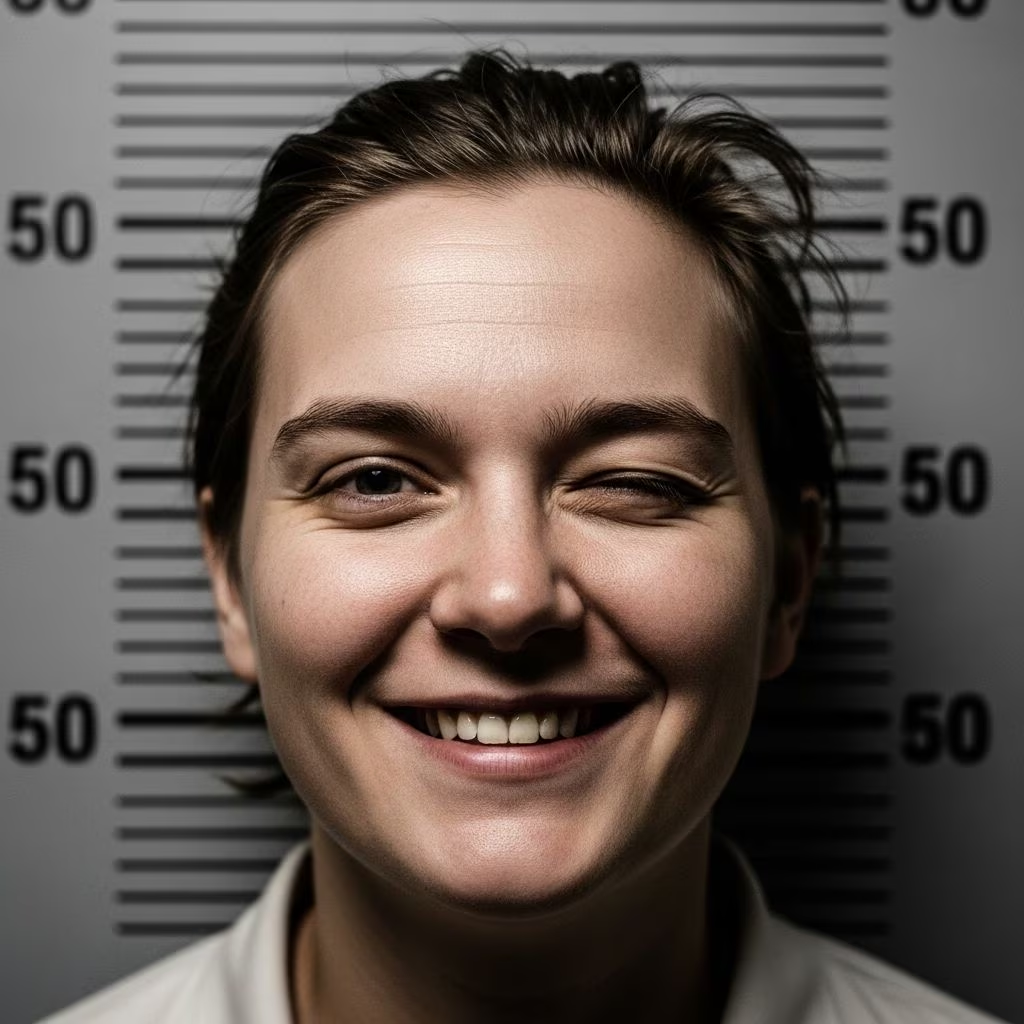
- A **smiling mugshot** can be interpreted as indifference, arrogance, or lack of remorse.
- Online readers may share or mock the image, amplifying reputational damage.
- Even if charges are dropped or dismissed, the image may live on in news archives and search engines.
These perceptions may not match reality—people smile when nervous, shocked, or scared—but the picture will not explain your state of mind.
Impact on Reputation and Community Standing
Friends, employers, neighbors, and community members may see the mugshot without any context about the underlying case. A smiling or playful pose can lead observers to assume that you:
- Do not take the allegations seriously.
- Are proud of the arrest or view it as a joke.
- Lack empathy for any alleged victim.
These impressions can damage social relationships and public trust regardless of the eventual legal outcome.
Legal Strategy: How Your Mugshot Might Be Used
While most legal arguments focus on evidence and law rather than facial expressions, your mugshot may still surface in litigation or negotiations.
| Context | Possible Use of Mugshot | Risk of Smiling Expression |
|---|---|---|
| Pretrial negotiations | Case files shared with prosecutors and investigators | May subtly color impressions about your attitude or remorse |
| Trial | Shown to identify you or to illustrate timeline or condition at arrest | Jurors may infer lack of seriousness or empathy, even unconsciously |
| Sentencing | Occasionally referenced in arguments about remorse or behavior | Could be cited to suggest you were unconcerned about the offense |
Rules of evidence limit unfairly prejudicial material, but courts often allow mugshots for basic identification purposes. Defense attorneys typically prefer images that do not invite emotional backlash from jurors or judges.
Employment, Background Checks, and Your Future
In some jurisdictions, commercial background-check services and mugshot websites scrape arrest records and booking photos from official databases. Even if a case is resolved in your favor, old mugshots can still surface in:
- Online search results for your name
- Informal background checks by small businesses or private individuals
- Online reputation searches by landlords or volunteer organizations
Although many employers rely on formal criminal background checks governed by federal and state law, they may also search the internet informally. A widely shared smiling mugshot can raise questions they never ask you directly.
Some U.S. states have passed laws that limit commercial posting of mugshots or allow people to seek removal under certain conditions, but rules vary widely and often depend on case outcome and local public-records laws.
Psychology: Why People Smile in High-Stress Situations
Smiling during a mugshot does not always mean someone is happy or proud to be arrested. Psychologists note that people sometimes smile in response to intense stress as a coping mechanism or out of emotional overload. Involuntary nervous laughter and forced smiles are common responses to fear and shock.
- Some people **default to smiling** when photographed in any context.
- Others smile when anxious, confused, or trying to maintain composure.
- Still others may mistakenly believe that appearing upbeat could help their situation.
The problem is that viewers of the mugshot rarely know this background. They see only a frozen image and fill in the story themselves.
Practical Tips If You Are About to Be Photographed
If you are in custody and a booking photo is about to be taken, you will not have much time to make decisions. The most important step is to remain calm and follow lawful instructions. Beyond that, consider these practical points:
- Maintain a neutral expression. Keeping your face relaxed and serious avoids projecting disrespect without visibly exaggerating sadness or anger.
- Face the camera directly. Look straight ahead as instructed so the image fulfills its identification purpose with minimal drama.
- Avoid deliberate posing. Gestures, hand signs, exaggerated smiles, or scowls can all be misinterpreted later.
- Do not argue about the photo. Disputes with officers over mugshot style can escalate a stressful situation and potentially lead to additional problems.
- Consult your attorney promptly. After booking, talk with your lawyer about how public records, including your mugshot, might affect your case strategy.
Can You Get a Mugshot Removed or Restricted?
Options for removing or limiting access to mugshots depend heavily on jurisdiction and case outcome.
- Expungement or sealing: If your case is expunged or sealed under state law, some agencies must restrict or destroy related arrest records, which may include mugshots, though implementation can vary.
- Requests to agencies: In some places, law enforcement may voluntarily limit public access to older or minor-case mugshots, especially when charges were dropped.
- Commercial websites: Certain states restrict “mugshot extortion” businesses that charge fees to remove images, and may require them to delete photos when records are sealed or cases end favorably.
Even when laws permit removal, images already copied by media outlets, blogs, and social media may remain online. An attorney familiar with local records and privacy rules can explain what is realistically possible in your state.
Risk–Benefit Snapshot: Is Smiling Ever a Good Idea?
For most people, the downsides of smiling in a mugshot outweigh any benefit. To summarize:
- Legal risk: Minimal on its own, but may subtly affect how decision-makers perceive you.
- Public perception risk: High. A smiling arrest photo is easily misunderstood and widely shared.
- Long-term impact: Potential damage to reputation, employment, and relationships if the image circulates.
- Benefit: Short-term emotional relief at best, with no real legal advantage.
Choosing a calm, neutral expression is usually the safest middle ground between appearing defiant and appearing broken.
Frequently Asked Questions (FAQs)
Q: Is it illegal to smile in a mugshot?
No. Smiling is generally not a crime, and most criminal codes do not address facial expressions in booking photos. However, officers can require a neutral expression as part of department policy, and refusing to comply with lawful instructions may create separate issues during booking.
Q: Can a smiling mugshot be used against me in court?
Courts usually allow mugshots as identification evidence. A smiling expression could indirectly influence how jurors or judges perceive your attitude, especially in cases involving serious harm. While your lawyer can argue that the expression is not proof of guilt, avoiding unnecessary negative impressions is generally wise.
Q: Will my mugshot always be public?
Not always. Some jurisdictions restrict public release of mugshots, and others treat them as public records that can be requested by anyone. Local law, agency policy, and the type of offense all matter. Additionally, some states allow people to have records sealed or expunged in certain circumstances, which can limit future public access.
Q: Can I force a website or news outlet to take down my mugshot?
That depends on jurisdiction, the facts of your case, and the outlet’s policies. News organizations often treat accurate reporting of arrests as protected speech, even when charges are later dropped. Some states have enacted laws targeting commercial mugshot sites that charge fees for removal, but these laws do not always apply to traditional newsrooms or social media users.
Q: What should I do first after I am booked and photographed?
Contact a qualified criminal defense attorney as soon as possible. Your lawyer can explain your rights, advise you about speaking to investigators, and discuss how public records (including your mugshot) may influence bail, plea negotiations, and trial strategy. Early legal guidance is often critical to protecting both your liberty and your reputation.
References
- Jail Standards and Inspection Procedures — Texas Commission on Jail Standards. 2023-02-01. https://www.tjcs.texas.gov
- Booking and Release Procedures — Los Angeles County Sheriff’s Department. 2024-01-15. https://lasd.org
- Public Access to Records Policy — U.S. Department of Justice, Office of Information Policy. 2022-10-07. https://www.justice.gov/oip
- Criminal Background Checks: A Best Practices Guide — U.S. Equal Employment Opportunity Commission. 2023-05-10. https://www.eeoc.gov
- State Reforms on Mugshot Publication and Removal — National Conference of State Legislatures. 2023-09-12. https://www.ncsl.org