
Smart Traveler’s Guide to Avoiding Scams
Learn how to spot, avoid, and respond to common travel scams so your next trip stays memorable for the right reasons.
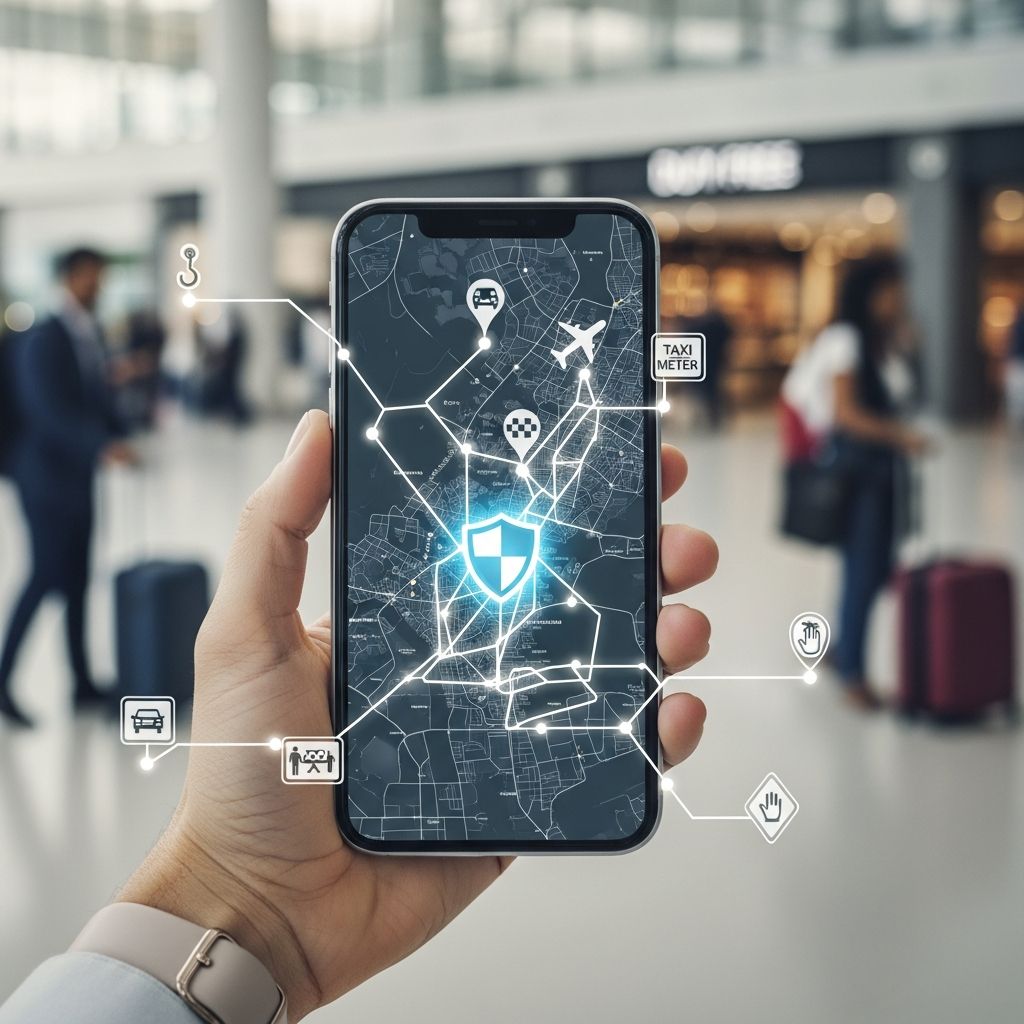
Trips are supposed to be relaxing, but scammers target travelers precisely because they are excited, distracted, and often in unfamiliar places. With a few practical habits and a basic understanding of how travel fraud works, you can dramatically reduce your risk and protect both your money and your personal information.
Why Travel Scams Work So Well
Travel scams often succeed because they exploit emotions: the desire for a bargain, fear of missing out on a limited-time deal, or anxiety when something goes wrong on the road. Fraudsters combine these emotions with tactics like fake websites, deceptive emails, and high-pressure sales pitches to rush you into paying before you have time to verify details.
Understanding the most common patterns will help you recognize red flags even when the specific scam looks new.
Core Rules That Keep You Safe Everywhere
Most scams, whether online or face-to-face, can be avoided by following a few fundamental rules whenever you plan, book, or take a trip.
- Slow down before you pay. Never sign a contract or send money until you clearly understand dates, prices, cancellation terms, and refund conditions in writing.
- Research the business and offer. Search the company name plus words like “review,” “complaint,” or “scam” to see what other travelers report.
- Use secure payment methods. Pay with a credit card, which typically offers the strongest fraud and chargeback protections.
- Avoid risky payments. Refuse travel offers that insist on payment via wire transfer, gift cards, or cryptocurrency; these methods are favored by scammers because they are difficult to reverse.
- Get everything in writing. Save confirmation emails, receipts, screenshots of offers, and copies of cancellation policies in case you need to dispute charges later.
Common Travel Scam Types and Red Flags
Scammers constantly adjust their tactics, but the underlying themes remain similar. Here are some of the most frequent schemes targeting travelers and the warning signs to watch for.
| Scam Type | Typical Red Flags | Protection Tip |
|---|---|---|
| Too-good-to-be-true vacation package | Very low price, vague details, pressure to act immediately, extra fees revealed only after you pay | Compare with other offers and demand full details in writing before paying. |
| Fake rental or hotel listing | Only accepts wire/gift card/crypto, no independent reviews, address that does not match photos | Verify the property on reputable platforms; check maps and reviews and pay through secure channels. |
| Phishing emails and texts | Messages claiming to be from airlines or hotels asking you to “confirm” payment or login via a link | Go directly to the company’s official website or app instead of clicking links in unsolicited messages. |
| Fake travel agency or tour operator | No physical address, unverified social media, no clear cancellation policy, demands full payment upfront | Check consumer protection agencies or Better Business Bureau-style sites for complaints and verify contact details. |
| On-the-street overcharging, taxi and activity scams | No meter, vague pricing, refusal to show a license or written price, sudden changes to agreed costs | Agree on a fare or ask for the meter up front; use official taxis and licensed operators where possible. |
Safe Strategies When Shopping for Travel
The earliest decisions you make—choosing where and how to book—have a big impact on your risk. Apply these strategies before you pay for any trip.
1. Choose Trusted Sources
- Ask friends, family, or colleagues for first-hand recommendations on agencies, vacation rentals, tour companies, and travel websites.
- Use large, well-known comparison platforms and booking apps that offer clear customer support and dispute procedures.
- Look for consistent reviews across multiple sites, not just on the company’s own page.
2. Verify the Details Before You Commit
- Confirm the exact location of hotels or rentals using online maps and street views to ensure the property exists and matches the photos.
- Check whether the advertised price includes mandatory fees such as resort charges, cleaning fees, and local taxes.
- Read the cancellation and refund policies closely, especially for nonrefundable rates or long-term stays.
- Call the hotel or airline using a phone number from its official website (not just what appears in search results) to confirm any questionable offer.
3. Compare Offers Thoughtfully
- Be skeptical if one deal is dramatically cheaper than similar options. Legitimate discounts exist, but extreme price gaps warrant extra research.
- Beware of “limited-time” countdowns that reset when you reload the page—this is often a pressure tactic rather than a real deadline.
- Check whether “free” bonuses, like included excursions or meals, actually require extra fees when you arrive.
Protecting Yourself Online While Planning and Traveling
Online bookings and mobile apps make travel easier but also provide more opportunities for fraud and data theft. Securing your devices and accounts is as important as choosing trustworthy vendors.
4. Guard Your Personal and Payment Information
- Only enter credit card details on sites that show HTTPS and belong to the official company domain.
- Avoid sending payment details or passport scans over unencrypted email or messaging apps whenever possible.
- Decline offers that provide a “discount” if you pay via gift cards, peer-to-peer transfers, or cryptocurrency.
5. Watch Out for Phishing and Fake Websites
- Do not click on links in unsolicited emails or texts claiming problems with your reservation or offering surprise upgrades.
- Type the web address of airlines, hotels, and rental companies directly into your browser instead of following embedded links.
- Look carefully for small spelling changes in website addresses that imitate popular travel brands.
6. Use Safe Networks and Secure Devices
- Avoid entering passwords or card numbers when connected to public Wi-Fi in airports, cafes, or hotels; use a virtual private network (VPN) or your mobile data instead.
- Keep your phone and laptop updated with the latest security patches and anti-malware tools.
- Use strong, unique passwords and enable multi-factor authentication for email, banking, and booking accounts.
- Lock your devices with a PIN or biometric login and enable “find my device” features so you can locate or wipe a lost phone.
Staying Alert While You’re on the Road
Even with careful planning, you can encounter scams during your trip. Remaining observant and prepared helps you respond calmly and minimize damage.
7. Handling Money and Documents Safely
- Carry only the cards and cash you need each day; keep backups in a separate secure location, such as a hotel safe.
- Store digital copies of your passport, tickets, and confirmations in a secure, backed-up location in case originals are lost.
- Be discreet when handling money in crowded places to avoid attracting pickpockets.
8. Avoiding In-Person Pressure and Overcharging
- Politely decline unsolicited offers from strangers for tours, tickets, or “special deals,” especially if they insist you must decide immediately.
- Use official taxi stands, ride-hailing apps, or licensed transport whenever possible; confirm the fare or insist on using the meter before the ride begins.
- Check every bill at restaurants and shops to ensure items and currency conversions are accurate.
If You Suspect You’re Being Scammed
Acting quickly can limit your losses and help authorities track patterns of fraud.
Immediate Steps to Take
- Stop communicating with the suspected scammer once you realize something is wrong.
- Contact your credit card issuer or bank to dispute charges or block further transactions.
- Change account passwords that may have been exposed, especially email and financial accounts.
- Save all documentation: emails, screenshots, receipts, chat logs, and any terms or conditions you were shown.
Who to Notify
- Report the scam to your card provider and request a new card number if needed.
- Notify your country’s consumer protection agency or fraud reporting center to help authorities spot trends and warn others.
- If identity documents were stolen, contact the appropriate government office and follow guidance on fraud alerts or replacement documents.
Practical Checklist Before Every Trip
Use this quick checklist when planning your next vacation or business trip:
- I confirmed that every company I’m using has solid reviews and a traceable address and phone number.
- I read and saved the cancellation, change, and refund policies for flights, lodging, and tours.
- I paid with a credit card and avoided wire transfers, gift cards, or cryptocurrency.
- I verified that emailed offers and confirmations come from official domains.
- I set up alerts on my bank and credit card accounts to quickly spot unusual activity.
- My devices are updated, locked, and backed up, and I’m prepared to avoid public Wi-Fi for sensitive transactions.
Frequently Asked Questions (FAQs)
Q: How can I tell if a “free vacation” offer is legitimate?
Genuine promotions usually appear on an official company website, include detailed written terms, and do not require you to pay large upfront fees or use irreversible payment methods. Be wary of phone calls or messages claiming you’ve won a trip but demanding immediate payment of taxes or processing fees.
Q: Is it safer to book directly with airlines and hotels or use third-party sites?
Both can be safe when you use reputable businesses, but booking directly often simplifies changes and problem resolution. If you use third-party sites, choose major, well-known platforms with clear customer support and check independent reviews beforehand.
Q: What is the safest way to pay for travel reservations?
Pay with a credit card whenever possible. Credit cards typically offer stronger fraud protections and dispute rights than debit cards or bank transfers. Avoid merchants who insist on payment by wire, gift card, or cryptocurrency.
Q: Should I use public Wi-Fi to manage bookings or banking while abroad?
It is best to avoid entering passwords or payment information over public Wi-Fi. Use a VPN or your mobile data connection instead, and only access sensitive accounts on secure, trusted networks.
Q: What documents should I keep in case I need to dispute a charge later?
Save booking confirmations, invoices, screenshots of offers, cancellation and refund policies, and any written communication with the company. These records support your case if you file a dispute with your card issuer or a consumer protection agency.
References
- Avoid Scams When You Travel — Federal Trade Commission. 2024-06-10. https://consumer.ftc.gov/articles/avoid-scams-when-you-travel
- Travel Tips — Michigan Department of Attorney General. 2023-05-15. https://www.michigan.gov/consumerprotection/protect-yourself/consumer-alerts/shopping/travel-tips
- Travel Scam Prevention Tips — Central Bank. 2023-07-01. https://www.centralbank.net/learning-center/travel-scam-prevention-tips/
- Preventing Vacation and Travel Scams: A Consumer’s Guide — WSFS Bank. 2023-06-20. https://www.wsfsbank.com/resources/preventing-vacation-and-travel-scams-a-consumers-guide/
- Traveling Scams and Prevention — Northeastern University Police Department. 2022-08-30. https://nupd.northeastern.edu/scam-prevention/traveling-scams-and-prevention/
- How to Stay Safe Against Scams While Traveling — McAfee. 2023-07-18. https://www.mcafee.com/blogs/tips-tricks/how-to-stay-safe-against-scams-while-traveling/
- How to Identify and Avoid the Most Common Travel Scams — Bank of Colorado. 2025-02-12. https://www.bankofcolorado.com/articles/2025/travel-scams
Similar Articles








Read full bio of medha deb


