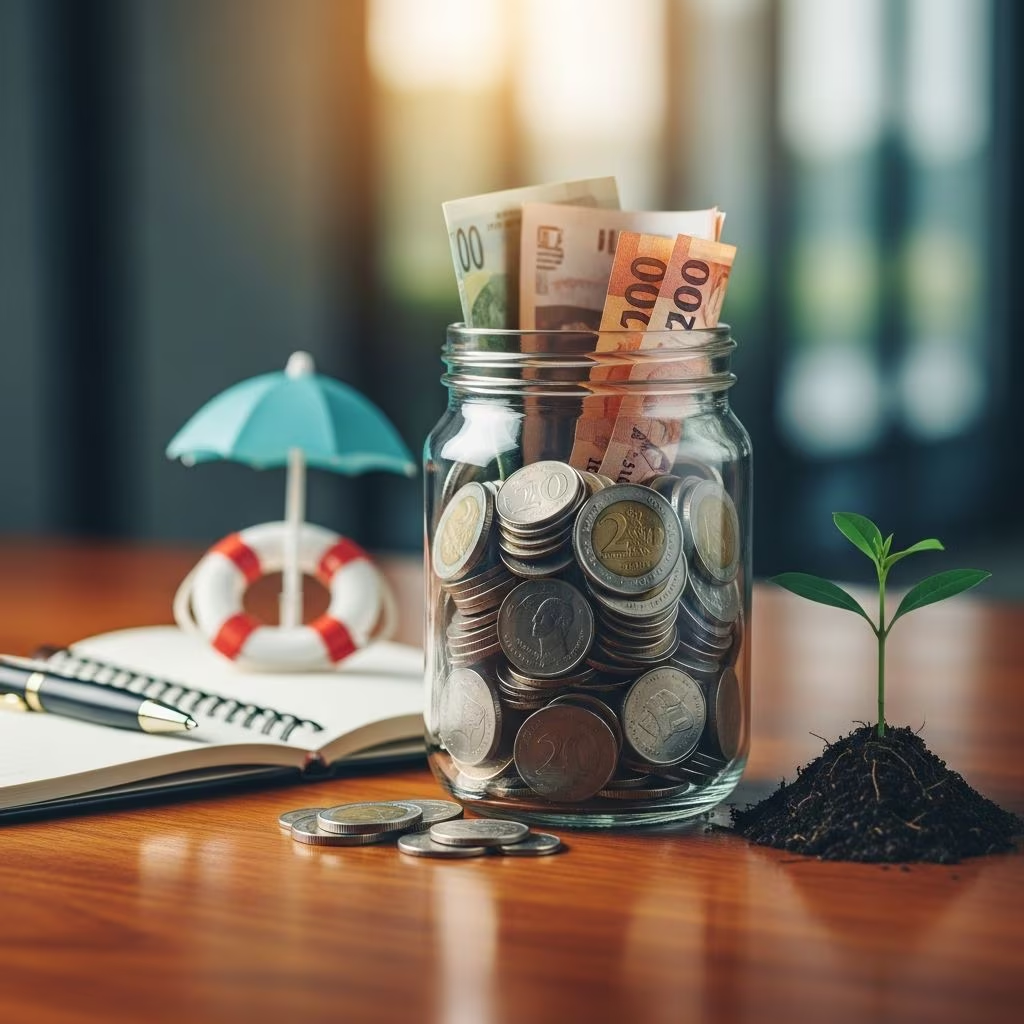
An emergency fund is one of the most important tools for financial stability. It gives you a cash cushion to handle surprise expenses, reduces stress, and helps you avoid high-interest debt when life goes off script.
Many people know they should have emergency savings, but feel unsure where to start, how much to save, or how to keep from dipping into it for non-emergencies. This guide walks through the why, how, and where of building a practical, realistic emergency fund tailored to your life.
What Exactly Is an Emergency Fund?
An emergency fund is money you intentionally set aside to cover unexpected and necessary expenses or a temporary loss of income. Financial educators and regulators describe it as a dedicated savings buffer that protects you from shocks such as job loss, medical bills, or urgent car and home repairs.
Typical situations where an emergency fund can help include:
- Getting laid off or having your work hours reduced.
- Unexpected medical or dental expenses not fully covered by insurance.
- Major car repairs that you must pay to keep working or caring for family.
- Urgent home repairs, such as fixing a broken furnace or plumbing leak.
- Travel costs related to a family crisis.
The key idea is simple: the money is there to keep you financially afloat when something important and unplanned happens, so you do not have to rely on credit cards or high-interest loans.
Why an Emergency Fund Matters So Much
Life rarely goes according to plan. Having a cash reserve can turn a crisis from a long-term setback into a manageable inconvenience. Government and non-profit financial education programs highlight several benefits of emergency savings:
- Protection from debt: Cash on hand means you are less likely to turn to high-interest credit cards, payday loans, or withdrawing from retirement accounts to cover a crisis.
- Emotional relief: Knowing you have money earmarked for emergencies can lower stress and worry about “what if” scenarios.
- Flexibility in tough moments: If you lose work or face reduced income, savings give you time to make thoughtful decisions instead of rushed ones.
- Stability for long-term goals: With a buffer in place, you are less likely to derail retirement, education, or home-buying plans when something goes wrong.
How Much Should You Aim to Save?
There is no single perfect number for everyone, but many experts recommend building an emergency fund that covers three to six months of essential living expenses, depending on your situation.
| Situation | Typical Target | Why |
|---|---|---|
| Stable job, dual income, strong benefits | About 3 months of expenses | Multiple income sources and benefits reduce risk of a full income loss. |
| Single income household or variable pay (freelance, gig work) | 3–6 months of expenses | Income is more unpredictable; a larger buffer adds security. |
| Job that would be hard to replace, health issues, or dependents relying on you | 6+ months of expenses | It may take longer to find new work or handle medical or family needs. |
To find your target, start with your essential monthly costs, such as:
- Housing (rent or mortgage)
- Utilities
- Groceries and basic household supplies
- Transportation
- Insurance premiums and minimum debt payments
- Childcare or other necessary family costs
Multiply that total by the number of months you want to cover. That is your long-term savings goal.
Choosing a Realistic Starting Goal
Saving several months of expenses can feel overwhelming if you are just getting started. Many official financial education programs encourage people to begin with a smaller, achievable milestone, then expand over time.
Two common starter goals are:
- $500 to $1,000 to handle typical small emergencies like car repairs, appliance fixes, or medical co-pays.
- One month of essential expenses as a next step after you reach that first cushion.
Breaking your goal into stages makes the process less intimidating and lets you celebrate progress along the way.
Where to Keep Your Emergency Fund
Where you store your emergency savings is as important as how much you save. Experts generally recommend using a place that is safe, easy to access, and earns at least some interest.
- High-yield savings account: A separate savings account, especially one offering a competitive interest rate, is a common choice. Funds in insured banks and credit unions are typically protected up to legal limits by agencies like the FDIC and NCUA.
- Money market deposit account: These accounts may offer check-writing or debit access while still being insured and relatively liquid, though they can have higher minimum balances.
- Not in long-term investments: Investments such as stocks or mutual funds can fluctuate in value, and selling them quickly may lock in losses. For an emergency fund, stability and access matter more than growth.
Whatever account you choose, keep it separate from your everyday spending account so you are not tempted to use it for non-emergencies.
Step-by-Step Plan to Build Your Fund
Building an emergency fund is less about big one-time moves and more about consistent habits. Here is a simple framework you can adapt.
1. Map Your Monthly Cash Flow
Start by understanding where your money currently goes. Track your income and spending for at least one full month. Many government and nonprofit tools recommend listing fixed and variable expenses separately to see what you can adjust.
- Fixed costs: Rent, mortgage, insurance premiums, minimum loan payments.
- Variable costs: Groceries, gas, dining out, entertainment, online shopping.
Identify a realistic amount you could direct toward savings each pay period, even if it is small at first.
2. Set a Clear Monthly Savings Target
Based on your cash flow review, pick a specific monthly or per-paycheck savings amount. For example:
- $25 per week if you are just starting.
- 5–10% of each paycheck if your budget allows.
The amount matters less than building the habit. You can increase contributions later as your income grows or expenses fall.
3. Make Saving Automatic
Automating deposits is one of the most effective ways to build savings, because it reduces the chance that you will skip or forget. Many banks and credit unions let you set up recurring transfers on payday from your checking account to your emergency savings.
- Schedule a transfer on or just after each payday.
- Treat it like a bill you pay to your future self.
- Adjust the transfer amount if your income or expenses change.
4. Free Up Cash by Adjusting Spending
If your budget feels tight, look for short-term ways to redirect small amounts toward your fund. Even cutting or reducing a few expenses can free up meaningful money over time.
- Reduce optional subscriptions or unused memberships.
- Plan low-cost meals or cook at home more often.
- Set spending limits for categories like entertainment or online shopping.
- Use windfalls (tax refunds, bonuses, cash gifts) to boost your emergency fund instead of spending them right away.
5. Revisit and Raise Your Goal Over Time
Once you reach your first milestone, such as $500 or $1,000, update your target and timeline. As your income, family size, or obligations change, what counts as a comfortable cushion will change too.
- Review your emergency fund at least once a year.
- Increase contributions when you get a raise or pay off a debt.
- Adjust for new recurring costs, such as child-related expenses or higher rent.
What Counts as a True Emergency?
One of the hardest parts of having an emergency fund is protecting it from non-emergency spending. A useful guideline is that an emergency should be:
- Unexpected: You did not see it coming or could not easily predict the timing.
- Necessary: It relates to basic needs, health, safety, or essential work and family responsibilities.
- Urgent: It must be handled soon to avoid serious consequences.
Examples that typically qualify:
- Car repairs needed to keep your only vehicle safely drivable.
- A medical bill for an urgent condition.
- Essential home repairs that affect health or safety (such as heat in winter).
- Covering basic bills after sudden job loss.
Examples that usually do not qualify:
- Upgrading to the newest phone or electronics.
- Vacations, holidays, or gifts.
- Non-urgent home improvements.
If you are unsure whether something is an emergency, ask yourself: “If I don’t spend this money now, will it seriously harm my health, safety, or ability to earn income?” If the answer is no, consider saving for it separately instead.
What to Do After You Use Your Emergency Fund
Using your emergency savings is not a failure; it is exactly what the money is for. The important step is what comes next: rebuilding the fund.
- Recalculate how much you have left and how much you want to restore.
- Return to your budget and restart or increase automatic contributions.
- Redirect any new income or windfalls to refill the account more quickly.
Think of your emergency fund as a reusable tool. You might draw it down several times over the years, but as long as you rebuild it, it continues to protect you.
Balancing Emergency Saving with Other Financial Priorities
It is normal to juggle multiple financial goals at once: paying down debt, saving for retirement, and covering everyday expenses. Many experts suggest a balanced approach:
- Start with a basic cushion: Build at least a small emergency fund (for example, $500–$1,000) before aggressively paying down low-interest debt.
- Address high-interest debt: If you have high-interest credit card balances, consider splitting your extra money between debt payments and building your emergency fund until you reach a safer buffer.
- Do not skip employer retirement matches: If your employer offers a retirement plan match, many advisors encourage contributing enough to receive the full match while also building an emergency cushion, because the match is essentially additional pay.
The right mix depends on your income, expenses, and risk tolerance. The central idea is to have some emergency savings in place as protection while you pursue other long-term goals.
Common Myths About Emergency Funds
Several misconceptions can discourage people from starting or growing an emergency fund. Clearing them up can make saving feel more achievable.
- Myth: “I need thousands saved before it makes any difference.”
Even a few hundred dollars can prevent you from taking on expensive short-term debt for small emergencies. - Myth: “I can rely on credit cards instead.”
Credit may help in a pinch, but high interest can keep you in debt for years. An emergency fund gives you options without ongoing finance charges. - Myth: “I do not earn enough to save.”
Many people with modest incomes successfully build savings by starting very small and using automation. Consistency over time matters more than the initial amount. - Myth: “I am young and healthy; I don’t need it yet.”
Job loss, reduced hours, or family emergencies can affect anyone, regardless of age or health. Building a fund early gives you more years of protection.
Frequently Asked Questions (FAQs)
Q: Should I save for emergencies or pay off debt first?
A: Many experts recommend building a small starter emergency fund while also paying at least the minimum on all debts, then focusing extra money on high-interest balances. Once high-interest debt is under control, you can shift more toward reaching a full three to six months of expenses.
Q: Is it okay to invest part of my emergency fund?
A: The core of your emergency fund should stay in safe, liquid accounts like insured savings or money market deposit accounts. If you have a large cushion beyond your comfort level, you might invest the extra portion, but be aware that market downturns could affect its value right when you need it.
Q: How can I save for emergencies on a variable income?
A: If your income fluctuates, consider setting a savings percentage instead of a fixed dollar amount, and make larger contributions in strong months. A bigger emergency fund target (closer to six months of expenses) can help smooth income ups and downs over time.
Q: What if I need to use my emergency fund more than once?
A: That is normal. An emergency fund is meant to be used when necessary and then rebuilt. Each time you draw from it, review what happened, whether any part of the expense could be anticipated in the future, and how you will restore the balance.
Q: How can I stay motivated while saving?
A: Track your progress visually, celebrate milestones (like each additional $100 saved), and remind yourself what the fund protects: your housing, your family, and your future choices. Knowing that you are building resilience can be a powerful motivator.
References
- The Importance of Having an Emergency Savings Account — Washington State Department of Financial Institutions. 2023-02-10. https://dfi.wa.gov/financial-education/information/importance-having-emergency-savings-account
- Emergency Fund: What it Is and Why it Matters — NerdWallet. 2024-05-30. https://www.nerdwallet.com/banking/learn/emergency-fund-why-it-matters
- Comprehensive Guide to Building an Emergency Fund — Vanguard. 2023-11-15. https://investor.vanguard.com/investor-resources-education/emergency-fund
- Guide to Emergency Fund — JPMorgan Chase Bank, N.A. 2023-08-01. https://www.chase.com/personal/banking/education/budgeting-saving/how-much-should-i-have-in-emergency-fund
- Why Do I Need an Emergency Fund? — John Hancock Life Insurance Company. 2022-09-20. https://www.johnhancock.com/ideas-insights/why-do-i-need-an-emergency-fund.html