
Smart Steps for Reporting a Car Accident to Police
Learn when, why, and how to report a car accident to police so you protect your health, your rights, and your future claims.
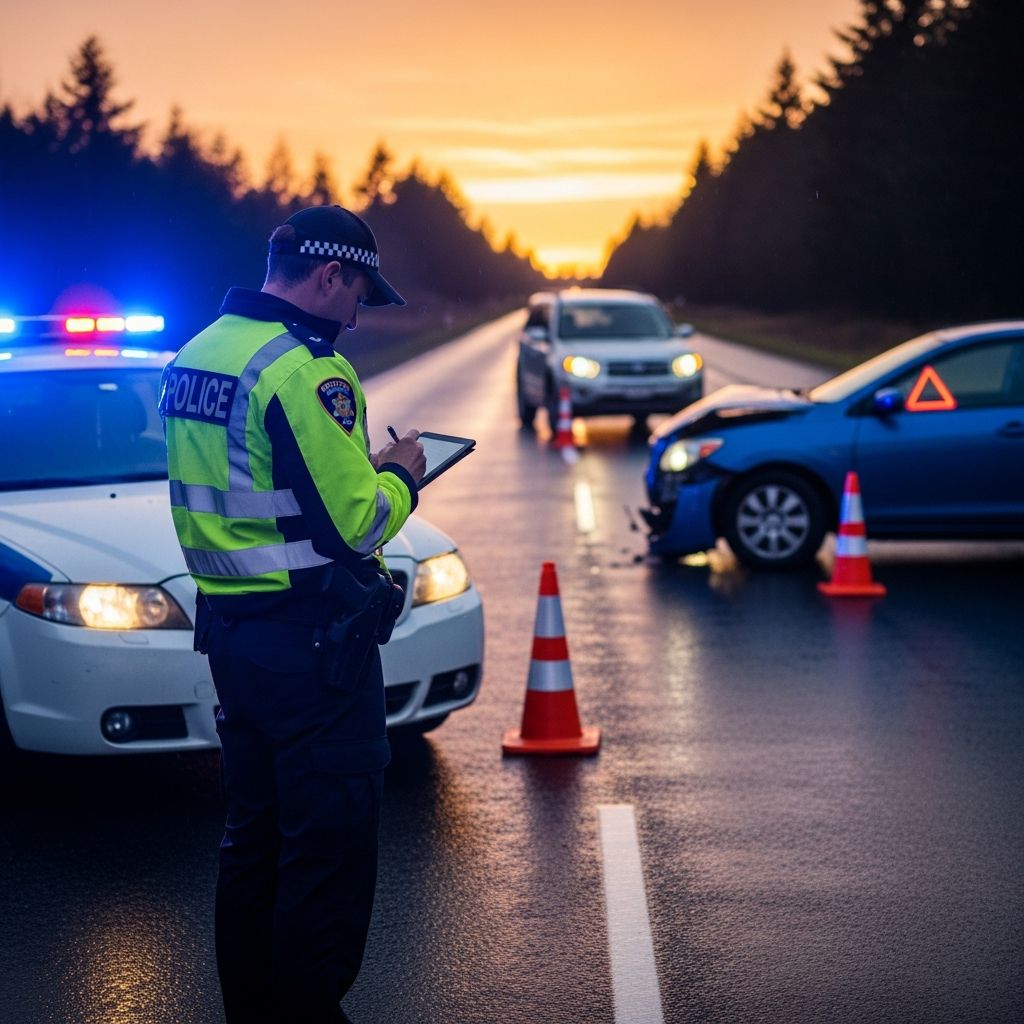
What you do in the minutes and hours after a car accident can shape your medical recovery, your insurance claim, and even your legal rights. One of the most important choices is whether and how to report the crash to law enforcement. This guide explains practical, legally informed steps for reporting a collision to police, what to expect from the process, and how to use the resulting report when dealing with insurers and potential claims.
Why Police Involvement Matters After a Crash
Even when a collision seems minor, involving law enforcement can provide critical documentation and help preserve objective evidence. Many states legally require drivers to notify police when there are injuries, deaths, or significant property damage, and failure to report in those situations can result in penalties such as fines or possible license suspension.
Beyond legal requirements, a police report gives insurers and attorneys a neutral, time-stamped snapshot of what happened. Insurers frequently request an official report before paying or disputing claims, and attorneys often rely on the officer’s observations, diagrams, and listed witnesses when building a case.
When You Should Call the Police
Exact reporting rules vary by state, but there are common situations where contacting the police is strongly recommended or required by law.
Situations That Usually Require a Police Report
- Injury or death – If anyone is hurt, complains of pain, or is unconscious, you should call emergency services immediately. Many traffic codes mandate police notification when an accident results in injury or fatality.
- Severe vehicle damage – If a vehicle cannot be safely driven from the scene and must be towed, many state statutes treat the crash as reportable and require notification to law enforcement.
- Hit-and-run collisions – If another driver flees without exchanging information, police involvement is essential to document the event and start any potential criminal investigation.
- Hazards to traffic – Crashes blocking lanes, causing fuel leaks, or creating dangerous conditions should be reported so officers can secure the scene and direct traffic.
Minor Fender-Benders: Report or Not?
For low-speed accidents with no apparent injuries and only small cosmetic damage, local law may not require police response at the scene. However, you may still want a report because:
- Some injuries (like whiplash or concussions) appear hours or days later.
- Hidden vehicle damage may emerge after inspection.
- Insurers often prefer or require an official report when disputes arise.
When police cannot respond to minor collisions, some states require drivers to submit a written crash report to the transportation department within a short deadline, often five to ten days, if injuries or disabling damage are later discovered.
First Priorities at the Accident Scene
Your safety and health come before documentation. Take these immediate steps before focusing on reporting the crash.
1. Check for Injuries and Call 911
- Check yourself and passengers for pain, bleeding, or loss of consciousness.
- Call 911 if anyone is injured, seems disoriented, or if you suspect a head, neck, or back injury.
- Tell the operator your location, whether there are injuries, and whether vehicles are blocking traffic.
Emergency operators will typically dispatch both medical responders and law enforcement in serious situations, which begins the formal record of the crash.
2. Move to a Safe Location If Possible
- If the vehicles can be safely moved, pull to the shoulder or a nearby parking area.
- Turn on hazard lights and, if available, place warning triangles or flares to alert traffic.
- Do not stand between vehicles, close to traffic lanes, or in blind curves.
3. Avoid Admitting Fault at the Scene
- Stay calm and courteous, but do not accept blame or accuse others.
- Limit discussion about the collision with the other driver to exchanging necessary information.
- Save detailed explanations for the responding officer, your insurer, and your attorney.
Information to Gather Before Police Arrive
Whether or not officers can respond, you should collect your own detailed information. This personal record can support the official police report and fill any gaps.
Essential Details to Document
- Contact and identification
- Full names, phone numbers, and addresses of all drivers.
- Driver’s license numbers and issuing states.
- Vehicle makes, models, and license plate numbers.
- Insurance information
- Insurance company names and policy numbers for all drivers.
- Agent or customer service phone numbers if available.
- Witness information
- Names and contact information of any passengers, pedestrians, or bystanders who saw the crash.
- Ask whether they are willing to speak with police or provide a written statement.
- Scene details
- Date and approximate time of the collision.
- Street names, intersections, or mile markers.
- Weather, visibility, and road surface conditions.
Using Photos and Video Effectively
Visual evidence can capture details that are easy to forget later and often appear in police reports as officer observations and diagrams.
- Photograph each vehicle from multiple angles, including close-ups of damage.
- Capture skid marks, debris, traffic signals, and any obstructions.
- Take wide shots that show the relative positions of vehicles and the roadway.
- If safe, consider a brief video walking around the scene and explaining what each image shows.
Talking With the Responding Officer
When police arrive, they will usually focus on securing the area, assessing injuries, and then investigating how the accident occurred.
What Officers Commonly Do at the Scene
- Check for injuries and call additional medical help if needed.
- Block lanes or redirect traffic to prevent secondary crashes.
- Speak separately with each driver and sometimes with passengers.
- Interview witnesses and record their statements and contact details.
- Observe and note vehicle positions, road conditions, and visible damage.
- Issue citations if they believe traffic laws were violated.
How to Give a Clear, Helpful Statement
- Stick to facts – Describe what you saw, heard, and did in basic, chronological terms.
- Admit uncertainties – If you do not know your speed or did not see the other vehicle until impact, say so rather than guessing.
- Mention pain or discomfort – Tell the officer if you feel any pain, dizziness, or stiffness, even if you do not need an ambulance immediately.
- Ask about corrections later – If you realize you left out important details, contact the department as soon as possible to ask how to supplement your statement.
What Goes into a Typical Police Accident Report
Accident report forms are often standardized at the state level and guide officers to record specific categories of information. While formats differ, many reports include the elements summarized below.
| Report Section | What It Usually Includes | Why It Matters |
|---|---|---|
| Basic crash data | Date, time, exact location, roadway type, and weather conditions. | Helps reconstruct how conditions may have contributed to the crash. |
| Vehicle and driver info | Driver names, addresses, license numbers, vehicle descriptions, and insurance details. | Identifies all involved parties for insurers and attorneys. |
| Injury and damage description | Nature of injuries, where victims were transported, and visible vehicle or property damage. | Supports medical and property damage claims. |
| Officer observations | Diagrams, narrative summary, statements from drivers and witnesses, and any citations issued. | Provides a neutral account that insurers and lawyers rely on. |
The officer’s narrative and diagram often become central pieces of evidence during claim evaluations or legal disputes, even though the report itself may not be admissible as proof of fault in some courts.
Getting a Copy of Your Police Report
Police agencies typically finalize and file reports within a set period, such as 10–15 days after the crash. Once filed, involved parties, their insurers, and attorneys can usually request copies for a small fee.
How to Request the Report
- Use the incident or case number listed on any crash receipt or card the officer provided at the scene.
- Contact the correct agency (city police, county sheriff, or state patrol) responsible for the location of the crash.
- Check whether you can request the report online, by mail, or in person. Many state police agencies offer web-based request portals.
- Be prepared to pay a processing fee, which is often set by statute and may be capped.
If No Officer Responded
When police cannot come to the scene, some states require you to file a driver crash report with the transportation department if the collision involved injury, death, or disabling damage. In this scenario:
- Obtain the official self-report form (often available as a downloadable PDF on the transportation department’s website).
- Fill in all requested details, including vehicle information, injury descriptions, and a narrative of what occurred.
- Submit the form within the stated deadline to avoid penalties or compliance issues.
How Police Reports Affect Insurance and Legal Claims
A police report does not automatically decide who is legally at fault, but it often carries significant weight in negotiations and claim evaluations.
Using the Report With Your Insurer
- Insurers may request the report number or a copy before making liability or coverage decisions.
- The officer’s narrative, listed violations, and witness names can guide the insurer’s investigation.
- If another driver later changes their story, the officer’s contemporaneous notes can help challenge that revision.
Role in Potential Lawsuits
- Attorneys use reports to identify witnesses, confirm contact information, and visualize how the crash occurred through diagrams.
- Even if the report itself is restricted as direct evidence in court, it can lead to additional testimony and records that are admissible.
- A clear, detailed report may also encourage early settlement, reducing the likelihood of lengthy litigation.
Common Mistakes to Avoid When Reporting an Accident
Being aware of frequent missteps can help you protect your rights and avoid unnecessary complications.
- Leaving the scene too quickly – Departing before exchanging information or speaking with officers can violate hit-and-run or reporting statutes when there are injuries or significant damage.
- Failing to mention pain or symptoms – Downplaying injuries at the scene can later be used to question your medical claims, even though some conditions appear over time.
- Guessing or speculating – Making estimates about speed, distance, or what the other driver was doing can lead to inaccuracies in the report.
- Not following up for a copy – Never assume the report is correct; obtain a copy and review it for major factual errors, then ask the department about procedures for adding a supplemental statement if needed.
Practical Tips to Prepare Before an Accident Happens
You cannot predict when a crash will occur, but you can be prepared to navigate the reporting process smoothly.
- Keep a checklist in your glove compartment with step-by-step reminders on what to do after a collision.
- Store your insurance card, vehicle registration, and emergency contact numbers where you can reach them quickly.
- Consider a phone app that can log time, location, and photos immediately after a crash.
- Review your state’s crash reporting rules on the official transportation or motor vehicle department website so you understand when police notification or self-reporting is mandatory.
Frequently Asked Questions About Reporting Accidents to Police
Do I have to call the police after every accident?
Not always. Most states require police notification when someone is injured, killed, or when a vehicle has disabling damage and cannot be safely driven. For minor scrapes without injuries, calling may not be legally required, but it is often still wise for documentation and insurance purposes.
What if the other driver begs me not to involve the police?
You are not obligated to agree. If there are injuries, significant damage, or any suspicion of impaired driving, you should contact police. Settling informally can leave you unprotected if the other driver later claims more damage or denies the crash entirely.
Can I correct errors in the police report?
You usually cannot change the officer’s original conclusions, but you can request to add a supplemental statement or clarification if key facts (like your name, vehicle, or insurance information) are wrong. Contact the reporting agency and ask about their correction procedure.
How long does it take for a report to become available?
Timeframes vary, but many agencies finalize reports within 10–15 days. After that, involved parties and their insurers can request a copy, often for a small statutory fee.
Is the police report the final word on who caused the crash?
No. The officer’s observations and listed citations carry weight, but insurers and courts may reach independent conclusions based on all the evidence. The report is a key starting point, not the last word.
References
- Police Officers Crash Report Manual (Publication 153) — Pennsylvania Department of Transportation. 2023-01-01. https://www.pa.gov/content/dam/copapwp-pagov/en/penndot/documents/public/pubsforms/publications/pub%20153.pdf
- Title 75, Pennsylvania Consolidated Statutes, Section 3747 (Report of accidents by police) — Pennsylvania General Assembly. 2022-11-03. https://www.palegis.us/statutes/consolidated/view-statute?txtType=HTM&ttl=75&div=0&chapter=37§ion=47&subsctn=0
- Title 75, Pennsylvania Consolidated Statutes, Section 3751 (Reports by police) — Pennsylvania General Assembly. 2022-11-03. https://www.palegis.us/statutes/consolidated/view-statute?txtType=HTM&ttl=75&div=0&chpt=37&sctn=51&subsctn=0
- How to Obtain a Police Report After an Accident or Injury in Pennsylvania — Brandon J. Broderick, Attorney at Law. 2023-08-01. https://www.brandonjbroderick.com/pennsylvania/how-obtain-police-report-after-accident-or-injury-pa
- When Should a Car Accident Be Reported to the Police? — Matzus Law, LLC. 2023-05-10. https://resultsyoudeserve.com/practice-areas/auto-accidents/when-should-a-car-accident-be-reported-to-the-police/
- How to Get Your Car Accident Police Report in Pennsylvania — Rieders, Travis, Dohrmann, Mowrey, Humphrey & Waters. 2022-09-15. https://www.riederstravis.com/how-get-car-accident-report-police/
- How to Obtain a Car Accident Report in Pennsylvania — Mooney Law. 2023-04-20. https://www.mooney4law.com/blog/how-to-get-an-automobile-accident-report/
Similar Articles








Read full bio of medha deb




