
Smart Steps to Choosing the Right Commercial Space
A practical legal and business guide to planning, finding, evaluating, and leasing commercial space for your growing company.
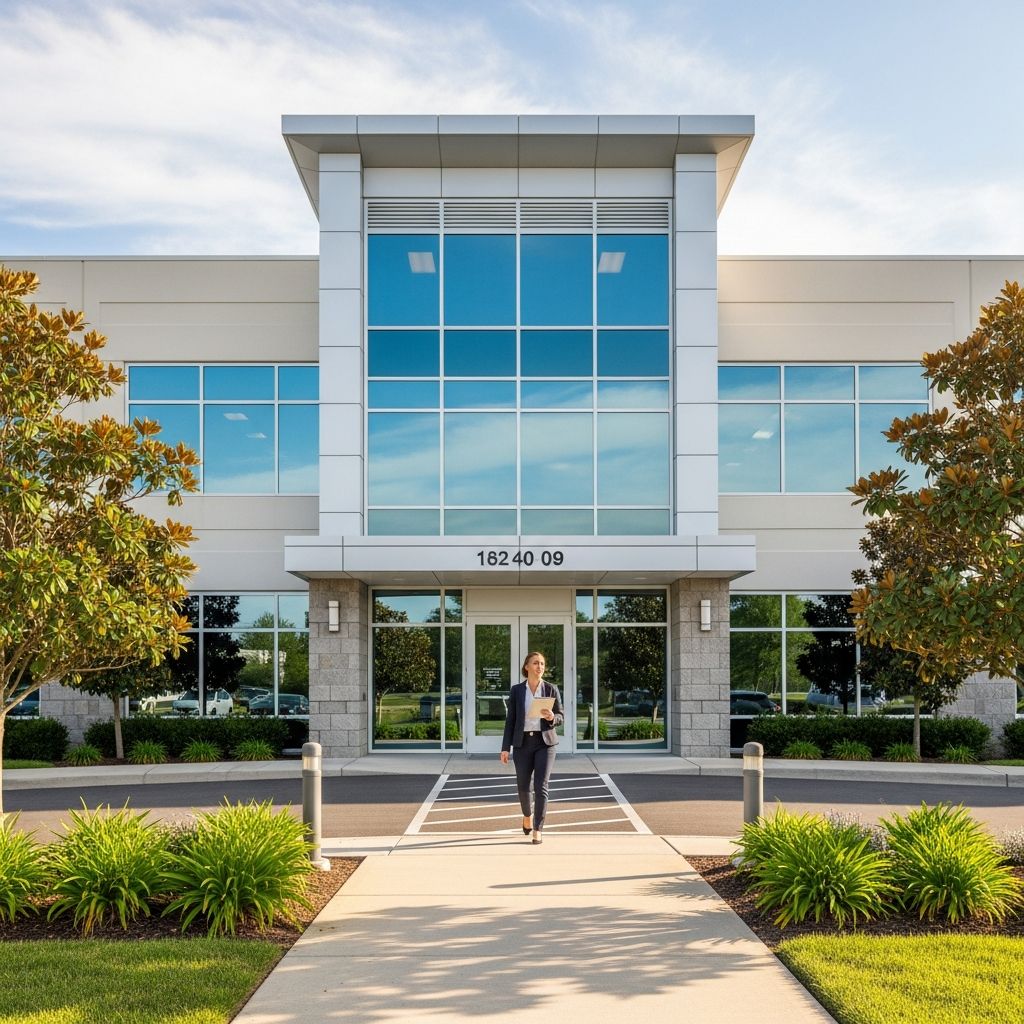
Signing a commercial lease is one of the most expensive and long-lasting commitments many small business owners ever make. Choosing the wrong space, or agreeing to unfavorable lease terms, can create financial strain, legal risk, and operational headaches that are hard to undo. Taking a methodical, informed approach before you sign helps protect your business and supports long-term growth.
1. Clarify Your Business Needs Before You Tour Any Space
Before browsing listings or calling brokers, you should clearly define what your business truly needs from a location and from the space itself. This prevents you from being distracted by attractive features that do not serve your core operations.
1.1 Define Your Operational Requirements
Start with how your business operates on a typical day and what the space must support.
- Business type: Retail, office, restaurant, industrial, medical, or another use.
- Customer interaction: Heavy walk-in traffic, appointments only, or primarily online.
- Hours of operation: Early morning, late night, or 24/7 access needs.
- Noise and activity: Whether your operations are noisy, involve machinery, or require extra privacy.
For example, restaurants and other assembly uses often have additional safety, health, and building requirements compared with general offices or basic retail.
1.2 Estimate the Space You Need
Leasing too much space wastes money, while too little makes it hard to operate or grow. Consider:
- Number of employees now and in the next 3–5 years.
- Need for private offices, open work areas, conference rooms, or treatment rooms.
- Space for inventory, storage, or specialized equipment.
- Customer areas such as waiting rooms, showrooms, or dining space.
Some agencies distinguish between usable square feet (what you occupy) and rentable square feet (what you pay for, including your share of common areas), so confirm how a landlord is measuring space.
1.3 Set a Realistic Budget
Your budget should factor in more than just monthly rent. Commercial leases often include additional costs and long terms.
- Base rent: Cost per rentable square foot, multiplied by total rentable area.
- Operating expenses: Common area maintenance, taxes, and insurance (often called CAM or triple net).
- Utilities and services: Electricity, water, internet, trash, janitorial.
- Fit-out and improvements: Construction, equipment, and furnishings to make the space usable.
- Professional fees: Legal, architectural, engineering, and permitting costs.
Map these costs against your projected revenue and cash flow to determine what level of rent is sustainable.
2. Understand Location, Zoning, and Legal Use
The right space in the wrong location can be just as damaging as the wrong space altogether. Legal restrictions and practical realities both matter.
2.1 Evaluate Location Through a Business Lens
Ask how each potential location will help or hurt your operations:
- Customer access: Proximity to your target market and public transportation.
- Visibility: Street frontage, signage opportunities, and foot or vehicle traffic.
- Parking: Adequacy for customers, staff, and deliveries.
- Neighboring tenants: Whether nearby businesses complement or compete with you.
- Safety and reputation: Crime levels and neighborhood perception.
2.2 Confirm Zoning and Permitted Use
Even if a landlord says your business is allowed, you should independently confirm that your proposed use complies with local zoning and building rules.
- Check local zoning maps to verify your type of business is permitted in that district.
- Clarify whether your operations involve any hazardous materials, special ventilation, or outdoor activities that may need extra approvals.
- Ensure the lease’s permitted use clause is broad enough (e.g., “general retail,” “general office”) to accommodate future changes to your offerings.
Zoning and occupancy classifications also affect building code requirements and whether you will need more extensive permits or upgrades.
3. Assess the Physical Condition and Compliance of the Space
Understanding a space’s current condition and compliance status is critical for predicting how long it will take, and how much it will cost, to open.
3.1 Inspect Building Systems and Layout
During tours and follow-up inspections, examine:
- Structure: Signs of water damage, cracks, or deterioration.
- HVAC, electrical, and plumbing: Capacity and condition, especially for restaurants, medical, or industrial uses.
- Restrooms and circulation: Location, adequacy, and accessibility.
- Loading and storage: Loading docks, freight elevators, back-of-house access.
Obtain existing floor plans and mechanical drawings from the landlord to help you plan modifications and budget for construction.
3.2 Check Accessibility and Safety Requirements
Most commercial spaces must comply with building codes and disability access requirements, such as the Americans with Disabilities Act (ADA) in the United States. Key issues include:
- Accessible entries and routes for people with mobility impairments.
- Accessible restrooms and service counters.
- Fire exits, alarms, and emergency lighting suitable for the occupancy.
Clarify which party—landlord or tenant—bears responsibility for bringing the space into compliance if upgrades are required.
3.3 Determine Permitting Needs and Timing
Many tenant improvements trigger building permits or additional reviews, especially when a space is changing use or occupancy category.
- Changing from office to restaurant, or retail to assembly, may require more substantial permits.
- Combining units, expanding area, or adding new kitchens or restrooms can increase complexity and timeline.
- Being the first tenant in a new building can lengthen the approval process.
Because full building permits often involve longer reviews, factor permit timing into your planned opening date and lease start date.
4. Plan Your Build-Out and Improvements
Most spaces need at least some customization to fit your concept and brand. A clear improvement plan helps you negotiate better lease terms and avoid conflicts.
4.1 Identify the Changes You Need
Walk the space with an architect, designer, or contractor when possible and create a list of desired changes.
- Moving or building walls, doors, or partitions.
- Adding or changing kitchens, ventilation, or plumbing.
- Upgrading electrical capacity for specialized equipment.
- Custom fixtures, cabinetry, or display units.
- Branding features such as signage, lighting, and finishes.
Accurate floor plans and utility locations from the landlord are essential for realistic budgets and schedules.
4.2 Negotiate Tenant Improvements and Allowances
Commercial leases frequently address who pays for improvements and how construction is handled.
| Issue | Typical Approaches | What to Clarify in the Lease |
|---|---|---|
| Who pays for build-out | Tenant pays; landlord pays; or cost shared via allowance | Exact improvement allowance amount and what it can be used for |
| Control over design | Tenant designs; landlord approves; landlord manages work | Approval process, timelines, and performance standards |
| Timing of rent | Free rent during construction; reduced rent; or full rent from day one | When rent starts relative to permits, delivery of space, and completion of work |
Build-out terms are often heavily negotiable; engage legal and construction professionals to review proposed language before you sign.
5. Analyze the Financial and Legal Structure of the Lease
Commercial leases vary widely in structure and risk. Understanding key economic and legal points before committing can save significant cost over the life of the lease.
5.1 Know the Basic Lease Types
Common commercial lease structures include:
- Gross lease: One fixed rent payment covers most building expenses, with limited additional charges.
- Net or triple-net (NNN) lease: Tenant pays base rent plus some or all taxes, insurance, and common area costs.
- Percentage lease (often in retail): Tenant pays base rent plus a percentage of sales once a threshold is met.
Compare offers not only by the base rent but by the estimated total occupancy cost over the entire term.
5.2 Review Key Economic Terms
Important economic issues to analyze and negotiate include:
- Length of term: Commercial leases often run 5, 7, or 10 years or more; ensure it fits your growth plans and risk tolerance.
- Rent escalations: How and when rent increases (fixed amounts, percentages, or tied to an index).
- Operating expense allocations: What costs are included in common area or building charges and how they are calculated.
- Security deposit and guarantees: Amounts required and conditions for return; any personal guarantees or co-signers.
- Options: Renewal options, expansion rights, or rights of first refusal on neighboring spaces.
5.3 Pay Attention to Non-Economic Legal Clauses
Some of the most impactful clauses in a lease are not directly about dollars but still carry serious consequences.
- Use and exclusivity: What you can do in the space and whether you receive any protection from direct competitors in the same property.
- Maintenance and repair: Who must fix which items, including HVAC, structural components, and major systems.
- Assignment and subletting: Your ability to transfer the lease or sublease part of the premises if your needs change.
- Relocation rights: Whether the landlord may move your business to another unit and under what conditions.
- Default and remedies: What happens if you miss payments or violate lease terms, and what notice and cure periods you receive.
A commercial lease checklist prepared by government or small-business programs can be a helpful tool for systematically reviewing these issues.
6. Build a Professional Team to Protect Your Interests
You do not need to navigate this process alone. Strategic use of professionals can reduce risk and long-term costs.
6.1 Consider a Commercial Real Estate Broker
An experienced broker who specializes in tenant representation can help you:
- Identify properties that match your criteria.
- Analyze comparable rents and terms in the local market.
- Negotiate economic terms and improvement contributions.
- Coordinate with landlords, contractors, and other advisors.
Clarify how the broker is compensated and whom they legally represent in the transaction.
6.2 Engage a Business Lawyer Early
Commercial leases are legal contracts that shape long-term obligations. A small-business or real estate attorney can:
- Explain complex lease clauses in plain language.
- Identify hidden risks and suggest more balanced terms.
- Align the lease with your business structure, liability protections, and regulatory obligations.
- Advise on compliance with local laws, including licensing and permitting.
6.3 Involve Design and Construction Professionals
For any significant build-out, architects, engineers, and contractors help ensure that your plans are realistic, code-compliant, and accurately priced.
- Prepare drawings required for permit applications.
- Estimate construction costs before you sign the lease.
- Coordinate with landlords on building rules, access, and schedules.
7. Time Your Lease to Your Opening and Growth Plans
Even a favorable lease can cause cash flow problems if the timing is off. Thoughtful planning around dates and contingencies is essential.
7.1 Allow Time for Permits, Build-Out, and Inspections
Permits, construction, and final inspections can take months, especially when full building permits are required.
- Estimate realistic timelines with your design and construction team.
- Negotiate rent commencement to start after permits are issued, after delivery of the space, or after substantial completion of improvements when possible.
- Try to obtain a free rent period or reduced rent while you are building out and ramping up operations.
7.2 Plan for Flexibility and Future Changes
Businesses evolve. The lease should not trap you in an unworkable situation.
- Look for options to renew if the location proves successful.
- Consider whether you may later need more or less space and how you could exercise expansion, assignment, or subletting rights.
- Understand early termination rights and associated costs, if available.
Frequently Asked Questions (FAQs)
Q1: How far in advance should I start looking for commercial space?
For most small businesses, starting the search 6–12 months before your desired opening date is prudent. If your use requires complex build-outs or specialized permits (such as restaurants or medical facilities), starting a year or more ahead is often wise due to design, permit review, and construction time.
Q2: Do I always need building permits to customize my space?
Many cosmetic changes, such as painting or installing removable furniture, may not require permits, but structural work, new partitions, plumbing, kitchens, and changes in use or occupancy almost always do. Whether you qualify for a simplified permit or need a full building permit depends on the scope of work and local codes, so consult local building officials or a design professional before beginning any construction.
Q3: Is it better to accept a lower rent or a higher tenant improvement allowance?
There is no universal answer; it depends on your cash flow, the length of the lease, and the scale of improvements. A higher tenant improvement allowance can reduce upfront costs and conserve capital for operations, while lower rent provides savings throughout the lease term. Your accountant or advisor can model total costs over the lease period under each scenario to help you decide.
Q4: Should my lease be in my personal name or my company’s name?
Many business owners prefer to have the lease in the name of a legal entity, such as a corporation or limited liability company, to separate business obligations from personal assets. However, some landlords request personal guarantees from owners, especially for newer businesses. A business attorney can help you understand the implications and negotiate the structure that best balances landlord requirements with your need for liability protection.
Q5: Can I negotiate commercial lease terms, or are they usually take-it-or-leave-it?
Commercial leases are often negotiable, especially on issues such as rent, improvements, renewal options, and certain risk allocations. Landlords may be less flexible on building-standard clauses or where there is high demand, but presenting a well-prepared proposal—with clear financials and a credible business plan—can strengthen your negotiating position.
References
- Do I Need to Permit My Commercial Space? — Board & Vellum. 2018-04-10. https://www.boardandvellum.com/blog/do-i-need-to-permit-my-commercial-space/
- Leasing a Commercial Space? Here’s What to Know — Patriot Software. 2022-03-10. https://www.patriotsoftware.com/blog/accounting/leasing-commercial-space/
- Commercial Lease Checklist for Small Businesses — City of Seattle Office of Economic Development. 2017-06-01. https://www.seattle.gov/documents/departments/economicdevelopment/restaurants/final%20full%20lease%20tool.pdf
- 5 Things to Know Before Renting or Leasing Space for Your Business — Travelers. 2019-05-15. https://www.travelers.com/resources/business-industries/small-business/5-things-to-know-before-renting-or-leasing-space
- Commercial Lease Checklist for Small Businesses Summary — City of Seattle Office of Economic Development. 2017-06-01. https://www.seattle.gov/documents/Departments/economicDevelopment/restaurants/FINAL%20Summary%20Lease%20Tool.pdf
- Leased Space Requirements — Washington State Department of Enterprise Services. 2022-06-01. https://des.wa.gov/sites/default/files/2022-06/SpaceReqs.pdf
Similar Articles








Read full bio of medha deb


