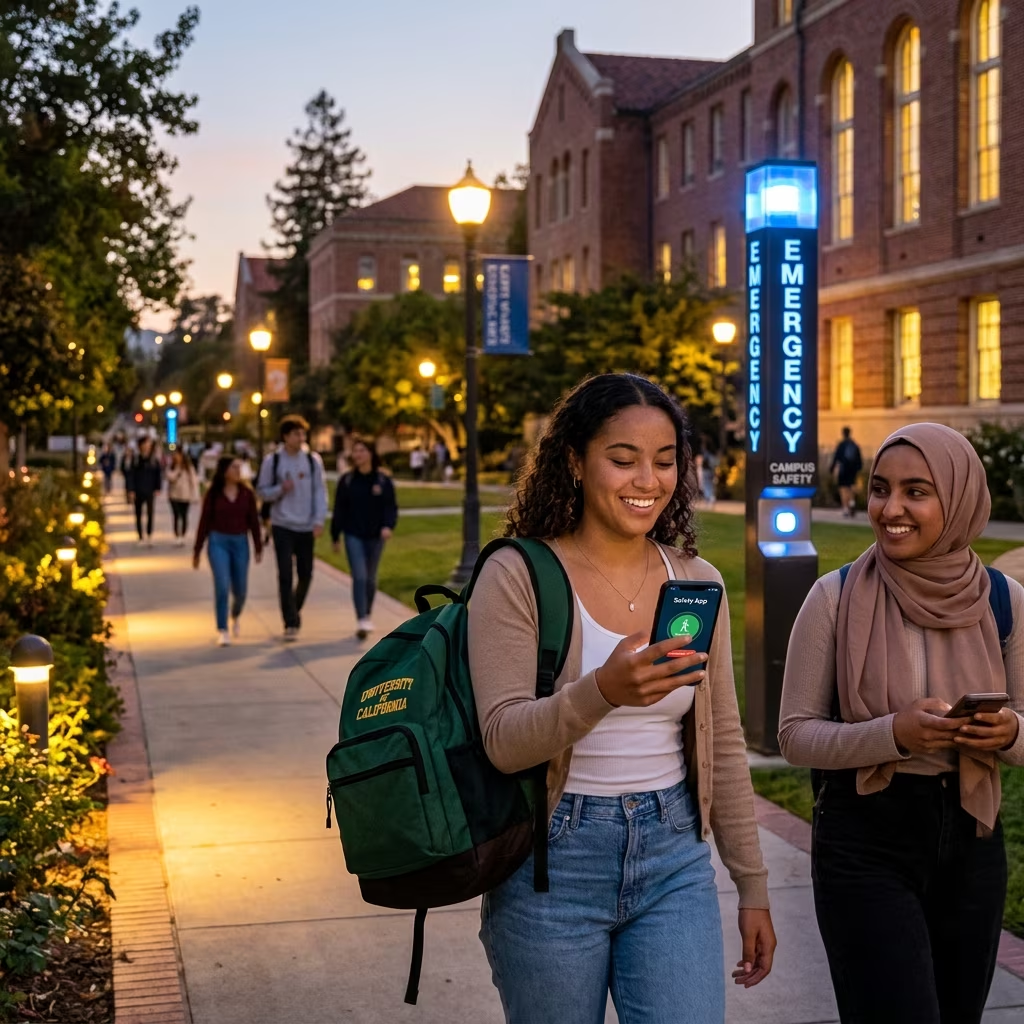
College is an exciting time to learn, meet new people, and explore independence. At the same time, campuses and surrounding neighborhoods can present real safety risks, from theft and assault to online scams. Understanding how crime happens and building everyday safety habits can significantly reduce your chances of becoming a victim.
This guide offers practical, research-informed strategies to help you navigate campus life more safely. It focuses on realistic actions you can take in your dorm, around campus, during social events, and online, while still enjoying your college experience.
1. Know Your Campus Safety Resources
Many students are unaware of the safety tools already available to them. Becoming familiar with these resources early allows you to respond quickly when something does not feel right.
- Campus police or public safety office: Save their emergency and non-emergency numbers in your phone and mark them as favorites for quick access.
- Emergency phones and alert systems: Learn where any emergency or “blue light” phones are located, and understand how campus-wide alert systems deliver information during a crisis.
- Escort services: Many colleges offer security escorts to walk students to parking lots, residence halls, or nearby transit stops after dark.
- Counseling and wellness centers: These services can help you cope with the emotional impact of crime, harassment, or safety concerns.
Spend time during your first week on campus exploring these resources, visiting relevant websites, and mapping important locations like security posts and emergency phones.
2. Build Everyday Awareness Without Becoming Paranoid
Effective crime prevention is less about fear and more about awareness. Research on victimization consistently shows that offenders often look for people who appear distracted or uncertain.
- Keep your head up: Avoid walking with your eyes glued to your phone. Scan your surroundings regularly, especially at night or in unfamiliar areas.
- Limit distractions: Use headphones at a low volume or keep one ear free so you can hear what is happening around you.
- Trust your instincts: If a situation feels off, leave the area, move toward a populated space, or call for help.
- Project confidence: Walk with purpose, maintain brief eye contact with people around you, and avoid appearing lost or unsure where you are going.
Awareness does not mean constantly expecting danger. It simply means paying attention to your environment and giving yourself more time to react if something unusual happens.
3. Navigate Campus at Night More Safely
Many campus crimes occur in the evening or overnight hours when fewer people are around and visibility is reduced. Adopting simple habits while walking at night can greatly cut your risk.
- Avoid walking alone whenever possible: Choose to walk with friends or classmates at night. There is safety in numbers.
- Stick to well-lit, busy routes: Even if a shortcut seems faster, use main walkways and streets with good lighting and regular foot traffic.
- Plan your route ahead of time: Before going out, know how you will get back and who you will be with. Avoid last-minute solo walks across campus.
- Keep keys ready: As you approach your dorm or car, have your keys in hand so you can unlock the door quickly and avoid lingering at entrances.
- Use escorts or rides when needed: If you feel unsafe walking, contact campus security for an escort or consider trusted ride options.
| Safer Habit | Riskier Behavior |
|---|---|
| Walking with a friend along a main, well-lit path | Taking isolated shortcuts alone through alleys or parking lots |
| Keeping your phone accessible but not distracting you | Texting continuously with earbuds in both ears |
| Having your route and destination planned | Wandering without a clear plan or destination |
| Calling security or a friend if you feel followed | Ignoring discomfort and continuing on the same route |
4. Protect Your Belongings from Theft
Property crimes such as laptop and phone theft are among the most common incidents affecting college students. Simple steps can help protect your valuables in dorms, libraries, and public spaces.
- Never leave items unattended: Take laptops, phones, and bags with you when you step away, or ask someone trustworthy to watch them.
- Lock doors and windows: Always lock your residence hall room when you leave or sleep, even for short periods.
- Store valuables out of sight: Keep electronics, wallets, and jewelry in drawers or locked containers rather than visible surfaces.
- Secure bikes and vehicles: Use a sturdy bike lock and park vehicles in well-lit, high-traffic areas, removing or hiding visible valuables.
- Limit cash on hand: Carry only the amount of cash you reasonably need and avoid displaying it in public spaces.
Consider recording serial numbers for expensive items and storing those records in a secure place. If a theft occurs, this information can help law enforcement recover your property.
5. Keep Your Dorm or Apartment Secure
Your residence is the place you should feel most comfortable, but it can also be a target for crime if security practices are weak.
- Control access: Do not lend keys or key cards to others, and avoid propping open secure doors meant to restrict entry.
- Use caution with strangers: Verify the identity of maintenance staff or visitors before allowing them into shared spaces.
- Coordinate with roommates: Agree to lock doors and windows consistently and inform each other before sharing keys or access codes with anyone.
- Secure personal documents: Store passports, social security numbers, and credit card information in locked drawers or safes to reduce identity theft risk.
- Report security issues promptly: If doors do not close properly or locks are damaged, notify housing staff immediately.
6. Make Safer Choices Around Alcohol and Social Events
Alcohol and other substances commonly play a role in campus crime, affecting judgment, coordination, and awareness. Many incidents of assault, theft, and vandalism occur in or around parties.
- Know your limits: Understand how alcohol affects you and decide in advance how much you will drink, if at all.
- Stay with trusted friends: Arrive and leave parties with people you know and check in on each other throughout the event.
- Guard your drink: Keep your beverage with you at all times and do not accept open drinks from people you do not know well.
- Have a plan to get home safely: Arrange transportation or walking partners before going out, and avoid returning alone late at night.
- Recognize impaired judgment: If you or a friend becomes heavily intoxicated, reduce exposure to risky situations by leaving the party or seeking assistance.
Colleges often provide educational programs on substance use and consent. Attending these sessions can improve your understanding of how to protect yourself and others at social events.
7. Stay Safer Online and Guard Your Identity
Crime in college is not limited to physical spaces. Online and financial crimes—such as phishing, account takeovers, and fraudulent purchases—also target students.
- Protect sensitive information: Share personal data such as social security numbers, bank details, and date of birth only through secure channels to authorized entities.
- Use strong, unique passwords: Create complex passwords for school email, banking, and social media accounts, and avoid reusing the same password across sites.
- Enable multi-factor authentication: When possible, add an extra verification step (like a text message code) to important accounts.
- Watch for scams: Be cautious of messages or strangers asking for money, login credentials, or personal information, especially if they create urgency.
- Monitor financial activity: Check bank and credit card statements regularly and report unfamiliar charges immediately.
Keeping a separate record of important account numbers and customer service contacts can help you respond quickly if your wallet or phone is lost or stolen.
8. Responding to Threatening or Dangerous Situations
Even with strong prevention habits, you may encounter arguments, harassment, or potentially violent situations. Planning how to respond in advance can improve your safety.
- Prioritize distance and escape: If someone becomes aggressive, seek to create physical space and look for exits rather than escalating the confrontation.
- Use de-escalation techniques: Speak calmly, avoid insulting or provoking language, and keep your body language non-threatening.
- Seek help quickly: Move toward populated areas, call campus security or police, or use an emergency phone if you feel unsafe.
- Bring attention to the situation: Yell for help or call out to bystanders if immediate danger is present and you cannot leave.
- Follow official guidance in high-risk incidents: During major emergencies, rely on official alerts and instructions rather than rumors or unverified social media posts.
Remember that your safety is more important than property. In some circumstances, experts advise compliance if a weapon is involved and resistance would likely increase physical harm.
9. When and How to Report Crime or Suspicious Activity
Reporting crime or suspicious behavior helps protect not just you but the entire campus community. Early reports can prevent future incidents and support investigations.
- Call campus security or police: Use emergency numbers when immediate danger is present, and non-emergency lines to report concerns that still require attention.
- Describe what you saw: Provide details such as location, time, physical descriptions, and any vehicles involved.
- Report suspicious conditions: Broken locks, loitering near entrances, or repeated unusual behavior near residences should be reported promptly.
- Use anonymous options if available: Some campuses allow confidential reporting through hotlines or online forms.
- Follow up when necessary: If the situation continues or worsens, contact authorities again and provide additional information.
Over time, consistent reporting helps institutions identify patterns and allocate security resources more effectively.
10. Develop a Personal Safety Plan
Combining the strategies above into a simple personalized plan makes it more likely that you will act quickly and appropriately if something goes wrong. Consider writing your plan down and revisiting it each semester.
- Key contacts: List campus security, local police, a trusted friend, and family members you can reach in emergencies.
- Safe routes: Identify the safest paths between your residence, classes, library, and social spaces, especially at night.
- Check-in routines: Arrange with friends to send quick messages when you arrive home late or go to large events.
- Property protection: Decide where you will store valuables, how you will lock your doors, and how you will track important documents.
- Response steps: Outline what you will do if you feel followed, witness harassment, or experience theft or assault.
By treating safety as an ongoing habit rather than a one-time checklist, you can enjoy the full benefits of college life while minimizing your exposure to crime.
Frequently Asked Questions About College Safety
Do campuses report all crimes that occur?
Colleges in the United States are required by federal law to report certain categories of crime and provide annual statistics, but not every incident is reported by victims. Encouraging students to come forward helps improve the accuracy of these reports.
Is it really dangerous to walk alone at night on campus?
Risk varies by location, but walking alone at night generally increases vulnerability, especially in poorly lit or isolated areas. Choosing well-lit, busy routes and walking with others significantly reduces risk.
What should I do if my roommate refuses to lock the door?
Discuss your concerns openly and explain that door locks protect both of you. If problems persist, talk to your resident assistant or housing office to address safety standards in your building.
Is carrying a lot of cash a safety issue?
Carrying large amounts of cash can make you a more attractive target and increases the impact if you are robbed or lose your wallet. Using digital payments or small amounts of cash is generally safer.
How can I tell if an online offer or message is a scam?
Be skeptical of unsolicited messages that demand urgent action, request personal data, or offer rewards that seem too good to be true. Verify messages through official channels and avoid clicking unknown links.
References
- Staying Safe on Campus: Common Problems — The Jed Foundation. 2022-08-01. https://jedfoundation.org/resource/staying-safe-on-campus-common-problems/
- College Campus Safety — Veolia North America. 2021-09-15. https://www.veolianorthamerica.com/college-campus-safety
- Crime Prevention Tips — Thomas More University Public Safety. 2023-03-10. https://www.thomasmore.edu/info-for/new-current-students/public-safety/crime-prevention-tips/
- College Safety: Complete Guide for Students and Parents — SafeWise. 2023-08-20. https://www.safewise.com/college-safety-guide/
- Personal Safety and Crime Prevention Tips — Brooklyn College Office of Campus and Community Safety Services. 2022-05-05. https://www.brooklyn.edu/safety/tips/
- Personal Safety Tips — Wayne County Community College District Police Authority. 2021-11-01. https://www.wcccd.edu/divisions/district-police-authority/crime-prevention/personal-safety-tips
- Safety Tips — Brown University Department of Public Safety. 2022-09-12. https://publicsafety.brown.edu/crime-prevention/safety-tips