
Selling Drugs Online: Legal Risks, Enforcement, And What To Do
Understanding how online drug sales intersect with criminal law, digital enforcement, and serious penalties for traffickers and consumers.
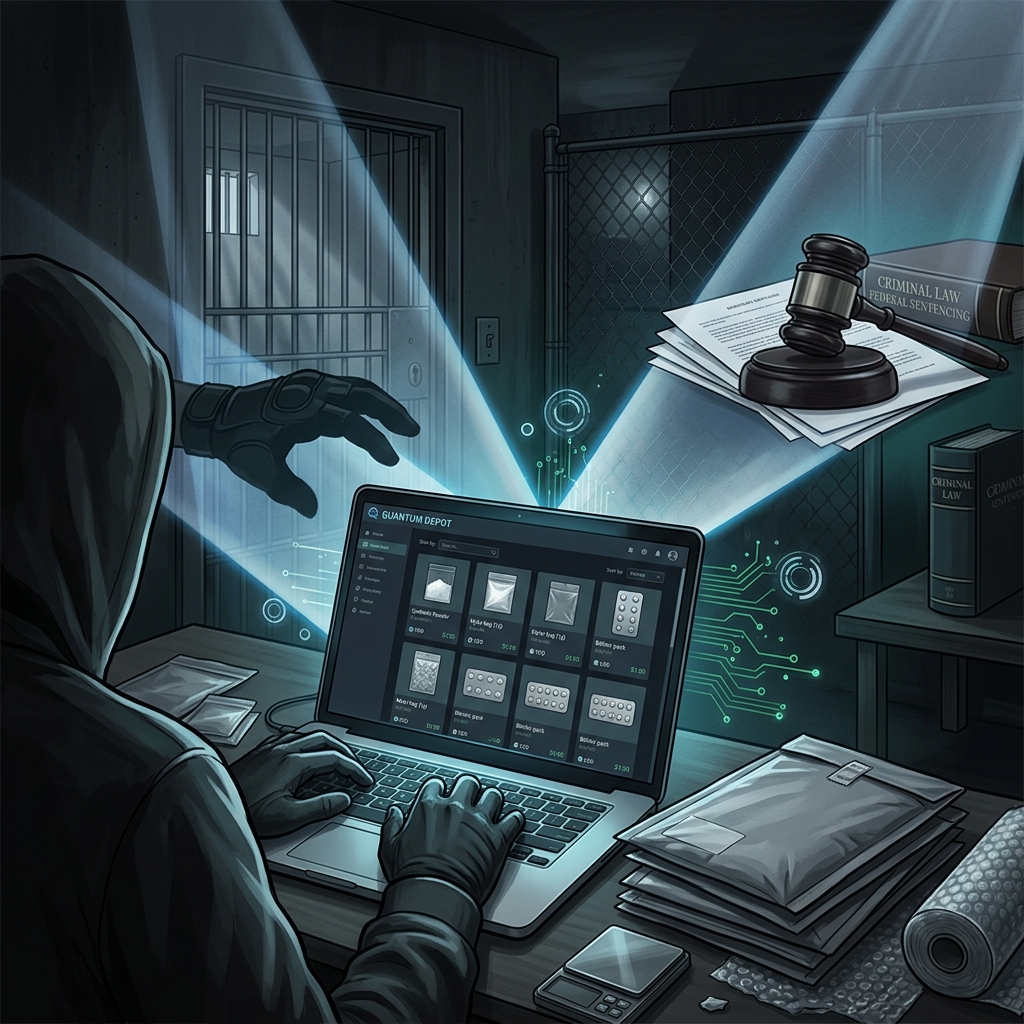
The internet has transformed how people communicate, shop, and work, but it has also become a powerful tool for illegal drug distribution. Selling drugs online is not a loophole or a gray area in the law—it is a serious criminal offense, often prosecuted as drug trafficking with significant prison time and fines.
This article explains how online drug sales are treated under criminal law, why controlled substances are strictly regulated, how law enforcement monitors digital platforms and the dark web, and what risks consumers face when buying drugs online.
Understanding Controlled and Illegal Drugs
In most jurisdictions, drugs are regulated according to their potential for abuse, medical use, and safety profile. In the United States, for example, the Controlled Substances Act classifies many drugs into schedules, with the strictest controls reserved for those that are highly addictive and have no accepted medical use.
What Makes a Drug “Illegal” or “Controlled”?
Generally, a substance is considered illegal or controlled when the government:
- Prohibits possession or sale entirely (for example, many synthetic recreational drugs).
- Allows limited medical use under strict prescription and dispensing rules (for example, opioid pain medications).
- Requires licensing and registration for any business that manufactures, imports, sells, or dispenses the substance.
Buying or selling these substances outside of the regulated system—especially online—can quickly become a criminal matter.
Examples of Commonly Misused Drugs in Online Markets
Several categories of drugs frequently appear in online illicit markets and illegal pharmacies:
- Opioid pain relievers such as oxycodone and hydrocodone, which carry a high risk of addiction and overdose.
- Sedatives and anti-anxiety medications like benzodiazepines (for example, Valium or Xanax), often sold without valid prescriptions.
- Stimulants such as Adderall or Ritalin, misused for performance enhancement or recreation.
- Illicit synthetic drugs including MDMA (ecstasy) and certain designer substances that are entirely prohibited.
Possessing, selling, or shipping these drugs without authorization can trigger charges that range from unlawful possession to drug trafficking.
How the Internet Enables Drug Distribution
Online platforms have changed the way illegal drugs are marketed and delivered. Sellers no longer rely solely on street-level transactions. Instead, they use a variety of digital tools to reach buyers locally and across borders.
Surface Web vs. Dark Web Channels
| Channel | Typical Features | Common Risks |
|---|---|---|
| Surface web (visible websites, social media) | Open websites, social media posts, messaging apps, and online classifieds used to advertise or coordinate sales. | High visibility; easier for law enforcement and platform operators to detect, shut down, and investigate. |
| Dark web (Tor and similar networks) | Hidden marketplaces accessible only through specialized software; often use cryptocurrency and encrypted communication. | Perceived anonymity but subject to intensive international enforcement operations and undercover investigations. |
Online Pharmacies and “Rogue” Drug Sites
Not all online drug sales occur in obvious criminal markets. Some websites present themselves as pharmacies but operate outside legal requirements. Government agencies refer to many of these as rogue pharmacies, especially when they:
- Sell prescription drugs without requiring a valid prescription from a licensed healthcare provider.
- Ship unapproved, counterfeit, or adulterated medications.
- Operate without proper state pharmacy licenses or federal registrations.
- Import drugs from foreign sources and distribute them domestically without authorization.
These sites can be dangerous for consumers and expose operators to serious regulatory and criminal penalties.
Legal Framework Governing Online Drug Sales
Online drug sales are governed by a combination of criminal statutes and regulatory laws. Authorities treat internet-based activity as simply another method of committing traditional drug crimes, rather than a separate category.
Criminal Drug Trafficking Laws Applied Online
When drugs are sold through websites, social media, or dark web marketplaces, prosecutors may bring charges such as:
- Distribution or trafficking of controlled substances, especially for repeated or large-volume sales.
- Conspiracy, when multiple individuals coordinate to purchase, package, ship, or launder proceeds from drug sales.
- Money laundering, where cryptocurrency or complex payment schemes are used to hide the origin of illegal profits.
- Importation offenses, if drugs are brought into the country and shipped to buyers without proper authorization.
In many cases, online drug trafficking carries mandatory minimum prison sentences and substantial fines, especially when large quantities or dangerous substances are involved.
Regulatory Authority Over Internet Drug Sales
In addition to criminal statutes, regulatory agencies such as the U.S. Food and Drug Administration (FDA) and the Drug Enforcement Administration (DEA) enforce laws that specifically address how drugs may be advertised, imported, and dispensed.
Under federal law, regulators can take action against:
- The sale of unapproved new drugs that have not passed safety and effectiveness review.
- Misbranded or counterfeit drugs that are falsely labeled or intentionally disguised.
- Dispensing prescriptions without a valid prescription, including situations where online questionnaires are used instead of proper medical evaluation.
Regulatory enforcement can involve warning letters, civil penalties, seizures of products, and referrals for criminal prosecution.
Federal Agencies Monitoring Online Drug Activity
Multiple agencies collaborate to track and disrupt drug sales occurring over the internet. Enforcement efforts focus both on protecting public health and on dismantling organized trafficking networks.
Role of the DEA
The DEA is responsible for enforcing controlled substance laws and regulations. In the online context, its activities include:
- Investigating illegal online pharmacies and sellers who ship controlled substances without proper registration.
- Issuing public alerts about dangerous counterfeit pills and fraudulent websites.
- Working with internet registries and domain providers to shut down sites engaged in illegal drug sales.
The DEA has warned that buying controlled substances online without a valid prescription may be punishable by imprisonment, and importing such medications into the country without authorization is a felony.
Role of the FDA and Other Partners
The FDA focuses on ensuring that medicines sold to consumers are safe, effective, and properly labeled. To address online drug sales, the agency has developed specific action plans to monitor websites and coordinate enforcement.
- Monitoring web-based pharmacies and related sites to detect unapproved or counterfeit drugs.
- Issuing warning letters and pursuing regulatory actions where significant health risks are identified.
- Collaborating with law enforcement to bring criminal cases when fraud, health threats, or large-scale violations occur.
Other entities, including the FBI and international partners, have carried out coordinated operations targeting dark web marketplaces, resulting in arrests and large seizures of drugs and illicit proceeds.
Dangers for Consumers Buying Drugs Online
Consumers may be drawn to online sources by low prices, convenience, or anonymity. However, purchasing drugs from illegal or unverified websites carries both health and legal risks.
Health Risks of Rogue Online Drug Sources
Medications obtained from illegal online sellers may be:
- Counterfeit — containing the wrong active ingredients or none at all.
- Contaminated or adulterated, produced in unsanitary conditions without quality control.
- Incorrectly dosed, with too much or too little of the active substance, increasing the risk of overdose or treatment failure.
- Lacking proper labeling, missing instructions, warnings, or expiration dates.
These dangers are compounded when the drugs in question are opioids, sedatives, or stimulants, which already carry significant risks of addiction, overdose, and adverse interactions.
Legal Liability for Buyers
Buying controlled substances online without a valid prescription is not only unsafe but may also violate criminal law.
- Purchasing certain drugs can lead to charges of unlawful possession or possession with intent to distribute, depending on quantity and circumstances.
- Importing medications from foreign sellers and having them shipped domestically without proper authorization may be treated as a felony.
- Using false information, forged prescriptions, or deceptive payment methods can expose buyers to additional fraud and identity-related charges.
Consumers may assume that risk lies only with the seller, but authorities can and do pursue buyers, especially when large quantities or particularly dangerous substances are involved.
Technology, Anonymity, and Enforcement Challenges
Online drug markets rely heavily on technologies intended to hide identities and transactions, including encryption, anonymous networks, and digital currencies. However, these tools also draw the attention of law enforcement agencies, which invest in specialized cybercrime capabilities.
Common Anonymity Techniques Used by Online Drug Sellers
- Encrypted messaging platforms to coordinate orders and delivery.
- Cryptocurrency payments to obscure money flows and avoid traditional banking oversight.
- Use of aliases and multiple domains to quickly replace websites that are shut down.
- Dark web marketplaces that require specialized browsers and routing technology to access.
While these strategies may complicate investigations, enforcement agencies have developed expertise in tracking patterns, infiltrating networks, and identifying key participants.
How Law Enforcement Responds
Law enforcement responses to online drug trafficking typically combine digital investigation and traditional policing methods:
- Monitoring suspicious websites and social media accounts for evidence of drug sales.
- Conducting undercover operations, including controlled purchases, to gather proof of illegal activity.
- Tracing shipments and payment records to identify organizers, suppliers, and high-level distributors.
- Working with foreign agencies to address cross-border trafficking and coordinated operations against dark web markets.
These efforts have led to substantial arrests and seizures, demonstrating that the perceived anonymity of digital drug markets is limited and fragile.
Legal Defense and the Importance of Professional Advice
Anyone accused of involvement in online drug sales faces complex legal issues. Evidence may include digital records, communications, shipping data, and financial transactions. Navigating these circumstances without professional assistance can be risky.
Why Legal Counsel Is Critical
- Assessment of charges: A lawyer can explain the specific criminal and regulatory violations you face and potential consequences.
- Evaluation of evidence: Digital evidence must be collected and handled lawfully; counsel can challenge improperly obtained information.
- Plea negotiations and sentencing: When appropriate, counsel may pursue plea agreements, cooperation, or mitigation strategies to reduce penalties.
- Understanding collateral consequences: Convictions can affect immigration status, professional licenses, and future employment.
Because drug offenses—especially those involving trafficking or large-scale online operations—carry harsh penalties, seeking legal advice promptly is essential.
Frequently Asked Questions
Is selling drugs online treated differently than selling drugs in person?
From a legal standpoint, selling drugs online is generally treated as another method of distribution or trafficking. The use of websites, apps, or dark web platforms does not reduce liability; in many cases, digital tools may even support additional charges such as conspiracy or money laundering.
Are online pharmacies always illegal?
No. Many online pharmacies operate legally and provide convenience comparable to traditional pharmacies. However, sites that sell prescription drugs without valid prescriptions, ship unapproved or counterfeit medications, or lack proper licenses are considered rogue pharmacies and may face regulatory and criminal enforcement.
Can buyers be prosecuted for ordering drugs from illegal websites?
Yes. Buyers who obtain controlled substances without a valid prescription or through illegal importation can be charged with offenses such as unlawful possession, importation, or participation in a trafficking scheme, depending on the circumstances.
How can someone identify a potentially illegal online pharmacy?
Possible warning signs include extremely low prices, lack of verified pharmacy licenses or DEA registration, absence of prescription requirements, foreign currency pricing, unfamiliar packaging, and medications that look different from those dispensed by reputable pharmacists.
What should I do if I am under investigation for online drug sales?
If you become aware of an investigation or charges related to online drug sales, you should seek experienced criminal defense counsel immediately. Avoid discussing the matter with others or on social media, and do not attempt to destroy or alter digital records, as this can lead to additional charges.
References
- Buying and Selling Illegal Drugs Online Is Never a Good Idea — D. Bass Law. 2013-10-01. https://www.dbasslaw.com/blog/2013/october/buying-and-selling-illegal-drugs-online-is-never/
- Legal Issues Related to Prescription Drug Sales on the Internet — Congressional Research Service. 2001-02-26. https://www.everycrsreport.com/reports/RS21711.html
- DEA Consumer Alert on Online Pharmacies — U.S. Drug Enforcement Administration. 2022-08-01. https://www.deadiversion.usdoj.gov/scams/consumer_alert.html
- Cyberpharmacies and the Role of the US Food and Drug Administration — S. A. Woodcock et al., Food and Drug Law Journal via PubMed Central. 2001-01-01. https://pmc.ncbi.nlm.nih.gov/articles/PMC1761882/
- Illicit Drugs and the Digital Marketplace — National Consumers League. 2022-02-15. https://nclnet.org/illicit-drugs-in-marketplace/
- DEA Issues Warning About Illegal Online Pharmacies — U.S. Drug Enforcement Administration. 2022-09-30. https://www.dea.gov/alert/dea-issues-warning-about-illegal-online-pharmacies
- FBI and Partners Target Online Drug Markets — Federal Bureau of Investigation. 2021-10-26. https://www.fbi.gov/news/stories/fbi-and-partners-target-online-drug-markets-102621
Similar Articles








Read full bio of Sneha Tete


