
Sleeping in Your Car at Rest Areas: Legal Rules
Navigate state laws on resting in your vehicle at rest stops—know limits, safe spots, and risks to avoid fines or arrests.
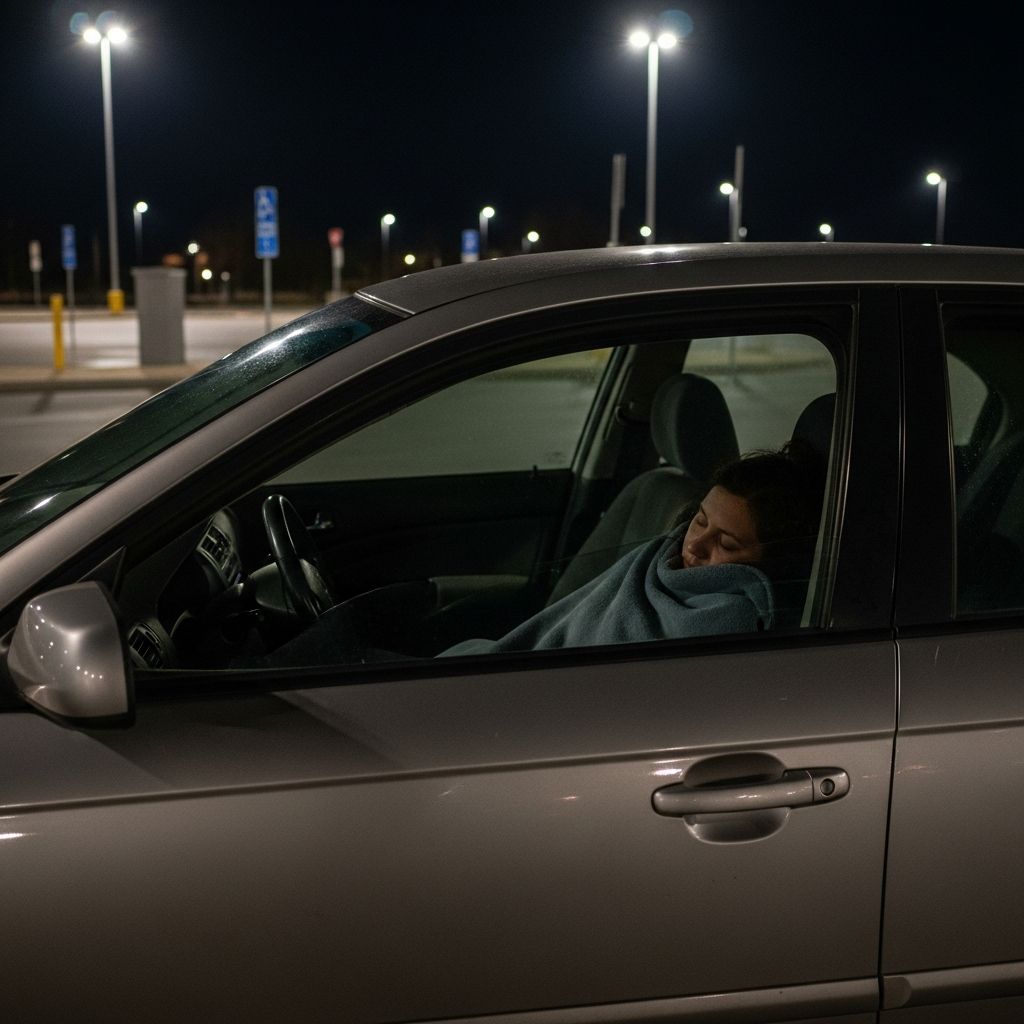
Rest areas serve as vital pit stops for weary drivers across the U.S., offering a place to recharge during long hauls. But when fatigue sets in, many wonder if pulling over to nap in their vehicle crosses legal lines. The short answer: it depends heavily on state regulations, location specifics, and how you interpret ‘resting’ versus ‘camping.’ This guide breaks down the nuances to help you rest legally and safely.
Understanding Nationwide Legality Basics
No federal statute outright bans or endorses sleeping in vehicles at rest stops. Instead, authority rests with individual states, which set their own parking durations, prohibitions, and enforcement priorities. Most states permit short-term vehicle rest to promote highway safety, aligning with federal encouragement for drivers to avoid fatigued operation.
Key distinction: sleeping inside your car is typically allowed and distinct from camping, which involves setting up chairs, grills, or tents outside. Officers may interpret external setups as camping, leading to citations even in permissive areas.
- Federal Role: The U.S. Department of Transportation supports rest areas for safety breaks but defers to states on overnight use.
- State Variations: Over 40 states allow some overnight vehicle parking; a handful impose strict no-sleep policies or short limits.
- Enforcement Factors: Time of day, vehicle type (car vs. RV), and posted signage dictate outcomes.
State-by-State Time Limits for Rest Area Parking
Regulations vary widely. Here’s a comparative overview of select states based on transportation codes and official guidelines:
| State | Max Parking Time | Key Restrictions | Source Notes |
|---|---|---|---|
| Texas | 24 hours | Allowed at rest stops; no camping. | Texas Transportation Code §545.411 |
| California | 8 hours in 24 | Designated areas only; no lampshade living. | Caltrans guidelines |
| Nevada | 24 hours | Extended rest permitted. | State DOT |
| North Carolina | 4 hours | Strictly enforced at rest stops. | Local statutes |
| Virginia | Prohibited | No overnight parking. | State policy |
| Wyoming | Indefinite (inside vehicle) | No external camping. | DOT rules |
| Colorado | Prohibited | No overnight stays. | Varies by site |
This table highlights patterns: Western states often lean lenient for safety, while some Eastern ones prioritize turnover. Always scan for on-site signs, as local DOTs update rules.
Permissible Parking Spots Beyond Rest Areas
When rest stops fall short, viable alternatives exist. Prioritize spots with implied or explicit permission to minimize risks.
- Truck Stops & Travel Plazas: Many welcome overnights, especially for RVs; chains like Flying J often designate areas.
- 24-Hour Retail (e.g., Walmart): Policies vary by store manager; apps like AllStays track friendly locations.
- Gyms & Casinos: 24-hour facilities may tolerate discreet parking if you’re a patron.
- Campgrounds & BLM Land: Paid sites or free public lands (check Recreation.gov) offer structured options.
- Private Property: Always secure owner consent to avoid trespass charges.
In Texas, for instance, Walmart lots and truck stops are commonly used, but urban ordinances may override.
High-Risk Locations to Steer Clear Of
Certain spots invite trouble, from tows to arrests. Common pitfalls include:
- Urban Streets & Residential Zones: Cities like Los Angeles ban vehicle sleeping outright; Dallas Code Sec. 31-13 prohibits street overnights.
- School Zones: Texas Transportation Code §545.302 bans parking here universally.
- Beaches & Parks: Environmental laws often equate car sleeping with camping, requiring permits.
- Unauthorized Private Lots: Risks criminal trespass (e.g., Texas Penal Code §30.05).
Avoid these to prevent fines ($100–$1,000+), towing fees, or escalated charges like DUI if intoxicated.
Practical Strategies for Safe, Legal Rest
Preparation enhances compliance and comfort:
- Pre-Trip Research: Use apps (iOverlander, Boondockers Welcome) or state DOT sites for real-time rules.
- Discreet Setup: Darken windows, stay inside, avoid cooking or lounging out—mimic a quick nap.
- Safety Measures: Lock doors, park in lit areas, travel in pairs if possible; have ID ready.
- Time Management: Set alarms to respect limits; rotate spots on multi-day trips.
- Vehicle Readiness: Ensure insurance, registration current; a clean interior deters suspicion.
For RVers, note that larger rigs may face stricter scrutiny at car-focused rest areas.
Potential Penalties and How to Respond
Violations range from warnings to serious consequences:
- Fines: $50–$500 typically for parking infractions.
- Towing & Impound: $200+ recovery fees.
- Criminal Charges: Trespass (misdemeanor), disorderly conduct, or DUI if impaired.
If approached by law enforcement, remain polite, provide documents, and comply. Contesting citations may require local legal advice, as defenses hinge on signage clarity or officer discretion.
Frequently Asked Questions
Is sleeping in a car ever federally illegal?
No, federal law neither permits nor prohibits it—states govern rest areas.
What’s the longest I can stay at a rest stop?
Varies: 24 hours in Texas/Nevada; 8 hours in CA/WA; check signs.
Can I sleep in my car on private property?
Yes, with owner permission; otherwise, it’s trespassing.
Are RVs treated differently at rest areas?
Often yes—designated spots may apply; no external camping.
What if a state bans overnight parking but the area is 24/7?
You can park for the max allowed time, even arriving at night, as long as no camping occurs.
Is it safe to sleep alone at rest stops?
Moderately; choose well-lit, busy areas and use safety tools like alarms.
Trends and Future Considerations
Rising van-life culture and remote work fuel demand for legal overnighting. States like California grapple with homelessness overlaps, tightening urban rules while preserving highway rest. Expect apps and signage to evolve for better traveler guidance. Always prioritize safety—fatigue kills roughly 6,000 annually per NHTSA data, underscoring rest’s importance.
(Word count: 1678)
References
- Is It Illegal to Sleep in Your Car? | State Laws & Safety Tips — DJC Law (teamjustice.com). 2024. https://teamjustice.com/is-it-illegal-to-sleep-in-your-car/
- Can You Sleep at a Rest Stop? A Guide to Overnight RV Parking — Neighbor.com. 2024. https://www.neighbor.com/storage-blog/can-you-sleep-at-a-rest-stop/
- Can you sleep in your car in rest areas? — EcoFlow US Blog. 2024. https://www.ecoflow.com/us/blog/guide-to-overnight-parking-at-rest-areas
- Which States Allow Overnight Parking in Rest Areas? — Boondockers Bible. 2024. https://www.boondockersbible.com/learn/which-states-allow-overnight-parking-in-rest-areas/
- Safety Roadside Rest Areas — California Department of Transportation (dot.ca.gov). 2025-02-01. https://dot.ca.gov/programs/design/lap-landscape-architecture-and-community-livability/lap-liv-h-safety-roadside-rest-areas
Similar Articles








Read full bio of Sneha Tete


