
Skinny Dipping Laws In The US: State Guide For 2025
Unravel the complex legality of nude swimming across US states, from public bans to private allowances and designated spots.
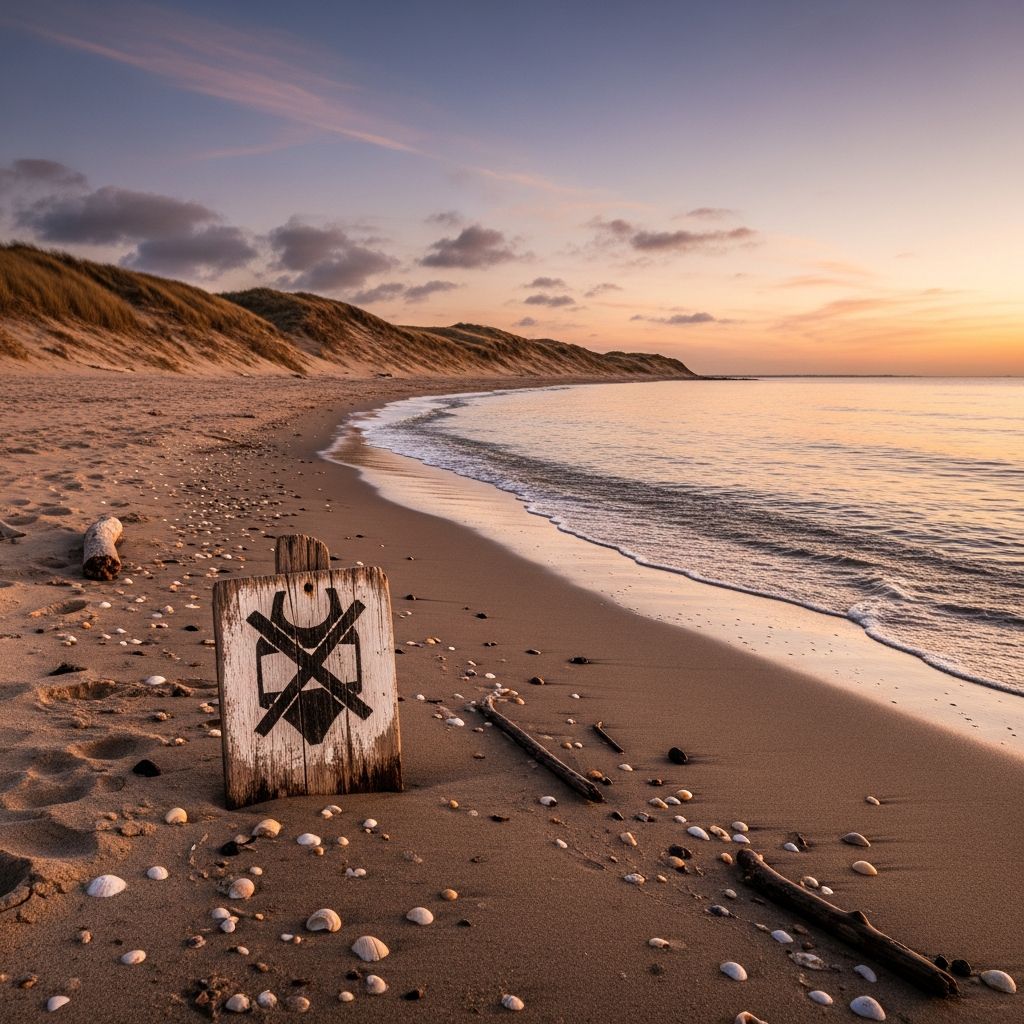
Nude swimming, commonly known as skinny dipping, occupies a gray area in American law, often intersecting with public indecency and exposure statutes that differ widely by jurisdiction. While the practice evokes images of carefree liberation, engaging in it without understanding local regulations can lead to fines, arrests, or misdemeanor charges. This article delves into the legal framework, highlighting key distinctions between public and private settings, state-specific variations, potential consequences, and sanctioned alternatives for those seeking a clothing-free aquatic experience.
Understanding the Core Legal Concepts
At its heart, skinny dipping legality hinges on definitions of public nudity and indecent exposure. Every U.S. state maintains laws prohibiting the intentional exposure of genitals in public spaces if it alarms or offends reasonable observers. These statutes aim to balance personal freedoms with community standards of decorum. For instance, mere nudity without lewd intent may not always trigger prosecution, but visibility to unwilling onlookers often does. Courts frequently assess the perpetrator’s purpose—recreational swimming versus sexual gratification—and the context, such as proximity to families or children.
Public indecency encompasses a broader category, potentially including fines up to $1,000 and jail time of 90 days in places like Minnesota for violations outside designated areas. Intent plays a pivotal role; a wellness-oriented dip might receive leniency, but repeated offenses or complaints escalate risks. Discretion remains key: secluded spots reduce visibility and thus legal exposure.
State-by-State Breakdown of Nudity Regulations
Laws vary dramatically across the nation, with no uniform federal prohibition on skinny dipping itself. Most states classify it under general public lewdness bans, but enforcement and exceptions differ.
| State | Key Rules on Skinny Dipping | Penalties | Notable Exceptions |
|---|---|---|---|
| Florida | Illegal unless lacking lewd intent; discretion advised near families. | Fines, possible misdemeanor. | Haulover Beach (clothing-optional). |
| Minnesota | Generally prohibited; indecent exposure charges apply. | Up to 90 days jail, $1,000 fine. | Two Creeks Campground, Oakwood Club. |
| Washington (Seattle) | Nudity decriminalized on First Amendment grounds at certain beaches. | Limited to affronting conduct. | Denny-Blaine Park. |
| Arizona | Prohibited if visible and offensive from private property. | Misdemeanor charges. | None statewide; private resorts only. |
| California | Local bans common; federal parks restrict adult nudity. | Varies by locality. | Limited landed nudist clubs. |
This table summarizes prominent examples, underscoring the patchwork nature of regulations. Southern states like Florida permit designated nude beaches, while northern ones like Minnesota confine legality to private adult-oriented campgrounds.
Private Property: A Safer Haven?
On one’s own land, skinny dipping enjoys greater leeway, but visibility to neighbors or passersby can invite trouble. High fences, hedges, or nighttime hours enhance privacy, rendering it generally permissible if no public view exists. However, statutes like Arizona’s indecent exposure law extend to ‘seemingly private’ acts observable from public vantage points, such as a backyard pool glimpsed over a low wall.
- Ensure seclusion: Use natural barriers or structures to block lines of sight.
- Check local ordinances: Homeowners’ associations or city codes may impose stricter nudity bans.
- Avoid complaints: Even legal acts can prompt police warnings if reported.
Naturist resorts offer a foolproof alternative, where nudity is not just tolerated but expected. Resources like official nudist directories list vetted sites nationwide, minimizing legal risks while fostering community.
Potential Consequences and Enforcement Realities
Violations typically result in misdemeanors rather than felonies, with first-time offenders often receiving citations or verbal admonishments, especially sans lewd behavior. Repeat incidents or proximity to minors heighten severity, potentially leading to sex offender registration in extreme cases. Police discretion factors heavily; innocent, non-confrontational dips may end in a simple cover-up order.
In high-profile areas like national parks, federal rules supersede state law, banning adult nudity outright. Protests or mass events have occasionally challenged these, as in Seattle, where court rulings struck down blanket bans. Always prioritize research over assumption—local signage or apps detailing clothing-optional zones provide indispensable guidance.
Historical Context and Cultural Shifts
Skinny dipping predates modern swimwear, rooted in ancient practices where nudity symbolized purity and nature connection. Victorian-era prudishness criminalized it, but 20th-century naturism movements pushed back, establishing beaches and clubs. Today, polls indicate growing acceptance: a 2006 survey found 74% of Americans support nude sunbathing at designated public beaches, signaling potential for reform.
Topfreedom—female toplessness—further complicates matters, explicitly banned in only three states (Indiana, Tennessee, Utah), with ambiguity elsewhere. This evolution reflects broader debates on body positivity versus public order.
Finding Legal and Welcoming Spots
For enthusiasts, designated venues eliminate uncertainty:
- Beaches: Haulover (FL), Black’s Beach (CA, though access restricted).
- Campgrounds: Two Creeks (MN), Oakwood Club (MN)—adults-only, seasonal.
- Lakes: Select spots near Lake Superior (MN), though cold waters and spotty legality deter many.
- Resorts: Nationwide networks via naturist organizations.
Verify current status, as permissions fluctuate with local politics or ownership changes.
Frequently Asked Questions (FAQs)
Is skinny dipping ever completely legal in public waters?
Yes, at officially designated clothing-optional beaches or private nudist facilities, where local laws explicitly permit it.
Can I skinny dip on my private lake or pond?
If fully enclosed and invisible to the public, yes; public-access waterways trigger indecency laws regardless of ownership.
What if no one complains—am I safe?
Not necessarily; police can charge based on likelihood of offense, even without direct witnesses.
Are there federal laws against it?
No nationwide ban, but national parks and federal lands enforce strict no-nudity policies.
How has enforcement changed recently?
Trends favor discretion over arrest for non-lewd acts, with naturism gaining tolerance in progressive areas.
Practical Tips for Safe Skinny Dipping
To enjoy without jeopardy:
- Research via state statutes or nudist apps before disrobing.
- Opt for overcast or late hours in semi-private spots.
- Secure belongings away from water’s edge.
- Join organized groups for shared liability.
- Respect others—ask permission in group settings.
By adhering to these, participants minimize risks while embracing the activity’s joys.
References
- Is Skinny Dipping Illegal? What You Need to Know — Utopia.org. 2023. https://utopia.org/guide/is-skinny-dipping-illegal-what-you-need-to-know/
- It’s Legal To Skinny Dip at These Minnesota Campgrounds — ESPNSiouxFalls. 2024-05-15. https://espnsiouxfalls.com/ixp/717/p/its-legal-to-skinny-dip-at-these-minnesota-campgrounds/
- Skinny Dipping Guidance — The Bluetits. 2023. https://thebluetits.co/pages/skinny-dipping-guidance
- Naturism in the United States — Wikipedia (referencing TNS/NEF sources). 2025-01-10. https://en.wikipedia.org/wiki/Naturism_in_the_United_States
- Is it illegal to be nude on your property? — Matthew Lopez Law, PLLC. 2024. https://matthewlopezlawyer.com/blog/is-it-illegal-to-be-nude-on-your-property/
Similar Articles








Read full bio of medha deb


