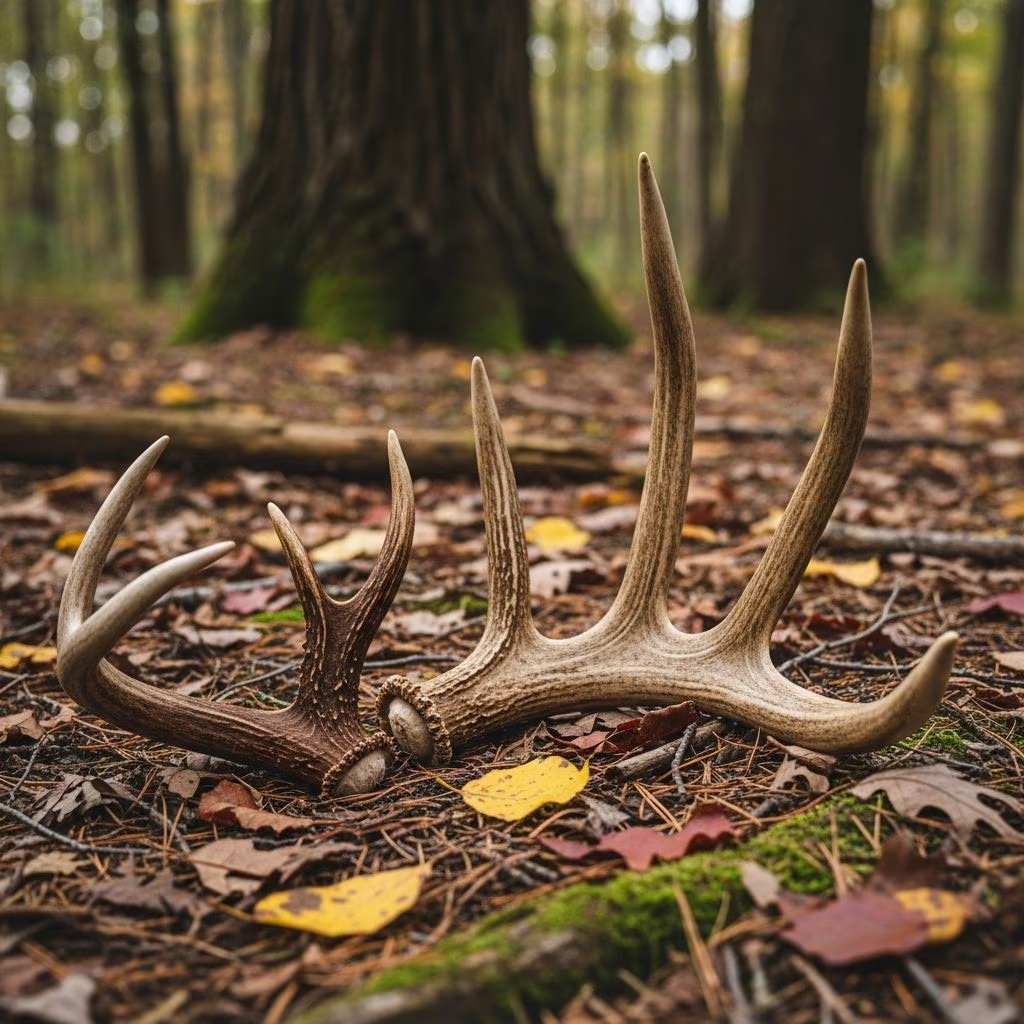
The pursuit of naturally shed antlers from animals like deer, elk, and moose captivates outdoor enthusiasts seeking a low-impact way to connect with nature. This activity, known as shed hunting, offers adventure without firearms or tags, blending scouting skills with treasure hunting in wild landscapes.
Understanding the Appeal of Collecting Shed Antlers
Shed hunting draws participants for its blend of physical challenge and natural rewards. Antlers drop annually as male cervids—deer family members—regrow larger sets each year. Collectors prize them for crafts, dog chews, or displays, fostering a market that values unique sizes and shapes. Beyond trophies, it sharpens observation skills useful for future hunts, revealing animal patterns in bedding areas, trails, and feeding zones.
Participants often describe the rush of spotting a weathered rack half-buried in snow or grass. It promotes family outings or solo treks, emphasizing patience over speed. In regions with abundant herds, like the American West, it becomes a rite of spring, signaling winter’s end.
Seasonal Patterns: When and Why Antlers Drop
Antler shedding ties to biological cycles influenced by daylight, testosterone drops, and physical stress. For whitetails, late December to early March marks peak shedding; elk follow from January to April, varying by latitude and nutrition. Bulls in poor condition shed earliest, while healthy ones hold racks longer.
Winter confines animals to lower elevations with accessible forage, concentrating sheds in south-facing slopes, valleys, and migration paths. Snowmelt reveals these spots first, but early searches risk disturbing calorie-strapped herds. Optimal timing balances find rates with wildlife welfare, typically mid-spring post-migration.
Prime Locations for Successful Searches
- Winter Ranges: Valleys and hillsides where elk and deer cluster for food and shelter.
- Game Trails and Funnels: Narrow passages, fence lines, or creek bottoms where animals brush against obstacles, dislodging antlers.
- Bedding and Feeding Zones: Edges of meadows, thickets, or rubs from velvet removal.
- Migration Corridors: Paths from high winter grounds to summer ranges, often along rivers or ridges.
Scout via maps or apps for public lands, avoiding private property without permission. Glassing distant meadows prevents spooking groups, preserving their energy reserves.
Mastering Search Techniques for Beginners and Pros
Effective shed hunting demands strategy over luck. Start with binoculars to scan open areas, noting fresh sign like tracks, scat, or beds—these signal recent activity and nearby drops.
Employ the grid method: divide terrain into sections, walking zigzags 10-20 yards apart. Focus on transitions—brush to open ground—or snags like downed logs. In thick cover, poke poles ahead to uncover hidden prizes without startling unseen animals.
| Technique | Best For | Pro Tip |
|---|---|---|
| Grid Walking | Open fields | Maintain steady pace, scan 45 degrees ahead. |
| Sign Tracking | Wooded trails | Follow rubs or scrapes uphill from water. |
| Glassing | Meadows | Use early light for shadows highlighting bone. |
| Pole Probing | Thickets | Extend reach to avoid thorns and surprises. |
Practice hones instincts; veterans claim 80% success from repeated visits to known hotspots.
Necessary Gear for Safe and Productive Outings
Minimalism suits shed hunting, prioritizing mobility. Essentials include sturdy boots for rugged terrain, layered clothing for variable weather, and a backpack for water, snacks, and finds. Binoculars (8-10x) magnify distant glints; trekking poles aid balance and probing.
- Gloves: Protect hands from sharp tines and bacteria.
- Orange vest: Visibility on shared lands.
- GPS or app: Mark spots, avoid getting lost.
- Rope or pack straps: Sling heavy racks hands-free.
For multi-day trips, add tent, stove, and satellite communicator in remote areas. Hydration and trash removal underscore Leave No Trace principles.
Navigating State-Specific Legal Frameworks
Shed hunting enjoys broad legality as it targets cast-off material, not live game. However, regulations protect wintering wildlife, with closures in crucial habitats. Always verify via state fish and wildlife sites.
In Colorado, Parks and Wildlife enforces seasonal bans on winter ranges, opening mid-April to curb energy drain on elk. Violations draw fines for trespassing sanctuaries.
Utah‘s Division of Wildlife Resources mandates an annual online ethics course for February-April collection, promoting responsible access.
Idaho Fish and Game urges post-snowmelt hunts, stressing no pressure on lingering herds. Nevada mirrors this, viewing it as scouting for habitat insights.
Prohibitions universally ban deadheads (skulls with attached antlers) and traps, which harm live animals. Private land rules demand owner consent; drones for spotting often violate aerial hunting bans.
Ethical Dimensions and Wildlife Conservation
Beyond laws, ethics define responsible participation. Winter-weakened cervids burn fat fleeing intruders, risking starvation—especially pregnant females. Seven Western states limit access to proven winter grounds, backed by studies showing disturbance elevates mortality.
Delay searches until herds ascend, minimizing tracks in mud that erode trails. Pack out micro-trash; report poaching. Ethical hunters scout silently, prioritizing herd health over hauls.
The antler trade booms, fueling overharvest, but sustainable practices sustain populations. Agencies like Colorado Parks and Wildlife note rising trespass amid demand for decor.
Health and Safety Protocols in the Field
Remote pursuits carry risks: hypothermia, dehydration, or encounters with bears drawn to carcasses. Travel in pairs, share itineraries, and carry first-aid kits. Ticks and burrs lurk in grass; Lyme disease prevention demands checks and repellents.
Antlers harbor bacteria; clean with bleach solutions. Heavy loads strain backs—use sleds in snow.
From Finds to Finished Products: Creative Uses
Sheds inspire artisanry: chandeliers, knife handles, furniture accents. Market prices soar for large elk sets, supporting rural economies. Dog owners boil them into chews, nutrient-rich and splinter-free.
Preserve by sealing ends, avoiding direct sun. Display rotates annually, celebrating nature’s cycle.
Frequently Asked Questions
Is shed hunting legal everywhere in the U.S.?
Generally yes, but with state-specific closures on winter ranges. Check your wildlife agency’s site for dates and zones.
What animals are best for shed hunting?
Deer, elk, and moose yield the largest, most sought-after antlers due to size and abundance.
Do I need a license for shed hunting?
No license required in most states, as it’s not harvesting live game. Utah requires an ethics course.
Can I sell found antlers?
Yes, interstate sales face no federal bans, but verify state commerce rules.
How do I avoid disturbing wildlife?
Hunt post-migration, use optics first, and stick to trails.
References
- Elk Scouting and Shed Hunting — Broadmouth Canyon Ranch. 2023. https://www.utahelkhunt.com/blog/elk-scouting-and-shed-hunting
- The Art of Shed Hunting: Tips and Tricks for Finding Deer Sheds — Elevation Equipped. 2024. https://elevationequipped.com/the-art-of-shed-hunting-tips-and-tricks-for-finding-deer-sheds/
- Is shed hunting ethical? — High Country News. 2024-01-15. https://www.hcn.org/issues/52-3s/special-recreation-is-shed-hunting-ethical/
- Shed Hunt Responsibly — Idaho Department of Fish and Game. 2025-03-20. https://idfg.idaho.gov/article/shed-hunt-responsibly-just-because-snow-has-melted-doesnt-mean-winter-over-elk-and-deer
- Summary – Shed Antler — Hunter-ed.com (Nevada). 2024. https://www.hunter-ed.com/nevada-shed-antler/studyGuide/Summary/223034_214781/