
Sham Marriages: 4 Essential Proofs To Pass USCIS Review In 2025
Unpacking the legal definition, detection methods, severe penalties, and prevention strategies for fraudulent marriages in US immigration processes.
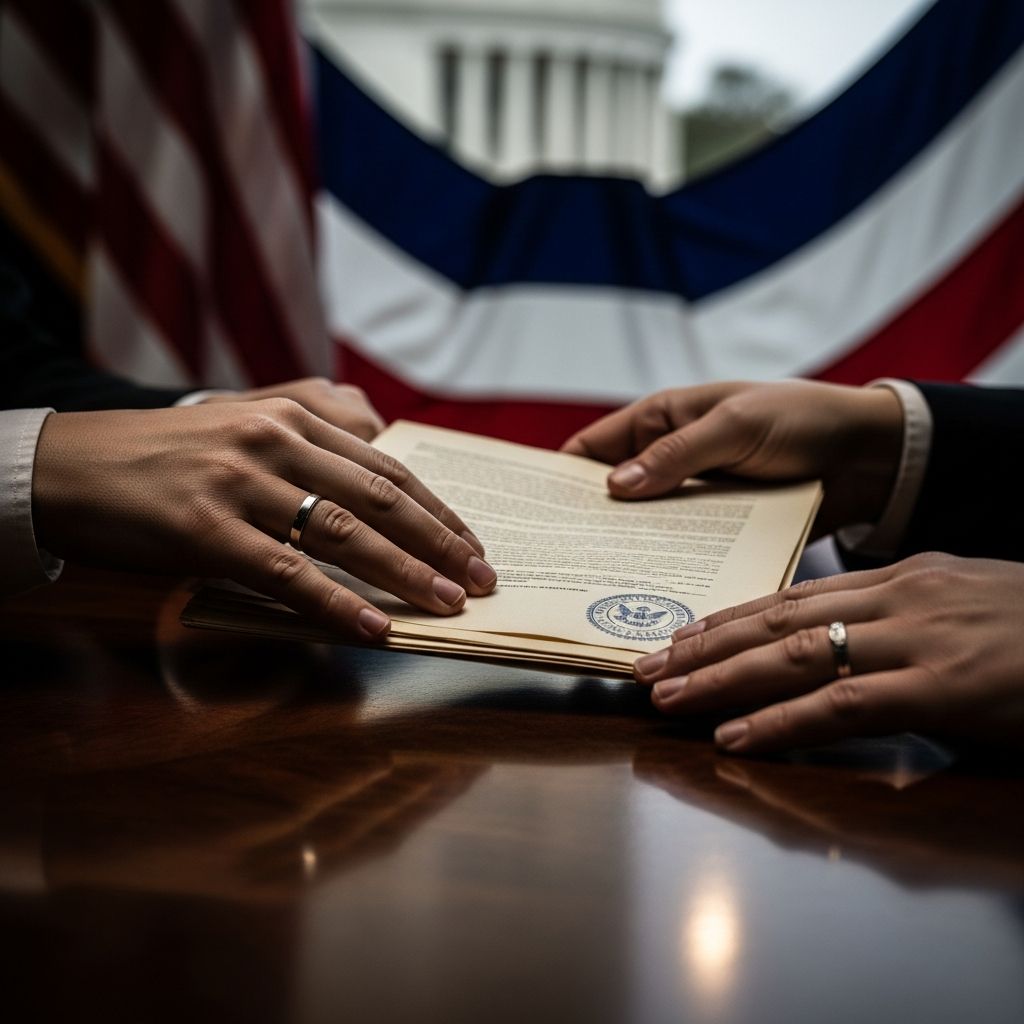
Sham marriages represent a significant challenge in US immigration enforcement, where unions are formed not out of mutual commitment but to secure residency benefits. These arrangements undermine the integrity of the immigration system and carry substantial legal risks for all involved parties. This article delves into the nuances of what constitutes a sham marriage, the mechanisms used by authorities to identify them, the dire repercussions, and practical advice for authentic couples navigating the process.
Defining Fraudulent Unions in Immigration Law
A sham marriage occurs when individuals enter a marital relationship primarily to evade immigration restrictions, lacking any genuine intent to build a shared life. Unlike legitimate partnerships grounded in emotional bonds, these are often transactional, with one party—typically a US citizen or permanent resident—facilitating the other’s green card application in exchange for payment or other benefits.
US law distinguishes these from bona fide marriages by focusing on intent at the time of marriage. The Immigration Marriage Fraud Amendments of 1986 introduced safeguards like conditional permanent residency, requiring couples to prove their relationship’s authenticity after two years. If fraud is suspected, petitions face denial under Section 204(c) of the Immigration and Nationality Act, creating a permanent bar to future immigration benefits.
Variations include outright sham marriages where both parties acknowledge the fraud, one-sided deceptions where only one knows the true motive, and arrangements orchestrated by criminal networks. Even if the marriage meets state legal requirements, federal immigration scrutiny centers on the absence of a real spousal relationship.
How USCIS Identifies Suspicious Marriages
US Citizenship and Immigration Services (USCIS) employs rigorous methods to detect fraud. Initial red flags arise during I-130 petition reviews, where discrepancies in documents, such as mismatched timelines of relationship milestones or implausible age differences, trigger deeper investigation.
Interviews form the cornerstone of verification. Couples may face separate “Stokes interviews,” where officers probe details like daily routines, finances, and intimate habits. Inconsistencies, evasive answers, or lack of shared knowledge often signal fraud. Home visits by the Fraud Detection and National Security (FDNS) directorate provide unannounced checks, observing living conditions and interactions.
- Document Analysis: Affidavits from friends and family, joint financial records, and photos spanning the relationship’s history.
- Behavioral Cues: Large age gaps, rapid courtships, or prior immigration violations.
- Community Tips: Reports from acquaintances forwarded to embassies, as seen in protocols from the US Embassy in the Dominican Republic.
Advanced tools, including data analytics and cross-referencing with law enforcement databases, enhance detection rates. In fiscal year 2009, while only 0.2% of petitions were denied for fraud, modern techniques have intensified scrutiny.
Legal Consequences for Participants
Engaging in marriage fraud triggers multifaceted penalties under federal law. For US citizens, it’s a felony punishable by up to five years in prison and fines reaching $250,000 per 8 U.S.C. § 1325(c) and 18 U.S.C. § 1546. Foreign nationals face immediate deportation, permanent inadmissibility, and bars on re-entry, extending to children in some cases.
| Party Involved | Primary Penalties | Long-Term Impact |
|---|---|---|
| US Citizen/Resident | Prison (up to 5 years), Fines ($250,000) | Criminal record, potential loss of professional licenses |
| Foreign National | Deportation, Visa Denial | Permanent fraud finding under INA §204(c), lifetime ban |
| Both Parties | Joint Prosecution | Section 204(c) bar on all future petitions |
A Section 204(c) determination is indelible, blocking not just spousal petitions but employment-based (I-140) and VAWA self-petitions indefinitely, regardless of subsequent genuine relationships. Criminal enterprises facilitating these schemes face amplified charges, including conspiracy.
Historical Context and Prevalence
Sham marriages surged with accessible international travel and citizenship-by-marriage pathways post-World War II. From 1998-2007, 2.3 million marriage-based green cards were issued, comprising 25% of total green cards in 2007, highlighting the pathway’s appeal and vulnerability.
Globally, similar issues persist; the UK Home Office estimated 4,000-10,000 annual sham marriages in 2013, prompting clergy advisories against non-EU unions without licenses. In the US, while exact figures are elusive due to underreporting, low denial rates mask sophisticated detection, with community vigilance playing a key role.
Proving a Genuine Relationship: Essential Strategies
Legitimate couples can fortify their applications with comprehensive evidence. Start early by documenting the relationship’s progression through photos, travel records, and communications predating the marriage.
Joint assets like bank accounts, leases, insurance policies, and utilities in both names demonstrate commingled lives. Affidavits from unbiased witnesses detailing observed interactions add credibility. For long-distance relationships, consistent visits and virtual evidence help bridge gaps.
- Gather
chronological evidence
from courtship to present. - Maintain
financial interdependence
via shared obligations. - Prepare for interviews with
aligned narratives
on personal details. - Respond promptly to
Requests for Evidence (RFEs)
with originals.
Couples with conditional residency must file Form I-751 to remove conditions, submitting updated proof of ongoing bona fide status. Delays or weak evidence invite fraud probes.
International Dimensions and Reporting Fraud
Sham marriages often originate abroad, complicating consular processing. US embassies scrutinize visa interviews, cross-checking with domestic data. Tips from communities are encouraged; the State Department provides channels like fraude@state.gov for reporting suspected cases.
Victims of one-sided fraud, such as unwitting US citizens, should report promptly to mitigate personal liability and aid enforcement. Cooperation can lead to leniency, though permanent records persist.
Frequently Asked Questions (FAQs)
What evidence convinces USCIS of a real marriage?
Joint finances, shared residence proofs, photos over time, and consistent interview responses are key. Affidavits from witnesses strengthen cases.
Can a prior sham marriage bar future green cards?
Yes, INA Section 204(c) imposes a lifetime bar on visa petitions if fraud is found, irrespective of time passed or new relationships.
Is paying for a marriage always fraud?
No, gifts or expenses in genuine marriages are fine, but direct payment for immigration benefits constitutes fraud.
How common are home visits by USCIS?
Targeted at high-risk cases via FDNS; they verify cohabitation unannounced.
What if only one spouse knew it was fraudulent?
The deceived party may withdraw the petition; the other faces full penalties, including deportation.
Navigating Immigration Marriage Successfully
For those in authentic relationships, transparency and preparation are paramount. Consult accredited immigration attorneys early to tailor evidence packages. Avoid shortcuts; the system’s safeguards protect legitimate paths while deterring abuse.
Recent Board of Immigration Appeals decisions from 2019-2021 reinforce strict sham marriage standards, emphasizing intent over formalities. Staying informed on policy updates ensures compliance amid evolving enforcement.
In summary, while marriage offers a vital immigration avenue—responsible for millions of lawful entries—fraud erodes trust. Genuine couples thrive by building irrefutable records of commitment, sidestepping pitfalls that doom deceptive unions.
References
- Sham Marriage: Understanding Its Legal Definition and Implications — USLegalForms. Accessed 2026. https://legal-resources.uslegalforms.com/s/sham-marriage
- Sham marriage – Wikipedia — Wikipedia. Accessed 2026. https://en.wikipedia.org/wiki/Sham_marriage
- Sham Marriage — U.S. Embassy & Consulate in the Dominican Republic. Accessed 2026. https://do.usembassy.gov/sham-marriage/
- Consequences of Marriage Fraud for Immigration Purposes — Immigration Lawyers TX. Accessed 2026. https://www.immigrationlawyerstx.com/blog/marriage-family-visa/consequences-of-marriage-fraud-for-immigration-purposes/
- Practice Advisory: Sham Marriages and Marriage Fraud — Catholic Legal Immigration Network, Inc. (CLINIC). Accessed 2026. https://www.cliniclegal.org/resources/family-based-immigration-law/spousal-petitions/practice-advisory-sham-marriages-and
- 1948. Marriage Fraud — 8 U.S.C. 1325(c) And 18 U.S.C. 1546 — U.S. Department of Justice. Accessed 2026. https://www.justice.gov/archives/jm/criminal-resource-manual-1948-marriage-fraud-8-usc-1325c-and-18-usc-1546
Similar Articles








Read full bio of medha deb


