
Senior Driving Rights and Safety in Oklahoma
Understanding licensing, restrictions, and safety measures for mature drivers in Oklahoma.
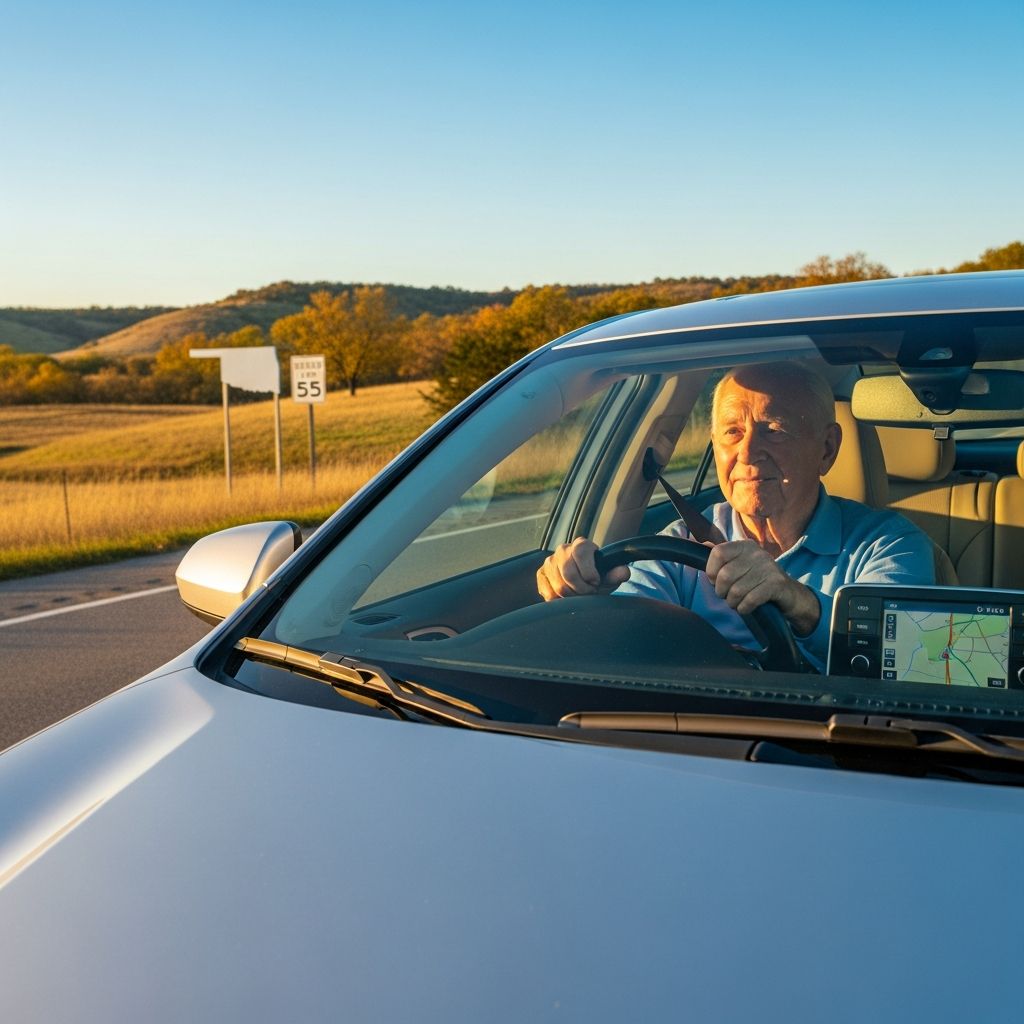
Navigating Driving Regulations for Mature Adults in Oklahoma
Oklahoma maintains a relatively straightforward approach to regulating drivers across all age groups, with the state’s Department of Public Safety (DPS) emphasizing that no special driving restrictions are imposed solely based on a person’s age. However, older adults operate within the same licensing framework as younger drivers, and understanding these requirements becomes increasingly important as individuals advance in years. The regulations that apply to mature drivers often have particular relevance for those managing age-related health changes or physical limitations that may affect their ability to operate vehicles safely.
License Renewal Requirements for Mature Drivers
Oklahoma requires all drivers, regardless of age, to renew their driving privileges on a consistent schedule. The state operates on a four-year renewal cycle, meaning that drivers must complete the renewal process either in person at a DPS office or through mail correspondence every four years. This renewal schedule applies uniformly to all license holders, ensuring that driver information remains current and that the state can reassess driver qualifications at regular intervals.
Vision Assessment Procedures
Visual acuity represents one of the most critical factors in safe vehicle operation, and Oklahoma incorporates vision testing into its renewal process. When drivers renew their licenses, the DPS conducts a vision test at no cost to the applicant. DPS personnel perform this initial screening using standard procedures. However, if the results suggest that a more comprehensive evaluation is necessary, drivers may need to obtain additional testing from a qualified optometrist or ophthalmologist. The results of these professional evaluations must be documented in a Visual Screening Report and submitted to the DPS for their records. This two-tiered approach allows the state to identify potential vision problems while also providing pathways for drivers to obtain professional assessments when initial screening indicates concerns.
Additional Testing at Discretionary Intervals
Beyond the standard vision requirement, Oklahoma law grants DPS personnel the authority to require written examinations or practical road tests at their discretion. This discretionary authority allows the state to conduct more thorough evaluations when circumstances warrant additional assessment. Mature drivers may be asked to demonstrate their knowledge of traffic laws or their ability to operate a vehicle safely under real-world conditions. These tests serve as protective measures to ensure that drivers maintaining their licenses continue to meet basic safety standards.
License Restrictions and Conditional Driving Privileges
The Oklahoma DPS has the power to impose specific restrictions or conditions on a driver’s license when doing so promotes highway safety and protects the public. These restrictions are not punitive in nature but rather represent practical accommodations that allow individuals to continue driving while addressing identified limitations or medical conditions.
The most frequently imposed restriction for mature drivers involves the mandatory use of corrective lenses. If vision testing reveals that a driver requires glasses or contact lenses to meet minimum visual acuity standards, the DPS will annotate the license to reflect this requirement. Drivers subject to this restriction must wear their prescribed corrective lenses whenever operating a vehicle.
Beyond vision-related restrictions, the DPS may impose additional conditions tailored to individual circumstances. These might include limitations on the types of vehicles a person may operate, restrictions on driving during certain hours (such as prohibitions on nighttime driving if vision problems are more pronounced in low-light conditions), or geographic limitations confining driving to familiar areas near home. Such customized restrictions allow older adults who might otherwise lose their driving privileges entirely to maintain limited operating privileges that accommodate their specific capabilities.
Medical Evaluation and Reporting Mechanisms
Oklahoma provides multiple pathways through which concerns about a driver’s capability can be raised to the Department of Public Safety. This inclusive reporting system recognizes that information about potentially unsafe drivers may come from various sources, and the state encourages reporting from anyone with direct knowledge of concerning driving behaviors or medical conditions.
Who Can File a Report
Family members, medical professionals, law enforcement officers, or concerned citizens who have personal knowledge of a driver’s unsafe conduct or condition may submit a report to the Oklahoma DPS. This broad authorization reflects the understanding that safety concerns may be identified by people in various relationships to the driver. A physician treating a patient may recognize medical conditions affecting driving ability; family members may observe behavioral or physical changes; or witnesses to dangerous driving incidents may feel compelled to report their concerns.
Filing a Report with the Department of Public Safety
To submit a report about a potentially unsafe driver, an individual must prepare a written letter containing the following information:
- The name and identifying information of the driver in question
- Specific, detailed reasons for the concern about driving safety
- Examples of incidents or observations supporting the report
The letter should be mailed to:
Oklahoma Department of Public Safety
3600 North Martin Luther King Ave.
Oklahoma City, OK 73111
Medical Examination Requirements
When the DPS receives a report expressing concern about a driver’s safety, the agency may require that the individual undergo a medical evaluation conducted by a licensed physician or other qualified medical professional. The medical professional performing this examination must complete and return a Medical Examination Form to the DPS within 60 days of conducting the evaluation. This form documents the findings of the examination and allows medical professionals to provide objective information about the person’s physical and mental capacity to operate a vehicle safely. The structured timeline ensures that evaluations occur promptly and that information reaches the DPS in a timely manner for decision-making purposes.
Disability Parking Accommodations
Older adults experiencing mobility limitations may qualify for special parking accommodations that reduce the physical demands of accessing businesses and services. Oklahoma’s DPS issues disabled person parking placards and license plates to individuals whose medical conditions impair their mobility.
Eligibility Criteria
To qualify for a disability placard or plate, an individual must meet specific criteria documented by a licensed medical practitioner. Eligible conditions generally include:
- Severe arthritis or joint conditions limiting walking ability
- Heart or lung disease causing shortness of breath with exertion
- Neurological conditions affecting mobility or balance
- Permanent loss or significant impairment of a limb
- Paralysis or severe spinal cord injuries
- Conditions requiring the use of mobility devices such as wheelchairs, walkers, or canes
Application Process
Obtaining a disability placard or plate requires the following steps:
- Consult with a licensed medical practitioner who can evaluate your mobility limitations
- Request that the medical professional complete the necessary documentation certifying your disability status
- Obtain the Application for Disability Parking Placard or Plate from the Oklahoma DPS
- Submit the completed application along with medical certification to the DPS
- Pay any applicable fees (if required)
- Receive your placard or plate from the DPS
Once issued, disability placards and plates must be displayed in designated areas of vehicles to indicate to parking enforcement and the public that the vehicle’s operator or passenger has mobility limitations qualifying them for accessible parking spaces.
Liability Considerations for Accidents Involving Mature Drivers
When accidents occur involving older drivers, Oklahoma applies its modified comparative fault system to determine liability and assign responsibility for damages. Unlike some states that might consider age itself as a factor, Oklahoma law focuses on actual negligence and fault rather than age-based presumptions.
How Fault is Determined
Under Oklahoma’s comparative fault framework, liability in accidents is determined by examining each driver’s degree of responsibility for the collision. Age alone does not establish fault; rather, courts and insurance companies examine evidence including:
- Traffic violation records and whether either driver violated laws or traffic rules
- Police accident reports documenting the circumstances of the collision
- Eyewitness testimony from individuals who observed the accident
- Physical evidence from the scene, including vehicle damage patterns and skid marks
- Medical evidence regarding any impairment or inability to perceive hazards
- Expert analysis of the accident mechanics and causation
The 50% Rule and Recovery Limitations
Oklahoma’s modified comparative fault system includes a critical threshold known as the 50% rule. This provision states that if a claimant is found to be 51% or more responsible for the accident, they cannot recover any damages from the other party. Conversely, if a claimant bears 50% or less of the fault, they may recover damages from the other driver, though their recovery will be reduced by their percentage of fault. For example, if an older driver is found 30% at fault in an accident causing $100,000 in damages, they could recover $70,000 (70% of the total damages).
Safety Resources and Educational Opportunities
Oklahoma recognizes the importance of supporting mature drivers in maintaining safe driving practices as they age. Several resources exist to help older adults assess their driving capabilities and enhance their skills.
Defensive Driving Courses
Organizations such as AARP and the Oklahoma Safety Council offer specialized defensive driving courses designed specifically for mature drivers. These courses address age-related changes in perception, reaction time, and decision-making while teaching strategies to compensate for these changes. Participants learn about new vehicle safety features, defensive techniques for common accident scenarios, and how to recognize when driving abilities may be declining. Many insurance companies offer premium discounts for drivers who complete approved safety courses, providing both safety benefits and financial incentives.
Professional Assessment Services
Geriatric care managers and occupational therapists specializing in driving assessment can provide professional evaluations of driving capability. These professionals conduct comprehensive assessments examining vision, reaction time, cognitive function, physical mobility, and medication effects. Their objective evaluations can help families and individuals make informed decisions about whether continued driving is appropriate or whether alternative transportation should be arranged.
Resources for Additional Information
The Oklahoma Department of Public Safety maintains comprehensive resources for all drivers, including a downloadable Driver’s Manual that explains licensing requirements, vehicle registration procedures, and rules of the road. This manual provides detailed information about maintaining valid driving privileges and understanding the regulations governing vehicle operation within the state.
The DPS website offers basic information about licensing and registration requirements, and applicants can contact DPS offices directly to obtain forms, ask questions about renewal procedures, or request information about specific regulations.
Frequently Asked Questions
Q: Does Oklahoma have age-based driving restrictions for seniors?
A: No, Oklahoma does not impose special driving restrictions based solely on age. All drivers, regardless of age, follow the same licensing and renewal requirements. However, individuals with medical conditions or functional limitations may be subject to specific restrictions based on their condition rather than their age.
Q: How often must I renew my driver’s license in Oklahoma?
A: Oklahoma requires all drivers to renew their licenses every four years. Renewal can be completed either in person at a DPS office or through mail correspondence.
Q: What happens if someone reports me as an unsafe driver?
A: If the DPS receives a report about your driving safety, they may require you to undergo a medical evaluation by a licensed physician or medical professional. The results of this evaluation help determine whether restrictions should be placed on your license or whether your driving privileges should be modified.
Q: Can I get a disability parking placard if I have arthritis?
A: Yes, if your arthritis or other condition significantly impairs your mobility, you may qualify for a disability placard. A licensed medical practitioner must certify that your condition qualifies, and you must submit the appropriate application to the Oklahoma DPS.
Q: What is Oklahoma’s 50% comparative fault rule?
A: Under this rule, if you are found to be 51% or more at fault for an accident, you cannot recover damages from other parties. If you are 50% or less at fault, you can recover damages reduced by your percentage of fault.
Q: Are defensive driving courses available for older drivers in Oklahoma?
A: Yes, organizations like AARP and the Oklahoma Safety Council offer defensive driving courses specifically designed for mature drivers. These courses help drivers adapt to age-related changes and may qualify for insurance discounts.
Q: Can family members request a driving evaluation for an older relative?
A: Yes, family members can submit a written report to the Oklahoma DPS expressing concerns about a driver’s safety. The report should include specific reasons and examples of concerning driving behavior, and the DPS may then require a medical evaluation.
References
- Oklahoma Driving Laws for Seniors and Older Drivers — Nolo Legal Encyclopedia. 2024. https://www.nolo.com/legal-encyclopedia/oklahoma-driving-laws-seniors-older-drivers.html
- Tulsa Elderly Car Accidents & Liability — Graves McLain Injury Lawyers. 2024. https://gravesmclain.com/car-accidents/tulsa-elderly-car-accident-liability/
- Older Drivers: License Renewal Procedures — Insurance Institute for Highway Safety (IIHS). January 2026. https://www.iihs.org/research-areas/older-drivers/license-renewal-laws-table
- Oklahoma Driver License Information for Seniors — CaregiverList. 2024. https://www.caregiverlist.com/oklahoma/seniordriving.aspx
- Older Drivers in the United States — National Highway Traffic Safety Administration (NHTSA). U.S. Department of Transportation. https://www.nhtsa.gov/road-safety/older-drivers
Similar Articles








Read full bio of medha deb


