
Securing Your Vote: A Guide to Protecting Ballot Access
Empower yourself with knowledge to safeguard electoral rights and ballot access.
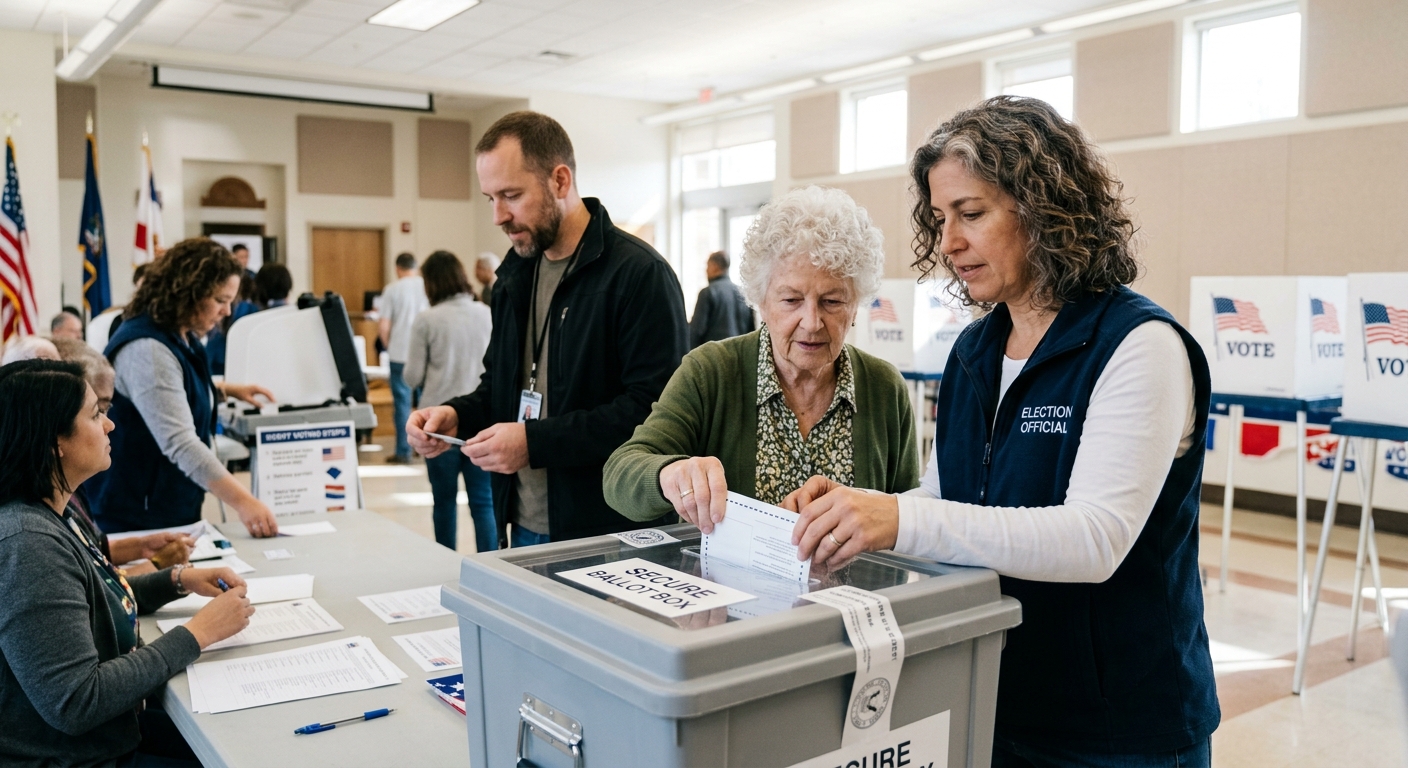
Introduction to Protecting Your Franchise
In a healthy democracy, the ability to cast a ballot is one of the most fundamental civic duties and rights. However, navigating the electoral process can sometimes feel daunting due to changing regulations, systemic hurdles, and unforeseen polling place challenges. Whether it is strict identification requirements, voter roll purges, or inaccessible polling locations, Americans frequently encounter roadblocks when trying to participate in local, state, or federal elections. Addressing these obstacles requires not just civic awareness, but a thorough understanding of the legal frameworks designed to guarantee every eligible citizen’s right to vote. This comprehensive guide provides critical insights into safeguarding your franchise, offering actionable steps to overcome potential barriers, and detailing the federal provisions that exist to protect your electoral voice. By equipping yourself with this knowledge, you can confidently approach the ballot box, mitigate potential administrative or physical hurdles, and help ensure that the cornerstone of American democracy remains robust and accessible to all citizens, regardless of their background or physical abilities.
Understanding the Foundations of Electoral Protection
The framework of American electoral protection relies heavily on a series of legislative milestones that aim to prevent discrimination and guarantee equal access. Chief among these is the Voting Rights Act (VRA) of 1965, an essential piece of civil rights legislation signed by President Lyndon B. Johnson. It was designed to enforce the Fifteenth Amendment, eliminate discriminatory voting practices nationwide, and outlaw historical barriers like literacy tests . Section 2 of the VRA is a permanent, nationwide prohibition against any voting standard, practice, or procedure that results in the denial or abridgment of the right to vote based on race, color, or membership in a specific language minority group . Over the decades, the Department of Justice has utilized these provisions to challenge at-large election systems, voter registration procedures, and redistricting plans that dilute minority voting power.
While the landscape of federal protection shifted after the Supreme Court’s 2013 decision in Shelby County v. Holder—which invalidated the coverage formula used for preclearance under Section 5 —the overarching prohibition against racially discriminatory practices remains intact. Understanding these federal protections is crucial for recognizing when a local policy or polling place procedure crosses the line from a standard administrative requirement into unlawful disenfranchisement. The Civil Rights Division of the Department of Justice continues to enforce these civil provisions, actively monitoring elections and investigating claims where systemic barriers disproportionately impact protected classes. Knowledge of these foundational laws is the first step in recognizing violations when they occur at the local level.
Overcoming Registration Hurdles and Maintaining Active Status
A common point of failure in the voting process occurs long before Election Day: voter registration. State laws dictate a wide variety of deadlines, residency requirements, and identification mandates, making the registration landscape incredibly complex. One significant issue voters face is the administrative maintenance of voter rolls, sometimes referred to as “voter purges.” Election officials routinely update registration lists to remove individuals who have moved, passed away, or otherwise become ineligible. However, these processes can sometimes mistakenly target active voters, leading to unexpected disenfranchisement. To prevent arriving at a polling station only to find your name absent from the roster, it is vital to proactively verify your registration status well in advance of any election deadline.
If you find yourself unregistered or improperly removed from the rolls on Election Day, many jurisdictions offer remedies such as same-day voter registration or the use of a provisional ballot. A provisional ballot ensures that your vote is recorded while election officials verify your eligibility. It is an essential safeguard against administrative errors. Whenever a poll worker claims you are not on the list, never leave without exploring your options. Politely but firmly request a provisional ballot, and ask for the follow-up instructions needed to ensure your vote is ultimately counted once your eligibility is officially verified by the local election board.
Ensuring Accessibility for All Voters
Electoral equity demands that the physical and administrative act of voting is accessible to everyone, including individuals with disabilities and those who require language assistance. Federal law, including the Help America Vote Act (HAVA) and the Americans with Disabilities Act (ADA), mandates that polling places accommodate voters with mobility, visual, or cognitive impairments. The U.S. Election Assistance Commission provides extensive guidelines to election officials to ensure that voting systems are physically accessible and that individuals can cast their ballots privately and independently .
If you arrive at a polling place and find it inaccessible—for example, lacking wheelchair ramps, functioning accessible voting machines, or adequate clear signage—you have the explicit right to request alternative accommodations, such as curbside voting or assistance from a person of your choice. Furthermore, for communities where English is not the primary language, Section 203 of the Voting Rights Act requires certain jurisdictions to provide bilingual election materials and direct language assistance at the polls . Recognizing these accessibility rights is vital not just for your own individual participation, but for advocating on behalf of marginalized communities whose electoral access is frequently compromised by poor infrastructure, lack of funding, or inadequate poll worker training. Do not hesitate to remind election officials of these obligations if you see an individual struggling to access the ballot box.
Safeguarding Election Security and Combatting Intimidation
The integrity of the electoral process relies heavily on both the security of election infrastructure and the physical safety of voters at the polls. The Cybersecurity and Infrastructure Security Agency (CISA) works closely with state and local governments to enhance the resilience of election systems against cyber and physical threats. CISA provides comprehensive best practice guidelines for securing voting locations, ballot drop boxes, and election facilities, ensuring that the physical act of casting a ballot remains safe and reliable despite the presence of bad actors .
Unfortunately, voter intimidation remains a persistent threat in some locations. Intimidation can take many forms: aggressive questioning about citizenship or criminal records, hovering over voting booths, photographing or videotaping voters without consent, displaying false signage about voting penalties, or deliberate disruptions inside the polling location. Federal law strictly prohibits anyone from intimidating, threatening, or coercing another person for the purpose of interfering with their right to vote. If you encounter aggressive poll watchers, deceptive signs, or any behavior that makes you feel threatened, do not engage directly with the instigators, as this can escalate the situation. Instead, report the incident immediately to local election officials. If the local authorities are unresponsive, you can elevate the issue to the Department of Justice Voting Section or utilize independent civil rights networks like the Election Protection Hotline, which provides real-time legal assistance to voters facing intimidation .
Leveraging Mail-In and Early Voting Options
In recent years, the expansion of early voting and mail-in ballots has provided crucial flexibility, particularly for individuals who cannot easily take time off work or those who face mobility challenges. Utilizing these alternative voting methods can significantly reduce the risk of encountering Election Day lines, administrative bottlenecks, or polling place intimidation. However, these methods come with their own unique set of rules that must be strictly followed.
When opting for a mail-in ballot, meticulously follow the instructions regarding signatures, witness requirements, and return deadlines. Many mail-in ballots are rejected due to simple technical errors such as mismatched signatures, missing dates, or the failure to use provided secrecy envelopes. If your state offers ballot tracking online, use the system to actively monitor the status of your vote. If an issue arises, some states provide a “cure period” during which voters can correct signature discrepancies before the results are formally certified. Should you choose to use a designated drop box, rely on secure, official locations recommended by your local election board, as these are increasingly protected against tampering through enhanced physical security measures advised by federal agencies like CISA .
Actionable Steps to Resolve Polling Place Discrepancies
Despite best efforts, you might still encounter administrative or procedural challenges on the day of the election. Knowing exactly how to handle these situations is critical to protecting your franchise.
- Carry the right documentation: Always bring required identification. Even in states with flexible ID laws, having proof of residency or a government-issued ID can quickly resolve disputes about your identity or address.
- Be persistent but polite: If a poll worker is unsure about a rule, ask to speak with the chief election judge at the location. Poll workers are often volunteers and may occasionally misunderstand complex, newly implemented electoral regulations.
- Request a provisional ballot: Utilize provisional ballots as a last resort, but ensure you thoroughly understand the necessary follow-up. A provisional ballot is not automatically counted; it usually requires the voter to provide additional information to the local election office within a few days of the election.
- Document the incident: Note the time, location, names of the officials involved, and the specific nature of the problem. This documentation is invaluable if you need to file a formal civil rights complaint or seek post-election assistance from legal advocacy groups to rectify systemic issues.
Understanding the Role of the Department of Justice
When local remedies fail, the federal government serves as a crucial backstop for electoral integrity. The Department of Justice’s Civil Rights Division, specifically the Voting Section, is uniquely tasked with enforcing federal laws that protect the right to vote. They review changes to voting procedures, investigate claims of minority vote dilution, and address instances where language minority requirements or disability accommodations are blatantly ignored.
Voters who believe they have been subjected to discriminatory practices, or who witness widespread intimidation at their precinct, can directly submit complaints to the DOJ. While the DOJ may not be able to intervene instantaneously in every local dispute on Election Day, the accumulation of well-documented complaints is essential for long-term enforcement actions, structural reforms, and potential litigation against non-compliant jurisdictions. By formally reporting violations, citizens play an active role in the ongoing enforcement of civil rights legislation.
Frequently Asked Questions
What should I do if a poll worker cannot find my name on the voter roll?
First, verify that you are at the correct polling location, as your name will only appear on the roster for your specific designated precinct. If you are at the correct location, request that the poll worker check supplemental lists or contact the central election office. If your registration still cannot be verified, you have the legal right to request a provisional ballot.
Am I legally required to show a photo ID to vote?
Identification requirements vary significantly by state. Some states require strict photo ID, others accept non-photo documents like utility bills or bank statements, and some require no ID at all if you sign a sworn affidavit. Familiarize yourself with your state’s specific requirements through your local election board website before heading to the polls.
How can I access voting materials in a language other than English?
Under Section 203 of the Voting Rights Act, jurisdictions with significant populations of non-English speakers must provide bilingual materials and language assistance . If you need help, you generally have the right to bring a family member, friend, or advocate into the voting booth to assist you, provided they are not your employer or union representative.
What constitutes voter intimidation?
Voter intimidation includes physical threats, aggressive questioning, taking unauthorized photographs or videos of voters, blocking access to the polling place, or displaying false information about voter eligibility and legal penalties .
Conclusion
Defending your electoral rights requires preparation, vigilance, and an understanding of the legal safeguards designed to ensure equitable access. From the foundational civil rights protections of the Voting Rights Act to the modern security guidelines established by federal cybersecurity agencies, the infrastructure of democracy relies heavily on informed citizens asserting their rights. By proactively checking your registration status, understanding accessibility provisions, recognizing unlawful intimidation tactics, and knowing the appropriate channels for legal recourse, voters can navigate potential obstacles with confidence. Ultimately, ensuring that every eligible ballot is accurately cast and counted is not merely a personal victory, but a vital and necessary contribution to the enduring health, equality, and legitimacy of the American democratic process.
References
- Section 2 Of The Voting Rights Act — Department of Justice. 2023-04-05. https://www.justice.gov/crt/section-2-voting-rights-act
- About Section 5 Of The Voting Rights Act — Department of Justice. 2023-11-17. https://www.justice.gov/crt/about-section-5-voting-rights-act
- Helping voters with disabilities participate in our democratic process — U.S. Election Assistance Commission. 2022-10-06. https://www.eac.gov/news/2022/10/06/helping-voters-disabilities-participate-our-democratic-process
- Language Minority Citizens — Department of Justice. 2024-07-15. https://www.justice.gov/crt/language-minority-citizens
- Election Security Resource Library — Cybersecurity and Infrastructure Security Agency (CISA). https://www.cisa.gov/topics/election-security/election-security-resource-library
- Pennsylvania Poll Worker Guide — Election Protection / 866-OUR-VOTE. https://866ourvote.org/wp-content/uploads/2020/09/PA-Poll-Worker-Guide.pdf
- The Enduring Work of Protecting Voting Rights: 59 Years and Counting — Department of Justice. 2024-08-06. https://www.justice.gov/opa/blog/enduring-work-protecting-voting-rights-59-years-and-counting
Similar Articles








Read full bio of Sneha Tete


