
Securing Rights to Reuse Copyrighted Works
Master the essential steps and strategies for legally obtaining permission to reproduce published materials in your projects.
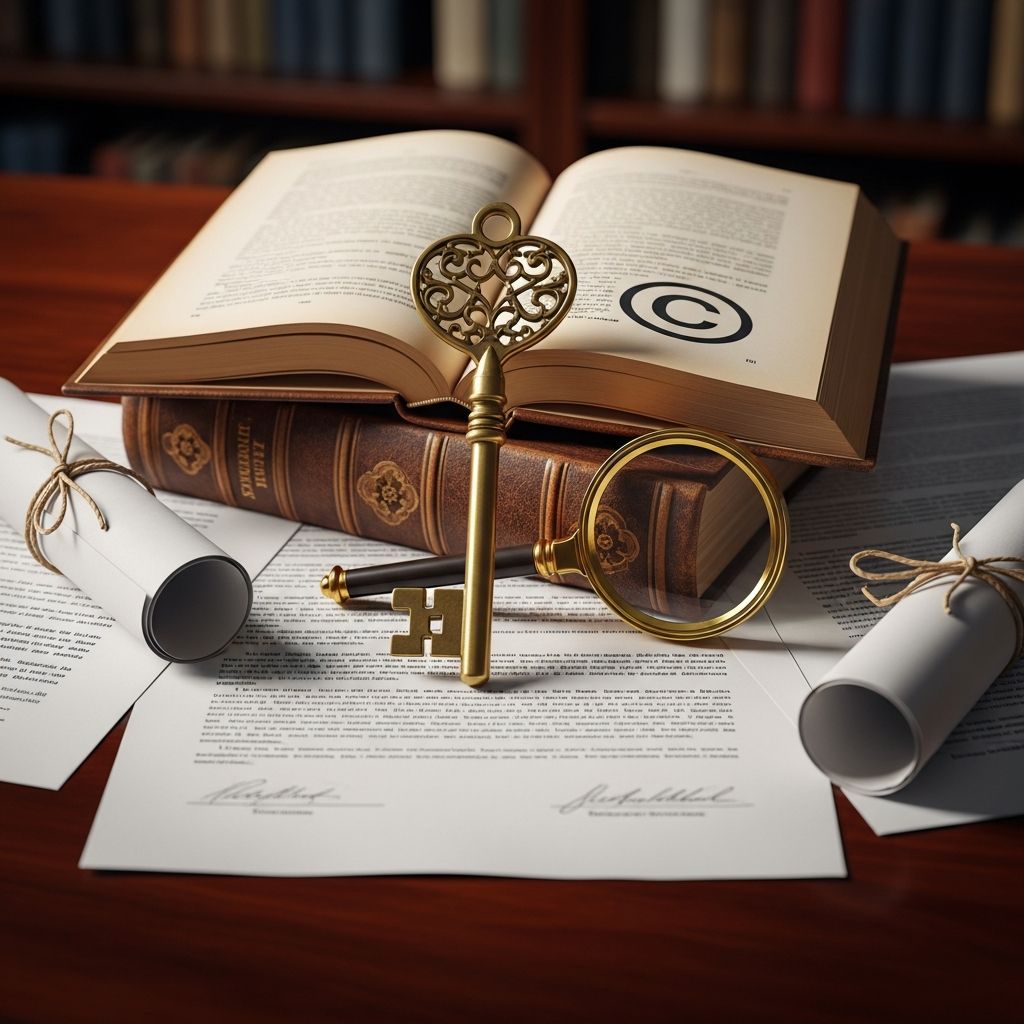
Navigating the world of copyrighted materials requires a clear understanding of when and how to obtain permission for reuse. Whether you’re an author incorporating quotes into a book, an educator building course materials, or a business creating marketing content, knowing the proper protocols protects you from infringement claims and fosters respectful collaboration with creators.
Assessing the Need for Permissions
The foundation of any reuse project begins with evaluating whether permission is truly required. Not every use of existing material triggers this need; exceptions like fair use can apply in certain scenarios. Fair use, a doctrine under U.S. copyright law, permits limited use for purposes such as criticism, comment, news reporting, teaching, scholarship, or research without permission.
To determine applicability, weigh the four fair use factors: the purpose and character of the use (e.g., commercial vs. transformative), the nature of the copyrighted work, the amount and substantiality of the portion used, and the effect on the market value of the original. For instance, quoting a brief excerpt in a book review might qualify, but reproducing an entire chapter rarely does.
- Protected Status: Confirm if the work carries copyright protection. Materials published before 1928 in the U.S. are generally public domain.
- Use Impact: Analyze if your application infringes exclusive rights like reproduction, distribution, or derivative works creation.
- Alternatives: Consider public domain resources or Creative Commons-licensed content to avoid permissions altogether.
Planning ahead is crucial; permissions processes can span weeks to months, so integrate this step early in your project timeline.
Finding the Copyright Holder
Once necessity is established, pinpointing the rights owner is paramount. Copyright notices often provide initial clues, such as ‘© 2020 Publisher Name,’ directing you to the company. However, ownership can transfer via assignments or licenses, necessitating deeper investigation.
Utilize official resources for verification:
- U.S. Copyright Office public catalog for registrations post-1978.
- Publisher websites, which frequently list permissions contacts or online forms like RightsLink.
- Author agents or literary estates for older works.
| Method | Best For | Time Estimate |
|---|---|---|
| Copyright Notice Check | Recent publications | Minutes |
| Online Databases (e.g., Copyright.gov) | Registered works | Hours |
| Publisher Permissions Portal | Journal articles, books | Days |
If the owner is elusive, consider orphan works doctrines or diligent search guidelines from organizations like the U.S. Copyright Office.
Defining the Scope of Rights Required
Copyright grants owners a bundle of exclusive rights, including reproduction, public display, performance, and adaptation. Specify precisely what you seek—e.g., ‘non-exclusive right to reproduce 500 words from Chapter 3 in a print run of 10,000 copies for North American distribution’.
Key elements to outline:
- Material Details: Title, author, page numbers, exact excerpt.
- Usage Parameters: Format (print/digital), territory, duration, print run or viewership.
- Exclusivity: Exclusive or non-exclusive.
- Sublicensing: Rights to third parties.
Overly broad requests may inflate fees; tailor to necessities for cost efficiency.
Crafting an Effective Permission Request
Contact via email, mail, or publisher portals, always prioritizing written communication for records. Include self-addressed stamped envelopes for postal requests. A sample structure ensures completeness:
- Introduce yourself and project.
- Describe the material precisely, attaching copies or links.
- Detail proposed use and audience.
- Propose terms, including any payment offer.
- Request signed confirmation.
Expect negotiations; fees vary from gratis to thousands based on use scale and owner policies. Nonprofits may secure discounts.
Negotiating Terms and Fees
Owners may counter with limitations or fees. Common structures include flat fees, royalties, or per-unit charges. Document all via a formal agreement specifying grant scope, warranties, indemnification, and termination clauses.
Avoid verbal agreements; insist on written licenses to mitigate disputes. If unresponsive, follow up politely after 2-4 weeks, or explore alternatives like alternative sources.
Legal Agreements and Documentation
A robust permission letter or license should cover:
- Granted rights and limitations.
- Payment terms and schedules.
- Attribution requirements.
- Warranty that owner holds rights.
- Governing law (often the owner’s jurisdiction).
Retain copies and originals; digital signatures suffice for many. Consult attorneys for high-stakes uses.
Common Challenges and Solutions
Delays plague processes; mitigate by starting 3-6 months early. High fees? Argue fair use or seek open-access substitutes. Untraceable owners? Document search efforts for defense.
| Challenge | Solution |
|---|---|
| Owner Unresponsive | Multiple contacts; alternatives |
| Prohibitive Costs | Negotiate; reduce scope |
| Complex Chains (e.g., images) | Stock agencies; reverse image search |
Special Considerations for Digital and Multimedia
Online uses amplify risks due to global reach. Secure worldwide rights for web content. For music/images, agencies like ASCAP/BMI or Getty Images streamline. Videos demand synchronization licenses.
International Permissions
Cross-border reuse invokes Berne Convention; U.S. works need permission abroad. Check treaties and local laws.
Frequently Asked Questions
What if permission is denied?
Revise use to fit fair use, select alternatives, or abandon the material. Never proceed without clearance.
How long does the process take?
Typically 1-3 months; plan accordingly.
Do I need permission for public domain works?
No, but verify status via official records.
Can I use small excerpts without permission?
Depends on fair use analysis; no fixed percentage rule exists.
What about social media shares?
Personal, non-commercial shares often fair use, but commercial reposts require permission.
Best Practices for Ongoing Compliance
Build permissions tracking spreadsheets. Use tools like RightsLink for efficiency. Train teams on protocols. Regularly audit projects for clearance.
In summary, methodical permission securing upholds legal standards while honoring creators. Proactive steps minimize risks and enable innovative reuse.
References
- The Basics of Getting Permission – Copyright Overview by Rich Stim — Stanford University Libraries. 2023. https://fairuse.stanford.edu/overview/introduction/getting-permission/
- Copyright Permissions Sample Letter — Copyrightlaws.com. 2024. https://www.copyrightlaws.com/copyright-permissions-sample-letter/
- Circular 16A: How to Obtain Permission — U.S. Copyright Office. 2022-10-01. https://www.copyright.gov/circs/circ16a.pdf
- Getting Permissions, Step by Step — University of California Copyright. 2023. https://copyright.universityofcalifornia.edu/use/obtaining-permission.html
- Copyright Guide: Requesting Permissions — Basler Library, Northeast State. 2024. https://library.northeaststate.edu/c.php?g=1251786&p=9166462
- Circular 10: Notice of Copyright Terms — U.S. Copyright Office. 2023. https://www.copyright.gov/circs/m10.pdf
Similar Articles








Read full bio of Sneha Tete


