
Managing Secondhand Cannabis Smoke in Residential Settings
Understand your legal options when cannabis smoke drifts into your home from neighbors.
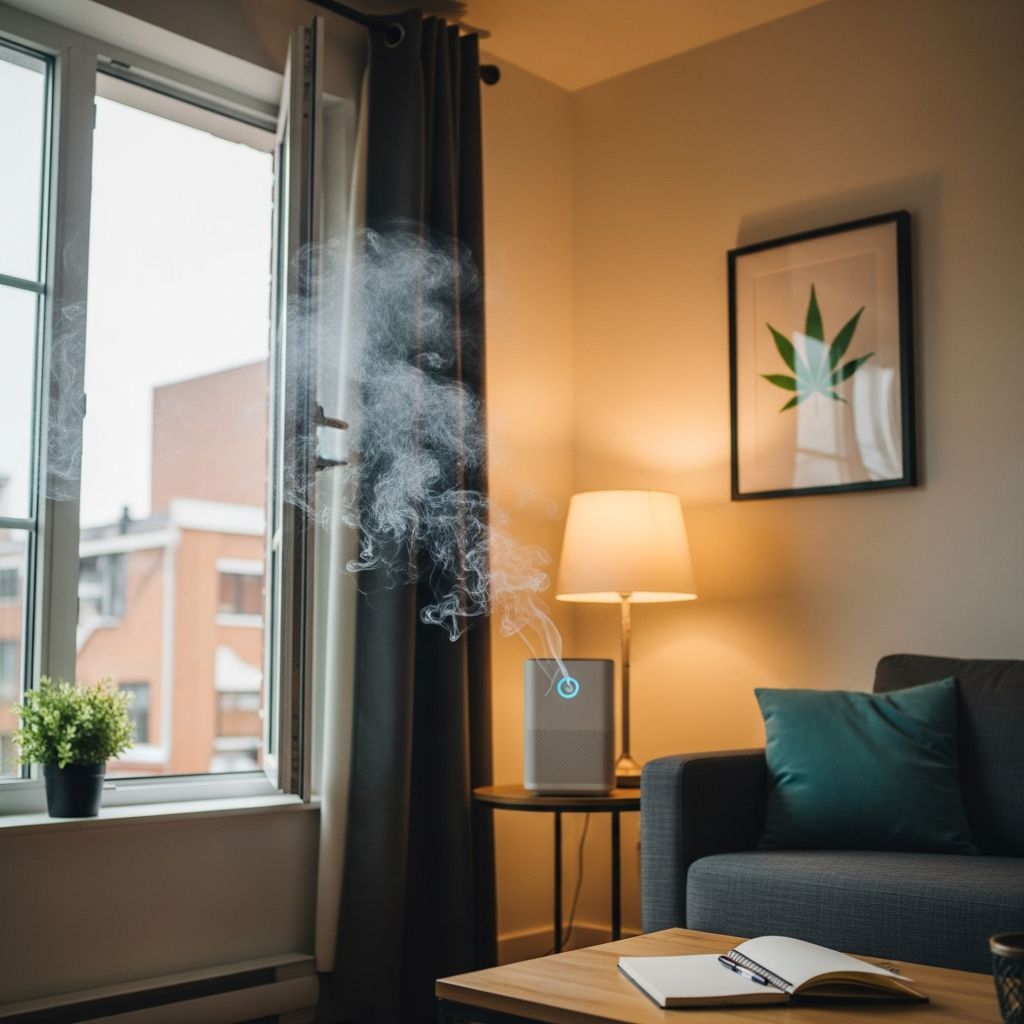
Understanding the Health and Legal Landscape of Unwanted Cannabis Smoke
When cannabis smoke drifts from a neighbor’s unit into your apartment or condominium, it creates a frustrating situation that combines health concerns with legal ambiguity. Many residents find themselves uncertain about their rights and available remedies when faced with this problem. The intersection of cannabis legalization, tenant protections, and nuisance laws creates a complex framework that varies significantly depending on your location, housing type, and local ordinances. This guide explores the practical and legal options available to those experiencing secondhand cannabis exposure in residential settings.
The Health Implications of Secondhand Cannabis Exposure
Before addressing legal remedies, it’s important to understand why secondhand cannabis smoke poses genuine health concerns. The U.S. Surgeon General’s 2024 report documented that secondhand cannabis smoke contains many of the same toxic and cancer-causing chemicals found in tobacco smoke, with some substances present in higher concentrations in cannabis smoke. This scientific evidence forms the foundation for many legal arguments residents can make when addressing smoke intrusion.
Exposure to combusted marijuana produces fine particulate matter that penetrates deep into the lungs, potentially causing lung irritation, triggering asthma attacks, and increasing the likelihood of respiratory infections. For individuals with existing respiratory conditions such as asthma, chronic bronchitis, or COPD, secondhand cannabis smoke can significantly exacerbate their symptoms and overall health status. Additionally, the cardiovascular system can be negatively affected by secondhand smoke exposure, creating health risks that extend beyond respiratory concerns.
Distinguishing Between Private Property Rights and Nuisance Laws
A critical point of confusion for many residents involves the distinction between the right to smoke on private property and the legal prohibition against creating a nuisance. While it is technically legal to smoke marijuana in your home if you own the property, this right is not absolute. The legal landscape recognizes that activities on private property can still violate local ordinances if they negatively impact neighbors, similar to how excessive barking dogs or strong odors might be regulated.
California law provides a useful example of this balance. State law permits individuals to smoke marijuana on their own property, but this permission is constrained by the requirement that the activity must not violate local nuisance ordinances. Many jurisdictions, including Sacramento and Sonoma County, are actively developing specific ordinances to address cannabis-related concerns such as odor, smoke drift, humidity, and mold. These regulations acknowledge that smoke drifting across property lines transforms a private activity into a public problem affecting multiple households.
Options for Renters Facing Cannabis Smoke Issues
Tenants have more immediate legal recourse than homeowners in many situations, because lease agreements and landlord-tenant law provide additional protective mechanisms. Under Proposition 64 in California and similar tenant protection statutes in other jurisdictions, landlords retain the authority to restrict or completely prohibit cannabis use within rental properties. This power gives tenants a clear avenue for addressing smoke intrusion: requesting that their landlord enforce existing lease provisions or implement new smoking restrictions.
When approaching your landlord about cannabis smoke concerns, documentation becomes essential. Keep detailed records of when smoke intrusions occur, their duration, and any resulting health symptoms or property damage. Photographs of open windows with smoke visible, and written notes describing the odor and smoke density, strengthen your complaint. Most lease agreements already prohibit activities that create nuisances or disturb neighbors’ quiet enjoyment of their units, and cannabis smoke often falls squarely within this category.
If your landlord fails to address the problem after you’ve filed formal complaints in writing, you may have grounds to withhold rent, terminate your lease early without penalty, or file a habitability complaint with your local housing authority, depending on your jurisdiction’s tenant protection laws. Some jurisdictions recognize that secondhand smoke exposure undermines a rental property’s habitability, similar to mold, pest infestations, or heating failures.
Strategies for Homeowners in Condominiums and HOA Communities
Homeowners in condominiums and homeowners associations often benefit from CC&Rs (Covenants, Conditions, and Restrictions) that regulate nuisance-causing activities. These governing documents frequently prohibit activities that create nuisances, and smoke drifting into adjoining units clearly qualifies. Courts increasingly recognize that secondhand smoke, whether from cigarettes, cigars, or marijuana, constitutes a nuisance when it crosses property lines and invades other units.
The legal principle is straightforward: if a resident cannot contain the smoke within their own unit, it becomes a nuisance that must be abated. California courts have already awarded damages against HOAs that failed to address secondhand smoke complaints. This precedent suggests that HOAs have both the right and responsibility to enforce smoking restrictions against members whose activities create nuisances.
As a homeowner, your first step should be filing a formal complaint with your HOA’s board or property management company. Include detailed documentation of the smoke intrusion, health impacts, and the date and time of each occurrence. If your governing documents include nuisance provisions, reference them specifically. Request that the board take action to prevent the offending resident from creating nuisances, which may include demanding they confine smoking to areas where smoke won’t drift into neighbors’ units or installing ventilation systems to prevent smoke escape.
Pursuing Nuisance Claims Through Civil Courts
When informal approaches fail, civil litigation offers a formal remedy. You can file a nuisance claim against a neighbor whose smoke interferes with your reasonable enjoyment of your property. A nuisance is legally defined as any activity that is injurious to health or interferes with the peaceful use and enjoyment of property. Secondhand smoke from cannabis clearly meets this definition, particularly when it drifts into your unit regularly and causes documented health effects.
Civil nuisance claims typically seek one or more of the following remedies:
- A court order (injunction) compelling the neighbor to stop the nuisance-causing activity
- Monetary damages to compensate for health impacts, property value reduction, or lost enjoyment
- Attorney’s fees and court costs in jurisdictions that allow prevailing parties to recover these expenses
A Washington D.C. case illustrates the potential success of such claims. When neighbors sued a pot smoker for negligence, nuisance, and trespass from secondhand smoke, a judge issued a temporary restraining order against the smoker, preventing continued smoke intrusion. This precedent demonstrates that courts take secondhand smoke nuisance claims seriously and will grant emergency relief when justified.
To strengthen a civil nuisance claim, document the frequency and severity of smoke intrusion, health impacts experienced, times when the smoke is worst, and any attempts you’ve made to resolve the issue informally. Medical records showing respiratory problems or exacerbation of existing conditions provide powerful evidence of injury. Photographs and video evidence of visible smoke crossing into your unit or balcony also support your case.
Seeking Temporary Restraining Orders and Injunctions
If cannabis smoke is causing immediate, ongoing harm to your health or property, you may be able to obtain a temporary restraining order (TRO) that quickly stops the nuisance-causing activity while your civil case proceeds. A TRO can typically be obtained within days, without the delay of a full trial, when you demonstrate to a judge that irreparable harm is occurring and that stopping the activity is necessary to prevent injury.
Once the temporary restraining order is in place, you can seek a preliminary injunction that lasts throughout the litigation and a permanent injunction if you ultimately win your case. An injunction compels your neighbor to take specific action—such as refraining from smoking indoors, modifying ventilation systems, or using outdoor spaces only in ways that prevent smoke drift—or face contempt of court sanctions.
Involving Law Enforcement and Government Agencies
While police involvement rarely results in criminal prosecution for secondhand smoke exposure, law enforcement may respond to nuisance complaints and issue warnings or citations if local ordinances specifically prohibit cannabis smoke drift. The effectiveness of police involvement varies significantly by jurisdiction. In Sacramento, for example, police acknowledge responding to complaints but note that limited legal tools exist to address the issue when the smoking is occurring within a resident’s own unit.
A more productive approach may involve contacting your local code enforcement office, which typically has authority to investigate nuisance complaints and issue citations to property owners or residents creating problems. Unlike police, code enforcement agencies focus specifically on violations of local ordinances and are often more proactive in pursuing nuisance cases. Additionally, your city or county planning department may have developed specific cannabis smoking ordinances that provide enforcement mechanisms not available through traditional nuisance law.
Landlord Responsibilities and Tenant Protections
Property owners and landlords have legal obligations to maintain habitable rental units and prevent conditions that interfere with tenants’ quiet enjoyment of their homes. When a neighboring unit’s cannabis smoke creates a nuisance affecting your rental unit, your landlord shares responsibility for addressing the problem. Many jurisdictions recognize secondhand smoke exposure as affecting a property’s habitability, similar to other environmental hazards.
When reporting cannabis smoke issues to your landlord, frame the complaint in terms of habitability and quiet enjoyment rather than merely as an annoyance. Explain how the smoke affects your health, your ability to use your unit’s windows and doors, and your quality of life. Request specific remedies, such as enforcing the neighbor’s lease regarding nuisance activities, requiring ventilation improvements, or facilitating a unit transfer if available.
If your landlord fails to respond adequately to habitability complaints, you may have grounds to:
- Break your lease without penalty
- Withhold a portion of rent in states allowing rent abatement for habitability violations
- File complaints with local housing authorities or health departments
- Sue the landlord for breach of the implied warranty of habitability
Ventilation and Filtration: Limitations and Realistic Expectations
While many residents hope that ventilation or air filtration systems might solve the problem, these solutions have significant limitations. The EPA clearly states that ventilation, filtration, and air cleaning techniques can reduce but are not likely to eliminate harmful substances released from marijuana use. No technological solution can completely eliminate secondhand smoke exposure when cannabis is combusted indoors in multi-unit housing.
This limitation is important because it means you cannot simply be asked to solve the problem on your own through personal ventilation improvements. Legal responsibility rests with the person creating the nuisance, not with neighbors who must endure it. While improving your own unit’s ventilation may provide some relief, it does not relieve your neighbor of their obligation to prevent smoke from drifting into your space or your landlord’s responsibility to enforce lease provisions.
Common Questions About Cannabis Smoke Rights and Remedies
Q: Is it actually illegal to smoke marijuana on my own property despite neighbor complaints?
A: Smoking marijuana on your own property is legal, but only within limits. If the smoke drifts into neighboring units and creates a nuisance, it violates local ordinances and common nuisance law. The right to smoke on your property ends where your smoke begins affecting others’ health and enjoyment of their homes.
Q: What should I do as a first step if my neighbor’s cannabis smoke is entering my unit?
A: Start by documenting the problem thoroughly—note dates, times, duration, and health symptoms. Then, depending on your situation: renters should notify landlords in writing; homeowners in HOAs should file complaints with the board; and those in non-HOA properties should attempt friendly conversation before escalating to legal action.
Q: Can an HOA prevent cannabis smoking even though it’s legal?
A: Yes. HOAs can restrict or prohibit cannabis smoking wherever they restrict cigarette smoking under their CC&Rs. Just because cannabis is legal does not mean it can be smoked anywhere; residents must comply with community rules and nuisance laws.
Q: What remedies can a court provide if I sue for nuisance?
A: Courts can issue injunctions stopping the nuisance activity, award monetary damages for health impacts and lost enjoyment, and in some cases award attorney’s fees. A temporary restraining order can stop the problem immediately while your case proceeds.
Q: Will police arrest someone for secondhand cannabis smoke affecting neighbors?
A: Typically no. Police rarely pursue criminal charges for secondhand smoke nuisance issues, but they may issue warnings or citations if local ordinances specifically prohibit cannabis smoke drift. Civil court is usually the appropriate forum for these disputes.
Q: Does my health condition give me stronger legal rights regarding secondhand smoke?
A: Yes. If you have respiratory conditions like asthma or COPD, documented health impacts from secondhand smoke exposure strengthen both nuisance claims and habitability arguments. Medical evidence showing exacerbation of existing conditions is particularly persuasive in court.
References
- Smoking & Growing Marijuana — Davis-Stirling.com. 2025. https://www.davis-stirling.com/HOME/S/Smoking-Growing-Marijuana
- Tobacco and Marijuana Secondhand Smoke — California Department of Public Health (CDPH). 2024. https://www.cdph.ca.gov/Programs/CCDPHP/DCDIC/CTCB/Pages/SecondhandSmoke.aspx
- Pot 101 Update: What Are The Laws In California Surrounding Second-Hand Marijuana Smoke — IJPR (CapRadio). 2018-12-21. https://www.ijpr.org/politics-government/2018-12-21/pot-101-update-what-are-the-laws-in-california-surrounding-second-hand-marijuana-smoke
- Secondhand Marijuana Smoke Fact Sheet — Americans for Nonsmokers’ Rights (no-smoke.org). 2024. https://no-smoke.org/secondhand-marijuana-smoke-fact-sheet/
- Guidance for Secondhand Marijuana Smoke in Multi-Unit Housing — Americans for Nonsmokers’ Rights. 2024. https://no-smoke.org/guidance-for-secondhand-marijuana-smoke-in-multi-unit-housing/
- Secondhand Marijuana Smoke and Indoor Air Quality — U.S. Environmental Protection Agency (EPA). 2024. https://www.epa.gov/indoor-air-quality-iaq/secondhand-marijuana-smoke-and-indoor-air-quality
Similar Articles








Read full bio of medha deb


