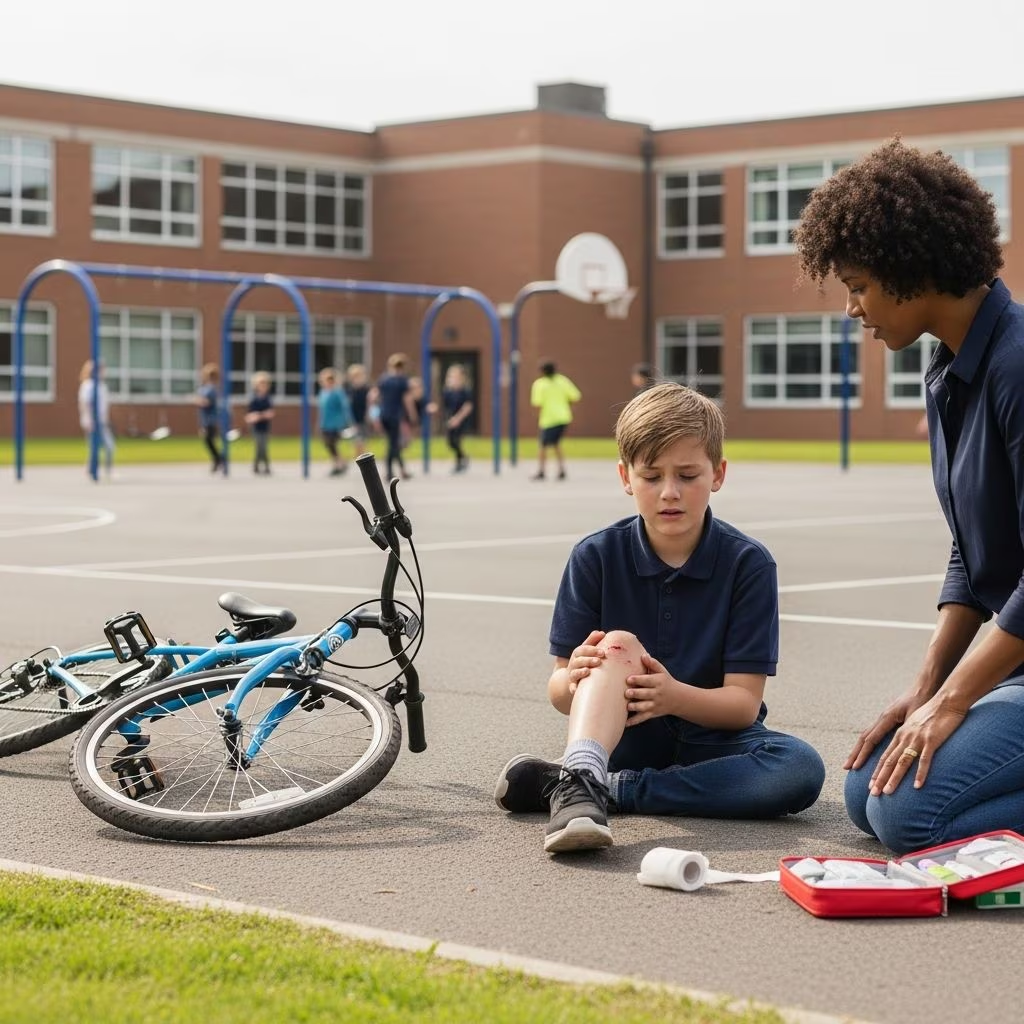
Every parent entrusts schools with their child’s safety during school hours, yet accidents happen, ranging from playground falls to classroom mishaps. When injuries occur, identifying who bears responsibility involves examining legal duties, negligence standards, and specific defenses schools may invoke. This article breaks down key principles of school liability, common injury scenarios, procedural requirements, and practical steps for affected families.
Legal Duty of Care Owed by Schools to Students
Schools act in loco parentis, meaning they temporarily assume parental responsibilities for student safety. This duty requires educators and administrators to exercise reasonable care to prevent foreseeable harm. Failure to meet this standard can lead to negligence claims.
Reasonable care includes supervising students adequately, maintaining safe facilities, and responding promptly to known risks. Courts assess whether the school acted as a prudent entity would under similar circumstances, using the ‘preponderance of evidence’ standard in most civil cases.
- Supervision during recess, lunch, and transitions between classes.
- Regular inspections of playgrounds, hallways, and sports areas.
- Training staff on emergency response protocols.
In jurisdictions like Tennessee, the Governmental Tort Liability Act permits claims against public schools for injuries on school property during sponsored activities, provided negligence is proven.
Common Causes of Student Injuries on Campus
Injuries at school often stem from preventable issues. Understanding these helps parents evaluate potential claims.
| Injury Type | Common Causes | Potential Liability Basis |
|---|---|---|
| Playground Falls | Broken equipment, inadequate surfacing | Premises liability for failure to inspect/repair |
| Slip-and-Fall Incidents | Wet floors, uneven pavement | Negligent maintenance if hazard was known |
| Sports-Related Trauma | Poor equipment, insufficient coaching | Breach of supervision duty |
| Bullying or Fights | Lack of intervention | Failure to prevent foreseeable assaults |
| Bus Accidents | Unsafe loading practices | Negligent operation |
Hazardous conditions like unrepaired holes in walkways or malfunctioning gym apparatus exemplify premises liability, where schools must address dangers they knew or should have known about.
Premises Liability: Holding Schools Accountable for Unsafe Conditions
Premises liability applies when physical property defects cause harm. Schools must proactively identify and mitigate risks, such as slippery cafeteria floors or defective bleachers. Liability arises if the school had constructive notice of the hazard but failed to act reasonably.
For instance, a prolonged spill without cleanup signals negligence, whereas an immediate spill might not, due to lack of time for response. Compliance with laws like the Americans with Disabilities Act (ADA) is crucial; violations can compound liability for injuries to vulnerable students.
Public schools face heightened scrutiny under tort claims acts, capping damages and requiring proof of breach beyond routine maintenance.
Negligent Supervision and Failure to Protect
A core allegation in school injury cases is inadequate supervision. Teachers must monitor areas prone to accidents, like playgrounds, where unsupervised roughhousing can escalate.
Even if another student causes the injury, the school may be vicariously liable if it failed to enforce anti-bullying policies or separate known aggressors. Courts examine whether the harm was foreseeable based on prior incidents or behavioral patterns.
In one Tennessee case, officials were not deemed ‘insurers of safety,’ meaning they avoid liability for unforeseeable events despite general duties.
Public vs. Private Schools: Key Liability Differences
Public schools benefit from sovereign immunity, treating them as government extensions. This necessitates pre-suit claims, often within 60-90 days, detailing injuries, negligence, and demanded compensation.
- Public Schools: File notice of claim promptly; caps on damages apply.
- Private Schools: Direct lawsuits possible without immunity barriers.
Failure to comply with notice rules bars claims, emphasizing the need for swift legal consultation.
School Defenses Against Injury Claims
Schools aren’t automatically liable. Common defenses include:
- Assumption of Risk: Waivers for sports may limit claims, though not always fully protective.
- Contributory Negligence: If the child engaged in reckless behavior, like jumping from heights.
- No Duty Outside Hours: Injuries pre/post-school or during trespass lack supervision duty.
- Unforeseeability: Harm not reasonably anticipated despite precautions.
Parents aren’t typically liable for non-intentional child acts under common law.
Steps Parents Should Take After a School Injury
- Seek Medical Care: Document all treatment for evidence.
- Report Incident: Notify school administration in writing.
- Gather Evidence: Photos, witness statements, incident reports.
- Check Deadlines: Adhere to claim notice periods for public entities.
- Consult Attorney: Experienced counsel navigates complexities.
Many cases settle informally, avoiding court, but preparation strengthens negotiations.
Potential Compensation for School Injuries
Successful claims recover economic and non-economic damages:
- Medical expenses (past/future).
- Lost wages for parents.
- Pain and suffering.
- Emotional distress.
Tort caps in states like Tennessee limit public school payouts.
Frequently Asked Questions (FAQs)
Can I sue a public school if my child was injured?
Yes, but file a notice of claim within 60-90 days, proving negligence.
What if another student caused the injury?
The school may be liable for failing to supervise or prevent foreseeable harm.
Does a waiver protect schools from all sports injuries?
Waivers help but don’t cover gross negligence.
Are schools liable for injuries outside school hours?
Generally no, absent sponsored events.
How long do I have to file a claim?
Strict deadlines apply, especially for public schools—consult local laws immediately.
References
- What to Know About Injuries in School — Franklin Tennessee Lawyers. 2023. https://franklin.legal/what-to-know-about-injuries-in-school/
- Hazardous School Property Causing Child Injuries & Legal Liability — Justia. 2024. https://www.justia.com/child-safety/school-safety/hazardous-school-property-causing-child-injuries/
- School Liability – Who is Responsible When Your Child is Hurt at School — DeFrancesco Law. 2023. https://www.defranciscolaw.com/blog/school-liability-who-is-responsible-when-your-child-is-hurt-at-school/
- How Schools Can Be Held Liable for Negligence in Student Injuries — Law Office of Nigel Matwell. 2024. https://lawofficeofnigelmatwell.com/blog/how-schools-can-be-held-liable-for-negligence-in-student-injuries/
- Children Injured at School – Can I Bring a Lawsuit? — Enjuris. 2024. https://www.enjuris.com/children-accidents/injured-at-school/