
Scattering Cremated Remains: Legal Guidelines
Navigate the legal landscape of dispersing cremated ashes on land, water, and air across U.S. jurisdictions.
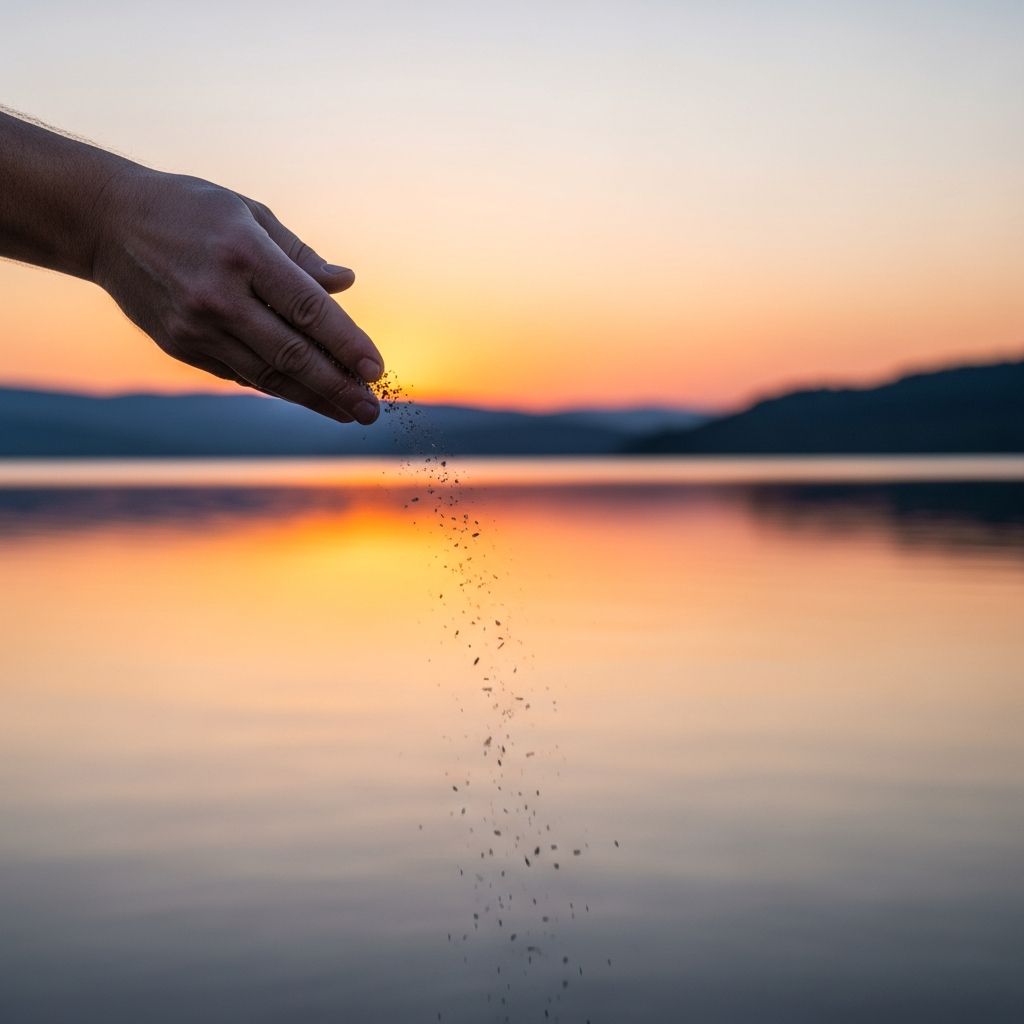
Cremated remains, often called cremains, offer families flexible options for memorialization beyond traditional burial. Dispersing ashes in meaningful locations honors the deceased while requiring adherence to federal, state, and local regulations. This guide details key rules, common locations, and practical steps to ensure ceremonies remain lawful and respectful.
Understanding Federal Regulations on Ashes Dispersal
Federal laws establish baseline standards, particularly for water and air scattering, overriding state rules where applicable. The
Clean Water Act
andMarine Protection, Research, and Sanctuaries Act (MPRSA)
govern ocean dispersals, mandating that ashes be scattered at least3 nautical miles
from shore—approximately 3.45 land miles. Containers must be biodegradable or removed entirely before release, preventing environmental harm.Post-scattering, families must notify the
Environmental Protection Agency (EPA)
within30 days
, providing details like the deceased’s name, date, and coordinates. This simple report avoids penalties, which can reach thousands of dollars for non-compliance. Inland waters such as lakes and rivers fall outside federal MPRSA oversight but may require state permits.Aviation rules permit aerial scattering if no objects pose risks to people or property on the ground. Urns must be emptied beforehand, and flights should avoid populated areas. National parks and federal lands demand special-use permits from agencies like the National Park Service, emphasizing wide dispersal without markers or piles.
State-Specific Rules for Land-Based Scattering
Most states lack blanket prohibitions on scattering ashes on private property, provided the landowner grants permission—ideally in writing to prevent disputes. Public lands require approval from managing agencies, such as state parks or forest services.
States like Alabama, Alaska, Connecticut, Florida, Georgia, and many others impose no statewide restrictions, deferring to local discretion and property permissions. California mandates permits for non-cemetery scatters and restricts water dispersals to 500 yards from shore outside designated gardens. Indiana, Kentucky, New Jersey, and New York similarly require written public land approvals.
| State Group | Private Land | Public Land | Key Notes |
|---|---|---|---|
| No State Laws (e.g., AL, AK, FL, GA, HI, ID, IL) | Owner permission | Agency permit | Check local counties |
| Permit States (e.g., CA, IN, KY, NJ, NY) | Owner permission | Written approval required | Water: Follow federal min. distance |
| Strict Oversight (e.g., IA) | Permission mandatory | Prohibited without permit | Health dept. involvement possible |
| Waterways (e.g., OR, WA) | Standard rules | Ecology dept. permits | Biodegradable urns |
Always consult state health or natural resources departments for updates, as local ordinances can add layers like HOA restrictions or county bans. For instance, Texas permits scatters over uninhabited public lands or waterways with owner consent.
Dispersing Ashes Over Water: Ocean, Lakes, and Rivers
Ocean ceremonies symbolize eternal peace but demand precision. Beyond the 3-nautical-mile rule, non-biodegradable items like plastic or metal are banned to protect marine life. Charter boats often handle logistics, ensuring compliance.
Inland waters vary widely: many states prohibit lake or river scatters without environmental agency nods, unlike unregulated oceans. Beaches and shorelines frequently bar ashes due to public health concerns. For islands, burial permits mimic land rules.
- Ocean Best Practices: Use biodegradable urns; scatter widely; file EPA notice promptly.
- Freshwater: Verify state regs; permits common for public lakes.
- Prohibitions: No wading pools, crowded beaches, or non-biodegradable debris.
Aerial and Private Property Options
Airplane or drone scatters provide dramatic releases but must comply with FAA guidelines: no hazardous drops, pre-emptied urns, and avoidance of events or crowds below. Private pilots or services coordinate safe altitudes and paths.
Home backyards suit intimate gatherings—if you own the property. Renters or visitors need host approval; HOAs may veto via bylaws. Scattering widely prevents concentrated piles, respecting neighbors and environments.
Navigating Public Lands and Parks
National parks like Yellowstone require National Park Service permits, mandating discreet, marker-free dispersals over broad areas to preserve natural states. State parks follow suit, often needing written land manager consent. Urban parks fall under city rules, potentially banning scatters to avoid litter.
Best practices include small groups, windward casting for even spread, and cleanup of any residue. This minimizes impact and honors site serenity.
Practical Steps for a Compliant Ceremony
Planning ensures smooth, legal events:
- Research Laws: Check federal EPA for water/air; state sites for land.
- Secure Permissions: Written from owners/agencies.
- Choose Methods: Biodegradable for water; empty urns for air/land.
- Document: Photos, coordinates for EPA filing.
- Alternatives: If restricted, consider keepsakes or gardens.
Professional services offer guided scatters, handling permits and reports for peace of mind.
Common Pitfalls and Enforcement
Violations stem from ignorance: scattering too close to shore, leaving urns, or skipping notifications. Fines range from $500 to $10,000+, plus cleanup orders. Rare prosecutions occur, but reports from witnesses prompt checks. Proactive verification via official sites averts issues.
Frequently Asked Questions (FAQs)
Can I scatter ashes in my backyard?
Yes, on owned land; obtain permission otherwise. Check HOA rules.
Is a permit needed for ocean scattering?
No permit, but EPA notification within 30 days; 3 nautical miles minimum.
What about national parks?
Special-use permit required; no markers, wide dispersal only.
Are drones allowed for aerial scatters?
Possible under FAA rules; no hazards, professional operators advised.
Do inland lakes follow ocean laws?
No federal rule; state permits often needed.
Environmental and Ethical Considerations
Cremains are sterile but contain trace minerals; wide scattering dilutes impacts. Biodegradable options align with green memorials, reducing footprint. Respect wildlife, ecosystems, and others’ experiences for dignified tributes.
Families increasingly blend legality with personalization—trails, mountains, or gardens—creating lasting memories lawfully.
References
- Cremation Scattering Laws by State: A 2025 Guide — Oak Tree Memorials. 2025. https://oaktreememorials.com/blogs/blog-knowledge-base/cremation-scattering-laws-by-state-a-2025-guide
- Is Scattering Ashes Legal? A Practical Guide — Cremation.Green. Accessed 2026. https://www.cremation.green/is-scattering-ashes-legal/
- What Are The Laws On Scattering Ashes? — Cremation.com. Accessed 2026. https://www.cremation.com/what-are-the-laws-on-scattering-ashes/
- Scattering Laws by State — A Greener Funeral. Accessed 2026. https://www.agreenerfuneral.org/scattering-laws-by-state/
- Is It Illegal to Spread Ashes in the US? (All 50 States Inside) — Meadow Memorials. Accessed 2026. https://www.meadowmemorials.com/blog/ash-spreading-law-guide
- Legally Scattering Ashes: Keep These Six Important Facts in Mind — Vaughn C. Greene Funeral Services. Accessed 2026. https://vaughncgreene.com/blogs/blog-entries/3/News-Events/219/Legally-Scattering-Ashes-Keep-These-Six-Important-Facts-in-Mind.html
- Burial at Sea — US EPA. Accessed 2026. https://www.epa.gov/marine-protection-permitting/burial-sea
Similar Articles








Read full bio of medha deb


