
Safely Getting Free COVID Test Kits Without Falling for Scams
Learn how to order free COVID tests through trusted government programs, check expiration dates, and steer clear of scammers.
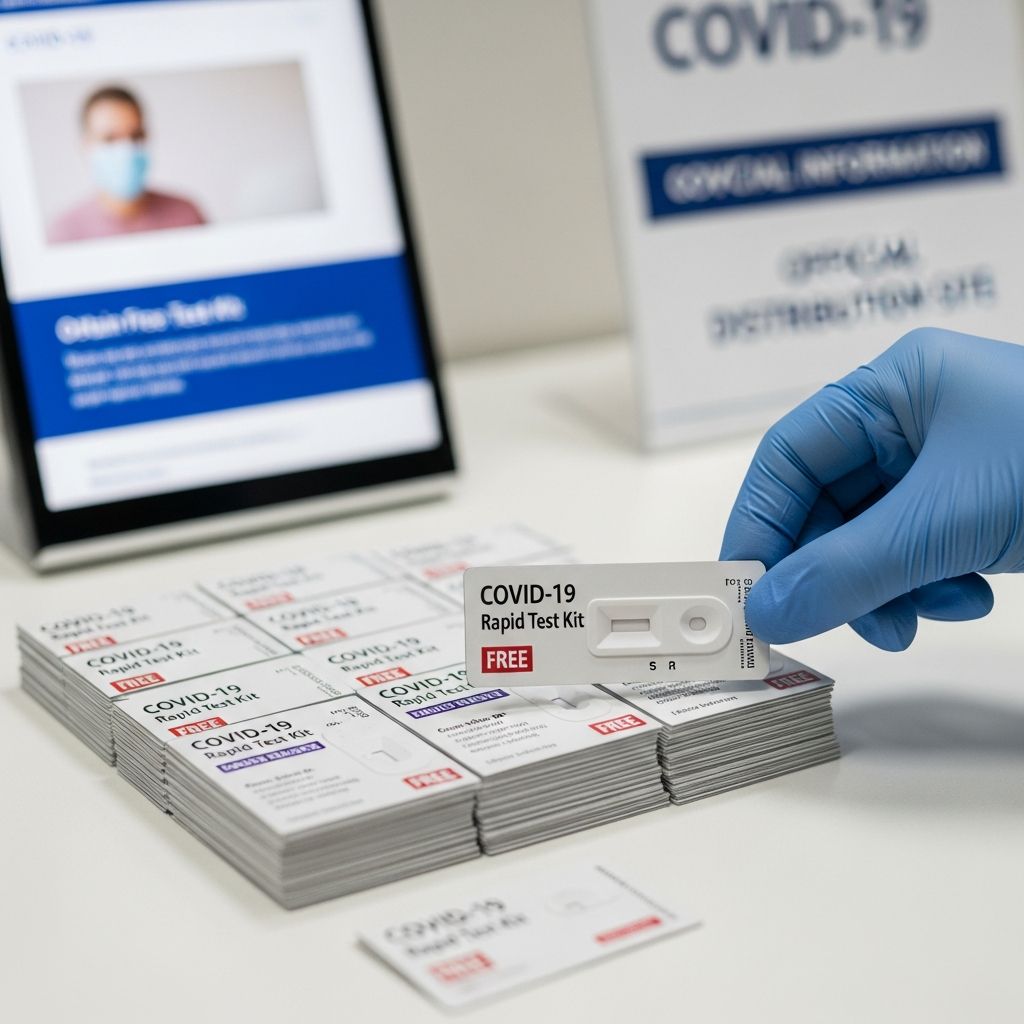
Free or low-cost COVID-19 test kits have been an important tool for many households, especially during surges and holiday travel seasons. Federal programs have periodically mailed free at-home tests to U.S. addresses, and other public health initiatives continue to offer tests in certain communities. But whenever the government offers something for free, scammers try to exploit the situation by pretending to be official agencies and tricking people into sharing money or personal information.
This guide explains how to use official channels to order free test kits when programs are active, how to double-check expiration dates before throwing tests away, and how to recognize and report scams that misuse the names of federal agencies.
1. Understanding Free COVID Test Programs
Over the course of the pandemic, several federal initiatives have provided free at-home test kits shipped by mail, along with no-cost testing options at community locations. These programs change over time depending on funding, supply, and public health needs, so the details in your area may not be identical to past offerings.
1.1 The national at-home test mailing program
The federal government has previously allowed every U.S. household to order a set number of rapid antigen test kits online for delivery by the U.S. Postal Service, at no cost for the tests or shipping. When active, this program has worked roughly as follows:
- Orders are placed through the official website COVIDTests.gov, which then links to a secure U.S. Postal Service ordering page.
- Each residential mailing address can request up to a specific limit of tests (for example, four tests per household during some rounds).
- Tests are rapid at-home kits authorized by the U.S. Food and Drug Administration (FDA).
- Shipping is free, and no payment information is required.
Because this program opens and closes at different times, it is important to check official government sources to see whether new orders are currently being accepted.
1.2 Other no-cost and low-cost testing options
Even when home-delivery programs are paused, you may still be able to find free or reduced-cost testing through other channels:
- Local health departments, which may host pop-up or permanent testing sites.
- Community health centers and clinics supported by federal or state funds.
- Pharmacies and medical facilities that bill your health insurance for the cost of testing.
- Programs focused on uninsured or underserved communities, sometimes funded by the U.S. Department of Health and Human Services (HHS).
Insurance coverage rules can change. For current details about costs under Medicare, Medicaid, or private insurance, check your plan or relevant government sites.
2. Ordering Tests Safely Through Official Channels
When a federal mail-delivery program is active, scammers often send fake emails, texts, or social media messages that look official. Knowing exactly what the legitimate process requires helps you spot impostors instantly.
2.1 What a real federal test order requires
When ordering through the official pathway starting at COVIDTests.gov, you should expect a very simple form.
| Information type | Required? | Notes |
|---|---|---|
| Full name | Yes | Used to label and deliver your order. |
| Shipping address | Yes | Residential U.S. address for delivery. |
| Email address | No (optional) | Only needed if you want delivery updates via USPS. |
| Payment or bank details | No | Legitimate programs do not charge for tests or shipping. |
| Social Security number | No | Not required to receive free test kits. |
If a website, caller, or message asks for more than this basic information to send you “government” test kits, it is a warning sign of fraud.
2.2 How to reach the official site safely
- Type the address yourself: Enter COVIDTests.gov directly into your browser instead of clicking links in messages.
- Verify the domain: Confirm that the site address ends in
.gov, indicating a U.S. government domain. - Follow the redirect carefully: When you click to place an order from COVIDTests.gov, you should be sent to a U.S. Postal Service subpage dedicated to test orders.
- Avoid search ads: Scam sites sometimes buy search ads that appear above official results. Scroll until you see clearly labeled government pages.
3. Recognizing and Avoiding COVID Test Scams
Scammers use many of the same tricks seen in other government impostor scams, such as fake Social Security or tax calls, but tailor them to current health programs. Understanding common tactics helps you protect yourself and others.
3.1 Red flags that signal a scam
Be skeptical if you encounter any of the following while trying to get COVID test kits:
- Unexpected calls, texts, or emails claiming to be from a federal agency offering to “help” you order tests or secure special access.
- Requests for payment such as credit card numbers, bank details, wire transfers, cryptocurrency, or prepaid cards to cover “shipping,” “processing fees,” or “priority handling.”
- Demands for sensitive data, including your Social Security number, Medicare or Medicaid number, or full date of birth, in exchange for free tests.
- Promises of extra kits or priority status in return for a fee or a subscription.
- Pressure tactics like “act now or lose your right to free tests,” especially if accompanied by threats or aggressive language.
- Suspicious web addresses that mimic official sites but have spelling errors, added words, or end with unfamiliar domains.
3.2 How scammers may misuse your information
Fraudsters often want more than a single payment. If they capture your personal or health information, they may:
- Submit fraudulent claims to government health programs in your name.
- Attempt identity theft or open new accounts using your data.
- Sell your information to other scammers for future schemes.
That is why legitimate federal programs work hard to keep ordering requirements minimal, and why you should never feel compelled to share details that are unrelated to delivering a package.
4. Checking COVID Test Expiration Dates Correctly
Many people throw away unused test kits once the printed expiration date passes, but manufacturers sometimes extend the shelf life of tests after gathering additional stability data. The FDA reviews these data and may authorize new, later expiration dates.
4.1 Why expiration dates change
At-home test kits contain reagents and components that can lose accuracy over time. When a test is first authorized, the expiration date is based on available data about how long those materials stay reliable in real-world conditions. As more data accumulate, manufacturers may show that the tests remain accurate longer than initially expected. When that happens, the FDA can officially extend the product’s shelf life, effectively pushing the expiration date forward.
4.2 How to verify updated dates before discarding tests
Before you throw away any unopened home test kit, follow these steps to see if it is still usable:
- Find the test brand and lot number on the box or packaging.
- Visit the FDA’s at-home test page, which lists authorized over-the-counter COVID-19 diagnostic tests and provides information on updated expiration dates when available.
- Look up your specific test and compare the printed date with the FDA’s guidance. Some kits remain valid even if the date on the box has passed, while others do not.
- Store tests correctly according to manufacturer instructions to preserve accuracy (for example, avoiding temperature extremes).
Checking with the FDA helps you avoid wasting good tests and ensures you are not relying on kits that are too old to work properly.
5. Practical Tips for Safer Testing at Home
Once you have test kits from a trusted source, proper use is crucial to getting reliable results and protecting those around you.
5.1 Using at-home tests effectively
- Read the manufacturer’s instructions before you start. Each test has specific steps and timing.
- Test at appropriate times—for example, if you have symptoms, after known exposure, or before visiting high-risk individuals, following public health recommendations.
- Repeat testing when advised, such as using multiple tests over several days if an initial result is negative but you still have symptoms.
- Follow isolation and masking guidance if you test positive, especially around people at higher risk for severe illness.
5.2 Storing tests so they stay accurate
- Keep kits in a cool, dry place within the temperature range listed in the instructions.
- Avoid storing tests in cars, bathrooms, or near windows where temperature and humidity fluctuate.
- Check the solution vials and swabs for damage or leaks before use; do not use damaged components.
6. What to Do if You Encounter a Scam
If you suspect someone is using COVID tests as a pretext to commit fraud, acting quickly can help protect you and others.
6.1 Steps to take immediately
- Stop all contact with the suspected scammer. Do not respond to messages or return calls.
- Do not pay any requested fees and do not send additional personal information.
- Monitor your accounts and credit reports if you shared financial or identity data, and notify your bank or card issuer of any unauthorized transactions.
6.2 Reporting fraud to authorities
The Federal Trade Commission (FTC) collects reports of scams that misuse federal program names and other deceptive tactics. These reports help law enforcement identify patterns, shut down fraudulent operations, and warn the public about new schemes.
- File a report with the FTC through its fraud-reporting portal, providing details about calls, emails, texts, or websites you encountered.
- Share any supporting information you have—such as phone numbers, email addresses, screenshots, or transaction receipts.
- Encourage friends and family, especially older adults, to report if they have been contacted by similar schemes.
In addition, you may wish to report suspicious medical billing or health program misuse to relevant state or federal hotlines, especially if you believe your Medicare, Medicaid, or other health coverage information was involved.
7. Quick Checklist: Safe vs. Suspicious Offers
Use this side-by-side comparison when you are not sure whether an offer for “free government COVID tests” is trustworthy.
| Safe Characteristics | Suspicious Characteristics |
|---|---|
You start at a .gov website you typed yourself (for example, COVIDTests.gov). | You reach the site by clicking a link in an unsolicited text or email, or from an unfamiliar social media post. |
| Order form asks for name and shipping address only; email is optional for tracking. | Form demands Social Security number, bank or card data, or your full date of birth to get tests. |
| Tests and shipping are clearly stated as free, with no fees, subscriptions, or upgrades. | Offer requires payment for “handling,” “membership,” or “priority access,” or pressures you to pay quickly. |
| Information on expiration dates links to FDA resources for verification. | Site makes vague claims about test quality or shelf life with no way to confirm details. |
| Messages use consistent government branding and direct you to recognized agencies. | Communications contain spelling mistakes, aggressive language, or unfamiliar logos. |
Frequently Asked Questions (FAQs)
Q1: How do I know if the free test-by-mail program is currently available?
Check the official website COVIDTests.gov or trusted federal health pages such as HHS or USA.gov. If ordering is paused, these sites will usually note that the program is not currently accepting new orders.
Q2: Can the government call or text me to sign me up for free tests?
Legitimate federal agencies do not cold call, text, or email you to collect payment or personal information in order to send free test kits. If someone contacts you unexpectedly and asks for sensitive data or money, it is a scam.
Q3: What if I already paid someone who claimed to be from a government test program?
Contact your bank or card issuer immediately to ask whether the transaction can be reversed, change any compromised passwords, and monitor your accounts. Then report the scam to the FTC and, if health information was involved, to your health plan or relevant government hotlines.
Q4: Are all at-home tests on store shelves FDA-authorized?
Not every product marketed as a COVID test is necessarily authorized. To confirm that a test is FDA-authorized for at-home, over-the-counter use, check the FDA’s list of approved home diagnostic tests and compare the brand and model with the listing.
Q5: Where else can I find free or low-cost testing if I cannot get mail-order kits?
You may find testing through local health departments, community health centers, certain pharmacies and clinics that bill insurance, or special federal and state programs for uninsured and underserved populations. USA.gov and HHS maintain updated information and links to help you locate nearby options.
References
- How to order free COVID test kits from the federal government and avoid scammers — Federal Trade Commission. 2024-10-01. https://consumer.ftc.gov/consumer-alerts/2024/10/how-order-free-covid-test-kits-federal-government-avoid-scammers
- Free COVID-19 Tests Available: Visit COVIDTests.gov — HIV.gov (U.S. Department of Health and Human Services). Updated 2024-10-08. https://www.hiv.gov/blog/free-covid-19-tests-available
- Coronavirus (COVID-19) Testing — U.S. Department of Health and Human Services (HHS). 2024-05-17. https://www.hhs.gov/coronavirus/testing/index.html
- COVID-19 testing and vaccinations — USA.gov. 2024-06-20. https://www.usa.gov/covid-tests-vaccinations
- At-Home OTC COVID-19 Diagnostic Tests — U.S. Food and Drug Administration. 2025-02-14. https://www.fda.gov/medical-devices/coronavirus-covid-19-and-medical-devices/home-otc-covid-19-diagnostic-tests
- How to Get Tested for COVID-19 — California Department of Public Health. 2024-09-10. https://www.cdph.ca.gov/Programs/CID/DCDC/Pages/COVID-19/How-to-Get-Tested.aspx
Similar Articles








Read full bio of Sneha Tete


