
The Ultimate Guide to Safeguarding Your Vote: Essential Election Day Rights
Empower yourself with a comprehensive understanding of federal voting laws and protections.
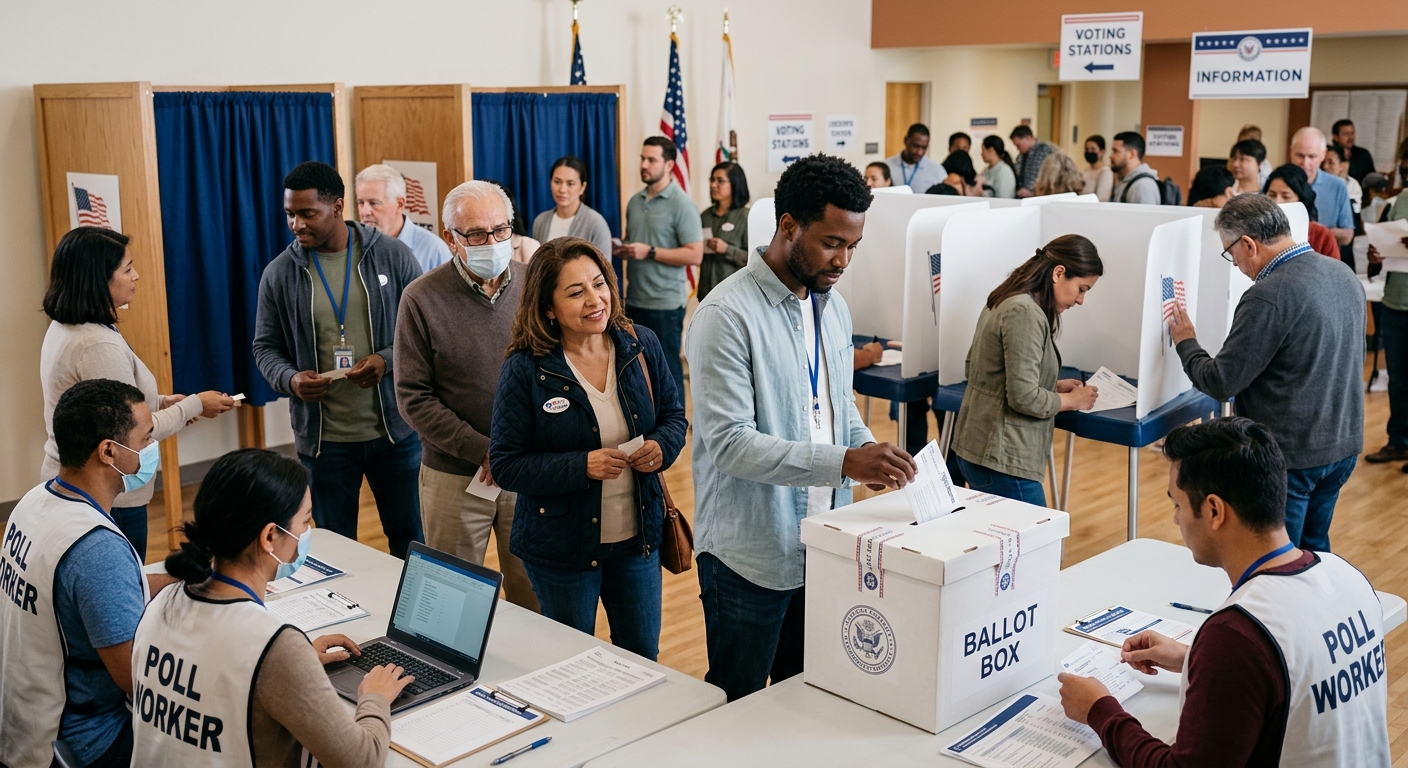
The foundation of any robust democracy is the unhindered ability of its citizens to cast a ballot and have that ballot accurately counted. Despite the fundamental nature of this right, voters occasionally encounter systemic and logistical hurdles at the polls. Ranging from unanticipated administrative errors and unusually long lines to accessibility issues and even deliberate attempts at intimidation, these obstacles can make the voting process feel daunting. However, federal laws provide powerful shields to ensure that your voice is heard.
Understanding the legal frameworks that protect voters is the first step toward civic empowerment. When individuals are equipped with knowledge about their rights under federal legislation, they transition from passive participants to active defenders of the democratic process. This comprehensive guide explores the core protections afforded to American voters, detailing exactly what to do if you face challenges on Election Day.
The Federal Framework: Laws Protecting Your Ballot
Several landmark pieces of legislation serve as the bedrock of voter protection in the United States. While state laws dictate the specific mechanisms of election administration, these federal statutes establish the minimum standards that all states must meet, ensuring a baseline of equality and access.
- The Voting Rights Act of 1965 (VRA): This historic civil rights law explicitly prohibits discriminatory voting practices. Notably, Section 11(b) of the VRA broadly outlaws intimidation, threats, and coercion throughout every stage of the voting process. Section 2 further guards against the denial or restriction of voting rights based on race or color.
- The Help America Vote Act of 2002 (HAVA): Enacted to address systemic issues exposed during the 2000 presidential election, HAVA revolutionized election administration. Among its most critical components is Section 302, which mandates the availability of provisional ballots, acting as a crucial fail-safe for voters facing registration disputes.
- The Americans with Disabilities Act of 1990 (ADA): Title II of the ADA requires state and local governments to ensure that people with disabilities have a full and equal opportunity to vote. This extends to voter registration, polling place accessibility, and the provision of necessary accommodations.
Navigating Common Election Day Obstacles
Registration Discrepancies and the Power of Provisional Ballots
One of the most frustrating scenarios a voter can face is arriving at their designated polling location only to be told that their name does not appear on the official voter registration roll. This situation can arise from clerical errors, recent changes in address, or aggressive voter roll purges. If this happens to you, do not immediately leave the polling location.
Under Section 302 of the Help America Vote Act (HAVA), you possess the federal right to request and cast a provisional ballot. A provisional ballot serves as a protective net. It records your electoral choices while election officials investigate your registration status post-election. To utilize this fail-safe, you must execute a written affirmation stating that you are a registered voter in the jurisdiction and are eligible to vote in that specific election.
Once you have cast a provisional ballot, election officials are legally required to provide you with written information detailing how you can check whether your ballot was eventually counted, and if not, the specific reason for its rejection. Never let a poll worker turn you away without offering this critical alternative.
Enduring Polling Delays: The Golden Rule of Staying in Line
High voter turnout, technical malfunctions with voting machines, or understaffed polling locations can lead to exceptionally long lines, sometimes stretching for blocks. As the official closing time for the polls approaches, anxiety often ripples through the crowd of waiting voters.
The established legal consensus across the United States is clear: if you are physically in line at your assigned polling place before the official closing time, you have the absolute right to cast your ballot. Election officials will typically designate a poll worker or place a marker at the end of the line right at closing time to indicate the cutoff point. If anyone attempts to disperse the line or turn you away while you were queued prior to the deadline, firmly state that you were in line before closing and are legally entitled to vote.
Combating Voter Intimidation and Harassment
Voter intimidation is a serious federal offense. Section 11(b) of the Voting Rights Act explicitly forbids any individual, whether a private citizen or a government actor, from intimidating, threatening, or coercing another person for voting or attempting to vote. This protection applies equally to the act of registering to vote and the act of assisting others in the electoral process.
Intimidation can manifest in various overt and subtle forms. According to the United States Department of Justice, prohibited conduct may include, but is not limited to:
- Aggressive Questioning: Unauthorized individuals aggressively demanding documentation, questioning your citizenship status, or challenging your criminal record without legal standing.
- Physical Obstruction: Individuals blocking the entrance to the polling place, closely tailing voters, or attempting to physically impede someone from casting their ballot.
- Disinformation Campaigns: Distributing knowingly false information regarding the time, place, or manner of voting—often via robocalls or flyers—with the intent to prevent eligible individuals from voting.
- Invasions of Privacy: Doxing, unwanted surveillance, or photographing voters at the polls in a harassing manner designed to discourage civic participation.
If you encounter intimidation, do not engage in a physical altercation. Instead, immediately report the behavior to the chief election official at your polling location. If the issue is not resolved, or if you feel in immediate danger, contact local law enforcement. Furthermore, such civil rights violations should be reported to the Civil Rights Division of the Department of Justice or a non-partisan voter protection hotline.
Ensuring Equal Access: Accommodations for Every Voter
Protections for Voters with Disabilities
The Americans with Disabilities Act mandates that voting must be accessible to all. Title II of the ADA requires that the path of travel from the parking lot to the voting booth must be free of physical barriers for individuals utilizing wheelchairs, scooters, or other mobility aids. If a polling location is structurally inaccessible and no temporary solutions (like portable ramps) can resolve the issue, election administrators are obligated to offer alternative voting methods, such as curbside voting.
Beyond physical access, the ADA and the Help America Vote Act require every polling location to have at least one accessible voting system. These machines allow voters with vision impairments, manual dexterity issues, or other disabilities to cast their ballots privately and independently, often utilizing audio balloting interfaces, tactile keypads, or sip-and-puff technology.
Additionally, voters with disabilities are legally permitted to bring a service animal into the polling place, even if the building otherwise enforces a “no pets” policy. If you require assistance marking your ballot, federal law allows you to bring a person of your choosing into the voting booth to help you, provided that person is not your employer, an agent of your employer, or an officer/agent of your labor union.
Language Assistance and Minority Support
For citizens whose primary language is not English, the voting process can present unique challenges. Section 203 of the Voting Rights Act requires certain jurisdictions to provide bilingual written materials and language assistance at the polls. This mandate is triggered when a jurisdiction has a significant population of voting-age citizens from a single language minority group who possess limited English proficiency.
In these designated jurisdictions, everything from voter registration forms and polling place signage to the actual ballot itself must be provided in the minority language. Even if you reside in a jurisdiction not covered by Section 203, the broader provisions of the Voting Rights Act allow you to bring an interpreter of your choice into the voting booth to assist you in understanding the ballot.
Quick Reference: What to Do If Your Rights Are Violated
When facing challenges at the polls, quick and decisive action is required. Use the following table as a quick reference guide for common Election Day issues.
| Scenario Encountered | Immediate Action Required | Legal Backing |
|---|---|---|
| Name missing from the voter roll. | Demand a provisional ballot before leaving the polling site. Do not accept a verbal rejection. | Section 302 of the Help America Vote Act (HAVA). |
| Polls close while you are waiting in line. | Stay in line. Do not leave. Inform anyone who tries to disperse the crowd that you arrived before the deadline. | General federal and state legal consensus regarding queue cutoff times. |
| Encountering intimidation or harassment. | Report to the Chief Election Judge. Call a voter protection hotline. Document details safely. | Section 11(b) of the Voting Rights Act of 1965. |
| No wheelchair access or accessible voting machine. | Request curbside voting or demand access to the mandated accessible voting machine. | Title II of the Americans with Disabilities Act (ADA). |
| Need help translating the ballot. | Bring a friend, family member, or interpreter of your choice (excluding your boss or union rep). | Section 208 of the Voting Rights Act of 1965. |
Frequently Asked Questions (FAQ)
Do I need to show a photo ID to vote?
Voter identification requirements vary significantly depending on the state in which you reside. Some states require strict government-issued photo identification, while others accept non-photo IDs like utility bills or bank statements. Some states require no ID at all for voters whose identities are already verified on the rolls. However, under HAVA, first-time voters who registered by mail and did not provide identification at the time of registration may be required to show an ID when voting for the first time. Always verify your specific state’s ID laws before heading to the polls.
What happens if I make a mistake on my ballot?
If you accidentally mark the wrong candidate, tear your ballot, or make any other error before submitting it, do not panic. You have the right to request a new ballot. Simply take the spoiled ballot to a poll worker, who will void it and issue you a fresh one. Do not cast a ballot that does not accurately reflect your choices.
Can partisan poll watchers challenge my eligibility?
While many states allow political parties to appoint partisan poll watchers to observe the election process, these individuals have strict limitations. They are generally not permitted to speak directly to voters, inspect voters’ private ballots, or aggressively interrogate individuals. If a poll watcher wishes to challenge a voter’s eligibility, they usually must do so through the official election judge, and they must have a good-faith basis for the challenge. Frivolous or discriminatory challenges violate federal anti-intimidation laws.
Is it legal to wear political clothing to the polls?
Most states have “electioneering” laws that prohibit individuals from campaigning within a certain distance of the polling place entrance (usually 50 to 100 feet). This ban often extends to wearing apparel—such as hats, t-shirts, or buttons—that clearly advocates for or against a specific candidate or ballot measure currently up for a vote. To avoid being asked to cover up or change clothes, it is highly recommended to wear neutral clothing to the polling station.
Conclusion
The integrity of the electoral process relies heavily on the active participation and vigilance of informed citizens. By understanding your federal rights—ranging from the fail-safe mechanism of provisional ballots under HAVA to the robust anti-discrimination and accessibility protections of the VRA and ADA—you can navigate Election Day with confidence. No voter should be turned away due to administrative oversight, intimidation, or a lack of physical access. Arm yourself with this knowledge, stand firm in your rights, and ensure that your democratic voice resonates loud and clear.
References
- Voting Rights Fact Sheet — U.S. Department of Justice. 2024-09-18. https://www.justice.gov/crt/voting-rights-fact-sheet
- Voting and Polling Places — ADA.gov (U.S. Department of Justice Civil Rights Division). 2024-04-18. https://www.ada.gov/resources/voting-polling-places/
- EAC Best Practices: Provisional Voting — U.S. Election Assistance Commission. 2023-07-02. https://www.eac.gov/election-officials/provisional-voting
- Help America Vote Act — U.S. Election Assistance Commission. 2025-12-23. https://www.eac.gov/about_the_eac/help_america_vote_act.aspx
Similar Articles








Read full bio of Sneha Tete


