
Safeguard Vital Papers Against Catastrophes
Essential strategies to protect your critical documents from floods, fires, and other disasters for faster recovery.
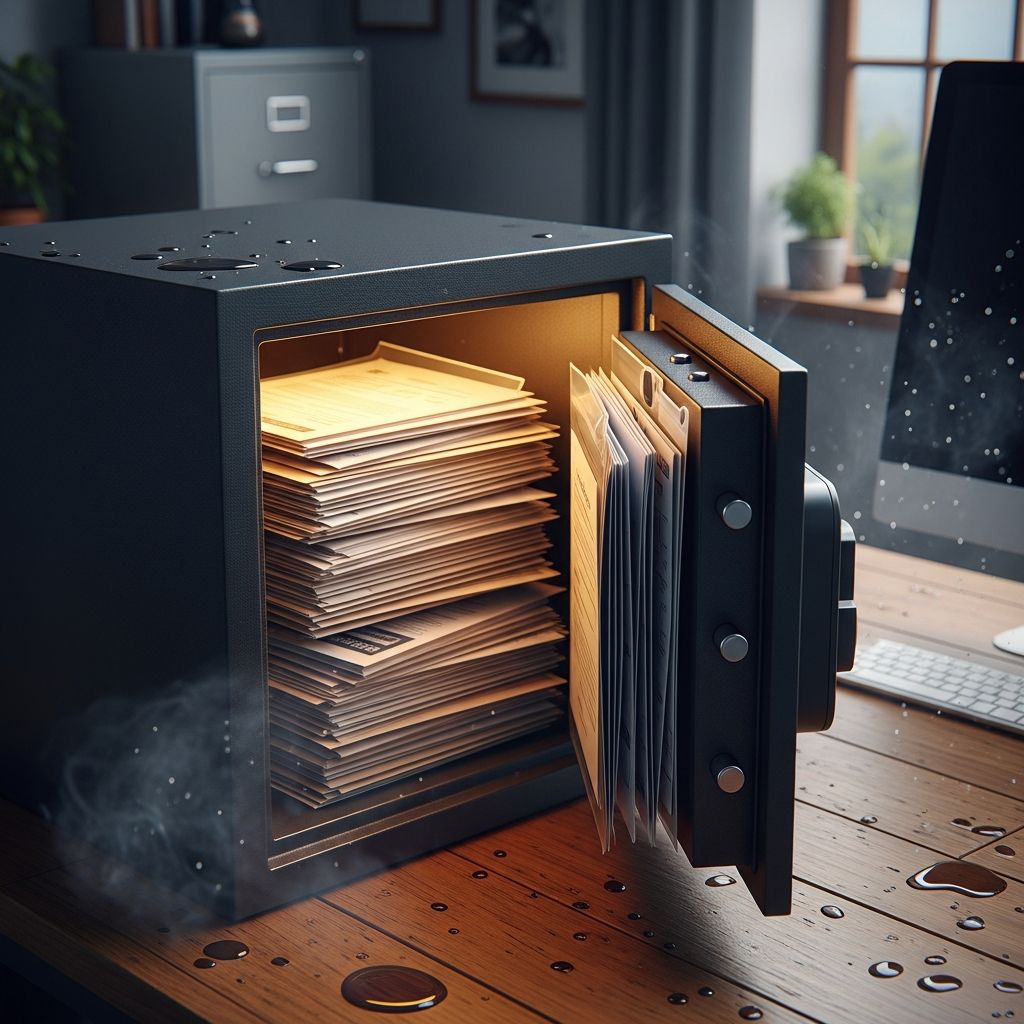
Natural disasters like floods, wildfires, hurricanes, and earthquakes can strike without warning, often destroying homes and the irreplaceable records inside them. Securing your vital papers beforehand allows you to prioritize safety and accelerate rebuilding efforts. This guide outlines comprehensive approaches to identifying, organizing, and protecting these assets using physical safeguards, digital tools, and strategic off-site storage.
Identifying Essential Documents for Protection
Begin by compiling a complete inventory of papers that prove identity, ownership, financial status, and health needs. Prioritize items hard to replace or critical for immediate post-disaster actions, such as claiming insurance or accessing accounts.
- Government IDs: Birth certificates, Social Security cards, passports, and driver’s licenses establish personal identity and enable government aid or travel.
- Financial Records: Bank statements, investment summaries, tax returns from recent years, and loan agreements support financial recovery and fraud prevention.
- Insurance Policies: Home, auto, life, and health coverage details, including policy numbers and agent contacts, are vital for claims processing.
- Legal Papers: Wills, trusts, powers of attorney, marriage/divorce decrees, and custody orders guide estate and family matters.
- Medical Information: Prescription lists, vaccination records, allergy details, and insurance cards ensure continuity of care.
- Property Titles: Deeds, vehicle registrations, and mortgage documents confirm ownership rights.
Extend this list to include digital credentials like login details for online banking, stored securely to prevent unauthorized access during chaos.
Physical Storage Solutions for Maximum Durability
Physical copies remain foundational due to their tangibility. Invest in containers designed to withstand extreme conditions like heat, water immersion, and impact.
| Storage Type | Protection Level | Best For | Accessibility |
|---|---|---|---|
| Fireproof/Waterproof Safe | High (UL-rated for fire up to 1700°F, waterproof seals) | Home storage of originals | Immediate, grab-and-go |
| Safe Deposit Box | High (bank vault security) | Valuables, originals not needed daily | Delayed (bank hours) |
| Waterproof Bags/Containers | Medium (flood-resistant plastics) | Emergency kits | Portable |
| Off-Site with Trusted Contact | Variable (depends on location) | Regional disaster backups | Remote access |
Store safes on upper floors away from flood-prone basements. Label contents clearly and include a master inventory list inside each location. Regularly inspect seals and update contents to reflect life changes like new policies or births.
Harnessing Digital Tools for Redundant Backups
Digitization multiplies protection by creating accessible copies immune to physical destruction. Scan documents at high resolution (300 DPI minimum) using a flatbed scanner or mobile apps, then organize files into folders by category with descriptive names like “2025_Tax_Return.pdf”.
- Cloud Platforms: Services like Google Drive, Dropbox, or iCloud offer encrypted storage with multi-device sync. Enable two-factor authentication and version history for updates.
- External Drives: USB flash drives or hard disks in protective cases provide offline redundancy. Encrypt with tools like BitLocker or VeraCrypt.
- Password Management: Apps such as LastPass or 1Password centralize credentials behind a single master key, shareable with executors via emergency access features.
For businesses, consider virtual safe deposit boxes from banks, which mimic traditional security in digital form. Test recovery processes quarterly by downloading files from alternate devices.
Creating a Multi-Layered Backup Strategy
No single method suffices; layer protections for resilience. Aim for the “3-2-1 rule”: three copies, two media types (paper/digital), one off-site.
- Originals in home fireproof safe.
- Digital scans on cloud and local drive.
- Secondary physical set with out-of-state relative, including safe deposit box key and access instructions.
Include household inventories—photos or videos of possessions—with these backups to bolster insurance claims. Update annually or after major events like home purchases.
Family and Business-Specific Considerations
For Families: Designate a “go-bag” with waterproof pouches for passports, cash, and medical info. Educate children on its location and involve them in drills.
For Businesses: Maintain compliant fire suppression systems and employee training protocols. Digitize contracts and client data for operational continuity. Use enterprise-grade cloud solutions with audit trails.
Pet owners should add veterinary records and microchip details. Seniors or those with disabilities need amplified medical directives and caregiver contacts.
Recovery Processes if Documents Are Lost
Even with precautions, losses occur. Know replacement paths:
- IDs: VitalChek or state offices for births/passports; SSA.gov for Social Security cards.
- Property: County recorders for deeds; DMV for titles.
- Insurance: Agent portals or FEMA assistance for proofs.
Post-disaster, prioritize FEMA applications requiring basic ID proofs. Digital backups often suffice for initial claims.
Frequently Asked Questions
What is the best fire rating for a home safe?
A UL Class 350 rating protects contents for 30 minutes at 1700°F, ideal for most residential fires.
How often should I update my digital backups?
Quarterly or after life events like marriages, births, or policy changes to keep information current.
Can cloud storage be trusted during widespread disasters?
Yes, major providers have redundant data centers; enable MFA for security.
What if I can’t afford a fireproof safe?
Use waterproof document bags in elevated locations combined with free cloud scans as a budget option.
Should I store cash or jewelry with documents?
Limited amounts in safes; valuables in bank boxes to avoid theft risks.
Proactive Steps to Implement Today
Schedule a weekend audit: gather papers, scan them, purchase storage, and distribute copies. Integrate into family emergency plans with evacuation routes. This preparation transforms potential chaos into manageable recovery, preserving financial stability and peace of mind.
References
- How to Organize Your Important Papers Before a Disaster Strikes — Federal Trade Commission. 2023-10-01. https://consumer.ftc.gov/node/77457
- 18 Key Documents to Include in Your Emergency Plan — Landmark CPAs. 2024-05-15. https://www.landmarkcpas.com/18-key-documents-to-include-in-your-emergency-plan/
- Keeping Your Documents Safe in Natural Disasters — Busey Bank Money Matters. 2024-08-20. https://moneymatters.busey.com/keeping-your-financial-documents-safe-in-natural-disasters
- How to Protect Important Documents from Water & Fire Damage — ServiceMaster Restoration by Fuson. 2025-04-10. https://www.servicemasterrestore.com/servicemaster-restoration-by-fuson/why-us/blog/2025/april/how-to-protect-important-documents-from-water-fire-damage/
- Protect Your Important Documents: Essential Tips for Environmental Emergencies — MMBB. 2025-02-01. https://www.mmbb.org/resources/e-newsletter/2025/february/protect-your-important-documents-essential-tips-for-environmental-emergencies
- Back Up Important Documents for Emergencies — Allstate. 2024-11-12. https://www.allstate.com/resources/disaster-help/back-up-documents
Similar Articles








Read full bio of Sneha Tete


