
Safeguard Evidence After Injury Accidents
Essential strategies to collect, document, and protect critical evidence following a personal injury incident for a stronger legal claim.
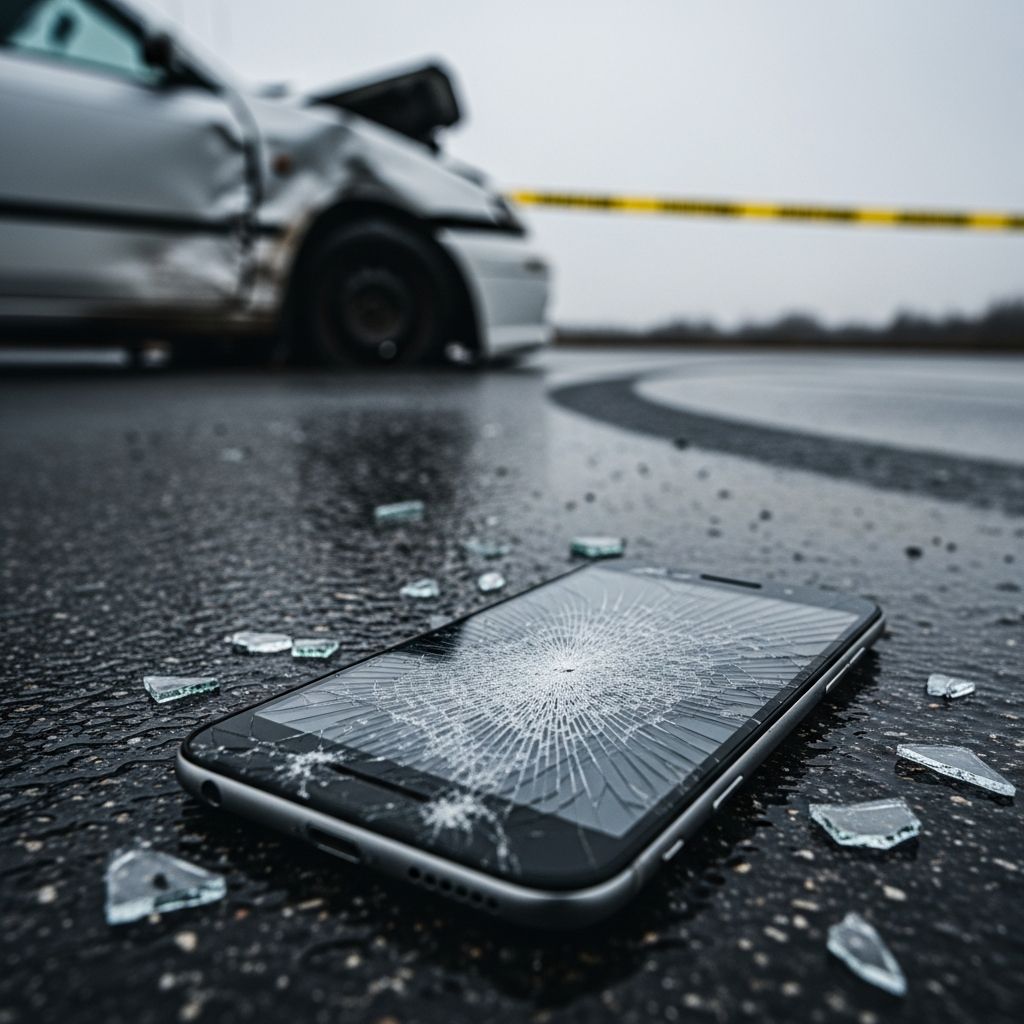
Immediately after a personal injury incident, securing reliable proof is vital for establishing fault, proving harm, and securing fair compensation. Acting swiftly to document and protect key materials strengthens your position against insurers or in court.
Understanding Evidence in Injury Claims
Evidence forms the foundation of any successful personal injury case, encompassing items that demonstrate liability and quantify damages. It includes visual records, official documents, testimonies, and tangible objects directly tied to the event.
Liability evidence pinpoints responsibility, such as traffic signals or surveillance capturing negligence. Damage evidence details impacts like medical costs, lost income, and pain through bills, reports, and personal accounts.
Immediate On-Scene Actions
Prioritize safety first, then methodically capture the environment before changes occur. This initial phase sets the evidentiary baseline.
- Photograph the overall scene, vehicle positions, road conditions, and traffic signs from multiple angles.
- Record visible injuries, property damage, and skid marks using your phone’s timestamp feature.
- Video walkthroughs provide dynamic context, showing sequences unavailable in still images.
These steps create an unaltered snapshot, invaluable when memories fade or scenes are cleared.
Capturing Witness Perspectives
Independent accounts from bystanders or participants corroborate your narrative and counter disputes. Collect details promptly while recollections are fresh.
- Obtain full names, phone numbers, emails, and addresses of all observers.
- Note their observations briefly on-site, including vantage points.
- Follow up for signed statements if possible, avoiding leading questions.
Witnesses often sway insurance negotiations or jury decisions by validating key facts.
Protecting Tangible Items
Physical remnants offer concrete proof of incident force and causation. Store them securely to prevent degradation or tampering.
| Type of Evidence | Examples | Preservation Tips |
|---|---|---|
| Vehicle Components | Bumpers, tires, airbags | Avoid repairs; photograph before towing. |
| Personal Belongings | Clothing, glasses, bags | Seal in bags; note conditions. |
| Product Defects | Broken tools, faulty seats | Label and store dry; expert inspection later. |
Do not clean, discard, or alter items, as this could undermine admissibility.
Medical Documentation Essentials
Professional records link injuries directly to the accident, forming the core of damage claims. Comprehensive files refute claims of exaggeration.
- Seek evaluation even for minor symptoms; delayed effects like whiplash emerge later.
- Request all reports: ER summaries, X-rays, therapy notes, prescriptions.
- Track ongoing treatments, including out-of-pocket costs and recovery timelines.
Organize chronologically to illustrate progression and long-term effects.
Official and Financial Records
Government and economic papers provide objective corroboration. Retain copies immediately.
- Secure police or incident reports detailing faults and measurements.
- Gather wage statements, tax returns for lost earnings proof.
- Compile bills, receipts for therapies, aids, transportation.
These quantify economic losses, essential for full recovery calculations.
Leveraging Digital and Surveillance Assets
Modern incidents yield electronic trails. Act fast as data overwrites quickly.
- Request traffic cams, store security footage from nearby businesses.
- Preserve dashcam, phone videos; back up to cloud.
- Save texts, emails exchanging details post-event.
Digital backups ensure redundancy against device failure.
Maintaining a Personal Injury Chronicle
A daily log captures subjective impacts invisible in records. Courts value this for non-economic damages like suffering.
- Detail pain levels (1-10 scale), sleep disruptions, mood changes.
- Record activity limitations, missed events, household help needs.
- Attach photos of evolving bruises or scars.
Consistency bolsters credibility over time.
Organizing and Storing Your Collection
Systematic management aids legal review. Use both analog and digital methods.
- Create labeled binders or folders: ‘Scene Photos,’ ‘Medical,’ ‘Finances.’
- Scan everything to encrypted cloud services like Google Drive or Dropbox.
- Index with dates, descriptions for quick retrieval.
Your attorney will integrate this into a compelling timeline.
Legal Pitfalls: Spoliation Risks
Destroying or losing evidence invites ‘spoliation’ sanctions, presuming it favored you. Defendants face this too.
Courts may instruct juries adversely or award fees. Always notify parties of key evidence early.
Partnering with Legal Experts
Professionals handle complexities like subpoenas and chains of custody. Provide your gathered materials promptly.
They identify gaps, expert needs, and negotiate effectively with robust proof.
Frequently Asked Questions
What if I can’t access the scene again?
Initial photos and videos suffice; witness descriptions and reports fill gaps. Official diagrams from police aid reconstruction.
Should I repair my car right away?
No—document extensively first. Repairs destroy vital evidence of impact severity.
How soon must I collect witness info?
Immediately; memories distort quickly. Exchange details before dispersal.
Is my phone video admissible?
Yes, if timestamped and unaltered. Backups preserve chain of custody.
What about delayed injuries?
Document as they appear; updated medicals link back via initial records.
References
- A Guide on Preservation of Evidence in a Personal Injury Case — RP Legal Group. 2023. https://rplegalgroup.com/a-guide-to-preservation-of-evidence-in-a-personal-injury-case/
- Mastering the Art of Evidence: Guide to Documenting and Preserving Evidence for Your Personal Injury Claim — Silver Law Group. 2024-05-15. https://www.silverlawgroup.com/blog/mastering-art-evidence-guide-documenting-and-preserving-evidence-your-personal-injury-claim
- Essential Steps for Preserving Evidence in Your Personal Injury Case — Watts Guerra LLC. 2024. https://wfirm.com/essential-steps-for-preserving-evidence-in-your-personal-injury-case/
- How to Preserve Evidence After a Car Accident — Brown, Bass & Jeter. 2023-11-20. https://bbjlawyers.com/blog/how-to-preserve-evidence-after-a-car-accident/
- Personal Injury Accidents: Preserve Evidence — Anthem EAP. 2024. https://www.anthemeap.com/learn/find-legal-support/resources/consumer-rights/legal-assist/personal-injury-accidents-preserve-evidence
Similar Articles








Read full bio of Sneha Tete


