
Safe 420 Celebrations: Legal Tips for Cannabis Users
Navigate 420 festivities responsibly with state-specific laws, public safety rules, and smart strategies to avoid legal troubles nationwide.
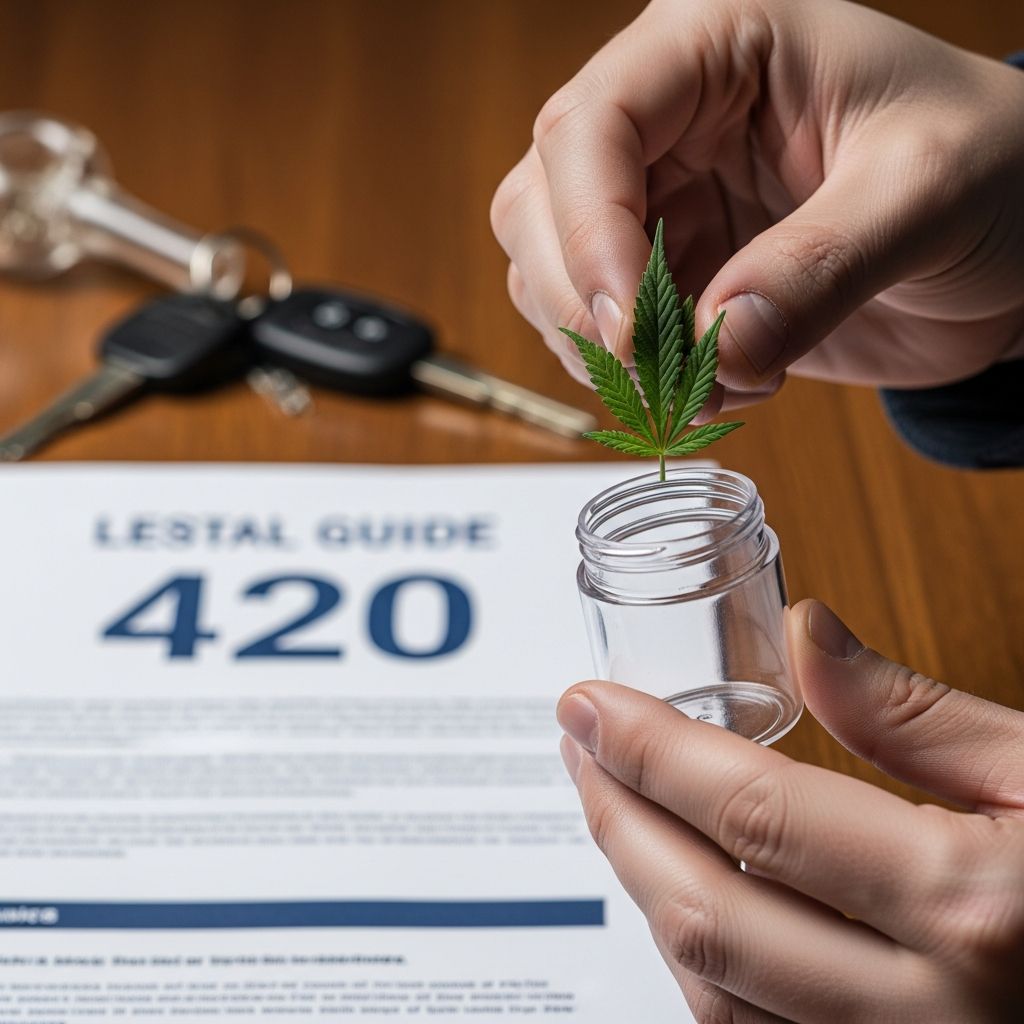
April 20th, known as 420, draws millions to commemorate cannabis culture through events, gatherings, and personal enjoyment. With cannabis legality varying widely across the U.S., responsible participation requires awareness of federal and state regulations to prevent arrests or penalties. This article outlines key strategies, drawing from current laws and upcoming 2026 changes, ensuring your observance remains lawful and enjoyable.
Understanding the Current Cannabis Legal Landscape
Cannabis policy in the United States remains fragmented. As of early 2026, 24 states permit adult-use cannabis, while others allow medical programs or maintain prohibitions. Federal law classifies marijuana as Schedule I under the Controlled Substances Act, though rescheduling to Schedule III is advancing per a 2025 executive order from President Trump, potentially easing research and state compliance by late 2026.
Key possession limits differ: in legal states like Colorado, adults 21+ can possess up to 2 ounces of flower; stricter medical-only states cap at smaller amounts with prescriptions. Always verify local ordinances, as cities often impose tougher rules than states.
- Federal vs. State Tension: Crossing state lines with cannabis risks federal charges, even between legal states.
- Age Restrictions: Strictly 21+ for recreational use; under-21 possession invites juvenile charges.
- Home Cultivation: Allowed in 20+ states with plant limits (e.g., 6 per adult in California), banned elsewhere like Washington until potential 2026 reforms.
State-by-State Possession Guidelines for 420
To celebrate without overstepping, know your state’s thresholds. Exceeding them escalates from civil fines to felonies.
| State | Recreational Possession Limit (21+) | Medical Limit | Notes |
|---|---|---|---|
| California | 1 oz flower / 8g concentrate | Higher with card | Home grow: 6 plants |
| Texas | None (illegal) | Low-THC only | Decrim efforts in 2026 bills |
| New York | 3 oz flower / 24g concentrate | Higher | Public use banned |
| Florida | Medical only | 2.5 oz / 35 days supply | 2026 ballot push for rec |
| Idaho | None | None | Anti-legalization amendment |
Table sourced from state summaries; check DISA for monthly updates. In prohibition states, even small amounts lead to arrests—opt for sobriety or relocation.
Driving and Impairment: Zero-Tolerance Realities
Impaired driving is illegal everywhere, with roadside tests detecting THC for days post-use due to its metabolites. No state has set a ‘safe’ THC blood limit like alcohol’s BAC; zero tolerance applies federally on highways.
- Plan Transportation: Designate a sober driver, use rideshares, or walk—never drive high.
- Open Container Laws: Cannabis in vehicles must be sealed and inaccessible, mirroring alcohol rules in most states.
- Field Sobriety Tests: Politely decline if possible; request chemical tests for accuracy.
In 2026, states like New Hampshire may expand legalization, but DUI penalties remain harsh: fines up to $10,000, license suspension, jail time.
Public vs. Private Consumption Rules
Public use invites citations even in legal states. Designated lounges exist in places like Nevada, but sidewalks, parks, and beaches are off-limits.
- Private Property: Safest on your own land or with host permission—avoid shared spaces without consent.
- Events and Festivals: 420 gatherings often prohibit on-site consumption; scout low-enforcement areas but prioritize discretion.
- Workplace and Schools: Zero-tolerance zones extend 1,000+ feet; residue on clothes can trigger tests.
Odor alone justifies stops in some jurisdictions—use ventilation and storage aids.
Hosting Gatherings Responsibly
Inviting friends for 420 means liability. Hosts can face charges for aiding possession or underage provision.
- ID Checks: Verify ages; serving minors risks felony charges.
- Quantity Control: Don’t supply—let guests bring legal personal amounts.
- Noise and Nuisance: Keep volumes low to avoid neighbor complaints leading to welfare checks.
In decriminalizing states like parts of Utah, small home shares may be fines-only, but err private.
Traveling with Cannabis: Airports and Roads
TSA allows medical cannabis per state law but confiscates recreational. Federally, any transport is trafficking.
- Flying: Leave it home; odors trigger searches.
- Road Trips: State-hop legally risky—consume in-state only.
- National Parks: Federal land bans all use.
Employment and Background Risks
420 use lingers in hair tests for 90 days. Federal jobs, trucking, and safety roles prohibit entirely.
- Disclosure: Medical cards don’t protect recreational jobs.
- Second Chances: Misdemeanors haunt records—expungement varies by state.
2026 Policy Shifts: What to Watch
Reform accelerates: New Hampshire’s HB 186 passed the House for adult-use regulation. Ballot fights loom in Arizona, Maine (repeal pushes), and Florida (expansion). Rescheduling could normalize banking and taxes, indirectly aiding safe access.
Pennsylvania and Indiana eye legalization bills; Idaho blocks voter power. Stay updated via MPP trackers.
Health and Safety Beyond Legalities
Legal doesn’t mean risk-free: overconsumption causes anxiety; mix with edibles cautiously (effects delayed 1-2 hours). Hydrate, eat, and have Narcan for opioid crossovers in mixed events.
Frequently Asked Questions (FAQs)
Q: Can I carry cannabis in legal states?
A: Yes, within possession limits, in odor-proof containers, not accessible while driving. Public use often banned.
Q: What’s the fine for possession in illegal states?
A: Varies; e.g., up to $1,000 and jail in Texas for under 2 oz. Decrim bills pending in some.
Q: Does medical status protect everywhere?
A: Only in issuing state; interstate reciprocity limited.
Q: Home growing safe for 420?
A: Legal where permitted (check plant caps); visible grows attract theft or raids.
Q: 2026 changes affect 420 this year?
A: Most ballots November 2026; prep for local shifts like NH legalization.
Final Strategies for Risk-Free Enjoyment
Start low, stay local, know limits, and consume privately. Apps track laws; consult attorneys for gray areas. Celebrate culture without compromising freedom—responsible use sustains progress.
References
- 2026 Cannabis Ballot Measures: Will Progress Be Pushed Forward or Rolled Back? — Marijuana Policy Project. 2026-01. https://blog.mpp.org/blog/2026-cannabis-ballot-measures-will-progress-be-pushed-forward-or-rolled-back/
- 2026 Cannabis Policy Reform Legislation and Voter Measures — Marijuana Policy Project. 2026-01. https://www.mpp.org/issues/legislation/key-marijuana-policy-reform/
- Which States Are Most Likely To Legalize Marijuana In 2026? — Marijuana Moment. 2026. https://www.marijuanamoment.net/which-states-most-likely-to-legalize-marijuana-in-2026/
- Marijuana Legality by State 2025 | Where Is Weed Legal? — DISA. 2025 (updated monthly). https://disa.com/marijuana-legality-by-state/
- Increasing Medical Marijuana and Cannabidiol Research — White House. 2025-12. https://www.whitehouse.gov/presidential-actions/2025/12/increasing-medical-marijuana-and-cannabidiol-research/
- Federal Marijuana Rescheduling: Process and Impact — Moritz College of Law, Ohio State University. 2025-12. https://moritzlaw.osu.edu/faculty-and-research/drug-enforcement-and-policy-center/research-and-grants/policy-and-data-analyses/federal-marijuana-rescheduling
Similar Articles








Read full bio of medha deb


