
Licensing Your Rhode Island Business: A Complete Guide
Navigate Rhode Island's business licensing requirements with clarity and confidence.
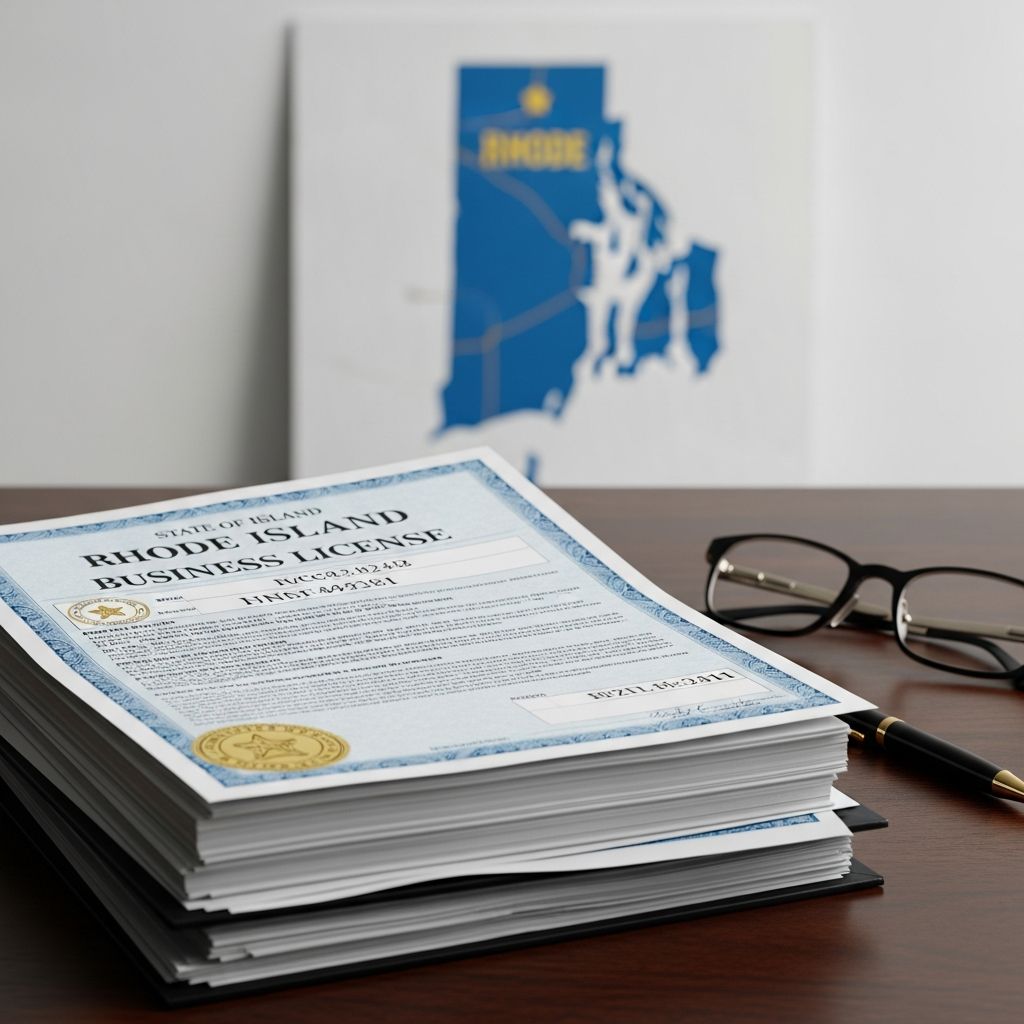
Understanding Business Licensing in Rhode Island
Starting a business in Rhode Island involves navigating a variety of regulatory requirements that vary based on your industry, business structure, and location. One of the most important steps is determining which licenses and permits your venture needs to operate legally. Unlike some states that impose a blanket business license requirement on all companies, Rhode Island takes a more tailored approach, focusing licensing requirements on specific industries and municipalities.
The licensing landscape in Rhode Island can seem complex at first glance, but understanding the basic categories and how they apply to your situation will help you move forward with confidence. Whether you’re launching a retail store, starting a service business, or opening a professional practice, the right preparation will ensure you meet all legal obligations from day one.
The Distinction Between Different License Types
When exploring business licensing, it’s essential to understand the different categories of requirements you may encounter. These typically fall into several distinct classifications, each serving a different regulatory purpose.
Industry-Specific Occupational Licenses
Many professions and trades require what are known as occupational licenses. These credentials certify that you possess the necessary knowledge, skills, and qualifications to operate in a particular field. Industries such as real estate, hair and beauty services, construction, food service, and alcohol distribution commonly require these specialized licenses. The state’s Department of Business Regulation oversees many of these occupational licensing requirements and provides application pathways for aspiring business owners in regulated fields.
Sales and Revenue Permits
If your business involves selling tangible goods or certain services, you’ll likely need a retail sales permit. This permit authorizes you to collect sales taxes on behalf of the state. The Rhode Island Division of Taxation manages these permits, and they apply whenever you’re conducting transactions that generate sales tax obligations. Important to note: if you operate multiple locations, you must obtain a separate permit for each physical location where you conduct business.
Municipal and Local Licensing
Beyond state-level requirements, your specific city or town may impose additional licensing mandates. Cities like Providence and Richmond have established their own licensing frameworks that apply to businesses operating within their jurisdictions. These local licenses often address neighborhood-specific concerns, zoning compliance, and local revenue collection. Always check with your city and county offices to understand what additional permissions you may need.
Zoning and Building Authorizations
Before opening your physical location, you may need zoning permits to confirm that your business use aligns with local land-use regulations. Building permits may also be required if you’re making structural modifications or improvements to your facility. These permits protect public safety and maintain neighborhood character standards.
Rhode Island’s Unique No-General-License Structure
Rhode Island stands apart from many states in one significant way: it does not require a general business license that applies to all companies regardless of their industry or nature. This means you won’t need to obtain a universal “business license” simply to do business in the state. Instead, the state focuses on industry-specific and location-specific requirements.
However, this doesn’t mean you can operate without proper registration and documentation. All businesses must register their entity type with the Rhode Island Secretary of State’s office. The registration process varies based on whether you’re operating as a sole proprietorship, partnership, limited liability company (LLC), or corporation. Registration fees differ accordingly: LLCs, for example, typically incur a $150 registration fee, while corporations might face fees around $230.
Identifying Your Specific Licensing Needs
The first critical step in your licensing journey is determining exactly which permissions and registrations your particular venture requires. This determination depends on several interconnected factors.
Business Type and Industry Classification
Your industry represents the primary driver of licensing requirements. Food service businesses operate under entirely different regulatory frameworks than construction firms or professional consulting practices. Alcohol-related enterprises face particularly stringent requirements, with licenses managed at the city and county levels. Regulated professions such as healthcare, law, and real estate each have distinct credentialing pathways.
Geographic Jurisdiction Considerations
Licensing requirements can vary significantly based on where you operate. State-level licenses apply across Rhode Island, but local requirements layer on top of these. Some municipalities have adopted general licensing systems that apply to all businesses, while others focus only on specific industry categories. The jurisdiction where you’ll physically operate your business—whether that’s one or multiple locations—determines which local requirements apply.
Your Chosen Business Structure
Whether you establish yourself as a sole proprietor, LLC, partnership, or corporation affects your licensing obligations. Sole proprietorships operating under the owner’s personal name typically require minimal state registration, though they must still comply with industry-specific and local requirements. Formal business entities require Secretary of State registration before they can legally operate.
Using Professional Resources for Clarity
The Rhode Island Business Assistant serves as a valuable tool for entrepreneurs trying to determine their specific requirements. By selecting your industry and location within this resource, you can generate a customized list of state-specific licenses and permits applicable to your situation. This targeted approach saves time and reduces the risk of overlooking critical requirements.
Common License Categories and Their Requirements
Seller’s Permits for Retail Operations
Any business selling products or services subject to sales tax must obtain a seller’s permit from the Rhode Island Division of Taxation. This permit is mandatory, not optional. Importantly, if you’re operating multiple retail locations or service outlets, you’ll need a separate permit for each location. This requirement ensures that the state can properly track and collect sales tax obligations from each distinct point of sale.
Liquor Licenses for Beverage Sales
Licensing for alcohol sales operates differently in Rhode Island compared to many state-level regulatory matters. Rather than receiving these licenses from the state, you apply through your city or county government. However, you’ll still need to obtain a Certificate of Good Standing from the Rhode Island Secretary of State as part of the process. The approval timeline for liquor licenses can range significantly—from as short as 40 days to as long as six months, depending on local procedures and application completeness.
Contractor Licensing for Construction Trades
Rhode Island maintains a statewide licensing requirement for all general contractors. The Contractors’ Registration and Licensing Board oversees this process. Beyond the state requirement, some individual cities and counties impose additional licensing requirements on construction professionals operating within their boundaries. Anyone in the construction trades should verify requirements at both the state and local levels.
Professional and Healthcare Licenses
Professions requiring individual credentials—such as real estate agents, licensed therapists, healthcare providers, and other regulated practitioners—must maintain their personal professional licenses. Many of these professionals also need separate business licenses for the enterprises through which they provide services. The Department of Business Regulation oversees applications for many of these specialized credentials and can provide guidance on required certifications and examination procedures.
The Application Process: From Research to Approval
Step One: Comprehensive Research and Planning
Before submitting any applications, conduct thorough research on all applicable requirements. Start with the Rhode Island Business Assistant to identify state-level requirements. Then contact your local city and county offices to understand additional municipal licensing. Review the websites of relevant state agencies—the Department of Health for food businesses, the Division of Taxation for sales permits, the Department of Business Regulation for professional licenses. This groundwork prevents delays caused by incomplete or incorrect applications.
Step Two: Document Preparation and Submission
Most Rhode Island licensing applications can now be completed and submitted online, which streamlines the process considerably. Before submitting, carefully review each application to ensure accuracy and completeness. Missing information or errors can result in application rejection and significant delays. Some applications include questionnaires about your business operations—answer these thoroughly and honestly. Online payment options are typically available, though credit card payments may incur additional processing fees.
Step Three: Status Monitoring and Patience
After submitting applications online, you can typically track their status through the same platforms. Create accounts with each relevant agency to access updates on your applications. Processing times vary considerably based on the license type, the reviewing agency, and the complexity of your application. Food service permits, liquor licenses, and specialized occupational certifications each have different typical timelines. Maintaining communication with licensing agencies during the review period can help address any questions or concerns promptly.
Special Considerations for Different Business Structures
Sole Proprietorships and Registration Requirements
If you’re operating as a sole proprietor under your own name, you typically don’t need to register with the Rhode Island Secretary of State or obtain a general business license. However, if you plan to conduct business under a different name (a ”doing business as” scenario), you must register with your city or county. Additionally, sole proprietorships are not exempt from industry-specific or occupational licensing requirements—if your field requires a license, you must obtain it regardless of your business structure.
LLC and Corporation Registration
Limited liability companies and corporations must file Articles of Organization or Articles of Incorporation with the Secretary of State before they can legally conduct business. These entities then need to comply with all applicable industry-specific and local licensing requirements in addition to their state registration.
Multi-Location Operations and Expansion
If you initially succeed with your single-location business and decide to expand by opening additional locations, your licensing requirements multiply. Most permits—particularly seller’s permits, food service licenses, and health permits—are location-specific. Each new location typically requires its own complete set of licenses and permits. This is especially important for restaurant owners, retailers, and service providers planning growth. Budget for additional licensing costs and timelines when developing expansion strategies.
Frequently Asked Questions About Rhode Island Business Licensing
Q: Does Rhode Island require all businesses to have a general business license?
A: No. Rhode Island does not impose a statewide general business license requirement on all companies. Instead, licensing requirements are determined by industry and location. However, all businesses must register their entity type with the Secretary of State.
Q: How much time should I budget for obtaining all necessary licenses?
A: Timeline varies significantly depending on your industry and location. Simple registrations might complete within days, while liquor licenses can take 40 days to six months. Plan for at least several weeks and submit applications well in advance of your intended opening date.
Q: If I operate in multiple cities, do I need separate licenses for each location?
A: Yes. Most permits—especially seller’s permits, health permits, and local licenses—must be obtained for each physical location. Plan to apply for separate licenses for each city or county where you operate.
Q: Can I operate as a sole proprietor without registering with the state?
A: If you operate under your own name, you don’t need Secretary of State registration. However, if you use a business name different from your personal name, you must register locally. You’ll still need to obtain any industry-specific or occupational licenses required for your field.
Q: Where can I find information about my city’s specific licensing requirements?
A: Contact your city or town clerk’s office directly, or visit your municipality’s official website. Each city maintains its own licensing procedures and fee structures. The Rhode Island Business Assistant also provides guidance for identifying municipal requirements.
Q: What if my application is denied or requires corrections?
A: The reviewing agency will contact you with specific reasons for denial or correction requests. Address all concerns completely and resubmit. Maintaining communication with the agency throughout the process helps prevent delays.
Resources and Support for the Licensing Process
Rhode Island provides several resources to help entrepreneurs navigate licensing requirements. The Secretary of State’s Division of Business Services offers step-by-step instructions for forming and registering businesses. The Department of Business Regulation handles professional and occupational licensing. Local city and town clerk offices manage municipal requirements. The Small Business Administration’s Rhode Island District office provides additional entrepreneurial guidance.
For entrepreneurs seeking professional assistance, various service providers can conduct licensing research and handle application processes, though these services involve additional costs beyond standard application fees.
Moving Forward with Confidence
Obtaining the correct licenses and permits protects your business legally and ensures compliance with Rhode Island’s regulatory framework. Take time to thoroughly research your specific requirements before launching. Submit complete, accurate applications and monitor their progress. By addressing licensing comprehensively from the start, you establish a solid foundation for your Rhode Island business operation.
References
- Rhode Island Secretary of State – Business Services Division — State of Rhode Island. https://www.sos.ri.gov/divisions/business-services
- Rhode Island Division of Taxation – Business Registration — State of Rhode Island Department of Revenue. https://www.ri.gov/taxation/BAR/
- Rhode Island Department of Business Regulation — State of Rhode Island. https://dbr.ri.gov/
- Doing Business in Rhode Island: SBA Guide — U.S. Small Business Administration. https://www.sba.gov/district/rhode-island/doing-business-rhode-island-district
- Contractors’ Registration and Licensing Board — State of Rhode Island. https://dbr.ri.gov/divisions/building-construction-trades
Similar Articles








Read full bio of medha deb


