
RFID Protection Gear: Essential or Overhyped?
Uncover the truth about RFID-blocking products: Do backpacks, wallets, and sleeves truly shield your data from digital thieves?
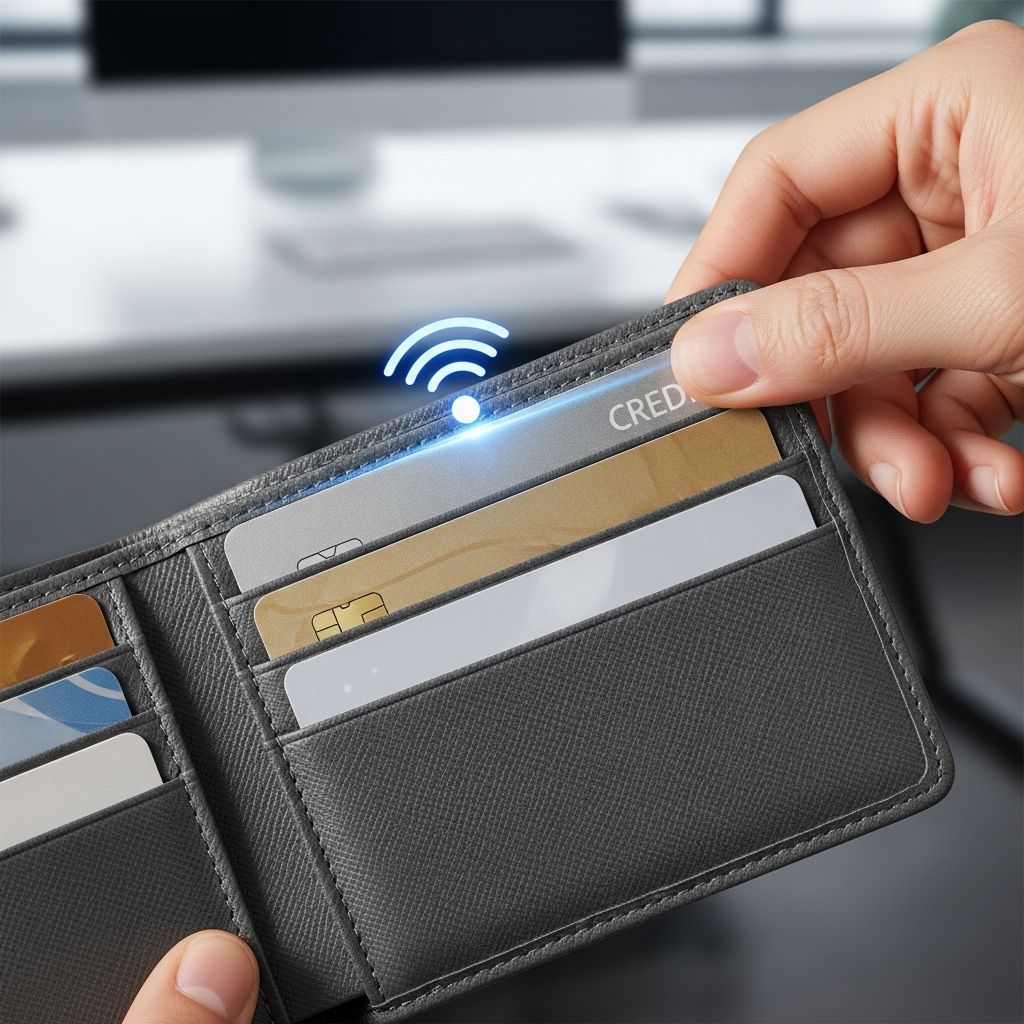
In a world where contactless payments and smart IDs are everywhere, the fear of invisible data theft looms large. RFID-blocking products—from backpacks to wallets—promise to shield your cards from sneaky scanners. But do you really need that fortified backpack, or is it just clever marketing? This guide breaks down the technology, threats, and smart choices for everyday security.
Understanding RFID: The Invisible Tech in Your Pocket
Radio Frequency Identification, or RFID, powers the chips in modern credit cards, passports, and transit passes. These tiny antennas respond to radio waves from nearby readers, enabling tap-to-pay convenience without swipes or PINs.
When you tap your card at a store, the terminal sends low-power electromagnetic waves that activate the chip, transmitting payment details securely. Globally, billions of transactions happen this way daily, making life faster but introducing subtle vulnerabilities.
- Passive RFID chips: Most common in cards; they have no battery and only activate when powered by a reader.
- Active RFID: Battery-powered for longer range, used in some logistics or high-security tags.
- Read range: Typically 1-4 inches for payment cards, though powerful skimmers can extend this slightly.
RFID’s short-range design minimizes risks, but crowded spaces like subways or markets amplify concerns about unauthorized reads.
The Real Risk of RFID Skimming: Myth vs. Reality
Digital pickpocketing, or RFID skimming, involves portable readers capturing card data from wallets or bags. While sensationalized in media, documented cases remain rare compared to physical theft or phishing.
Skimmers need proximity—usually under 6 inches—and must overcome wallet thickness or movement, which naturally interferes with signals. Stacked cards in a pocket create signal noise, further complicating theft. Nonetheless, high-profile incidents, like reports from urban travelers, highlight why caution matters.
| Skimming Threat Level | Scenario | Probability |
|---|---|---|
| Low | Casual walk in low-crime area | Rare; natural barriers block most attempts |
| Medium | Crowded tourist spots | Possible with dedicated devices |
| High | Targeted attack in close quarters | Feasible but requires skill and risk |
Authorities like the FTC note that while RFID theft occurs, chip-and-PIN tech (standard outside the US) adds fraud protections, limiting damage even if data is skimmed. In the US, EMV chips reduce cloned card risks, but vigilance remains key.
How RFID-Blocking Technology Actually Works
At its core, RFID blocking creates a barrier against radio waves using principles discovered in the 19th century. Michael Faraday’s cage—a conductive enclosure—shields interiors from external electromagnetic fields.
Modern products embed metals like aluminum, copper, or carbon fiber into fabrics, linings, or cases. These materials either:
- Reflect signals: Bounce waves away, preventing chip activation.
- Absorb energy: Dissipate waves as heat, starving the chip of power.
- Jam actively: Emit counter-signals via a battery-powered card (less common in bags).
For backpacks, a thin metallic layer in pockets or the entire lining forms this shield without adding bulk. Tests show 99% signal blockage at standard ranges when properly constructed.
RFID-Blocking Backpacks: Convenience Meets Security
Travel backpacks with RFID features target commuters and globetrotters. These packs integrate blocking pockets for passports, cards, and phones, often in hidden compartments.
Key benefits include hands-free protection during flights or city explorations. Unlike separate sleeves, integrated linings secure multiple items without fumbling. Water-resistant exteriors and slash-proof fabrics compound the appeal for urban adventurers.
However, not all designs excel. Partial linings may leave gaps, and bulky metals can interfere with legitimate scans at checkpoints—though RFID frequencies differ from security scanners. Choose packs with full-pocket coverage verified by independent tests.
Beyond Backpacks: Wallets, Sleeves, and Other Defenses
RFID protection spans formats:
- Wallets: Aluminum or fabric-lined for slim profiles.
- Sleeves: Envelope-style for individual cards; cheap and portable.
- Money belts: Wearable pouches for travel cash and IDs.
- Blocking cards: Jammer inserts that fit any wallet.
A simple DIY option: Wrap cards in aluminum foil, which mimics commercial Faraday cages effectively. For bags without built-in tech, add sleeves to valuables.
Testing the Hype: Do These Products Really Deliver?
Lab demos often show scanners failing against blocked items, but real-world variables matter. Movement, clothing layers, and device power influence outcomes. High-end products from reputable makers block 13.56 MHz payment frequencies reliably.
Consumer reports confirm efficacy against consumer-grade skimmers, though military-grade readers might penetrate weaker designs. Pairing with habits like minimizing exposed cards boosts defenses.
Alternatives and Best Practices for Data Security
RFID gear isn’t a silver bullet. Complement it with:
- Freezing cards via apps from issuers like Visa or banks.
- Using virtual card numbers for online buys.
- Opting for chip-and-PIN where available.
- Monitoring statements weekly.
- Avoiding wallet-stuffing; fewer cards mean less risk.
Phones with digital wallets (Apple Pay, Google Pay) encrypt data via tokenization, rendering skimmed info useless. These offer superior protection without extra gear.
Who Benefits Most from RFID Protection?
High-risk users—frequent international travelers, market vendors, or public transit riders—gain the most. Casual users in safe areas may find natural barriers sufficient, avoiding gear costs ($20-$200).
For families, kid-sized packs with RFID add parental peace. Businesses handling client data should prioritize for employees.
Frequently Asked Questions (FAQs)
Does RFID blocking stop all forms of card theft?
No, it only blocks wireless skimming. Physical theft, online hacks, or shoulder-surfing PINs require separate defenses.
Will an RFID backpack interfere with airport security?
Unlikely; blocking targets RFID bands, not X-rays or metal detectors.
Are cheap RFID sleeves effective?
Many are, if they use proper metals. Test with a bank app scanner.
Is RFID skimming common in 2026?
Still rare, but rising in tourist hubs due to cheap skimmer apps.
Can I make my own RFID blocker?
Yes, aluminum foil or metallized fabric works well for pockets.
Final Thoughts on Smart Security Choices
RFID-blocking backpacks and gear offer tangible peace for at-risk lifestyles, backed by solid science. Yet, layer them with habits and tech like digital wallets for comprehensive safety. Assess your routine: If you’re tapping cards in crowds, invest wisely. Otherwise, save your cash for real threats.
References
- The Science Behind RFID-Blocking Technology: How It Works — Shopfosh. 2023. https://shopfosh.com/blogs/insights/rfid-blocking-technology-how-it-works
- What is RFID blocking and how can it keep your money safe? — M&S Travel Money. 2024. https://mandstravelmoney.com/articles/travel/what-is-rfid-blocking-technology
- What is RFID Blocking? RFID Technology Explained — Sherpani. 2023. https://sherpani.com/blogs/the-escape-plan/rfid-explained
- What Is RFID? Best Cabinzero Products With RFID Blocking Feature — CabinZero. 2024. https://www.cabinzero.com/blogs/our-journey/what-is-rfid
- Guide: Everything You Need to Know About RFID Card Skimming — Ekster. 2023. https://www.ekster.com/blogs/the-journal/do-aluminum-wallets-provide-rfid-protection
- RFID Blocking — YouTube (Video Transcript). 2023. https://www.youtube.com/watch?v=p0-QX270RRM
- What is RFID blocking? All you need to know — Surfshark. 2025-06-12. https://surfshark.com/blog/what-is-rfid-blocking
Similar Articles








Read full bio of medha deb


