
Can Restaurants Charge For Tap Water: Legal Guide For Owners
Uncover the legal rules on charging for tap water in restaurants across the US, UK, Australia, and beyond to avoid fines and customer disputes.
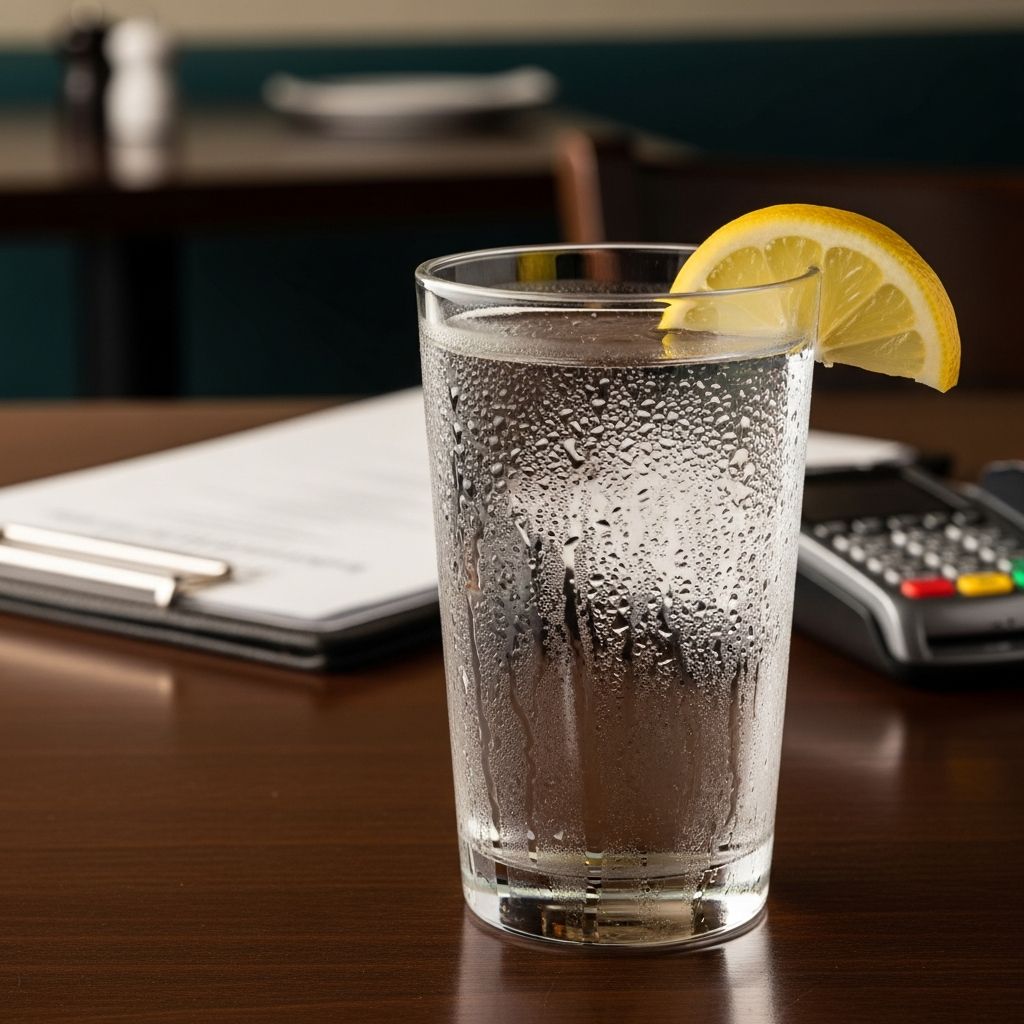
Business owners often grapple with whether they can impose fees for providing tap water to patrons. While tap water is inexpensive to supply, policies vary widely by jurisdiction, influenced by health, alcohol licensing, and conservation concerns. This article breaks down global and regional regulations, helping restaurant operators navigate compliance while informing customers of their rights.
Understanding Tap Water Policies in the Hospitality Industry
Tap water provision ties closely to public health initiatives, environmental goals, and alcohol service regulations. In many places, laws aim to promote hydration, curb excessive drinking, and reduce plastic waste from bottled alternatives. For instance, venues serving alcohol frequently face stricter mandates to offer complimentary water, recognizing dehydration risks from liquor consumption.
Owners must consider local water quality standards, operational costs, and customer expectations. Charging for basic tap water can spark backlash, damaging reputation, even where legally permitted. Conversely, free provision boosts goodwill but impacts slim margins in competitive markets.
Tap Water Regulations Across Major Regions
Laws differ significantly by country, with some imposing nationwide requirements and others deferring to local authorities. Here’s a comparative overview:
| Region | Free Tap Water Requirement | Applies to Alcohol Venues? | Key Notes |
|---|---|---|---|
| England, Wales, Scotland | Yes, mandatory | Yes, all licensed premises | Licensing Act 2003; penalties up to £20,000 fine |
| Northern Ireland | No national law | No | Common courtesy, but not required |
| Australia (varies by state) | Generally yes for licensed venues | Yes | Must be cold, accessible; exemptions in some cases |
| United States | No federal law; local varies | No national tie | California: request-only due to conservation |
| European Union (general) | No EU-wide mandate | No | Country-specific; e.g., Netherlands petition ongoing |
Detailed Breakdown: United Kingdom Rules
In the UK, the Licensing Act 2003 (Mandatory Licensing Conditions) Order 2010, amended in 2014, requires all premises licensed to sell alcohol—such as restaurants, pubs, and clubs—to provide free tap water upon request. This applies to paying customers in England, Wales, and Scotland, stemming from efforts to mitigate binge drinking harms.
Unlicensed cafes face no such obligation, though many offer it voluntarily. Charging for service or filtration remains a gray area; consumer advocates argue basic tap water must be free, without extras. Violations can lead to license reviews, fines up to £20,000, or imprisonment in extreme cases. In Scotland, penalties include suspension or revocation.
- Refill apps like Refill help locate free water spots, encouraging participation.
- Owners cannot refuse based on outside beverages alone, but ‘no outside food/drink’ policies prevail.
United States: A Patchwork of Local Ordinances
The US lacks a federal mandate for free tap water in restaurants. Customs dictate complimentary glasses in most establishments, but legal backing is sparse. California’s 2015 conservation rules prohibit proactive serving, requiring customer requests to curb waste amid droughts.
Some cities impose requirements: for example, certain communities mandate water provision during heatwaves or for vulnerable groups. Alcohol-serving venues have no uniform hydration duty, though bartenders often provide water responsibly. In water-stressed areas, businesses cite conservation to limit free pours, prioritizing paid bottled options.
Businesses should check municipal codes; non-compliance risks health department citations rather than direct fines for water alone.
Australia’s State-by-State Approach
Australia’s Liquor Regulation 2002 mandates licensed venues offer “cold drinking water” on request, with nuances by state. New South Wales ties it to preventing intoxication; Victoria requires “adequate facilities”; Western Australia specifies jugs or dispensers with fresh, clean water.
Hotels, bars, and casinos must comply during alcohol sales hours. Exemptions apply if no main supply exists or intoxication risk is low. ‘Reasonable cost’ interpretations vary, but free is standard for basics. This promotes safety without overburdening operators.
Europe and Other International Perspectives
EU nations lack unified rules, allowing discretion. Germany’s culture permits charges; the Netherlands sees petitions for mandatory access amid refusals. Ireland mirrors Northern Ireland’s flexibility.
In South Africa, post-2018 Cape Town crisis, restaurants limit free water citing waste. Travelers must research: EU tap water matches UK purity, but service norms differ. Globally, alcohol licensing often triggers free provision to safeguard patrons.
Filtered Water, Service Fees, and Bottled Alternatives
Even where free tap is required, businesses may charge for enhancements like filtration or glassware—though advocates contest service fees on plain water. Laws typically cover unfiltered tap; premium options fall outside.
Promoting bottled water sustains revenue, but sustainability pushes highlight tap’s eco-edge: 100 liters of Manchester tap costs ~18p versus £40 for equivalent bottled. Dispensers and jugs minimize costs while meeting rules.
Best Practices for Business Owners
To balance compliance and profitability:
- Train staff: Educate on local laws; empower managers for disputes.
- Install accessible points: Jugs, fountains, or stations near bars.
- Signage clarity: Note policies on free tap versus paid options.
- Monitor water quality: Regular testing ensures safety.
- Encourage refills: Join apps for positive PR and loyalty.
Proactive policies mitigate complaints; local licensing authorities handle reports.
Customer Rights and What to Do If Denied
Patrons in mandated areas can politely request, escalating to managers citing specific acts. Report persistent refusals to local licensing or consumer bodies. In non-mandated spots, negotiation or bottled purchase applies. Apps aid finding compliant venues.
Frequently Asked Questions (FAQs)
Is free tap water required in all US restaurants?
No, there’s no federal law; it depends on local rules and custom. Ask politely.
Can UK pubs charge for a glass with free tap water?
Generally no; legislation implies no extras for basic provision.
What if a venue doesn’t serve alcohol?
Unlicensed spots aren’t obligated anywhere, but many provide gratis.
Are there penalties for non-compliance in Australia?
Yes, license breaches can lead to fines or suspensions per state laws.
Can I bring my own bottle to a restaurant?
Policies vary; quick sips often overlooked, but full meals may breach rules.
Environmental and Economic Angles
Free tap cuts plastic use, aligning with anti-waste drives. Economically, tap’s negligible cost versus goodwill gains favors provision. Businesses ignoring trends risk boycotts as consumers prioritize sustainability.
References
- Tap water rights – Money Saving Expert — MoneySavingExpert.com. 2023 (updated). https://www.moneysavingexpert.com/reclaim/tap-water-rights/
- Which Countries Require Venues To Offer Free Drinking Water? — Earth911. 2023-08 (updated). https://earth911.com/business-policy/country-regulations-free-drinking-water/
- Licensing Act 2003 (Mandatory Licensing Conditions) Order 2010 — UK Legislation (GOV.UK). 2010-04-01 (original; amended 2014). https://www.legislation.gov.uk/uksi/2010/123/contents/made
Similar Articles








Read full bio of Sneha Tete


