
Reporting Accessible Parking Violations: A Guide
Learn the legalities, consequences, and steps for addressing misuse of handicap parking spaces to ensure fairness for those who need them.
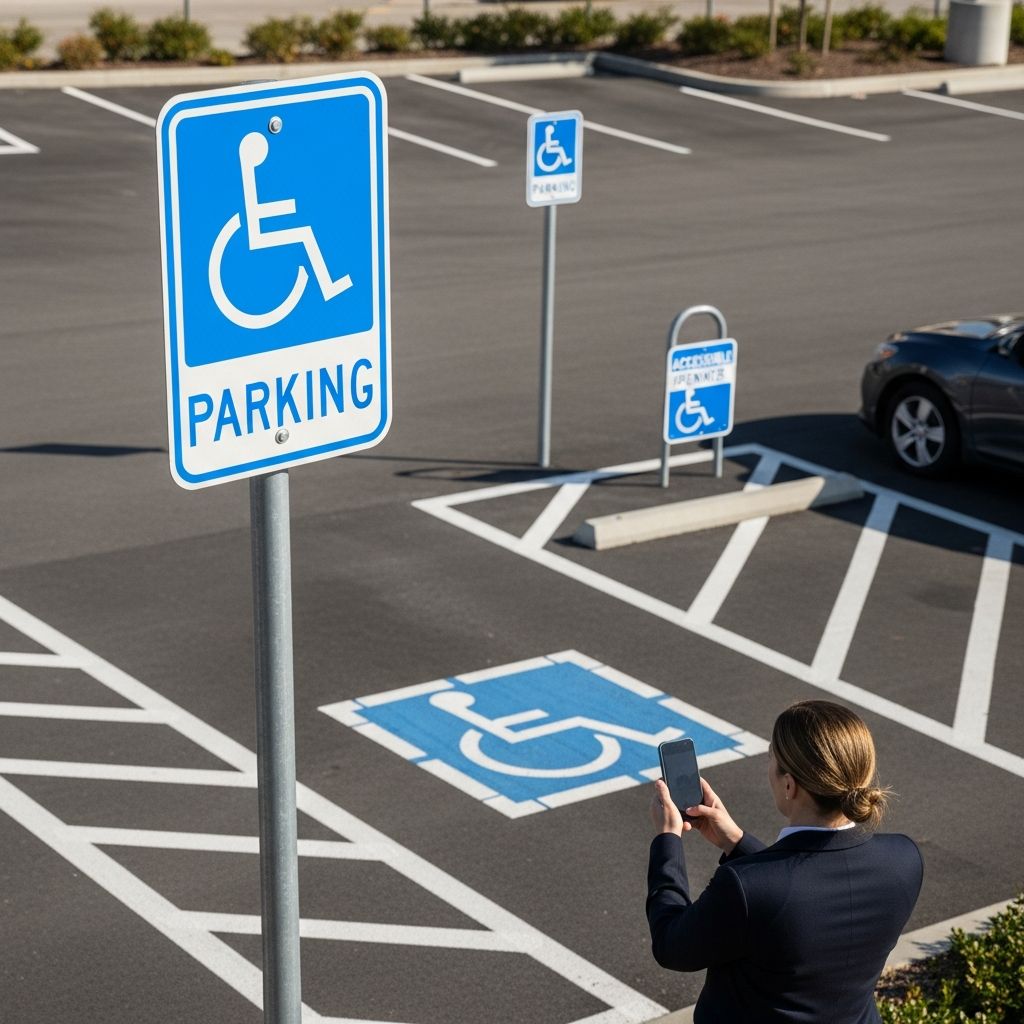
Accessible parking spaces, marked with blue paint and wheelchair symbols, reserve prime spots near entrances for individuals with mobility challenges. Misuse of these spaces denies rightful access and can endanger lives, prompting many to wonder if and how they should report violators. This article delves into the legal framework, detection methods, reporting procedures, and broader implications.
Why Accessible Parking Matters
These spaces feature wider dimensions for wheelchair ramps and proximity to doors to minimize walking distances. Federal law under the Americans with Disabilities Act (ADA) mandates them in parking lots with over a certain number of spaces, ensuring equity for those with qualifying conditions like severe mobility limitations or respiratory issues. Without enforcement, abuse undermines this protection, forcing disabled individuals into longer treks that exacerbate health risks such as fatigue or breathing difficulties.
Common Forms of Accessible Parking Misuse
Violations range from blatant to subtle. Unauthorized vehicles occupy spaces without permits, while others block access aisles meant for ramps. Family members borrow placards, or forgers create fakes—a felony in many states. Repeat offenders may flaunt multiple placards, a red flag for abuse. Even law enforcement vehicles have faced citations, proving no exemptions exist.
- Direct occupation: Parking fully in the space sans permit.
- Aisle blocking: Idling in striped zones adjacent to spaces.
- Placard fraud: Displaying invalid, borrowed, or counterfeit permits.
- Overstay: Lingering beyond time limits where applicable.
Legal Penalties Across Jurisdictions
Fines and punishments vary by location but universally deter abuse. Nationally, penalties include monetary fines, towing, license points, suspensions, and criminal charges for forgery. Local rules amplify severity.
| Location | First Offense Fine | Repeat Offense | Additional Penalties |
|---|---|---|---|
| California | $250-$500 | Higher fines | San Francisco: $935 |
| Chicago, IL | $500 + 30-day suspension | $750 + 1-year suspension | Third: $1,000 + revocation |
| Jefferson County, CO | $150 + $33 surcharge | N/A | Warnings issued first |
| Denver, CO | Up to $1,000 | N/A | Placard revocation |
| Minnesota | Up to $200 | N/A | No minimum listed |
Colorado classifies unauthorized parking as a Class A traffic infraction with a $32 surcharge plus fines. Falsifying permits escalates to felonies with license suspensions. These measures protect genuine users who qualify via medical certification for conditions like prosthetic needs or cardiac disease.
Qualifying for Accessible Parking Permits
States issue placards or plates based on strict criteria. Applicants must prove:
- Mobility impairment requiring aids like canes or wheelchairs.
- Vision loss documented medically.
- Chronic lung/heart conditions limiting endurance.
- Loss of limb function.
Permits hang from rearview mirrors and transfer with the disabled passenger. Abuse erodes trust in the system, straining resources.
Spotting and Documenting Violations
Before reporting, gather evidence safely. Note the license plate, location, time, and vehicle description. Snap photos of the violation, absent placard, and surroundings—without confronting the driver to avoid risks. Look for multiple placards or use in non-parking restricted zones. Apps and hotlines streamline submissions in many cities.
Step-by-Step Reporting Process
Reporting empowers communities without vigilantism. Most areas offer non-emergency lines, online portals, or parking authority apps.
- Verify violation: Confirm no visible valid placard.
- Document: Photos, details.
- Contact authorities: Police non-emergency, local parking enforcement, or dedicated hotlines (e.g., Denver’s system).
- Submit anonymously if preferred: Many allow it.
- Follow up: Reference case numbers.
Post-report, investigations confirm abuse, leading to citations. No financial rewards, but it fulfills civic duty. One case saw a self-reporter ticketed after insisting, highlighting enforcement rigor.
Consequences Beyond Fines
Illegal parking endangers lives: wheelchair users navigate traffic unseen, or mobility-limited individuals face health crises from extra exertion. Communities suffer resource strain and emotional toll on disabled residents. Fair housing laws even require accommodations like reserved spots in complexes, separate from public placards.
Community and Enforcement Initiatives
Counties like Jefferson issue warnings before fines to encourage compliance. Public awareness campaigns and tech like cameras deter abuse. Collective vigilance fosters inclusivity, reducing discrimination complaints tied to parking denials.
FAQs
What if I see a placard but suspect misuse?
Report it; officers verify validity. Multiple placards or improper display (e.g., not with disabled occupant) signals issues.
Can I report anonymously?
Yes, most jurisdictions protect reporter identity to encourage tips.
Are there rewards for reporting?
Typically no monetary incentives, but it aids accessibility.
What qualifies someone for a permit?
Medical proof of mobility, vision, or chronic conditions impairing function.
Do police always respond immediately?
No, but reports queue for patrols; evidence strengthens cases.
Is towing common?
Yes, especially in high-abuse areas, alongside fines.
Frequently Asked Questions
Should I confront the violator?
No, prioritize safety; let professionals handle enforcement.
How quickly do fines get issued?
Varies; warnings may precede in some areas like Jefferson County.
Can businesses report too?
Yes, lot owners often call towing services or police directly.
Addressing accessible parking abuse requires awareness and action. By understanding laws and reporting effectively, individuals contribute to equitable public spaces.
References
- A Comprehensive Guide to Handicap Parking — Freedom Motors USA. 2023. https://www.freedommotors.com/a-comprehensive-guide-to-handicap-parking/
- No Excuses for Illegally Parking in a Disabled Parking Space — My Parking Sign. 2023. https://www.myparkingsign.com/blog/excuses-illegally-parking-disabled-parking-space/
- Disabled Parking Privilege — Jefferson County, CO. 2025. https://www.jeffco.us/1199/Disabled-Parking-Privilege
- The Impact of Handicap Placard Abuse and How to Report It in Denver, CO — HandicapMD. 2024. https://www.handicapmd.com/handicap-parking-blog/the-impact-of-handicap-placard-abuse-and-how-to-report-it-in-denver-co
- Disabled Resident Parking Revisited — TSM Law. 2024. https://tsm.law/disabled-resident-parking-revisited-too-many-still-dont-get-it/
- Persons with Disabilities — Colorado General Assembly. 2025. https://content.leg.colorado.gov/content/persons-disabilities
- Accessible Parking Sign Program FAQ — Denvergov.org. 2024. https://denvergov.org/files/assets/public/v/3/parking/documents/accessible-parking-denver-faq.pdf
Similar Articles








Read full bio of Sneha Tete


