
Replacing Vital Records and IDs After They Are Lost
Learn how to replace essential U.S. government records and ID cards securely, quickly, and with less stress.
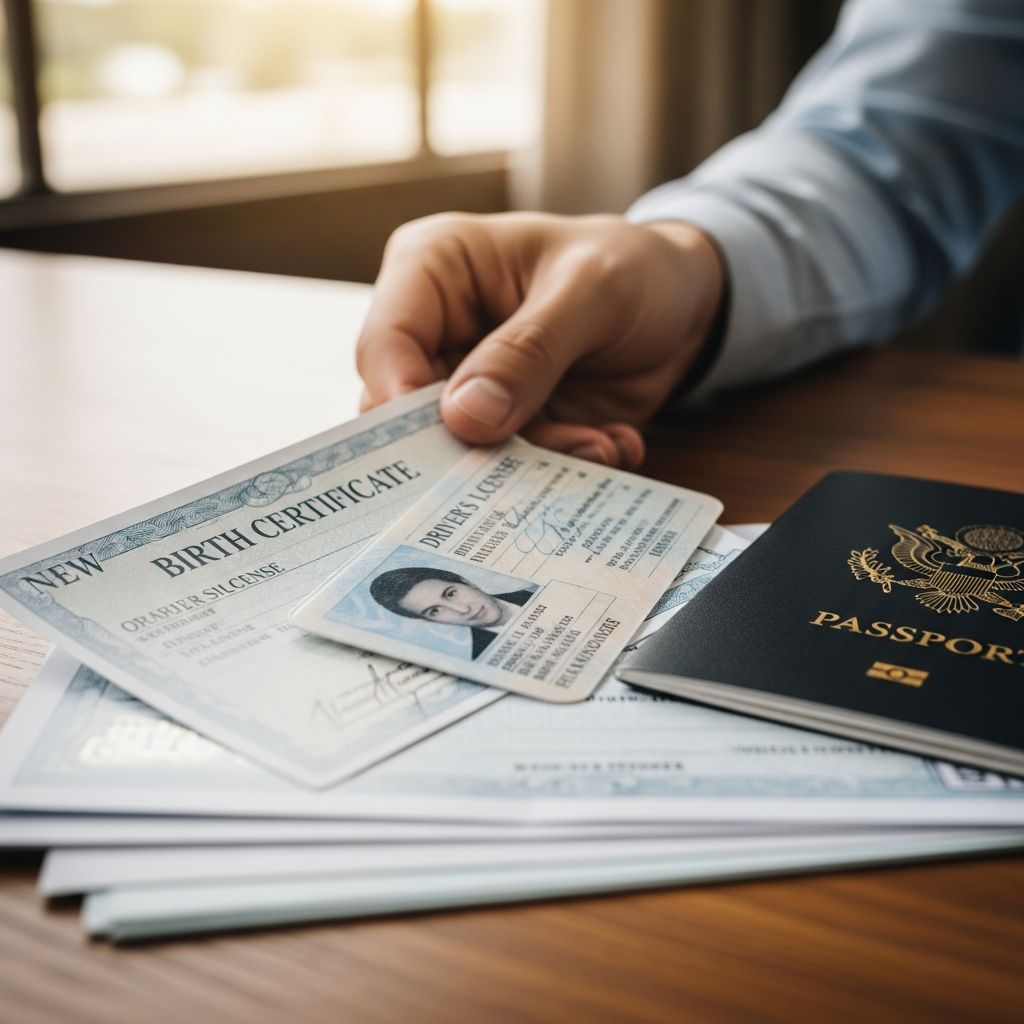
Vital records and government-issued identification documents are at the core of your legal identity in the United States. Losing them because of theft, disaster, or simple misplacement can disrupt everything from travel to employment and public benefits. This guide explains, in clear steps, how to replace the most important U.S. documents and how to protect them in the future.
1. First Steps When Important Documents Go Missing
Before you contact agencies to replace individual records, it helps to take a few immediate protective steps. Acting quickly can reduce your risk of identity theft and help you prove your identity during the replacement process.
- Make a written list of everything that is missing: IDs, certificates, benefit cards, insurance cards, and financial documents.
- Check for theft: if your wallet, purse, or bag was stolen, file a police report and keep a copy for your records.
- Monitor your credit and consider placing a fraud alert with a major credit bureau if your Social Security number or major IDs may be exposed.
- Secure remaining papers so that additional documents are not lost or damaged.
Once you have a clear picture of what is missing, you can prioritize which documents to replace first based on urgency—such as identification needed for travel, employment, or access to benefits.
2. Which Documents to Replace First
Many agencies require one form of ID to replace another, so the order in which you request replacements matters. The table below suggests a typical sequence that works for many people, though your exact situation may differ.
| Priority | Document | Why It Often Comes First |
|---|---|---|
| 1 | Birth certificate (certified copy) | Frequently required as proof of identity or citizenship to get other IDs, such as a driver’s license or passport. |
| 2 | State ID or driver’s license | Serves as your day-to-day photo identification and is often requested by banks, employers, and government offices. |
| 3 | Social Security card | Needed for employment, some benefits, and tax purposes; also frequently requested when opening financial accounts. |
| 4 | Passport (if you have one) | Essential for international travel and a strong secondary form of ID for many transactions. |
| 5 | Marriage, divorce, and death certificates | Required to update names, manage estates, claim insurance, and change beneficiaries. |
If your need is driven by a specific event—such as an upcoming trip or a deadline to prove eligibility for benefits—prioritize the document that is directly required for that purpose.
3. Replacing Vital Records: Birth, Death, Marriage, and Divorce
Vital records in the U.S. are maintained at the state or territorial level rather than by a central federal office. To obtain certified copies, you must contact the relevant vital records office based on where the event occurred.
3.1 Birth Certificates
A certified copy of a birth certificate is often needed to obtain passports, enroll in school, verify eligibility for benefits, or replace other identification.
- Identify the state or territory where the birth occurred.
- Visit that jurisdiction’s vital records website or office and follow the instructions for requesting a certified copy.
- Be prepared to provide details such as: full name at birth, date of birth, place of birth, and parents’ names.
- Have acceptable ID and payment method ready; fees and ID requirements vary by state.
Some states partner with authorized online services to accept requests electronically. Ensure any online service you use is endorsed by the state or clearly linked from the official state site.
3.2 Death Certificates
Certified death certificates are commonly needed to claim life insurance, access financial accounts, transfer property, or handle estate matters.
- Determine the jurisdiction where the death occurred.
- Request certified copies from the appropriate state or territorial vital records office, or in some cases from a county office.
- Funeral homes often help families obtain death certificates at the time of death; you may still request additional copies later if needed.
3.3 Marriage Certificates and Divorce Records
Marriage and divorce documents are often needed to prove a legal name change, adjust benefits, or update tax filing status.
- Marriage certificate or license: Usually issued by the county or state where the marriage took place. Contact that office or the state vital records agency.
- Divorce decree: Typically issued by the court handling the divorce. You may need to contact the court clerk directly.
- Divorce certificate: In some jurisdictions, a separate vital record summarizing the divorce is available from the vital records office.
Always confirm whether the organization you are dealing with requires the court decree, a vital record certificate, or both, as they serve slightly different legal purposes.
4. Replacing Identification Cards
Government-issued IDs verify your identity and, in some cases, your authorization to work or your eligibility for specific programs. Requirements for replacement vary by issuing agency, but they usually include identity checks and may involve fees.
4.1 State Driver’s Licenses and ID Cards
States manage their own driver’s license and non-driver ID systems through departments of motor vehicles or equivalent agencies.
- Go to your state’s official DMV or licensing agency website.
- Look for options labeled “replacement,” “duplicate license,” or “lost and stolen ID.”
- Confirm whether you can apply online, by mail, or must appear in person—requirements differ by state.
- Gather documents proving your identity, residency, and, when needed, U.S. citizenship or lawful status. A birth certificate or passport is commonly requested.
If your license was stolen, some states recommend filing a police report and bringing a copy with you when requesting a replacement.
4.2 Social Security Cards
The Social Security Administration (SSA) issues Social Security cards and provides different processes for original, replacement, and corrected cards.
- Use SSA’s online tools to check whether you can request a replacement card online based on your state and current documentation.
- If online replacement is not available, you can apply by mail or in person at a local SSA office.
- Bring or submit original documents or certified copies from issuing agencies to prove identity and, if necessary, citizenship or immigration status.
You usually do not need a physical Social Security card for most day-to-day activities; knowing your number is often enough. Still, you may require the card for certain employers or legal procedures, so replacing it can be important.
4.3 U.S. Passports
If your U.S. passport is lost or stolen, you must report it promptly to help prevent misuse and protect your identity.
- Report the loss or theft to the U.S. Department of State, either online, by phone, or by mailing the appropriate form.
- To obtain a new passport, submit a passport application in person at an approved acceptance facility, such as certain post offices or local government offices.
- You will generally need proof of citizenship (for example, a certified birth certificate) and a valid photo ID, along with passport photos and fees.
For urgent international travel, you may be able to request faster service at a passport agency, subject to eligibility and appointment availability.
5. Other Important Documents to Consider
Beyond classic vital records and core IDs, several other documents may need replacement after a loss, move, or disaster.
- Immigration documents such as permanent resident cards or employment authorization documents, which are handled by U.S. Citizenship and Immigration Services (USCIS).
- Military records including discharge papers, which can often be requested from the National Archives.
- Government benefit cards such as Medicare, Medicaid, or Supplemental Nutrition Assistance Program (SNAP) cards, which are replaced by the relevant federal or state agency.
- Insurance cards for health, auto, and property insurance, which can be reissued by your insurance provider.
Each of these documents has its own process and forms, but the general principles remain: verify your identity, provide up-to-date contact information, and keep copies of anything you submit.
6. Costs, Timelines, and Fee Waivers
Most vital record offices and ID-issuing agencies charge fees for issuing certified copies or replacement cards. Costs and processing times vary widely by state, document type, and chosen delivery method.
- Standard vs. expedited service: Many offices offer rush processing or expedited shipping for an additional fee.
- Disaster situations: After federally recognized disasters, some agencies may reduce or waive fees for survivors replacing documents needed to apply for aid.
- Mailing times: Allow additional time for mailed certificates and cards, especially if you live outside the issuing jurisdiction.
Always confirm current fees and processing estimates directly from the agency’s official website before mailing applications or paying online.
7. Protecting Your Documents for the Future
Once you have replaced missing records, protecting them can prevent future headaches and help you respond more quickly to emergencies.
- Use a safe, dry storage location such as a locked, fire-resistant box or a safe deposit box for originals.
- Make high-quality copies for reference and keep them separate from the originals. Some agencies may not accept copies, but they are invaluable for verifying information.
- Record key document numbers—such as passport numbers or driver’s license numbers—in a secure list stored offline.
- Limit how often you carry originals like birth certificates or Social Security cards; carry them only when absolutely necessary.
Staying organized and keeping a simple inventory of your documents can make any future replacement process faster and less stressful.
8. Frequently Asked Questions (FAQs)
Q1: Is a photocopy of a vital record the same as a certified copy?
No. A certified copy is issued by a government office, typically includes security features, and is often required for legal purposes. Photocopies or scans are useful for your own records but are generally not accepted as official proof.
Q2: Can I get one federal office to send me all my vital records at once?
No. In the U.S., vital records are handled by individual states, territories, and local jurisdictions. You must request each birth, death, marriage, or divorce record from the specific office responsible for the place where the event occurred.
Q3: Do I always need a police report to replace IDs?
Usually not, but a police report can be helpful if your IDs were stolen and may be requested by some agencies or insurers. It can also support fraud alerts or identity theft investigations.
Q4: How do I know if an online service for ordering certificates is legitimate?
Start from the official website of the state or territorial vital records office and follow links from there. Many jurisdictions list approved online vendors, and using these ensures your request is processed securely and according to local law.
Q5: What if I was born or married abroad but I am a U.S. citizen?
Events that occurred abroad may have been recorded through U.S. consular offices or foreign civil authorities. For certain records like Consular Reports of Birth Abroad or documentation used overseas, the U.S. Department of State provides guidance on replacing or certifying documents.
References
- Protecting Personal Information and Social Security Numbers — Social Security Administration. 2023-03-01. https://www.ssa.gov/ssnumber
- Get Copies of Vital Records and ID Cards — USAGov. 2024-05-15. https://www.usa.gov/request-documents
- Replace or Certify Documents — U.S. Department of State. 2023-07-10. https://travel.state.gov/content/travel/en/records-and-authentications/replace-or-certify-documents.html
- Order Vital Records Online — VitalChek / LexisNexis. 2023-02-20. https://www.vitalchek.com
- Where to Write for Vital Records — Centers for Disease Control and Prevention (CDC). 2023-01-10. https://www.cdc.gov/nchs/w2w/index.htm
- Request Vital Records (Georgia Example) — Georgia Department of Public Health. 2024-01-05. https://dph.georgia.gov/ways-request-vital-record
Similar Articles








Read full bio of medha deb


