
Lock Changes in Rentals: Legal Rules for Landlords and Tenants
Navigate the complexities of changing locks on rental properties: Know your rights, obligations, and state-specific laws to avoid disputes and legal pitfalls.
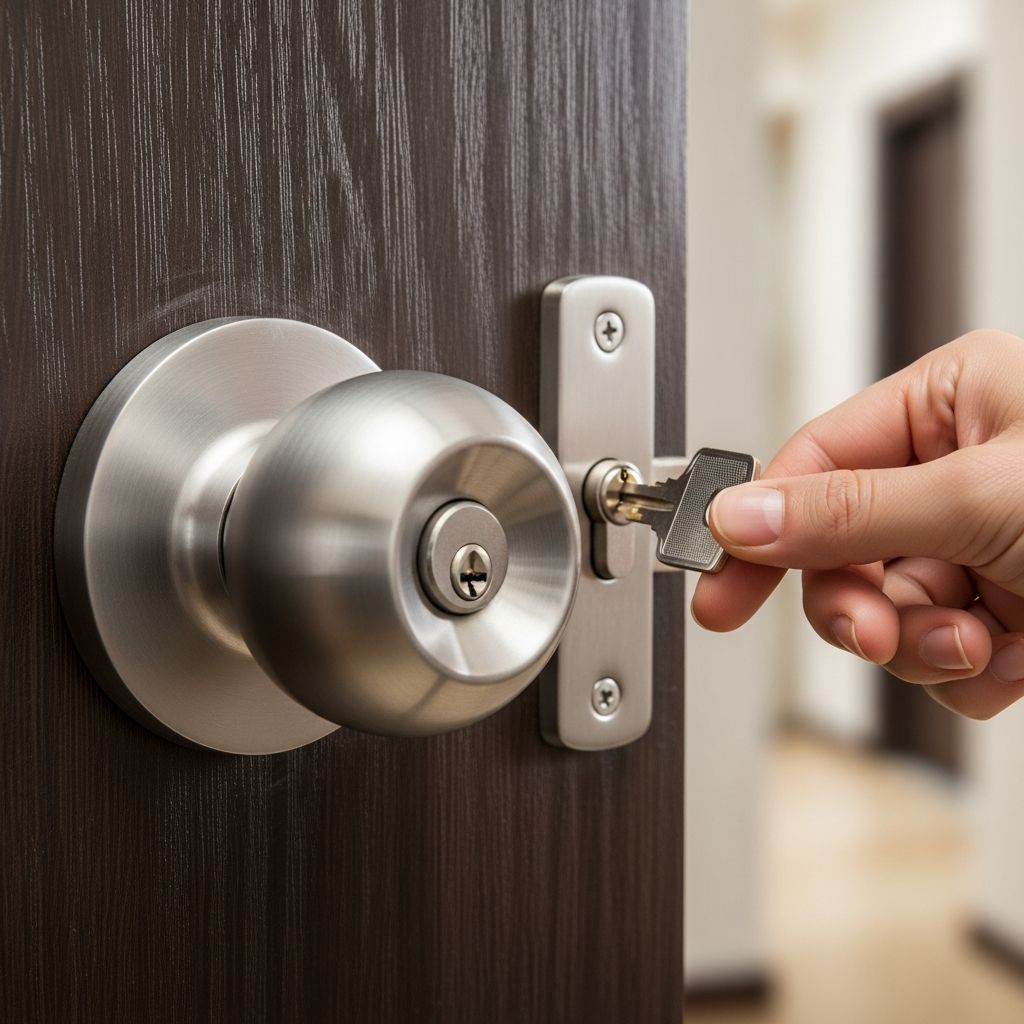
Changing locks on a rental property is a common issue that can lead to serious legal consequences if handled incorrectly. Both landlords and tenants must navigate state-specific laws, lease terms, and safety obligations to maintain compliance and protect their rights. This article breaks down the rules, exceptions, and practical steps for managing lock changes effectively.
Core Principles Governing Rental Lock Access
Rental properties operate under a balance of tenant privacy and landlord responsibility. Tenants enjoy a right to quiet enjoyment and security, while landlords must ensure habitability, including emergency access for repairs, inspections, and crises. Unauthorized lock alterations disrupt this balance, often violating lease clauses that prohibit property modifications without consent.
Lease agreements typically specify that tenants cannot alter locks without permission, emphasizing the landlord’s need for entry in cases like plumbing failures, fire hazards, or routine maintenance. Ignoring these terms risks lease breaches, potential evictions, or security deposit losses for tenants.
Landlord Authority to Modify Locks
Landlords face strict limitations on changing locks. Self-help evictions—locking out tenants for non-payment or disputes—are illegal nationwide and classified as unlawful ousters. Even during eviction proceedings, locks cannot be changed until a court issues a writ of possession, and appeal periods expire.
Permissible scenarios include:
- Post-move-out: After lease termination and tenant vacating, landlords may rekey to prepare for new occupants.
- Property abandonment: If a tenant leaves without notice and shows no intent to return, locks can be changed, but proof of abandonment (e.g., via legal notice) is required.
- Court-ordered eviction: Only after final judgment and enforcement by authorities.
- Emergencies: Immediate threats like break-ins allow temporary changes, followed by tenant notification.
Advance written notice is mandatory for non-emergency changes, detailing the reason, date, and key distribution process. Failure invites lawsuits for wrongful denial of access, damages, or fines.
Tenant Rights and Options for Lock Changes
Tenants generally require landlord approval to change locks, as leases deem this a structural alteration. However, variations exist by state:
| State | Tenant Lock Change Rules |
|---|---|
| California | Allowed if new key provided promptly to landlord. |
| Texas | Permission required; substantial changes prohibited without consent. |
| Florida | Permission needed; domestic violence exception at tenant expense. |
| New York | Tenant may change but must allow reasonable landlord entry. |
| Illinois | Mutual permission required. |
Tenants should document requests in writing, covering costs, and supply duplicate keys immediately. Unauthorized changes expose them to eviction, repair bills, or liability for denied emergency access.
Special Protections for Domestic Violence Victims
Many states offer exceptions for tenants facing domestic violence. Victims may change or add locks at their expense without permission, provided they notify the landlord and provide keys. Examples include:
- Requests for landlord-installed locks with proof of threat.
- No denial of entry rights for landlords in reasonable circumstances.
Documentation like police reports or court orders strengthens claims. Landlords must comply to avoid habitability violations.
Risks and Consequences of Improper Lock Handling
Violations carry steep penalties. For landlords, illegal lockouts lead to tenant lawsuits, compensatory damages (e.g., hotel costs, lost wages), punitive awards, and attorney fees. Tenants risk eviction notices, deposit forfeitures, or countersuits for property damage.
In emergencies, blocked access amplifies liability—unaddressed leaks or fires could result in negligence claims. Clear lease clauses mitigate disputes by outlining procedures.
Best Practices for Landlords
To safeguard operations:
- Draft robust leases: Prohibit unauthorized changes; detail access protocols, notice periods, and key policies.
- Conduct inspections: Verify locks during walkthroughs; rekey between tenants for security.
- Communicate: Use written notices for all actions; photograph properties pre/post-change.
- Legal recourse: Pursue formal evictions; consult attorneys for abandonments or emergencies.
Property management software aids in tracking keys, notices, and compliance.
Best Practices for Tenants
Renters should:
- Review leases: Note lock clauses before signing.
- Request formally: Submit written proposals with reasons and cost estimates.
- Document everything: Retain keys, receipts, and correspondence.
- Seek safety aid: Use domestic violence provisions; contact local housing authorities.
If denied reasonable requests, tenants may escalate to housing codes or courts.
Navigating State Variations and Federal Overlays
U.S. landlord-tenant laws stem from state statutes, with no uniform federal code beyond fair housing rules. Key resources:
- HUD guidelines for habitability.
- State attorney general sites for eviction timelines.
- Local ordinances on entry notices (e.g., 24-48 hours).
Always verify with current statutes, as laws evolve—e.g., post-2020 expansions for violence protections.
Frequently Asked Questions (FAQs)
Can a tenant change locks without telling the landlord?
Generally no, but states like California permit it with immediate key provision. Check your lease and local laws.
Is it legal for a landlord to change locks after rent is late?
No—self-help evictions are prohibited. Follow court eviction processes.
What if a tenant abandons the property?
Landlords may rekey after confirming abandonment legally, often requiring notice.
Can domestic violence victims change locks for free?
Typically at their expense, but with exceptions to permission rules in many states.
What notice must landlords give before entering?
Usually 24-48 hours for non-emergencies, per state rules.
Proactive Lease Clauses for Lock Management
Sample language: “Tenant shall not alter locks without written Landlord approval. Tenant agrees to provide duplicate keys within 24 hours of any approved change. Landlord reserves emergency access rights.” Such clarity prevents 80% of disputes, per industry standards.
In summary, lock changes demand caution. Prioritize communication, documentation, and legal adherence to foster positive landlord-tenant relations while upholding safety.
References
- Can a Tenant Change The Locks Without the Landlord’s Permission? — TenantCloud. 2023. https://www.tenantcloud.com/blog/can-a-tenant-change-the-locks
- When can a landlord change the locks? A state-by-state breakdown — Landlord Studio. 2024. https://www.landlordstudio.com/blog/when-can-a-landlord-change-the-locks
- Can a Landlord Change the Locks Without Notice? — Azibo. 2024. https://www.azibo.com/blog/can-a-landlord-change-locks
- Can a Tenant Change the Locks on a Rental Property? — Bay Management Group. 2023. https://www.baymgmtgroup.com/blog/can-a-tenant-change-the-locks/
- Can a Landlord Change the Locks on a Rental? — Redfin. 2024. https://www.redfin.com/blog/can-a-landlord-change-the-locks/
- FAQ: Can A Tenant Change The Locks Without Permission? — RentPrep. 2023. https://rentprep.com/blog/legal/tenant-changed-the-locks-without-permission/
- Can Landlords Change Locks? Without Notice, Non-Payment — OnRentMe. 2024. https://www.onrentme.com/articles/can-landlord-change-locks
Similar Articles








Read full bio of medha deb


