
Healthcare Interrupted: Religious Refusals vs Patient Lives
How religious exemptions in healthcare jeopardize life-saving medical treatments.
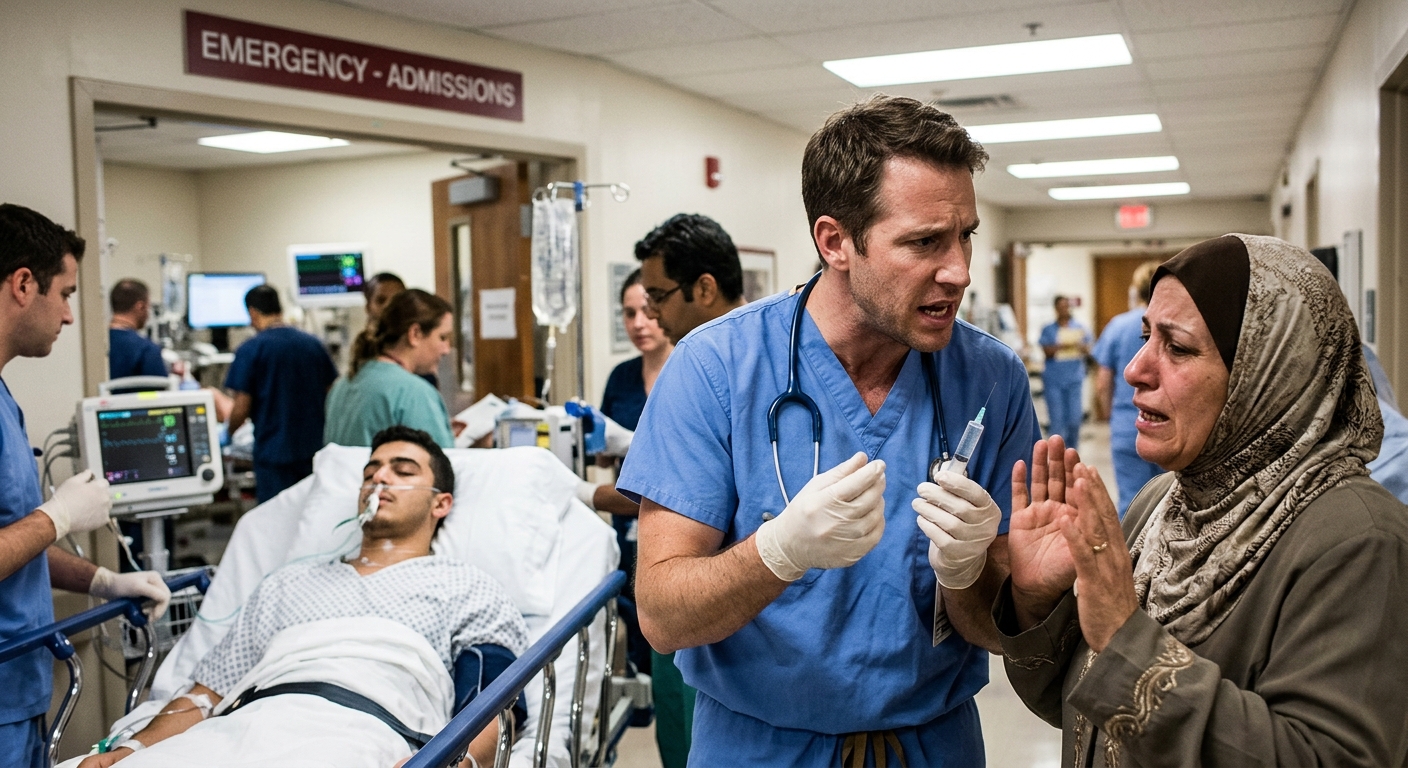
When a patient walks through the doors of a hospital emergency room, the expectation is simple and universal: they will receive immediate, life-saving care based on the best available medical science. However, a growing intersection of legislation and theology threatens this fundamental promise. Across the United States, an increasing number of healthcare facilities and medical professionals are utilizing ‘religious refusal’ or ‘conscience’ clauses to deny critical medical procedures. These laws and institutional policies allow healthcare providers to opt out of delivering standard, medically indicated care if it conflicts with their religious or moral beliefs. While the concept of conscientious objection has deep roots in American civil liberties, its application in acute medical settings effectively gambles with patients’ lives. By placing institutional ideology above standard medical protocols, broad religious refusal laws undermine the very foundation of patient safety, especially during reproductive emergencies. As patients are turned away during their most vulnerable moments, the public health sector faces an unprecedented ethical crisis.
The EMTALA Mandate vs. Institutional Exemptions
The bedrock of emergency medical care in the United States is the Emergency Medical Treatment and Labor Act (EMTALA). Enacted by Congress in 1986, EMTALA requires any hospital with an emergency department that receives Medicare funding to provide a medical screening examination to any individual requesting care. If an emergency medical condition is identified, the hospital is federally mandated to provide stabilizing treatment or a medically appropriate transfer to a facility that can. This law was designed to prevent ‘patient dumping’ and ensure that no one in a critical state is turned away due to financial constraints or discriminatory practices.
However, religious refusal laws create a dangerous loophole in this critical safety net. Certain legislative efforts, both historical and contemporary, seek to expand these exemptions so broadly that hospitals could legally refuse to provide life-saving interventions—such as emergency abortions—without facing federal penalties. When a hospital claims a religious exemption to EMTALA, it effectively shifts the burden of medical triage from the physician’s scientific judgment to the institution’s theological doctrine. This creates a terrifying legal gray area where a patient experiencing a life-threatening hemorrhage might be denied the only procedure that could save them, simply because the hospital’s religious affiliation strictly prohibits it.
Reproductive Emergencies: The Frontlines of the Conflict
The conflict between medical mandates and religious exemptions is most acutely felt in the realm of reproductive healthcare. Pregnancy is a complex physiological state that can rapidly devolve into a medical emergency. Conditions such as severe preeclampsia, placental abruption, or an inevitable miscarriage often require immediate intervention to empty the uterus. In these severe scenarios, the standard of care is frequently an emergency abortion.
Research highlights the harrowing experiences of patients seeking emergency care for miscarriages at religiously-affiliated hospitals. In some faith-based hospitals, rigid ethical directives dictate that a pregnancy cannot be terminated if a fetal heartbeat is present, regardless of the viability of the fetus or the imminent danger to the pregnant person. Physicians operating under these strictures are forced to watch and wait while a patient develops severe infections like sepsis or life-threatening internal bleeding. The medical professional is caught in a moral distress trap: they possess the skills, equipment, and medical knowledge to save the patient but are legally and administratively barred from doing so until the patient’s condition deteriorates to the absolute brink of death.
Beyond the immediate threat of mortality, these forced delays often inflict severe, long-term physiological damage. Patients who suffer prolonged infections due to retained tissue in a miscarriage can experience scarring of the uterus or irreparable damage to their fallopian tubes. This religiously mandated waiting game effectively strips patients of their future reproductive potential. The ethical dissonance is profound: in the name of preserving a non-viable pregnancy, the healthcare institution permanently damages the patient’s ability to safely carry future pregnancies. For the physician, being legally bound to withhold standard care—such as a dilation and curettage (D&C)—until the patient meets an arbitrary threshold of ‘closeness to death’ is a direct violation of their medical training and oath to prioritize patient well-being.
Understanding the Clash: Medical Necessity vs. Religious Refusals
To fully grasp how these exemptions impact patient care, it is essential to compare standard medical protocols with potential institutional refusal responses. The table below illustrates the stark contrast between standard emergency interventions and the dangerous delays caused by ideological objections.
| Medical Scenario | Standard Medical Care | Potential Religious Refusal Response | Medical Consequence of Delay |
|---|---|---|---|
| Inevitable Miscarriage (with cardiac activity) | Immediate uterine evacuation (abortion) to prevent infection. | Delay care until fetal heartbeat ceases or maternal distress is fatal. | Severe sepsis, hemorrhage, permanent fertility loss, or maternal death. |
| Ectopic Pregnancy | Methotrexate administration or prompt surgical removal. | Refusal of medical abortion; delay of surgical intervention. | Fallopian tube rupture, massive internal bleeding, maternal mortality. |
| Severe Preeclampsia (Pre-viability) | Immediate delivery/termination to prevent maternal organ failure. | Denial of procedure due to pre-viability status of the fetus. | Stroke, seizures, liver/kidney failure, maternal death. |
The Human Cost of Conscientious Objection
The human toll of prioritizing religious doctrine over emergency medicine is devastating and irreversible. When care is delayed or denied, the consequences are measured in permanent physiological damage, loss of future fertility, severe psychological trauma, and, tragically, the loss of human life. Patients who are turned away or offered suboptimal care are forced to gamble with their survival, often needing to be transferred to another facility while in critical, highly unstable conditions.
Moreover, the psychological trauma inflicted by these policies is immense and enduring. Patients arrive at emergency rooms seeking comfort, expertise, and rapid intervention during some of the most frightening moments of their lives. Discovering that their doctors are prevented from treating them due to invisible administrative and religious policies creates a profound sense of betrayal. The realization that their physical safety is considered secondary to the hospital’s theological commitments can leave patients with deep-seated medical trauma, making them fearful of seeking necessary healthcare in the future. Trust is the cornerstone of the physician-patient relationship, and broad refusal laws systematically dismantle that trust, replacing clinical compassion with cold, ideological indifference.
Furthermore, the burden of these refusal policies does not fall equally across the population. They disproportionately impact vulnerable demographics, including low-income individuals, people of color, and those living in rural areas. In many rural communities, the only accessible hospital within a hundred-mile radius might be religiously affiliated. When a patient in such a community suffers an ectopic pregnancy—a condition that is never viable and always life-threatening if left untreated—they do not have the luxury of shopping around for a secular healthcare facility. By permitting institutions to operate as public healthcare providers while selectively refusing essential services, the healthcare system effectively sanctions a two-tiered model of medical access where geography and income strictly determine whether a patient’s life will be saved.
Ethical Responsibilities and Medical Standards
The core of medical ethics is encapsulated in the ancient principles of the Hippocratic Oath, which emphasizes the duty to do no harm. Major medical organizations have consistently argued that while individual providers may have personal moral objections, these beliefs cannot be permitted to compromise patient health or safety. The American College of Obstetricians and Gynecologists (ACOG) formally states that conscientious refusals should be limited if they constitute an imposition of religious or moral beliefs on patients, or if they negatively affect a patient’s health.
ACOG and other prominent ethical bodies emphasize that healthcare providers hold a strict fiduciary duty to their patients. This means that the patient’s physical well-being must be the primary driver of all clinical decisions. When a facility invokes a religious refusal, it fundamentally subverts this fiduciary duty. It replaces the patient’s informed consent and bodily autonomy with the institution’s dogma. In a truly ethical healthcare system, a patient’s life and health are never treated as secondary to the ideological preferences of the hospital’s administration, corporate sponsors, or board of directors.
The Legislative Battlefield and Civil Liberties
The debate over religious refusals in healthcare is largely driven by aggressive legislative maneuvering. Over the past few decades, numerous bills have been introduced at both the state and federal levels aimed at codifying the right of medical institutions to refuse care based on religious or moral convictions. Some of these legislative efforts are explicitly designed to counteract protections offered by the Affordable Care Act or emergency care mandates like EMTALA.
Historically, we have seen numerous examples of federal legislation that boldly attempts to shield hospitals from any liability if they refuse to provide emergency abortions. These proposals often emerge under the guise of ‘protecting life,’ yet they ironically place the actual lives of pregnant individuals in immediate jeopardy. By attempting to carve out exemptions to EMTALA, politicians have sought to normalize a healthcare environment where an institution’s conscience rights supersede a patient’s fundamental right to emergency medical care. Such legislative pushes demonstrate an alarming willingness to use women’s health and civil liberties as bargaining chips in broader political and cultural wars, further alienating medical professionals who merely wish to practice evidence-based medicine.
When lawmakers draft bills that allow hospitals to prioritize doctrine over duty, they are not merely protecting religious freedom; they are legislating a gamble with citizens’ lives. These laws create a profound chilling effect among medical staff, who may fear termination, loss of licensure, or legal repercussions if they perform a life-saving procedure that violates a hospital’s religious directives. Many religiously affiliated hospitals receive substantial public funding through Medicare, Medicaid, and tax exemptions. Critics rightly argue that institutions operating in the public sphere and benefiting from taxpayer dollars should not be permitted to discriminate in the life-saving services they provide.
Conclusion
The intersection of healthcare, civil law, and religious liberty is undeniably complex, but the baseline expectations of emergency medicine should remain unequivocally clear. When an individual is facing a severe medical crisis, their survival must be the absolute priority. Broad religious refusal laws that empower institutions to withhold life-saving care fundamentally betray the inherent purpose of the healthcare system. By directly conflicting with emergency mandates like EMTALA, these exemptions transform hospital emergency rooms from sanctuaries of healing into dangerous ideological battlegrounds.
It is imperative for policymakers, medical associations, and the general public to recognize the inherent dangers of allowing religious exemptions to override medical necessity. Defending civil liberties means protecting a patient’s right to life and autonomous medical care. No one should be forced to play a game of chance with their health, hoping that the hospital the ambulance brings them to values their life more than its own religious policies. Healthcare must be driven by science, compassion, and an unwavering commitment to patient safety, entirely free from the constraints of ideological gambling.
Frequently Asked Questions (FAQs)
What is a religious refusal in healthcare?
A religious refusal in healthcare occurs when a hospital, clinic, or individual medical professional refuses to provide certain standard medical treatments or procedures because they conflict with their personal, religious, or moral beliefs. These most commonly involve reproductive health services, end-of-life care, and LGBTQ+ health care.
Does EMTALA override religious objections in an emergency?
EMTALA is a federal law requiring Medicare-participating hospitals to provide stabilizing treatment for emergency medical conditions. Historically, federal guidance has maintained that EMTALA obligations supersede state laws or institutional religious policies. However, ongoing legislative efforts and legal battles continually test this supremacy, creating dangerous legal ambiguities that put patients at risk.
How do religious refusals impact reproductive health?
Religious refusals severely restrict access to comprehensive reproductive healthcare. For instance, some religiously affiliated hospitals refuse to perform emergency abortions for ectopic pregnancies or miscarriages until the pregnant person’s life is in imminent, undeniable danger. This intentional delay often results in severe health complications, such as sepsis or hemorrhaging.
What do major medical organizations say about religious exemptions?
Organizations like the American College of Obstetricians and Gynecologists (ACOG) state that while individuals may hold personal beliefs, conscientious refusals must be limited if they negatively impact patient health or impose religious beliefs on patients. They emphasize that standard medical care and patient safety must always take precedence over institutional ideologies.
References
- Emergency Medical Treatment & Labor Act (EMTALA) — Centers for Medicare & Medicaid Services (CMS). 2024-05-21. https://www.cms.gov/medicare/regulations-guidance/legislation/emtala
- When there’s a heartbeat: miscarriage management in Catholic-owned hospitals — Freedman LR, Landy U, Steinauer J. American Journal of Public Health. 2008-10-15. https://www.ncbi.nlm.nih.gov/pmc/articles/PMC2636458/
- The Limits of Conscientious Refusal in Reproductive Medicine (ACOG Committee Opinion No. 385) — American College of Obstetricians and Gynecologists. 2007-11-01. https://www.acog.org/clinical/clinical-guidance/committee-opinion/articles/2007/11/the-limits-of-conscientious-refusal-in-reproductive-medicine
Similar Articles








Read full bio of Sneha Tete


