
Religious Exemptions in LGBT Rights Landscape
Navigating the tension between religious freedoms and LGBT anti-discrimination laws for businesses and organizations.
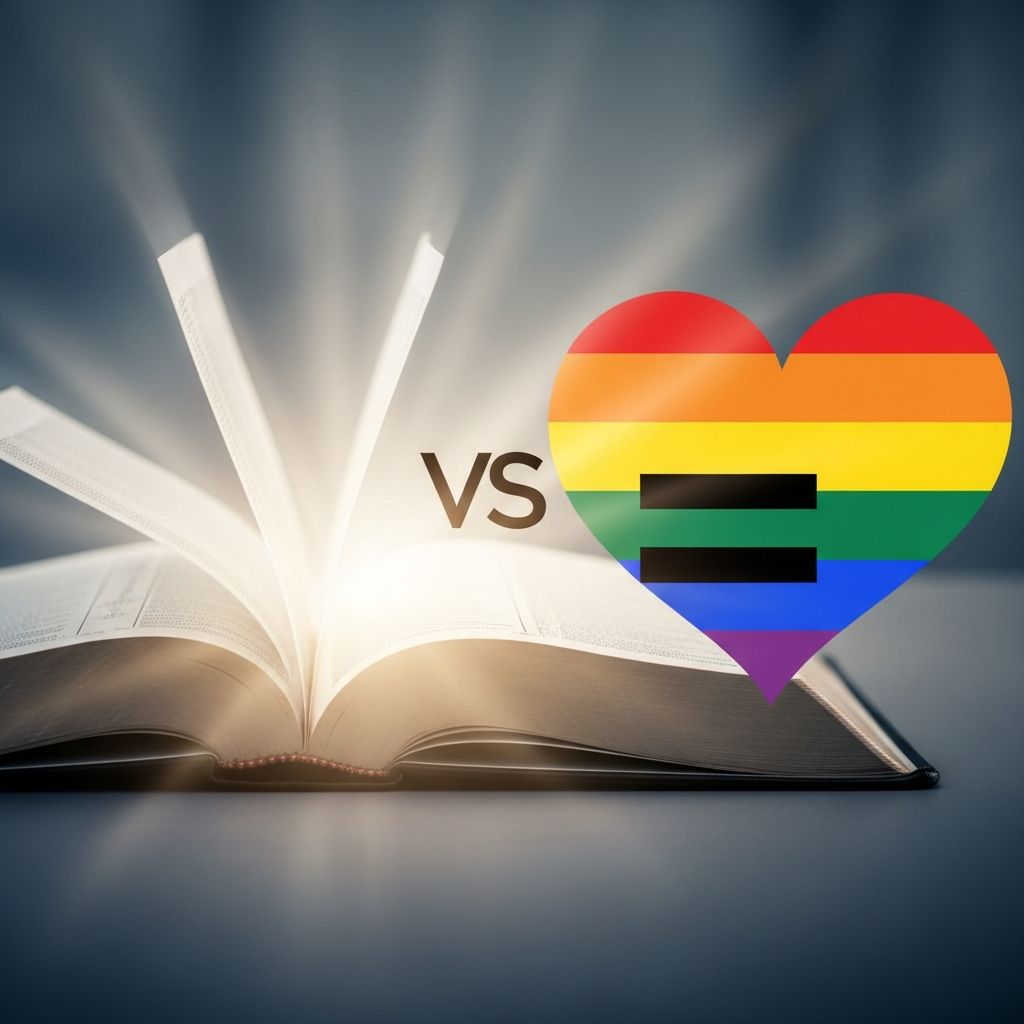
Religious exemptions play a pivotal role in balancing faith-based convictions with federal anti-discrimination mandates, particularly following the Supreme Court’s expansion of Title VII to cover sexual orientation and gender identity discrimination. These exemptions shield qualifying employers from certain obligations, sparking ongoing legal debates.
Understanding the Legal Foundation
The core tension arises from Title VII of the Civil Rights Act of 1964, which prohibits employment discrimination based on sex. The landmark Bostock v. Clayton County decision in 2020 clarified that this includes protections against bias due to sexual orientation or transgender status. However, statutes like the Religious Freedom Restoration Act (RFRA) of 1993 provide safeguards, prohibiting the government from substantially burdening religious exercise unless it demonstrates a compelling interest and uses the least restrictive means.
RFRA emerged in response to Supreme Court rulings permitting neutral laws to override religious practices, such as in peyote use cases. It mandates courts to scrutinize government actions that conflict with sincerely held beliefs. Title VII itself contains built-in exemptions for religious organizations, allowing them to hire individuals who align with their doctrinal tenets.
Key Court Rulings Defining Exemptions
Recent appellate decisions have clarified exemptions for both nonprofit religious entities and for-profit businesses with religious convictions. In a significant Fifth Circuit ruling, the court addressed challenges from Texas-based employers against Equal Employment Opportunity Commission (EEOC) enforcement.
- Bear Creek Bible Church: As a nonprofit religious group, it qualified for Title VII’s statutory exemption, enabling adherence to beliefs on marriage and gender without violating federal law.
- Braidwood Management Inc.: This for-profit wellness center, operated under Christian principles opposing certain homosexual or transgender behaviors, secured RFRA protection. The court found Title VII compliance would impose a substantial burden by forcing employment decisions contrary to core convictions.
The Fifth Circuit emphasized that Bostock explicitly left religious liberty questions unresolved, affirming that the EEOC failed to prove a compelling interest in denying exemptions. This decision reversed broad class certifications but upheld individual claims, limiting its scope to sincere religious objectors.
Scope of Exemptions: Nonprofits vs. For-Profits
| Entity Type | Primary Legal Basis | Key Protections | Court Precedent |
|---|---|---|---|
| Religious Nonprofits (e.g., Churches) | Title VII §702(a) | Exempt from sex discrimination rules when hiring aligns with religious tenets | Bear Creek ruling |
| For-Profit Religious Businesses | RFRA & First Amendment | Shield from substantial burdens on beliefs re: employment practices | Braidwood Management |
Nonprofits enjoy direct statutory carve-outs, while for-profits must demonstrate sincere beliefs and substantial burden under RFRA’s strict scrutiny. The EEOC has acknowledged respecting religious liberties in enforcement but maintains policies equating same-sex and opposite-sex marriages and gender-identity-based facilities access.
Implications for Employers Nationwide
These rulings create a patchwork of protections, strongest in the Fifth Circuit (Texas, Louisiana, Mississippi). Employers elsewhere face uncertainty, as other circuits may differ. For instance, religious businesses can maintain policies against hiring individuals engaging in behaviors conflicting with doctrines on marriage, premarital sex, or biological sex roles.
However, exemptions are narrow: they apply only to sincere religious objections, not general moral or philosophical ones. Discrimination remains unlawful for non-religious employers, per EEOC guidelines and Bostock. Standing requires credible threat of enforcement, as preemptive challenges succeeded here due to the “chilling effect” on operations.
Broader Policy Debates and Legislative Responses
Laws like the proposed Equality Act aim to expand LGBT protections without altering existing religious exemptions or repealing RFRA. Critics argue such measures could erode accommodations, while proponents emphasize equal civil rights application. State-level religious exemption laws vary, some threatening LGBT health and safety by enabling service denials.
EEOC guidance under Title VII protects all employees, including non-religious individuals, from faith-based discrimination. Balancing acts involve associational freedoms, speech rights, and equality interests under the First Amendment.
Practical Steps for Compliant Operations
Businesses with religious convictions should:
- Document sincerely held beliefs through policies, mission statements, and leadership affirmations.
- Consult RFRA analyses for for-profits, ensuring policies target conduct tied to doctrine.
- Monitor EEOC actions and circuit-specific precedents.
- Implement neutral accommodations where possible to minimize conflicts.
Non-exempt employers must train on Bostock compliance to avoid liability. Legal counsel is essential for navigating hybrid cases involving public accommodations or contracting.
Frequently Asked Questions
Do religious exemptions apply to all employers?
No, only those with sincere religious beliefs qualifying under Title VII or RFRA. Secular businesses must fully comply with LGBT protections.
Can for-profit companies deny employment based on LGBT status?
In limited cases, yes, if RFRA applies and government lacks compelling interest, as in Braidwood.
What about bathroom or marriage recognition policies?
EEOC guidance prioritizes self-identified gender and equal marriage treatment, but exemptions may override for religious entities.
Are class actions possible for exemptions?
Courts have rejected broad classes, focusing on individual claims to date.
How does RFRA interact with Bostock?
Bostock expanded Title VII but deferred religious issues; RFRA provides case-by-case exemptions.
Future Outlook and Evolving Jurisprudence
Supreme Court review remains possible, potentially clarifying nationwide standards. Until then, religious employers gain breathing room in permissive circuits, fostering doctrinal consistency. Policymakers must weigh equality against liberty, ensuring neither dominates without scrutiny.
This landscape underscores America’s commitment to pluralism, where faith and rights coexist amid judicial refinement. Businesses should proactively align operations with prevailing law to mitigate risks.
References
- Religious Organization Exempt From LGBTQ+ Anti-Discrimination Obligations — Liebert Cassidy Whitmore. 2023-06-26. https://www.lcwlegal.com/news/religious-organization-exempt-from-lgbtq-anti-discrimination-obligations/
- Religious Exemptions — Georgetown Journal of Gender and the Law. 2021. https://www.law.georgetown.edu/gender-journal/in-print/volume-xxii-issue-2-annual-review-2021/religious-exemptions/
- Fifth Circuit Upholds Religious Exemption to LGBTQ Rights — Phelps Dunbar LLP. 2023. https://www.phelps.com/insights/fifth-circuit-upholds-religious-exemption-to-lgbtq-rights.html
- Fifth Circuit Holds Christian-Owned Business Has Religious Exemption From LGBTQ Discrimination Claims — Ogletree Deakins. 2023-06-20. https://ogletree.com/insights-resources/blog-posts/fifth-circuit-holds-christian-owned-business-has-religious-exemption-from-lgbtq-discrimination-claims/
- The Equality Act and Religious Freedom Fact Sheet — Americans United for Separation of Church and State. N/A. https://www.au.org/how-we-protect-religious-freedom/policy/resources/fact-sheet-the-equality-act-and-religious-freedom/
- Section 12: Religious Discrimination — U.S. Equal Employment Opportunity Commission. N/A. https://www.eeoc.gov/laws/guidance/section-12-religious-discrimination
Similar Articles








Read full bio of medha deb


