
Recovering from a Car Break-In: Essential Steps
Discover critical actions to take after a vehicle break-in to secure your safety, protect your assets, and prevent future incidents effectively.
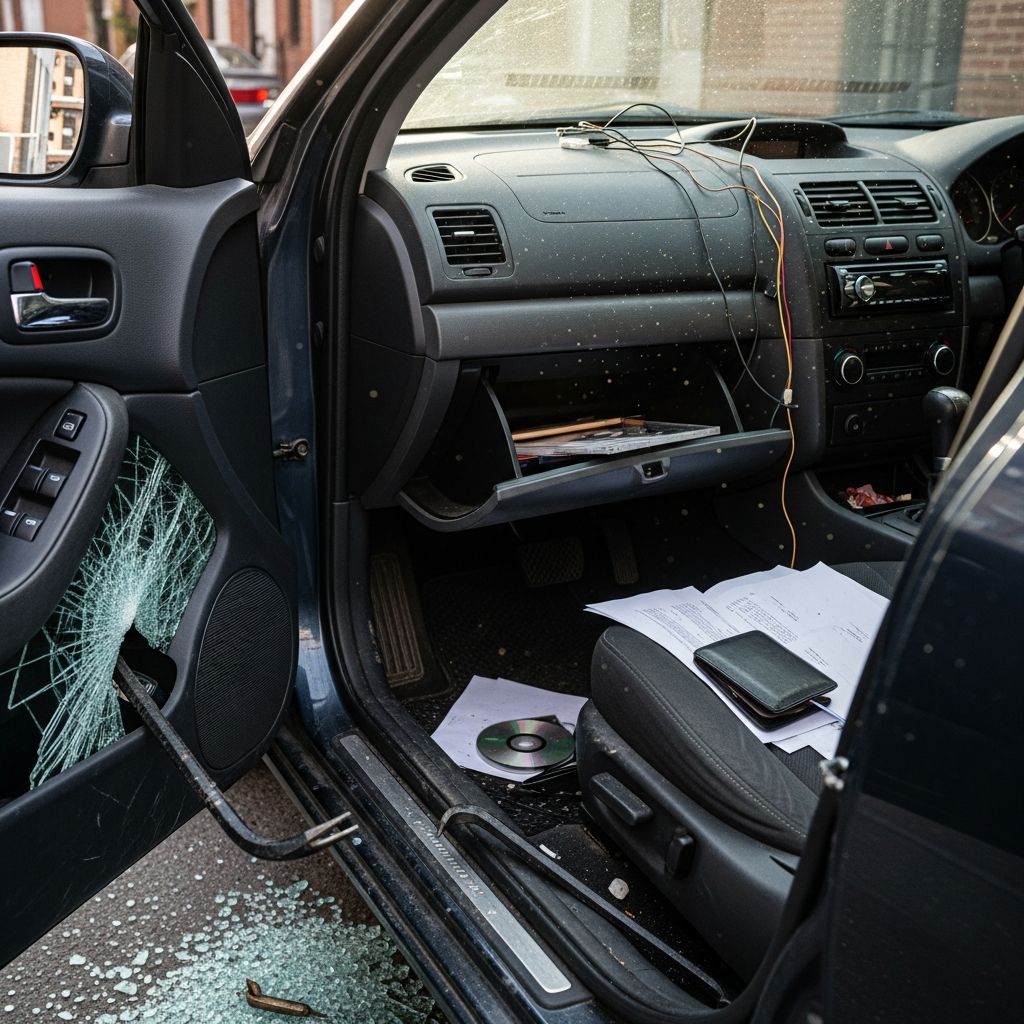
Experiencing a car break-in can leave you feeling vulnerable and overwhelmed, but prompt and methodical action can minimize losses and restore normalcy. This guide provides a structured approach to handling the aftermath, drawing from established best practices to protect your well-being, finances, and vehicle.
Prioritizing Personal Safety Immediately
The moment you suspect your vehicle has been targeted, your top priority must be personal safety. Thieves often operate quickly and may linger nearby, so avoid rushing to the scene impulsively. Instead, retreat to a secure location such as inside a building or your home, where there is higher foot traffic or surveillance.
Scan your surroundings for any suspicious individuals or activity before approaching. If you’re in a parking lot, notify the property management or security team right away—they may have cameras or protocols in place. In residential areas, lock your doors and contact neighbors if you feel isolated. Only once the area seems clear should you inspect your car from a distance.
- Observe from afar without touching the vehicle initially.
- Report any ongoing threats to authorities via 911.
- Trust your instincts—if something feels off, prioritize distance over inspection.
This cautious approach not only protects you but also preserves potential evidence, as tampering with the scene could complicate investigations.
Thoroughly Documenting the Incident
Once safety is confirmed, meticulously record every detail of the break-in. High-quality photographs are invaluable for insurance claims and police reports. Capture images of the exterior damage, such as shattered glass, bent door frames, or tampered locks, from multiple angles.
Inside the vehicle, note disarray, missing items, and any signs of further tampering like damaged ignition or upholstery tears. Create a detailed inventory of stolen goods, including descriptions, serial numbers, and approximate values—especially for electronics, documents, or cash.
| Item Category | Examples | Why Document? |
|---|---|---|
| Electronics | Phone, GPS, laptop | High value; serial numbers aid recovery |
| Documents | Wallet, ID, checks | Risk of identity theft |
| Personal Items | Jewelry, clothing | Proof for insurance reimbursement |
| Vehicle Damage | Windows, locks | Repair cost estimation |
Timestamp your photos and notes, and store them digitally in a secure cloud service. This documentation forms the backbone of your recovery process, ensuring accurate claims and potential thief apprehension.
Filing a Police Report Promptly
Contact your local police department’s non-emergency line immediately to report the crime. Provide specifics: location, time, description of damage, stolen items list, and any observed suspects or vehicles. Mention nearby surveillance if applicable, as footage can be crucial.
Request a copy of the official report or its reference number—insurers mandate this for processing claims. In some jurisdictions, online reporting portals exist for non-violent break-ins, speeding up the process. Cooperate fully, as your input could link to broader crime patterns.
Police involvement also deters insurance fraud accusations and provides legal recourse if valuables are recovered. Follow up if needed, especially in high-crime areas where patterns are tracked.
Navigating Insurance Claims Effectively
With documentation and police report in hand, notify your auto insurer without delay. Comprehensive coverage typically handles vehicle damage from break-ins, separate from collision policies. Submit photos, inventory, and report details promptly.
Personal items may fall under homeowners’ or renters’ insurance, so check both policies. Inquire about deductibles, covered repairs, and rental car options during downtime. Obtain multiple repair quotes to ensure fair pricing, comparing against industry standards like Kelley Blue Book.
Schedule a claims adjuster visit for assessment. If financed or leased, inform your lender to avoid complications. Track all communications and deadlines to expedite reimbursement.
- Review policy for comprehensive vs. personal property coverage.
- Keep records of all submissions and conversations.
- Ask about temporary fixes like window covers.
Addressing Repairs and Cleaning Thoroughly
Professional repairs are essential to restore functionality and security. Prioritize broken windows or locks, using certified auto glass or body shops for quality work. Temporary plastic sheeting can secure the vehicle interimly against weather.
Inspect for hidden damage: scratched interiors, tampered wiring, or glovebox rifling. After structural fixes, deep clean to remove glass shards, fingerprints, or debris—vacuum seats, crevices, and mats meticulously.
Replace any compromised locks or ignition components. Professional detailing post-repair eliminates health hazards and revitalizes the interior, aiding emotional recovery.
Strengthening Vehicle Security for Prevention
Recovery extends to prevention. Implement visible deterrents: steering wheel locks, alarms, or GPS trackers reduce appeal to opportunists. Never leave valuables visible—store in trunk or take inside.
Park in illuminated, surveilled lots with high traffic. Lock doors and windows always, even briefly. Hide charger cords to avoid signaling electronics.
| Security Measure | Benefits | Cost Range |
|---|---|---|
| Steering Wheel Lock | Visual deterrent | Low ($20-50) |
| Alarm System | Alerts and sirens | Medium ($100-300) |
| GPS Tracker | Recovery aid | Medium ($50-200 + sub) |
| Well-Lit Parking | Reduces opportunity | Free |
These habits, per law enforcement tips, significantly lower risks.
Monitoring for Identity Theft Risks
Stolen wallets or documents heighten identity theft chances. Place fraud alerts on credit reports via Equifax, Experian, TransUnion. Monitor accounts, freeze credit, and replace IDs swiftly.
Notify banks if financial items were taken. Use services like Have I Been Pwned for breach checks. Proactive vigilance prevents long-term fallout.
Emotional and Financial Recovery Strategies
Beyond logistics, address stress through support networks or counseling. Budget for deductibles and replacements carefully. Community forums offer shared experiences, reinforcing resilience.
Track recovery milestones to regain control, turning violation into empowerment.
Frequently Asked Questions (FAQs)
What should I do first if I see my car broken into?
Ensure your safety by retreating to a secure spot and calling management or police before inspecting.
Does auto insurance cover stolen personal items?
Often not; check homeowners/renters policies for personal property coverage.
How soon must I file a police report?
As soon as possible—ideally within 24 hours for best evidence preservation.
Can I drive with a broken window?
Temporarily with plastic cover, but repair promptly for safety and legality.
What if no valuables were stolen?
Still report damage for insurance and police records to aid pattern detection.
Are steering wheel locks effective?
Yes, as visible deterrents that often discourage thieves seeking easy targets.
References
- 5 Essential Steps to Take After Your Car Has Been Broken Into — Gresham Auto Glass. 2023-10-15. https://www.greshamautoglass.com/post/5-essential-steps-to-take-after-your-car-has-been-broken-into-a-professional-guide
- What to Do if Your Car Is Broken Into — Security.org. 2024-05-22. https://www.security.org/home-security-systems/car-break-in/
- My Car Was Broken Into. Now What? — Maloney and Ward. 2023-11-08. https://maloneyandward.com/my-car-was-broken-into-now-what/
- Following Rash of Car Break-Ins, Commissioner Causey Shares Tips — North Carolina Department of Insurance (.gov). 2025-08-19. https://www.ncdoi.gov/news/press-releases/2025/08/19/following-rash-car-break-ins-commissioner-causey-shares-tips-keep-your-vehicle-safe-and-secure
- Car Break-In Detailing: How to Restore Your Car After a Theft — Car Detox US. 2024-02-14. https://cardetox-us.com/car-break-in-detailing/
- What to Do if Your Car is Broken Into — AAA. 2024-07-30. https://www.ace.aaa.com/insurance/advocacy/what-to-do-if-car-broken-into.html
- Tips for Reducing Vehicular Burglaries — Daytona Beach Government (.gov). 2023-01-12. https://www.daytonabeach.gov/1292/Tips-For-Reducing-Vehicular-Burglaries
Similar Articles








Read full bio of Sneha Tete




