
Recognizing and Avoiding Academic Degree Scams
Learn how to spot fake degrees, diploma mills, and credential scams before they cost you money, time, and opportunities.
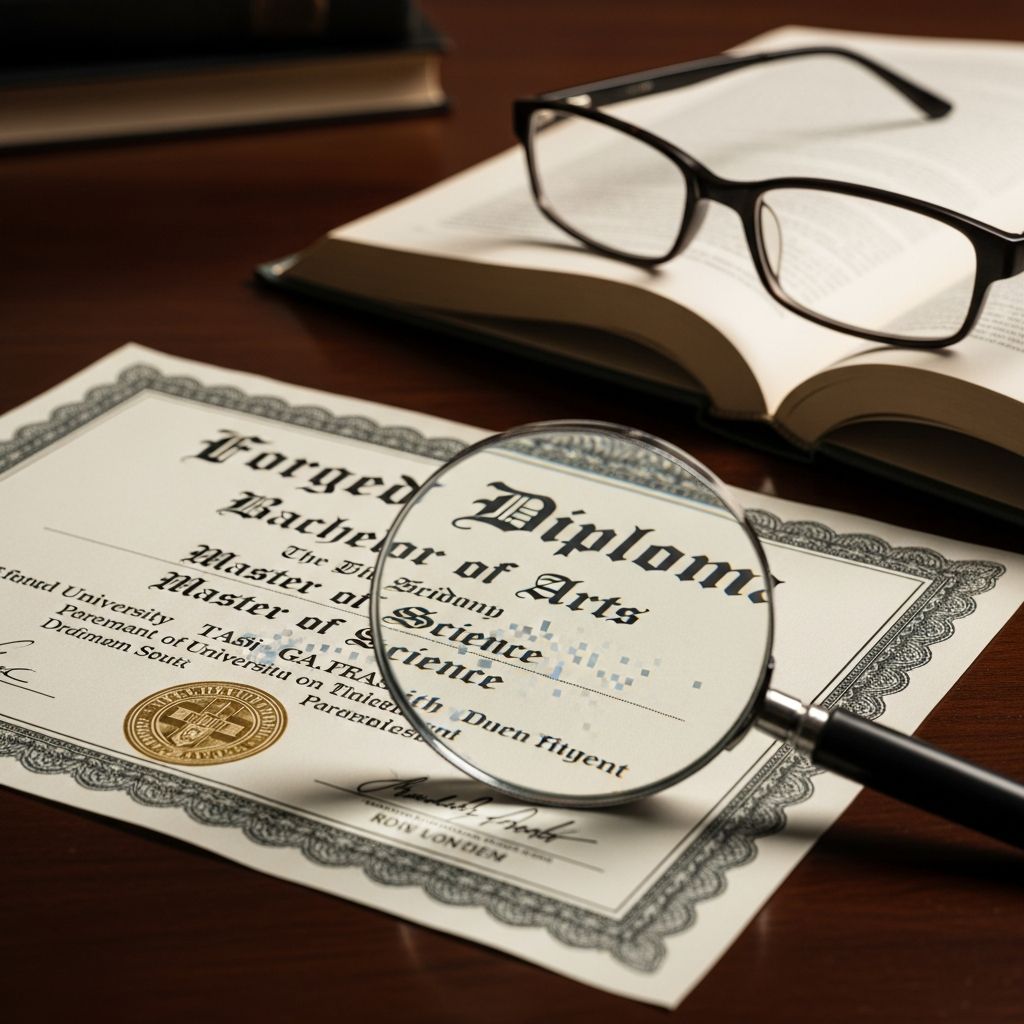
Promised a fast, easy degree with no classes, no exams, and guaranteed acceptance? That offer may be less an opportunity and more a sophisticated scam. Academic degree fraud and diploma mills cost people money, can derail careers, and may expose them to legal or immigration trouble.
This guide explains how illegitimate education providers operate, how to evaluate a school or credential, and what to do if you suspect you have been targeted or victimized.
Why Fake Degrees and Diploma Mills Are a Serious Problem
Diploma mills and credential scams exploit the increasing importance of education in hiring, licensing, and immigration decisions. They sell degrees or certificates that appear legitimate but lack the learning, oversight, and recognition of real institutions.
- Financial loss: Victims can pay hundreds or thousands of dollars for worthless credentials.
- Career damage: Employers, regulators, and licensing boards may dismiss applications, revoke licenses, or terminate employment if they discover bogus degrees.
- Legal consequences: Using fake educational credentials can lead to fraud-related investigations, especially in regulated professions or immigration filings.
- Data risks: Scammers collect sensitive personal and financial data, which can later be misused for identity theft or other frauds.
Government agencies and regulators worldwide have pursued enforcement actions against degree sellers that misrepresent their accreditation, exaggerate job outcomes, or lie about recognition by employers and licensing bodies.
Common Types of Academic Degree and Credential Scams
Not all questionable schools look the same. Some are outright fake; others are very low-quality but make deceptive promises. Here are frequent patterns.
1. Diploma Mills
Diploma mills are entities that sell degrees or certificates with little or no academic work required. They often use names similar to legitimate universities, display impressive seals, and claim international recognition.
- Promise degrees in days or weeks based mainly on “life experience.”
- Charge a flat fee for a degree instead of tuition for courses.
- Offer multiple degrees at once (for example, bachelor’s, master’s, and doctorate) in an unrealistically short time.
- Operate exclusively online but hide physical addresses or leadership information.
2. Fake Accreditation and Bogus Regulators
Many fraudulent schools try to look legitimate by claiming accreditation or government recognition that does not exist. In the United States, the federal government recognizes only specific accrediting bodies evaluated by the Department of Education or the Council for Higher Education Accreditation (CHEA).
- Use grand-sounding names like “International Accreditation Council,” but are absent from official recognition lists.
- List accreditation from organizations that are themselves run by the school operators.
- Misuse official-sounding terms such as “licensed” or “chartered” to imply quality, even when those terms only relate to basic business registration.
3. Imposter and Look-Alike Universities
Some schemes mimic the names or logos of well-known institutions to confuse consumers:
- Domains that differ from reputable schools by a single letter or extra word.
- Websites that copy photos, campus imagery, or language from legitimate colleges.
- Unclear disclosures about where the school is incorporated or authorized to operate.
4. Fake Online Course Platforms and “Instant Certification”
Scammers also sell professional certificates or micro-credentials that appear tied to respected employers or industry associations but are not recognized.
- Guaranteed job placement, visa support, or licensure claims.
- Unrealistic promises like “become a licensed professional in 7 days.”
- No verifiable relationship to the company or organization whose logo or name they use.
Warning Signs a School or Degree Offer May Be a Scam
Spotting a suspicious offer often comes down to watching for red flags in their promises, pricing, and communication. The more signs you see, the more cautious you should be.
| Warning Sign | What It May Mean |
|---|---|
| Degree promised in weeks or only from “life experience” | Indicates a diploma mill, not a genuine academic program. |
| Flat fee for the whole degree, no per-course tuition | Suggests payment for a document, not for education or instruction. |
| Pressure to enroll or pay immediately | High-pressure tactics are classic hallmarks of fraudulent schemes. |
| Unclear or unverifiable accreditation claims | Accreditation body may be self-created or unrecognized by authorities. |
| No physical campus, no staff directory, vague contact information | Indicates a shell operation designed to disappear quickly. |
| Guaranteed job, visa, or licensure | Legitimate schools cannot promise employment or immigration outcomes. |
Behavior and Marketing Red Flags
- Unsolicited outreach: Phone calls, texts, or emails pushing you to register for a program you never asked about.
- Emphasis on credentials over learning: Marketing focuses on the diploma or title, not on courses, faculty, or curriculum.
- Non-refundable fees and vague policies: Refusal to provide clear refund, withdrawal, or complaint procedures.
- Requests for sensitive documents too early: Demands for passport scans, Social Security numbers, or bank details before you apply through any standardized process.
How to Check Whether a School or Program Is Legitimate
Before paying any money or sharing personal information, research the institution carefully. A few checks can save you from a costly mistake.
1. Confirm Accreditation and Legal Status
In the U.S., you can verify higher education institutions and recognized accreditors using official resources:
- Search the U.S. Department of Education’s lists of recognized accrediting agencies and accredited schools.
- Use the Council for Higher Education Accreditation (CHEA) database to cross-check recognized accreditors.
- Check state-level higher education or professional licensing boards to see if a school is authorized to operate in a specific state.
Outside the U.S., check the national education ministry or quality assurance agency in the country where the school claims to be located.
2. Verify Program Recognition for Licensure or Certification
For fields like teaching, nursing, engineering, law, or accounting, not all accredited programs are accepted for licensure. Professional regulators typically list the programs they recognize.
- Look at the relevant licensing board’s website to confirm accepted degrees.
- Contact the board directly if the program is not clearly listed.
- Ask whether online or foreign programs must meet additional requirements.
3. Research the Institution’s Reputation
- Search the institution’s name together with terms like “complaints,” “scam,” “diploma mill,” or “lawsuit.”
- Check multiple independent sources (news coverage, government actions, court records) instead of relying only on student reviews, which can be fabricated.
- Look for clear information about leadership, faculty qualifications, and campus location.
4. Examine the Website Carefully
Professional-looking sites can still belong to scammers, but many offer subtle clues:
- Is there a detailed course catalog with credit hours, prerequisites, and faculty names?
- Are policies (admissions, grading, refunds, complaints) clearly presented?
- Does the domain match the institution’s official name, or is it a close imitation?
Safer Ways to Pursue Legitimate Education
If you want flexible or low-cost study options, there are many legitimate paths that do not involve cutting corners or risking diploma mills.
- Community and public colleges: Often provide affordable, accredited programs with clear transfer pathways.
- Accredited online programs: Many traditional universities now offer recognized online degrees and certificates.
- Apprenticeships and workforce training: Government and employer-run programs can provide recognized qualifications for specific trades or careers.
- Non-credit or continuing education courses: Universities, libraries, and non-profits offer skills training without misrepresenting courses as formal degrees.
What to Do If You Suspect a Degree or School Is Fake
If you think you have encountered a degree scam—or already bought a bogus credential—taking action quickly can help limit damage.
1. Stop Payments and Gather Records
- Contact your bank or card issuer to dispute unauthorized or deceptive charges and to ask whether a chargeback is possible.
- Save emails, receipts, screenshots, enrollment documents, and advertisements. These records can support complaints or legal claims.
2. Report the Scheme
Consumer protection and education authorities use reports to identify patterns and bring enforcement actions.
- File a complaint with your national or state consumer protection authority (for example, the U.S. Federal Trade Commission for deceptive business practices).
- Notify the education or higher education ministry or regulator in the country where the institution claims to be based.
- Report suspected immigration-related fraud to the appropriate immigration or border agency if a degree was marketed as a visa shortcut.
3. Be Honest with Employers and Regulators
If you have already used a questionable degree on a résumé, job application, or license renewal:
- Consider proactively correcting the record and removing the credential.
- Explain that you learned the program was illegitimate and provide evidence of your efforts to report the scheme.
- Focus on any verifiable qualifications and experience you do have.
Protecting Yourself Before You Enroll
Good habits can help you avoid most education-related scams.
- Slow down: Never enroll in a degree program the same day you hear about it. Take time to research and compare options.
- Ask questions: How long is the program? What work will you do? Who teaches the courses? How are students assessed?
- Get promises in writing: If a representative claims guaranteed jobs, transfers, or licensing, ask where those promises appear in official documents.
- Guard your data: Do not provide high-risk information (Social Security numbers, passport scans, full banking details) until you are certain the institution is legitimate and you are completing a secure application.
Frequently Asked Questions (FAQs)
Q1: What exactly is a diploma mill?
A diploma mill is a business that sells degrees or certificates with little or no genuine academic study, often relying on life experience claims and flat fees instead of structured coursework and recognized accreditation.
Q2: How can I check if a school’s accreditation is real?
Look up the accrediting agency on the U.S. Department of Education or CHEA lists (or the equivalent authority in your country). If the accreditor is not recognized, or the school is missing from official directories, treat the program as high risk.
Q3: Are all online degrees suspicious?
No. Many accredited universities offer legitimate online programs. The key is whether the institution and its accreditors are recognized by official education and quality assurance authorities, and whether professional regulators accept the degree for licensure.
Q4: What should I do if I already used a fake degree to apply for a job?
Consider disclosing the issue before it is discovered, remove the credential from your résumé, and provide honest information about your real qualifications. In sensitive professions or immigration contexts, seek legal advice about your obligations.
Q5: Can I get my money back from a diploma mill?
Recovery is not guaranteed, but you may be able to dispute charges with your bank or card issuer if you can show the program misrepresented itself. Reporting the scheme to consumer protection and education authorities can also support broader enforcement efforts.
References
- FTC Rule on Unfair or Deceptive Fees to Take Effect on May 12, 2025 — Federal Trade Commission. 2025-05-09. https://www.ftc.gov/news-events/news/press-releases/2025/05/ftc-rule-unfair-or-deceptive-fees-take-effect-may-12-2025
- Consumer Protection — Federal Trade Commission. 2025-05-01 (updated). https://www.ftc.gov/consumer-protection
- Rules — Federal Trade Commission. 2024-11-15 (updated). https://www.ftc.gov/legal-library/browse/rules
- Competition and Consumer Protection Guidance Documents — Federal Trade Commission. 2024-10-10 (updated). https://www.ftc.gov/enforcement/competition-consumer-protection-guidance-documents
- Protecting Older Consumers 2024–2025 — Federal Trade Commission. 2024-09-18. https://www.ftc.gov/reports/protecting-older-consumers-2024-2025-report-federal-trade-commission
Similar Articles








Read full bio of medha deb


