
Recognizing and Reporting Government Imposter Scams
Learn how to spot fake government contacts, avoid costly imposter scams, and safely report fraud using trusted official resources.
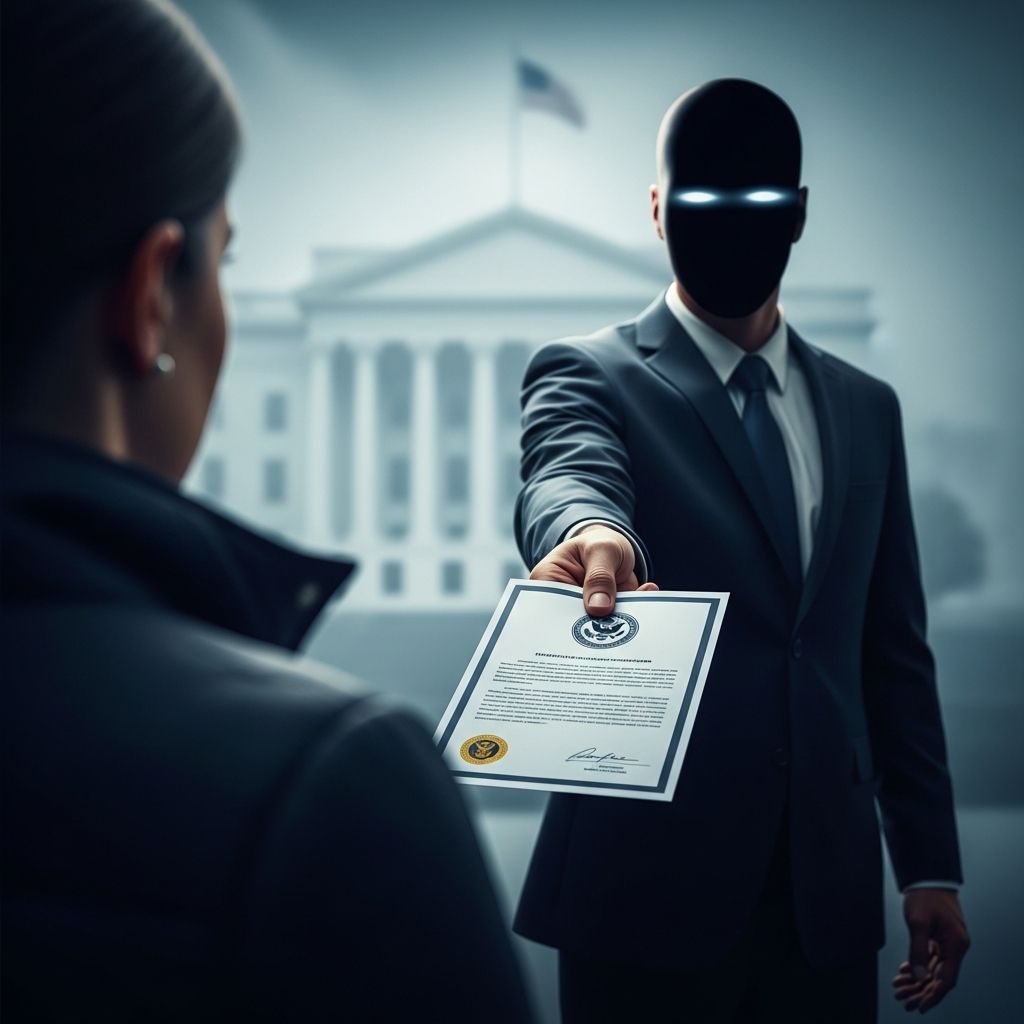
Scammers routinely pretend to be from government agencies to pressure people into sending money or sharing sensitive personal information. Understanding how these schemes work, what warning signs to watch for, and how to respond safely can protect you from serious financial and privacy harm.
What Are Government Imposter Scams?
Government imposter scams happen when a fraudster falsely claims to be from a legitimate agency, like the Internal Revenue Service (IRS), Social Security Administration (SSA), or the Federal Trade Commission (FTC), to trick you into acting quickly and without verification.
These scams can take many forms:
- Threatening calls claiming you owe taxes or fees
- Text messages with fake links to “verify” benefits or refund payments
- Emails that look official and ask for Social Security numbers or bank details
- Social media messages pretending to offer grants or government relief
In all cases, the scammer wants one of two things: your money, or your personal information that can be used for identity theft.
Common Tactics Scammers Use
Fraudsters rely on predictable psychological tricks. Recognizing these patterns makes it easier to say no.
1. Creating a Sense of Crisis
Scammers often insist that something terrible will happen if you do not act immediately, such as:
- Arrest or legal action for unpaid taxes or fines
- Loss of Social Security or Medicare benefits
- Immigration consequences or deportation
- Frozen bank accounts or seized property
Legitimate government agencies do not make first contact with threats or ultimatums. Official processes allow for written notices, appeals, and time to respond.
2. Demanding Unusual Payment Methods
Scammers regularly insist on payment in ways that are hard to trace or reverse, including:
- Gift cards (retail, gaming, or prepaid cards)
- Cryptocurrency such as Bitcoin
- Wire transfers or peer-to-peer apps with no buyer protections
- Cash sent through mail or couriers
Government agencies in the United States do not request payment through gift cards or cryptocurrency, and they do not demand immediate payment over the phone.
3. Impersonating Caller ID and Email Addresses
Technology makes it easy to manipulate what you see on your phone or computer. Scammers may:
- Use caller ID spoofing so the number appears to be from “IRS” or a local agency
- Create email addresses that look similar to official government domains
- Copy logos, seals, and language from real government websites
Because of spoofing, you cannot rely on caller ID or email appearance alone to verify who is contacting you.
4. Pressuring You to Share Personal Data
Instead of asking for money directly, some scammers try first to collect key data they can use or sell:
- Social Security numbers
- Bank or credit card numbers
- Online account usernames and passwords
- Medical insurance or Medicare numbers
Once they have enough information, they may open new accounts, file false benefit claims, or commit tax refund fraud in your name.
Red Flags That Signal a Government Imposter
You can spot many scams by looking for a few clear warning signs.
| Red Flag | Why It Indicates a Scam |
|---|---|
| Unsolicited call, email, or text demanding immediate action | Agencies typically send formal letters first and allow time to respond. |
| Threats of arrest, deportation, or license suspension | Real officials do not use sudden threats as a first step. |
| Requests for payment via gift cards, crypto, or wire transfer | These methods are favored by scammers, not by the U.S. government. |
| Pressure to keep the call or message a secret | Legitimate agencies do not ask you to hide communications from family or banks. |
| Instructions to click on a link and log in using banking or government credentials | Links may lead to phishing pages designed to steal your login information. |
How Legitimate Government Agencies Really Contact You
Understanding how genuine agencies operate makes it easier to detect imposters.
- IRS – Typically sends letters or notices by U.S. mail before calling about tax issues, and it will not demand payment by phone using gift cards or wire transfers.
- Social Security Administration – Sends formal letters and may contact you through secure online accounts; it does not threaten immediate suspension of your number or benefits by phone.
- FTC – Does not call to demand money, guarantee refunds, or ask for sensitive personal information. It provides free information and accepts complaints from the public.
When you are unsure whether a contact is real, look up the agency’s official phone number or website yourself and reach out using that trusted information.
Steps to Take If You Suspect a Scam
If something feels wrong, treat it as a potential scam until you can verify it independently.
1. Stop Communicating Immediately
- Hang up on unexpected calls that involve threats, pressure, or payment demands.
- Do not click on links in suspicious texts, emails, or social media messages.
- Avoid replying, even to say “stop,” as this can confirm that your phone number or email is active.
2. Confirm Using Official Contact Information
- Type the agency’s web address directly into your browser or use a reputable search engine.
- Call published phone numbers from the agency’s official site – not numbers provided in the suspicious message.
- Log in to your existing secure account (for example, IRS or Social Security) to check for real notices.
3. Protect Your Accounts and Devices
If you shared any information or clicked on a suspicious link, take action quickly:
- Change passwords on important accounts, especially email and financial accounts.
- Turn on multi-factor authentication where available for extra protection.
- Update your security software and run a full scan for malware.
4. Contact Your Bank or Card Issuer
If you sent money or provided financial details:
- Immediately tell your bank, credit union, or card company what happened.
- Ask whether payments can be stopped or reversed.
- Monitor statements for unauthorized charges and dispute them promptly.
5. Report the Scam to the FTC
Reporting scams helps enforcement agencies track patterns and stop future fraud. The Federal Trade Commission collects reports of fraud, identity theft, and other illegal business practices and shares them with law enforcement partners.
- Provide as many details as you can remember (phone numbers used, messages received, payment directions, and any amounts lost).
- Include screenshots or copies of emails and messages if possible.
- Encourage friends or family who were also contacted to report what they experienced.
Recovery Steps After You Have Paid a Scammer
Even if you have already lost money, fast action can sometimes limit the damage.
- Credit or debit card: Contact your card issuer right away and ask to dispute the charge as fraud.
- Bank transfer: Call your bank immediately to see if the transfer can be reversed.
- Gift cards: Tell the card issuer as soon as possible and keep the receipt and card numbers; some companies may be able to freeze funds that have not yet been used.
- Wire transfer: Notify the sending company (such as a money transfer service) and ask if the transfer can be cancelled or flagged as fraud.
- Cryptocurrency: Contact the exchange platform you used and report the transaction as fraudulent, though recovery may be difficult.
Protecting Your Personal Information Long-Term
Because government imposters often seek data as well as money, strengthening your identity protection is critical.
- Check your credit reports regularly for new accounts you did not open.
- Consider placing a fraud alert or credit freeze with major credit bureaus if your Social Security number or financial data was exposed.
- Review benefit statements (for example, Social Security or Medicare). Unexpected activity may indicate misuse of your identity.
- Store sensitive documents securely and shred papers that contain personal information before discarding them.
Helping Older Adults and Other At-Risk Groups
Older adults are frequent targets of government imposter scams, often because scammers assume they receive retirement benefits and may be more trusting of official-sounding calls. People with limited English proficiency, new immigrants, and those under financial stress are also at higher risk.
- Talk openly with family members and clients about common scam tactics.
- Role-play how to decline suspicious calls or messages firmly but calmly.
- Share information in multiple languages where possible.
- Encourage at-risk individuals to get a second opinion before sending money or sharing data.
Practical Do and Don’t Checklist
Use this quick list to guide your response the next time someone claims to be a government representative.
- Do hang up if you feel pressured, threatened, or rushed.
- Do verify contact using phone numbers or websites you find yourself.
- Do talk to a trusted friend, family member, or advisor before sending money.
- Do report suspicious contacts so agencies can investigate.
- Don’t pay with gift cards, cryptocurrency, or wire transfers to respond to a supposed government demand.
- Don’t share your Social Security number, bank details, or account passwords with unsolicited callers or messages.
- Don’t trust caller ID or email appearance alone as proof of legitimacy.
Frequently Asked Questions (FAQs)
Q1: How can I be sure a call from a government agency is real?
A legitimate agency usually contacts you by mail first, and it will not demand immediate payment using gift cards, cryptocurrency, or wire transfers. If you are unsure, hang up and call the agency using a phone number listed on its official website, not the number that called you.
Q2: What should I do if I already gave a scammer my Social Security number?
If you shared your Social Security number, monitor your credit reports for unusual activity, consider placing a fraud alert or credit freeze with major credit bureaus, and watch for any unexpected government benefit or tax-related notices. Report suspected misuse of your identity to appropriate authorities.
Q3: Are emails and text messages from government agencies always fake?
Not always, but scam emails and texts are very common. Treat unsolicited messages with caution, avoid clicking unfamiliar links, and go directly to the agency’s official website by typing the address into your browser. From there, you can sign in to any legitimate online account to check for messages.
Q4: Why do scammers prefer gift cards and cryptocurrency?
Gift cards and cryptocurrency are fast, widely available, and hard to recover once sent. They allow scammers to receive value anonymously and move it quickly, which is why no legitimate government office requests payment in these forms.
Q5: Does reporting a scam really make a difference?
Yes. Agencies like the FTC use scam reports to identify trends, support investigations, and coordinate with other law enforcement partners. Individual reports, combined with many others, help authorities shut down operations and warn the public about emerging threats.
References
- Enforcement — Federal Trade Commission. 2024-06-01. https://www.ftc.gov/enforcement
- Bureau of Consumer Protection — Federal Trade Commission. 2024-05-15. https://www.ftc.gov/about-ftc/bureaus-offices/bureau-consumer-protection
- Consumer Protection — Federal Trade Commission. 2025-05-30. https://www.ftc.gov/consumer-protection
- Rules — Federal Trade Commission. 2024-07-12. https://www.ftc.gov/legal-library/browse/rules
- File A Complaint — Federal Trade Commission. 2024-03-18. https://www.ftc.gov/media/71268
Similar Articles








Read full bio of medha deb


