
Recognizing and Avoiding Social Security Scams
Learn how Social Security scams work, what they sound like, and the steps you can take today to protect your benefits and identity.
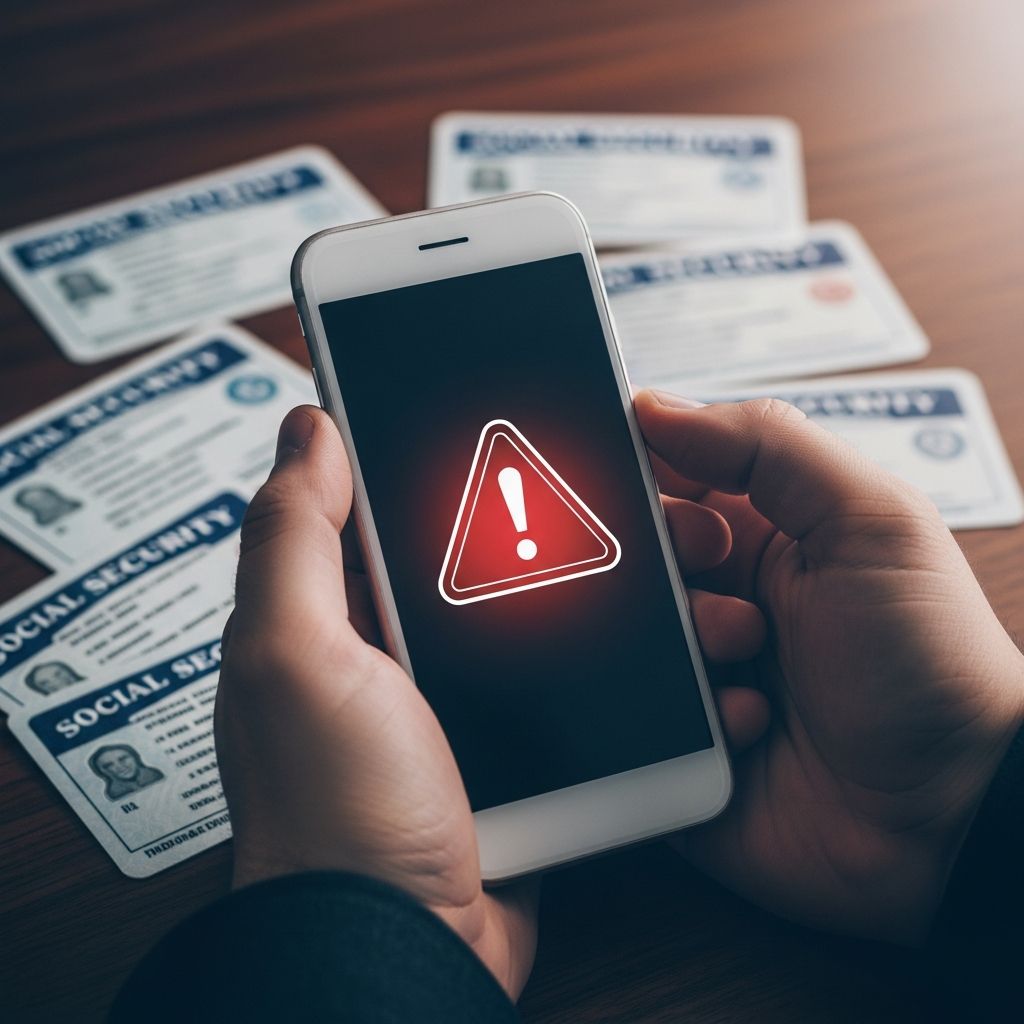
Social Security benefits are a lifeline for millions of people, which makes them a prime target for criminals. Scammers know that threats involving your Social Security number or benefits can create fear and confusion, and they use that pressure to trick people into sending money or sharing sensitive information.
This guide explains how Social Security scams work, what they often sound like, and how to respond safely if you think you are being targeted.
Why Social Security Scams Are So Common
Any system that relies on a single key identifier, such as a Social Security number, is attractive to criminals. With your number and basic personal details, scammers may attempt to open credit accounts, file fraudulent tax returns, or redirect benefits in your name.
Imposters often claim to be from the Social Security Administration (SSA) or a related government office. According to the SSA Office of the Inspector General, scammers frequently threaten to suspend your SSN, seize your bank account, or arrest you unless you act immediately.
How Scammers Typically Contact You
Although scam stories vary, most follow a familiar pattern. Understanding these patterns makes them easier to spot.
- Phone calls and robocalls: A live caller or automated recording claims there is a problem with your Social Security number or benefits.
- Text messages (SMS): Short, alarming messages urge you to click a link or call a number to fix an urgent issue.
- Emails: Messages may use logos or formatting that resemble official government notices and include links to fake websites.
- Letters: In some cases, scammers send physical mail that looks official, hoping the appearance of a letterhead will convince you.
- Social media or messaging apps: Fraudsters may reach out through direct messages, claiming to help you with benefits or offer a special program.
Common Social Security Scam Tactics
While the details change over time, the core tactics stay similar. Below are some of the most common ploys reported by consumer protection and government agencies.
| Scam Tactic | What You May Hear | Why It Is Fraud |
|---|---|---|
| Threats to suspend your SSN | “Your Social Security number has been suspended due to suspicious activity.” | The SSA does not suspend or cancel SSNs because of unpaid fees or alleged crimes. |
| Demands for immediate payment | “You must pay a fine today to avoid arrest or loss of benefits.” | SSA will never demand instant payment or threaten arrest over the phone. |
| Requests for gift cards or cryptocurrency | “Buy gift cards and read the numbers to us to clear your record.” | Government agencies do not accept gift cards, prepaid cards, or Bitcoin as payment. |
| Fake benefit increases | “We can increase your monthly benefit if you verify your bank account.” | Benefit adjustments are automatic; SSA does not require a fee or extra verification by phone or text. |
| Overpayment or penalty claims | “You were overpaid and must return the money immediately.” | Real overpayment notices come by mail from SSA, with clear instructions—not threats by phone or text. |
Warning Signs You Are Dealing With a Scam
Recognizing red flags quickly can save you money and protect your identity. The SSA Inspector General lists several common warning signs.
- Pressure and urgency: The caller insists that you must act right away, often to avoid arrest or benefit loss.
- Unusual payment methods: You are told to pay with gift cards, prepaid debit cards, wire transfers, cryptocurrency, or by mailing cash.
- Demands for secrecy: The person tells you not to speak to your bank, family, or friends about the call.
- Requests for sensitive data: You are pushed to share your full SSN, bank account numbers, Medicare number, or other personal details.
- Caller ID spoofing: The number on your phone may show “Social Security Administration” or a government-looking number, but scammers can fake this easily.
- Threatening language: The caller claims law enforcement is on the way, or that your assets will be seized.
Real vs. Fake Contact from Social Security
It is important to distinguish legitimate contact from impersonation. The SSA does sometimes call or mail you, but it follows clear rules.
- When SSA may contact you:
- About ongoing claims or appeals you are already involved in.
- To schedule or confirm an appointment.
- To send official decisions or notices by mail.
- What SSA will not do:
- Threaten your immediate arrest or legal action over the phone.
- Promise to increase your benefits in exchange for personal information.
- Ask you to pay a fee for “processing” or “expediting” your claim.
- Ask you to pay by gift cards, cryptocurrency, or by mailing cash.
- Contact you through social media to discuss benefits.
How Identity Theft Fits Into Social Security Scams
Many Social Security scams have one primary goal: to steal your identity. Once criminals have your number and other personal details, they can commit several kinds of fraud.
- Open credit cards or loans in your name.
- File fraudulent tax returns and claim refunds.
- Apply for benefits they are not entitled to, using your SSN.
- Sell your information on criminal marketplaces for others to misuse.
Because identity theft can take months or years to fully uncover and resolve, prompt action when you suspect a scam is critical.
Steps to Take If You Receive a Suspicious Call or Message
If you get a call, text, email, or letter that worries you, use these steps to stay safe.
- Hang up or stop responding. Do not press any buttons on a robocall, even if it says “press 1 to speak to an agent.” Ending the interaction immediately is the safest move.
- Do not share personal or financial information. Never provide your full SSN, bank account information, or credit card numbers to an unexpected caller.
- Do not send money or buy gift cards. If anyone asks you to pay with gift cards, prepaid cards, wire transfers, or cryptocurrency, treat it as a scam.
- Verify using official contact information. If you are worried the call could be real, contact SSA directly using the phone numbers listed on the official SSA.gov website—not numbers provided by the caller or in a suspicious message.
- Document what happened. Write down the phone number, date, time, and the key things the caller said. Screenshots of texts or emails can also be useful.
What to Do If You Already Gave Information or Money
If you think you may have fallen for a Social Security scam, quick action can limit the damage.
- Contact your bank or card issuer immediately. Ask them to stop or reverse any payments, flag suspicious activity, and issue new cards if needed.
- Place fraud alerts and check your credit reports. Contact major credit reporting agencies to put a fraud alert or credit freeze on your file and review your reports for unfamiliar accounts.
- Report the scam to the appropriate authorities. Government agencies track these schemes and can guide you on next steps.
- Monitor mail and online accounts. Watch for new bills, collection notices, or login alerts that might indicate someone is using your identity.
Where and How to Report Social Security Scams
Reporting scams helps law enforcement track patterns and warn others. Several official channels accept reports about Social Security fraud and related schemes.
- SSA Office of the Inspector General (OIG): Handles reports of SSA impersonation, threatening calls, and fake benefit-related claims.
- U.S. Department of Justice resources for older adults: The Elder Justice Initiative highlights common scams targeting seniors and encourages reporting to help prevent additional victims.
- Local law enforcement: In some cases, particularly when there is a direct threat or monetary loss, your local police department may take a report.
Include as many details as you can when you file a report, including phone numbers, email addresses, payment instructions you received, and any names or titles the scammer used.
Protecting Yourself Before a Scam Happens
Beyond reacting to specific calls or messages, you can reduce your risk by adopting a few ongoing habits.
- Guard your Social Security number. Share it only when absolutely necessary and ask why it is needed and how it will be protected.
- Use strong, unique passwords and enable multi-factor authentication on financial and government-related accounts when available.
- Review your bank and credit card statements monthly for charges you do not recognize.
- Educate family members, especially older adults, about scam tactics so they know what to expect.
- Be skeptical of unsolicited offers promising faster benefits, special programs, or secret strategies for increasing payments.
Myths and Misconceptions About Social Security Scams
Misunderstandings about how Social Security works give scammers an advantage. Clearing up a few myths can make you more resistant to fraud.
- Myth: The government can suspend my SSN if I owe money.
Fact: The SSA does not suspend or cancel your SSN because of debt or alleged criminal activity reported in a phone call. - Myth: Caller ID showing “Social Security” means the call is real.
Fact: Scammers can spoof any caller ID information, including government and law-enforcement numbers. - Myth: I must respond immediately, or I will lose my benefits.
Fact: Benefit changes follow formal procedures and written notices; emergency threats by phone are a hallmark of scams. - Myth: Only older adults are targeted.
Fact: While older adults are frequent targets, anyone with a Social Security number can be a victim.
Frequently Asked Questions (FAQs)
Q1: Can the Social Security Administration call me?
Yes, SSA can call you in certain situations, such as when you are already working with them on a claim or appeal. However, they will not threaten arrest, demand immediate payment, or request payment by gift card, cryptocurrency, or wire transfer.
Q2: What should I do if a caller knows the last four digits of my SSN?
Scammers may already have partial information about you from data breaches or public records. Do not assume a call is legitimate just because the caller knows some personal details. Hang up and contact SSA directly using official numbers if you have concerns.
Q3: Are emails with SSA logos always safe?
No. Logos and formatting are easy to copy. If an email urges immediate action, asks for sensitive information, or directs you to sign in through a link, it may be a phishing attempt. Type the official SSA web address into your browser instead of clicking on links in the message.
Q4: How can older adults reduce their risk of Social Security scams?
Older adults can lower risk by learning common scam tactics, being cautious with unsolicited calls and messages, and discussing any suspicious contact with trusted family members or professionals before responding.
Q5: Is it ever safe to pay a fee to speed up my benefits claim?
No. There is no legitimate way to pay to expedite or guarantee Social Security benefits decisions. Any person or organization offering guaranteed approvals or faster processing for a fee is not acting on behalf of SSA.
References
- Identify the Scam — Social Security Administration, Office of the Inspector General. 2024-01-19. https://oig.ssa.gov/scam-awareness/identify-the-scam/
- What Are Common Social Security Scams? A Guide for Older Adults — National Council on Aging. 2023-08-22. https://www.ncoa.org/article/what-are-common-social-security-scams-a-guide-for-older-adults/
- Social Security fraud: How to detect and report it — NortonLifeLock. 2023-02-10. https://lifelock.norton.com/learn/fraud/social-security-fraud
- Social Security Scams | Complete 2026 Safety Guide — OpenEDR. 2024-11-15. https://www.openedr.com/blog/social-security-scams/
- Fraud Alert: Scammers Claiming to be with OVC or SSA — Office for Victims of Crime, U.S. Department of Justice. 2020-07-31. https://ovc.ojp.gov/news/announcements/fraud-alert-scammers-claiming-to-be-ovc
- Senior Scam Alert — Elder Justice Initiative, U.S. Department of Justice. 2022-05-05. https://www.justice.gov/elderjustice/senior-scam-alert
Similar Articles








Read full bio of medha deb


