
Rear-Ended at Stop: Legal Rights Explained
Discover your legal options after being rear-ended at a stop sign or red light, from fault determination to compensation strategies.
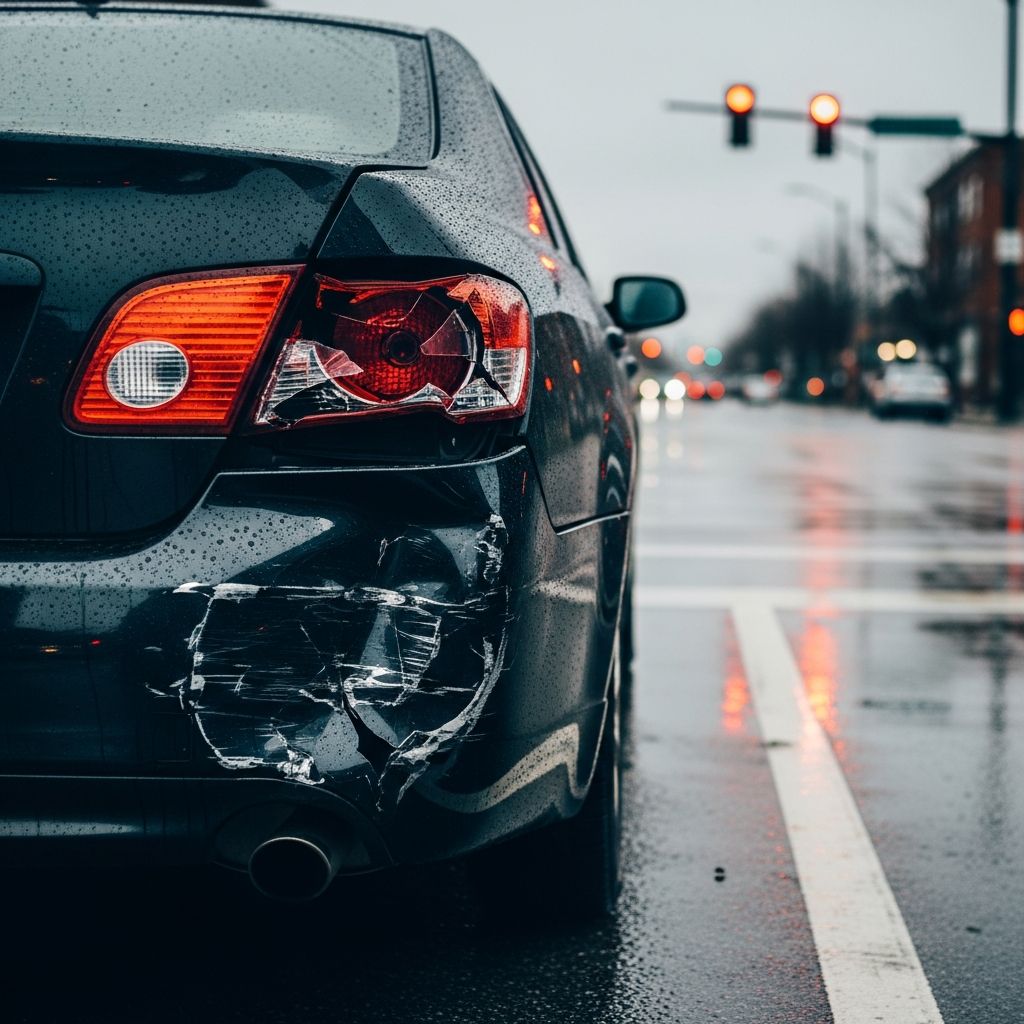
Experiencing a rear-end collision while fully stopped at a red light or stop sign can be shocking and painful. These incidents, common in urban and suburban driving, often leave the front driver with whiplash, vehicle damage, and financial burdens. Understanding the legal framework helps victims assert their rights effectively.
Understanding Fault in Rear-End Crashes at Intersections
Rear-end accidents at controlled intersections typically presume the following driver is responsible. Drivers must maintain a safe distance to stop if the lead vehicle halts suddenly for traffic signals. This principle stems from traffic laws requiring prudent following distances.
In states like Maryland, statutes explicitly prohibit tailgating, creating a presumption of negligence against the rear driver. Courts uphold this unless rebutted by evidence showing the front driver’s fault, such as erratic maneuvers. Nationally, the National Highway Traffic Safety Administration notes rear-ends comprise nearly 30% of crashes, underscoring their prevalence.
Exceptions Where the Stopped Driver May Share Blame
While presumption favors the stopped driver, exceptions exist. If brake lights fail, the rear driver might lack warning. Sudden, unnecessary stops or reversing into traffic can shift partial liability.
- Sudden braking without cause: Known as ‘brake checking,’ this can contribute fault.
- Equipment malfunction: Non-working signals mislead following drivers.
- Illegal maneuvers: Backing up or swerving unexpectedly.
In contributory negligence jurisdictions like Maryland, any fault by the victim bars recovery entirely. This harsh rule demands meticulous evidence to counter insurer arguments blaming the front driver.
Immediate Response Steps After a Rear-End Impact
Prioritize safety post-crash. Move vehicles if possible, activate hazards, and check for injuries. Call emergency services for medical evaluation, even if symptoms are absent—adrenaline masks issues like soft tissue damage.
Document the scene thoroughly:
- Photographs of vehicle positions, damage, and intersection signage.
- Witness contacts and statements.
- Police report for official record.
Avoid admitting fault or discussing details with insurers initially. Statements can be misconstrued under strict liability rules.
Proving Negligence: Building a Strong Case
Negligence requires duty, breach, causation, and damages. Rear drivers owe a duty to follow safely; breaching via distraction, speeding, or inattention causes impacts.
| Element | Description | Example in Rear-Ends |
|---|---|---|
| Duty | Legal obligation to drive carefully | Maintain safe following distance |
| Breach | Failure to meet duty | Tailgating or distracted driving |
| Causation | Breach directly causes harm | Crash wouldn’t occur but for speeding |
| Damages | Actual losses suffered | Medical bills, lost income |
Evidence like dashcams, surveillance, and expert reconstructions solidify claims.
Types of Compensation Available to Victims
Victims can seek economic and non-economic damages. Economic cover tangible losses; non-economic address pain.
Economic Damages
- Medical costs: ER visits, therapy, surgeries.
- Lost earnings: Wages during recovery.
- Property repair: Vehicle and personal items.
Non-Economic Damages
Pain, suffering, emotional distress, and reduced life quality. Quantifying requires medical records and testimony.
In pure comparative states, awards reduce by fault percentage; contributory bars all.
Insurance Challenges and Negotiation Tactics
Insurers resist payouts, alleging victim fault to invoke defenses. Adjusters scrutinize brake lights, sudden stops, or pre-existing conditions.
Policy limits cap settlements; underinsured claims may involve personal assets or UM coverage. Early attorney involvement counters lowball offers, preserving evidence before it vanishes.
Time Limits for Filing Claims
Statutes of limitations vary, often 2-3 years for personal injury. Maryland mandates three years. Delays risk lost footage, faded memories, or witness unavailability. Prompt action secures rights.
When to Pursue a Lawsuit Over Settlement
Most claims settle pre-trial, but denied fair offers warrant suits. Filing prompts discovery, depositions, and potentially trial. Juries hear evidence, awarding based on proof.
Rear-end trials are rare but successful with strong documentation. Venue choice—accident site or residence—matters strategically.
Common Injuries from Rear-End Collisions
High-speed stops amplify forces on the neck and spine. Whiplash affects 70% of victims, causing chronic pain.
- Soft tissue strains.
- Concussions from head snaps.
- Disc herniations requiring surgery.
- TMJ disorders.
Document all treatments to link injuries to the crash.
Role of Technology in Modern Claims
Dashcams, telematics, and intersection cameras provide irrefutable proof. Event data recorders reveal speeds and braking. Leverage these against insurer denials.
Frequently Asked Questions
Is the rear driver always at fault at a stop sign?
No, but presumption holds unless rebutted by evidence like faulty lights.
What if I feel fine right after?
Seek evaluation; delayed symptoms common. Medical records prove causation.
Can I claim if injuries are minor?
Yes, for all damages including pain. Thresholds vary by state.
How much is my case worth?
Depends on damages, fault, jurisdiction. Consult attorneys for estimates.
Do I need a lawyer for insurance?
DIY possible for minor cases, but professionals maximize recovery against tactics.
Preventing Rear-End Collisions as a Driver
Front drivers: Signal early, maintain lights. Rear drivers: Follow three-second rule, avoid distractions. Awareness reduces risks.
References
- Rear-End Collisions at Stop Signs: Proving Fault and Seeking Compensation — The Dorsey Law Firm, P.C. 2023. https://www.dorseylaw.net/blog/rear-end-collisions-at-stop-signs-proving-fault-and-seeking-compensation/
- If I Get Rear Ended Can I Sue? — Berman & Simmons. 2023-07. https://www.bermansimmons.com/latest-news/2023/july/if-i-get-rear-ended-can-i-sue-/
- Rear-End Collisions & Related Lawsuits — Justia. Accessed 2026. https://car-accidents.justia.com/types-of-car-accidents/rear-end-collisions/
Similar Articles








Read full bio of medha deb


