
Public Intoxication Charges: Risks and Realities
Uncover the hidden dangers of public intoxication charges, from fines and jail to lasting impacts on your life and career.
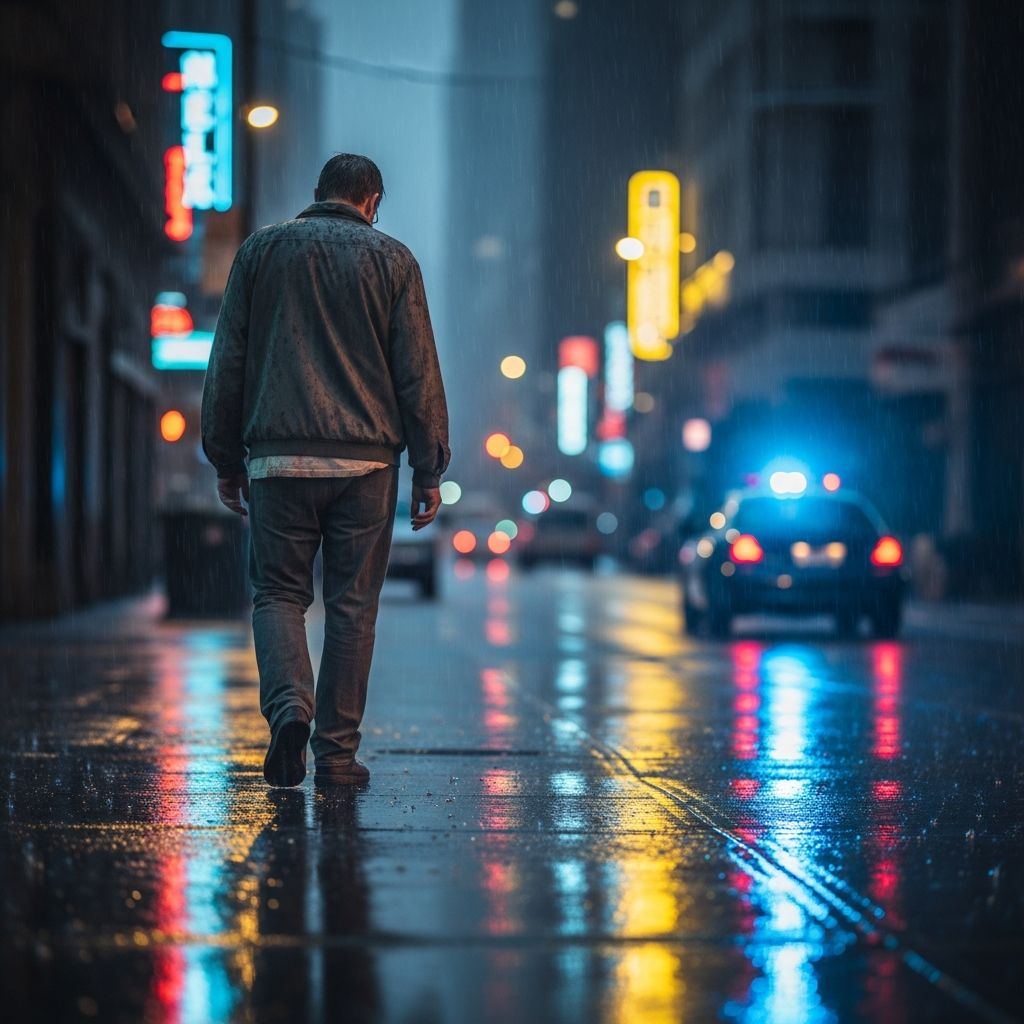
Public intoxication charges arise when someone appears overly impaired by alcohol or drugs in a shared space, potentially disrupting order or safety. These cases, often seen as minor, can lead to fines, jail stints, and records that linger for years, affecting jobs and opportunities. Across the U.S., laws differ by state, but core elements remain consistent: visible intoxication, public location, and disruptive conduct.
Defining Public Intoxication Across Jurisdictions
To secure a conviction, prosecutors must establish key criteria. First, the incident occurs in a public area like streets, parks, or businesses open to all. Second, the individual shows clear signs of intoxication, such as slurred speech, unsteady gait, or alcohol odor—no breathalyzer is typically needed, relying instead on officer observations. Third, behavior must pose a risk, like endangering self or others, or breaching peace through noise or aggression.
States vary enforcement. In Alabama, it’s a violation with up to $200 fines and 30 days jail, escalating for repeats. Indiana requires endangering life or harassing others since 2012, classifying it as a Class B misdemeanor with 180 days jail max and $1,000 fine. Texas treats it as a Class C misdemeanor—fine-only up to $500, harsher for minors. South Carolina demands proof of endangerment, with first offenses up to $100 fine or 30 days jail.
Typical Penalties: Fines, Jail, and Beyond
Most charges land as misdemeanors, meaning county jail (under a year) over prison. Fines range $100-$1,000, plus court fees inflating costs. Jail terms rarely exceed 30 days for novices but climb for habitual cases—Iowa’s aggravated repeats hit 2 years.
| State | Classification | Fine Max | Jail Max (First Offense) | Repeat Offense Notes |
|---|---|---|---|---|
| Alabama | Violation | $200 | 30 days | Escalated scrutiny, possible add-ons |
| Indiana | Class B Misd. | $1,000 | 180 days | Requires endangerment |
| Texas | Class C Misd. | $500 | None (fine only) | Harsher for minors |
| South Carolina | Misdemeanor | $100-$200 | 30 days | Doubles for repeats in 1 year |
| Iowa | Simple Misd. | $1,000 | 30 days | Aggravated: 2 years |
Courts may add probation, community service, or alcohol education. Minors face MIP charges alongside, risking license suspension.
Long-Term Fallout: Criminal Records and Life Impacts
A conviction creates a permanent mark, visible in background checks for employment, housing, or professional licenses. Even minor, it signals poor judgment to employers. Multiple offenses invite tougher charges like disorderly conduct (Alabama: Class C misd., $500 fine, 3 months jail) or resisting arrest.
Combined charges amplify issues: public intoxication plus assault or property damage becomes felony territory, intoxication no excuse. In Louisiana, it’s a misdemeanor with up to 6 months jail, disrupting future prospects. North Carolina views it seriously, per local firms.
- Employment Barriers: Many fields (education, healthcare, government) reject records.
- Housing Challenges: Landlords screen for alcohol offenses.
- Professional Licenses: Renewal denials common.
- Immigration Issues: Counts as crime of moral turpitude.
Common Scenarios Leading to Arrests
Charges stem from post-bar wanderings, festival overindulgence, or street arguments. Officers act on complaints of yelling, stumbling into traffic, or fights. Non-drunk but rowdy individuals can still face charges if mimicking intoxication.
Minors at parties risk MIP plus intoxication. Refusing to leave bars escalates to trespassing. Even calm drunks trip thresholds if blocking paths or alarming bystanders.
Building a Strong Defense Strategy
Don’t plead guilty hastily—consult counsel. Defenses challenge elements:
- Not in Public: Private property disputes location.
- No Intoxication: Medical conditions (diabetes) mimic symptoms; witness sobriety accounts.
- No Disruption: Peaceful behavior negates charge.
- Officer Error: Illegal stop or biased testimony.
- Necessity: Fled danger, public only safe spot.
Motions to suppress evidence or dismiss work well. Diversion programs (fines, classes) erase records for first-timers. Plea bargains reduce to infractions.
State-Specific Variations and Reforms
Laws evolve. Indiana decriminalized mere presence in 2012, demanding danger. Some locales push sobriety centers over jail, treating as health issue. Federally, no uniform law—state codes govern, like Iowa’s Sec 123.46 banning simulated intoxication.
Texas fines-only for adults shields records somewhat. Louisiana stresses disruption proof. Always verify local statutes.
Preventive Steps for Safer Nights Out
Avoid charges by planning:
- Designate sober drivers or use rideshares.
- Stay venue-bound if tipsy.
- Hydrate, eat to pace intake.
- Travel groups for accountability.
- Know limits—BAC 0.08% impairs heavily, though not required proof.
If stopped, comply calmly; argue later in court.
Frequently Asked Questions About Public Intoxication
Is public intoxication always a criminal charge?
No, some states class it as a civil violation or infraction with no jail, just fines. Most are misdemeanors.
Can I get charged without a breath test?
Yes, officer testimony on behavior suffices; tests rare.
What if it’s my first offense?
Often diversion, probation, or minimal fines—no jail typical.
Does it impact my driver’s license?
Not directly, unlike DUI, but multiples may in sentencing.
Can intoxication excuse other crimes?
No—courts reject it for felonies like assault.
How do I clear my record?
Expungement possible post-sentence or via diversion; varies by state.
References
- The Legal Consequences of Public Intoxication: What You Need to Know — Swords Law. Accessed 2026. https://swordslaw.com/blog/the-legal-consequences-of-public-intoxication-what-you-need-to-know/
- What Is the Legal Definition of Public Intoxication? — Alcohol.org. Accessed 2026. https://alcohol.org/laws/public-intoxication/
- Public Intoxication — Wikipedia (informational, primary laws cited). Accessed 2026. https://en.wikipedia.org/wiki/Public_intoxication
- Understanding Public Intoxication Laws in South Carolina — Hellams Law. Accessed 2026. https://hellamslaw.com/public-intoxication-south-carolina/
- Public Intoxication — LawInfo.com. Accessed 2026. https://www.lawinfo.com/resources/criminal-defense/public-intoxication/
- Baton Rouge Drunk In Public Attorney — Law Offices of Ossie Brown. Accessed 2026. https://ossiebrown.com/criminal-defense/drunk-in-public/
- Public Intoxication Laws — Justia. Accessed 2026. https://www.justia.com/criminal/drunk-driving-dui-dwi/alcohol-related-crimes/public-intoxication/
Similar Articles








Read full bio of Sneha Tete




