Public Health and Border Policy: Asylum Restrictions
Analyzing how pandemic health mandates transformed global asylum processes.
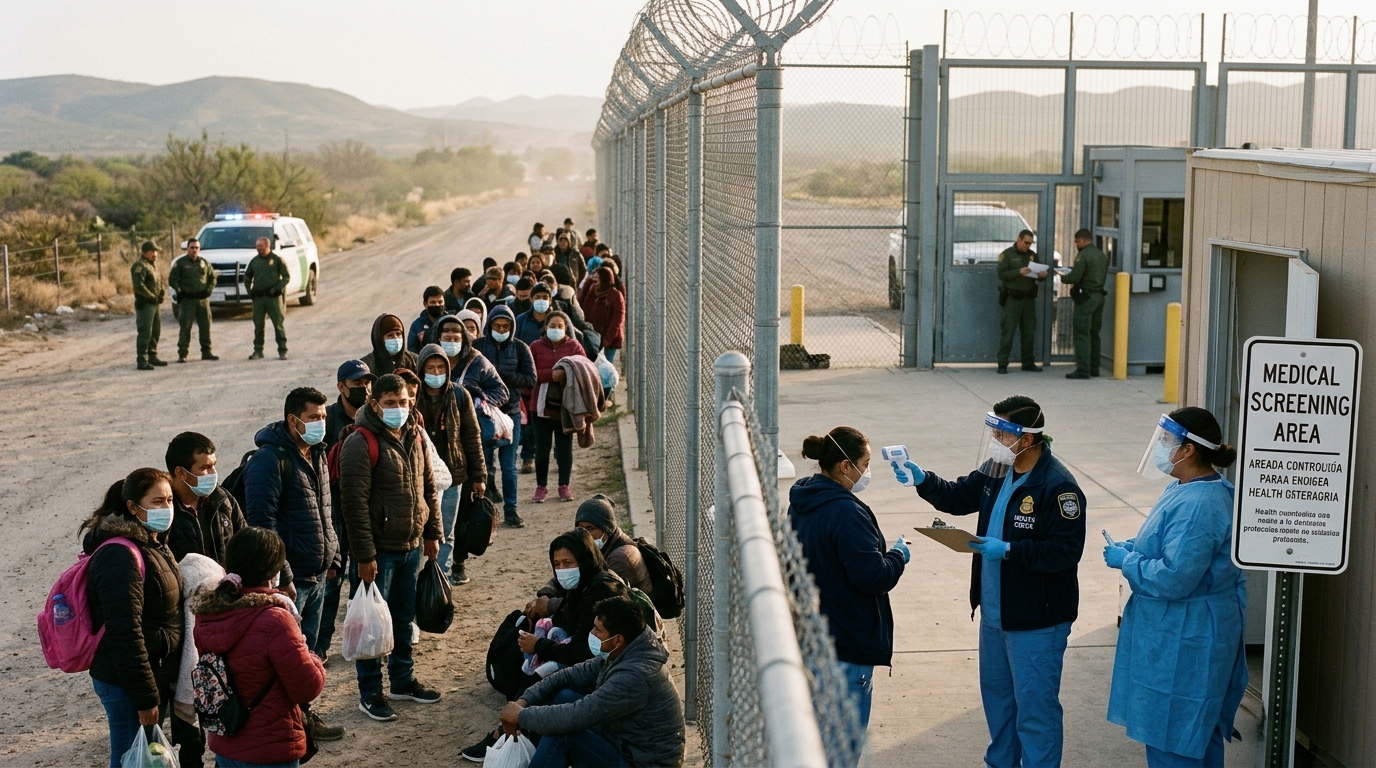
The sudden emergence of the COVID-19 pandemic precipitated an unprecedented global shutdown, fundamentally altering international travel, commerce, and human mobility. As governments worldwide scrambled to contain the novel coronavirus, many enacted emergency declarations that drastically restricted entry into their territories. While the mitigation of a highly transmissible pathogen was the primary and universally stated objective of these sudden closures, the crisis simultaneously presented a unique opportunity for sweeping structural changes to national immigration frameworks.
In the United States, this dynamic materialized through the activation of an obscure, decades-old public health statute, which effectively halted the legal processing of asylum seekers at the southern border. Instead of relying on established immigration law, federal authorities pivoted to a sweeping mandate that prioritized immediate removal under the guise of disease prevention. This policy maneuver fundamentally disrupted decades of legal precedent, effectively substituting a rigid health directive for nuanced immigration jurisprudence. By bypassing standard asylum protocols, the government instituted a system of rapid expulsions that left thousands of vulnerable individuals stranded in precarious situations. This comprehensive article explores the intersection of pandemic health mandates and border enforcement, examining the historical context of these policies, the significant pushback from the scientific community, and the profound implications for international human rights.
Historical Precedents and the 1944 Public Health Service Act
To fully understand the legal mechanics behind pandemic-era border restrictions, one must examine the origins of the statutory authority invoked by the government. The foundation of this controversial policy lies in the Public Health Service Act of 1944, specifically a provision codified within Title 42 of the United States Code. Originally drafted during a mid-twentieth-century era focused heavily on the containment of tuberculosis, cholera, and other severe communicable diseases, this legislation granted the Surgeon General the authority to temporarily suspend the entry of persons or property from foreign countries if their arrival posed a “serious danger” of introducing a communicable disease into the United States.

The Future of AI: Preventing a Big Tech Monopoly >

For over seven decades, this specific public health provision remained largely dormant in the context of mass immigration enforcement. It was meticulously designed as a targeted quarantine measure, not a comprehensive tool for managing vast migrant populations or regulating international borders. However, in March 2020, the Centers for Disease Control and Prevention (CDC) issued an emergency order under this statute, effectively prohibiting the introduction of noncitizens lacking proper travel documentation, primarily targeting those arriving at land borders.
The sudden invocation of this 1944 law marked a radical departure from its original legislative intent. Rather than implementing rigorous medical screening procedures, designated isolation periods, or localized quarantine camps—standard epidemiological responses to viral outbreaks—the directive mandated blanket, immediate expulsions. This unprecedented application transformed a dated health code into an absolute, impenetrable barrier against asylum, circumventing the legislative guardrails established by subsequent modern immigration reforms.
The Mechanics of Rapid Expulsion Policies vs. Traditional Asylum
The operational reality of border enforcement shifted virtually overnight with the implementation of these new health-based directives. Under normal, pre-pandemic circumstances, individuals arriving at U.S. borders are processed under Title 8 of the United States Code, which governs standard immigration and nationality. Title 8 outlines a comprehensive legal and humanitarian process: individuals explicitly expressing a fear of returning to their home countries are legally entitled to a “credible fear” interview with a trained asylum officer. If they meet the preliminary criteria, they are placed into formal immigration proceedings where a judge evaluates their claim for protection under both domestic and international law.
The pandemic-era health directives entirely short-circuited this established process. Because the expulsions were categorized strictly as “public health” measures rather than traditional “immigration” actions, the fundamental rights associated with Title 8 were suspended. The key operational differences included:
- Immediate Removal: Migrants and asylum seekers were often expelled within hours of apprehension, rather than being transferred to processing centers for evaluation.
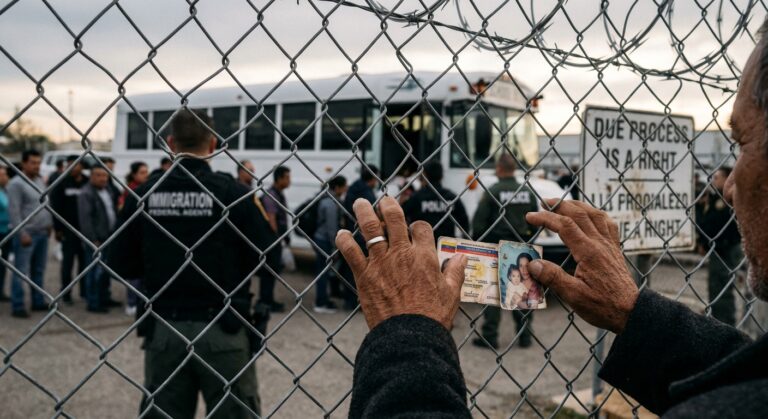
- Denial of Due Process: Individuals were summarily denied the opportunity to articulate a fear of persecution or request a hearing before an immigration judge.
- Bypassing Deportation Records: Because these actions were classified as administrative “expulsions” rather than formal “deportations,” they did not carry the same legal penalties for reentry, which ironically led to unprecedented rates of repeat border crossing attempts.
This streamlined removal mechanism created a logistical paradox. While it swiftly reduced the number of individuals held in congregate holding facilities—thereby ostensibly meeting the health directive’s stated goal of preventing facility overcrowding—it systematically dismantled the legal right to seek refuge, a right firmly enshrined in federal law since the passage of the Refugee Act of 1980.
The Chasm Between Scientific Consensus and Enforcement Directives
A central, enduring controversy surrounding the use of public health statutes to govern border access was the stark divide between the government’s stated epidemiological rationale and the overwhelming consensus of the broader scientific community. When the expulsion policy was first implemented, the primary justification offered to the public was the prevention of viral transmission within crowded border detention facilities and the overarching protection of domestic public health infrastructures.
However, leading epidemiologists and public health experts repeatedly and vocally challenged this narrative. Major health professionals and academic institutions argued that there was no valid scientific basis for subjecting asylum seekers to unique, draconian restrictions that simply did not apply to other classes of travelers. Several key points highlighted the glaring inconsistencies of the policy:
- Unrestricted Domestic Transmission: By the time the strictest border measures were fully enacted and enforced, the virus was already spreading robustly within U.S. communities. Blocking a statistically insignificant fraction of land border arrivals had a negligible impact on the overall domestic trajectory of the pandemic.
- Alternative Mitigation Strategies Available: Public health experts meticulously noted that the government possessed the vast resources to safely process asylum seekers through evidence-based mitigation strategies, such as rapid mandatory testing, comprehensive vaccination campaigns, universal masking, and socially distanced quarantine protocols.
- Selective Enforcement: While land borders were hermetically sealed to asylum seekers, commercial air travel, international tourism, and certain categories of cross-border commerce continued with varying degrees of normalcy, strongly suggesting that the health restrictions were disproportionately targeted at marginalized populations rather than the virus itself.
Ultimately, internal reports and testimonies suggested that the vigorous push for the health directive originated from border enforcement and political entities rather than independent public health agencies. This revelation raised profound ethical questions about the strategic weaponization of scientific authority to achieve long-standing, restrictive immigration policy goals.
International Human Rights and the Principle of Non-Refoulement
Beyond the domestic legal and scientific debates, the complete suspension of asylum processing carried severe international human rights implications. The absolute cornerstone of global refugee law, established by the 1951 Refugee Convention and its 1967 Protocol (to which the U.S. is a legally bound party), is the sacred principle of non-refoulement. This principle strictly prohibits sovereign nations from returning individuals to a country where they would face torture, cruel, inhuman, or degrading treatment, or where their lives and fundamental freedoms would be threatened.
The rapid expulsion mechanism blatantly undermined this foundational international obligation. Because border agents were officially instructed to expel individuals rapidly without conducting vital fear screenings, countless vulnerable people were summarily returned to the exact dangerous conditions they had just desperately fled.
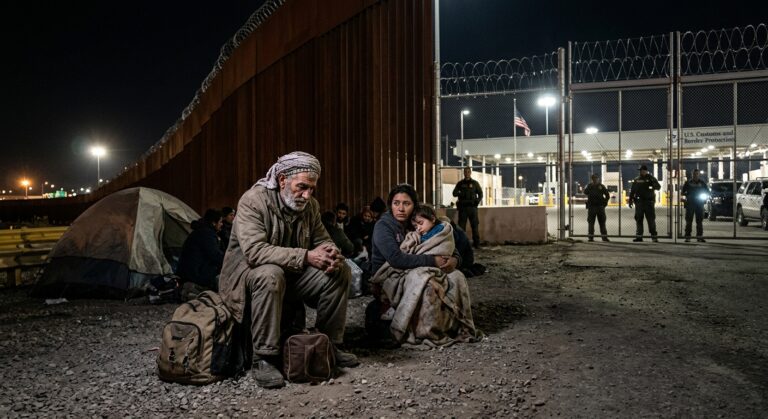
The humanitarian fallout was immediate, widespread, and devastating. Expelled individuals were frequently deposited in highly dangerous border towns, where they became prime, defenseless targets for violent organized crime syndicates. Human rights organizations rigorously documented thousands of tragic cases involving extortion, violent assaults, and kidnappings for ransom. Furthermore, expelled populations faced a severe lack of access to basic medical care, including prenatal care and chronic disease management. The United Nations High Commissioner for Refugees (UNHCR) publicly emphasized that protecting public health and safeguarding the human right to seek asylum are not mutually exclusive. The agency issued stark warnings that using a global emergency as a pretext to abdicate humanitarian obligations sets a uniquely dangerous precedent that threatens the integrity of the entire global protection framework.
The Role of Administrative Courts and Litigation
The highly controversial nature of the public health border policy inevitably led to a dense labyrinth of legal challenges. As the pandemic progressed, prominent advocacy groups and civil rights organizations initiated extensive litigation in federal courts across the country, arguing that the executive branch had vastly overstepped its statutory authority. The central, pivotal legal dispute hinged on whether a 1944 health statute could legally override the explicit asylum provisions painstakingly enacted by Congress decades later.
Judicial responses were notably fractured and highly complex. In some instances, federal judges ruled that the expulsions of specific vulnerable groups—such as unaccompanied minors or families facing imminent, verifiable danger—were arbitrary, capricious, and likely illegal. They issued targeted injunctions that forced the government to carve out emergency exemptions for certain demographics. Conversely, other courts, often driven by differing jurisdictional interpretations, mandated the continuation of the policy, citing states’ rights and the potential economic burden of processing thousands of arriving migrants during a public health crisis.
This judicial ping-pong created immense confusion on the ground. Border enforcement agents were forced to continuously adapt to rapidly shifting operational directives, while asylum seekers waiting in provisional camps across the border were left in a state of perpetual, agonizing limbo. The protracted legal battles underscored a significant vulnerability in the legal system: the lack of clear statutory mechanisms detailing exactly how to resolve direct conflicts between emergency public health powers and established humanitarian laws.
Moving Forward: Untangling Public Health from Immigration Policy
As the acute, emergency phase of the pandemic eventually waned, untangling public health mandates from border enforcement proved to be an immensely complex legal and political challenge. The legacy of this unprecedented era serves as a stark cautionary tale about the inherent fragility of legal protections during global crises. It underscores the absolute necessity of establishing robust, pre-emptive legal frameworks that safeguard fundamental human rights even during severe public health emergencies. Moving forward, policymakers must ensure that public health codes remain exclusively within the purview of epidemiology and are never again utilized as a blunt, opportunistic instrument to circumvent international humanitarian obligations.
Frequently Asked Questions (FAQs)
What exactly is Title 42 in the context of immigration?
Title 42 refers to a specific section of the 1944 Public Health Service Act. During the COVID-19 pandemic, it was utilized by the federal government to authorize the rapid, immediate expulsion of migrants and asylum seekers at the U.S. land borders, effectively bypassing standard legal immigration proceedings to purportedly prevent the spread of communicable diseases.
How does a public health expulsion differ from a standard deportation?
A standard deportation (processed legally under Title 8) involves formal legal proceedings, potential multi-year bans on future reentry, and the fundamental right to seek asylum before a judge. A public health expulsion completely bypasses these legal channels, removing the individual immediately without a hearing or formal deportation record, and explicitly denying them the opportunity to present a fear-based asylum claim.
Did the scientific community support the suspension of asylum at the border?
No. Leading public health experts, prominent epidemiologists, and major medical organizations overwhelmingly argued that there was no valid scientific rationale for the expulsion policy. They consistently maintained that the virus could be safely and effectively managed at the border through comprehensive testing, strict quarantine protocols, and vaccination campaigns, rather than resorting to blanket expulsions.
What is the principle of non-refoulement?
Non-refoulement is a core, non-negotiable principle of international refugee law that strictly forbids a country receiving asylum seekers from returning them to a country in which they would be in likely danger of persecution based on their race, religion, nationality, membership of a particular social group, or political opinion.
References
- Sec. 265 – Suspension of entries and imports from designated places to prevent spread of communicable diseases — U.S. Government Publishing Office. 2011-01-01. https://www.govinfo.gov/
- Not in Our Name: The Disingenuous Use of “Public Health” as Justification for Title 42 Expulsions — National Center for Biotechnology Information (PMC). 2021-12-14. https://www.ncbi.nlm.nih.gov/pmc/articles/PMC8973003/
- Statement by Filippo Grandi, UN High Commissioner for Refugees, on the COVID-19 crisis — UN High Commissioner for Refugees (UNHCR). 2020-03-19. https://www.unhcr.org/news/press/2020/3/5e7395de4/statement-by-filippo-grandi-un-high-commissioner-for-refugees-on-the-covid-19.html
- Letter to CDC Director Walensky, HHS Secretary Becerra, and DHS Secretary Mayorkas on the August 2021 Title 42 Order — Columbia University Mailman School of Public Health. 2021-09-01. https://www.publichealth.columbia.edu/
Similar Articles






Read full bio of medha deb