
Public Drinking Laws: What You Need to Know Nationwide
Navigate the complex landscape of U.S. public alcohol consumption rules, from statewide bans to designated zones allowing open drinks.
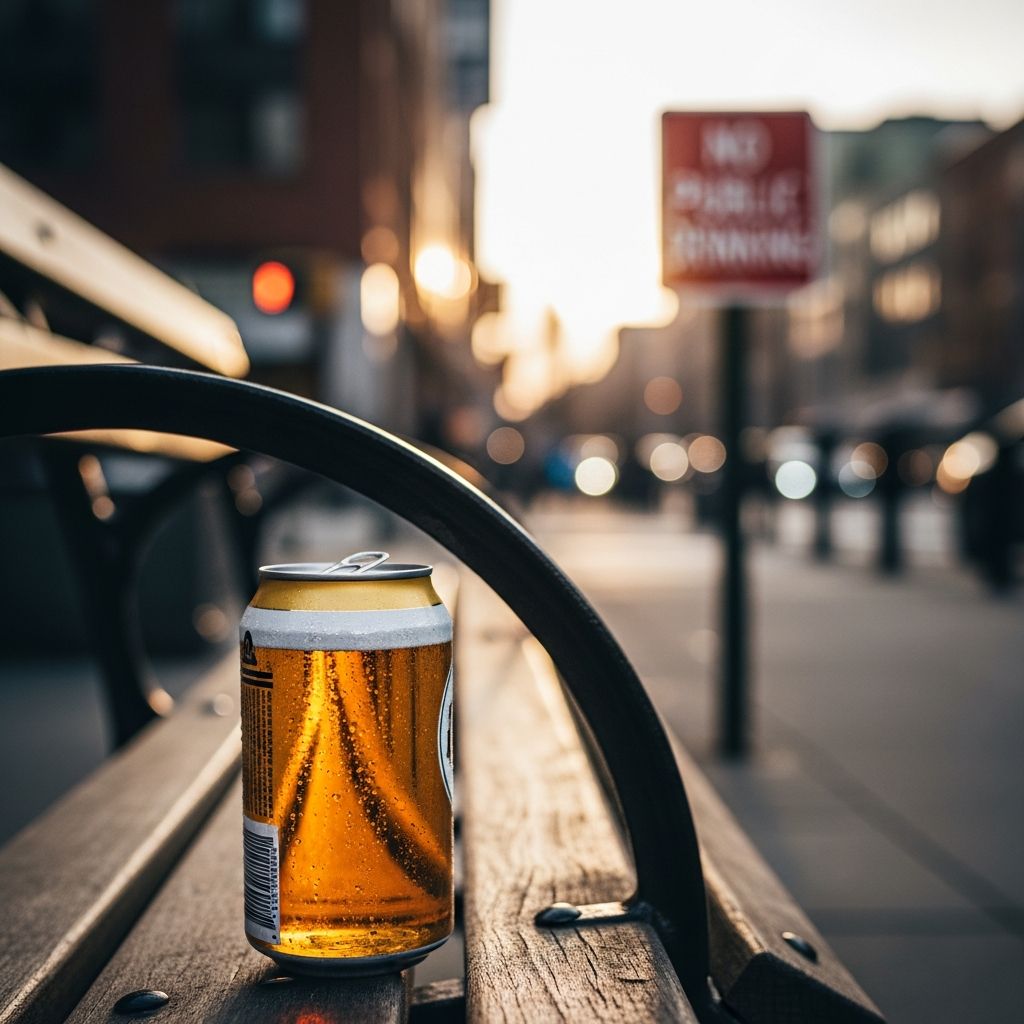
Alcohol consumption in public spaces remains a patchwork of regulations across the United States, shaped by state statutes, local ordinances, and evolving cultural norms. While some areas embrace outdoor drinking in designated zones, others enforce strict prohibitions to maintain public order and safety. This guide breaks down the key rules, exceptions, and penalties to help you stay informed and compliant.
The Foundations of Open Container Regulations
Open container laws primarily target the possession or consumption of alcohol outside licensed establishments, aiming to curb public intoxication and related issues like drunk driving. These rules emerged prominently in the late 20th century, building on efforts to address urban disorder without criminalizing mere intoxication—a distinction clarified by the 1964 Supreme Court case Robinson v. California, which deemed status-based offenses unconstitutional. Today, all states prohibit open containers in vehicles, but public consumption varies widely.
Enforcement focuses on visible evidence, such as an open bottle or can, making it easier for authorities to intervene than proving impairment. Fines can range from $100 to over $1,000, with potential jail time in severe cases, disproportionately affecting vulnerable populations.
Statewide Bans: Where Public Drinking Is Strictly Off-Limits
Thirteen states impose blanket prohibitions on public alcohol consumption, leaving no room for casual park picnics with beer. These jurisdictions prioritize public safety through zero-tolerance policies.
- Arizona, Arkansas, Hawaii, Kansas, Maryland, Minnesota, New Mexico, Oklahoma, South Carolina, Utah, Virginia, Washington, West Virginia: No exceptions statewide; violations lead to citations regardless of behavior.
- In these areas, even discreet sipping on a bench can result in penalties, as laws extend to sidewalks, parks, and streets.
Local variations are minimal, though private property like backyards remains exempt. Residents often adapt by hosting gatherings at home.
States with Partial Permissions and Key Exceptions
Many states lack a uniform ban, instead allowing drinking in specific venues or under conditions. This creates opportunities for responsible enjoyment but requires vigilance about boundaries.
| State | Key Permissions | Restrictions |
|---|---|---|
| Alabama | Entertainment districts in Birmingham, Huntsville, Mobile, Montgomery, Tuscaloosa | One beverage max; plastic/paper cups only; under 16 oz; post-midnight ban in some spots |
| California | Select beaches, Golden Gate Park areas, Sonoma Plaza | Local rules apply; no glass often |
| Colorado | Parks with low-ABV drinks (<3.2% alcohol) | High-proof beverages prohibited |
| Georgia | Downtown Savannah historic district (plastic cups <16 oz) | Local bans common elsewhere |
| Iowa | State park shelters (beer, wine, seltzers only) | No hard liquor; recent 2021 change |
| Kentucky | Louisville’s 4th Street Live! district | Purchased on-site only |
| Ohio | Designated Outdoor Refreshment Areas (DORAs) | From approved vendors; boundary limits |
| Maine | Event-specific permits for parks | No general public allowance |
| Massachusetts | Local ordinances; beaches restricted since 2023 | Effectively banned statewide |
| New Jersey | Seasonal beach towns (Cape May, Atlantic City) | Community-designated areas |
| South Dakota | Sioux Falls (beer/wine/malt, no glass) | Limited exceptions |
| Tennessee | Memphis Beale Street district | Sole major exception |
These provisions reflect a trend toward controlled liberalization, often tied to tourism and economic revitalization.
Understanding Designated Outdoor Refreshment Areas (DORAs)
Ohio’s DORA model, enacted in 2015, has inspired similar setups nationwide. These zones let patrons over 21 carry drinks from participating businesses within marked boundaries, typically in vibrant downtowns. Cups are often specially marked for easy identification.
Benefits include boosted local commerce and safer socializing, as consumption stays contained. However, rules are precise: drinks must be finished inside the zone, and glass is usually banned to prevent injuries. Over 100 Ohio communities now feature DORAs, proving their popularity.
Local Ordinances and Urban Variations
Even in permissive states, cities dictate specifics. For instance, New York City’s parks ban alcohol except at permitted events, while Las Vegas’s Fremont Street Experience thrives on open-container allowances. Always check municipal codes, as fines escalate in high-tourism areas.
Entertainment districts—pedestrian-friendly zones with bars—multiply nationwide, from Nashville’s Broadway to Austin’s Rainey Street. They permit to-go drinks but enforce cup sizes, times, and paths.
Penalties and Enforcement Realities
Violations typically yield civil fines ($50–$500), but repeat or disorderly offenses invite misdemeanor charges with jail up to 30 days. Police discretion plays a role; peaceful picnickers might get a warning, while rowdy groups face arrest.
Data shows uneven application, with marginalized communities hit hardest, echoing critiques of these laws as de facto tools against vagrancy rather than safety. In vehicles, open containers trigger DUI suspicions, amplifying risks.
International Perspectives on Public Consumption
Contrast U.S. rigidity with global norms: Germany’s beer gardens permit outdoor drinking freely, while the UK’s Designated Public Places Orders restrict only problem areas. Australia’s alcohol-free zones in New South Wales use ranger discretion over fines. These models highlight alternatives like education over blanket bans.
Practical Advice for Lawful Enjoyment
- Research ahead: Use state alcohol control boards (e.g., California’s ABC) for maps and rules.
- Opt for designated spots: Prioritize DORAs or districts to avoid surprises.
- Choose wisely: Plastic cups, low-ABV options, and group moderation reduce risks.
- Know your limits: Public intoxication laws complement open container rules, criminalizing inability to care for oneself.
- Plan transport: Never drive with open containers.
Frequently Asked Questions (FAQs)
Is public drinking ever allowed in parks nationwide?
Yes, in states like Colorado (low-ABV) or Iowa (shelters), and designated zones elsewhere, but never in statewide ban states.
What counts as a ‘public place’ under these laws?
Typically streets, parks, sidewalks, and beaches; private events or licensed venues are exempt.
Can I carry my drink from a bar to the street?
Only in permitted districts like DORAs; otherwise, it’s illegal.
Are there federal open container laws?
No, all are state/local, though vehicles are uniformly banned.
What if I’m just holding an unopened beer?
Unopened is usually fine, but context matters—don’t loiter suspiciously.
Trends and Future Shifts
Post-pandemic, more cities expand outdoor zones to support hospitality recovery. Bills in states like Massachusetts propose loosening beach bans, signaling a move toward European-style allowances. Advocacy groups push for clearer, fairer enforcement amid rising craft beverage culture.
Ultimately, public drinking laws balance personal freedom with communal safety. Stay informed, respect limits, and enjoy responsibly.
References
- These Are the States That Allow Drinking in Public Parks [Map] — VinePair. 2023 (approx., based on content recency). https://vinepair.com/articles/map-states-drinking-public-parks/
- Drinking in public — Wikipedia. Accessed 2026. https://en.wikipedia.org/wiki/Drinking_in_public
- What Are the Open Container Laws Within the United States? — Alcohol.org. Recent update. https://alcohol.org/laws/open-container/
- Summary Open Container and Consumption Statutes — National Conference of State Legislatures (NCSL). Ongoing. https://www.ncsl.org/financial-services/open-container-and-consumption-statutes
- Intoxication – Alcoholic Beverage Control — California Department of Alcoholic Beverage Control (CA.gov). Current. https://www.abc.ca.gov/education/licensee-education/intoxication/
Similar Articles








Read full bio of Sneha Tete


