
Protecting Yourself from Fake Check Scams
Learn how fake check scams work, why banks initially clear bogus checks, and the practical steps you can take to avoid losing your money.
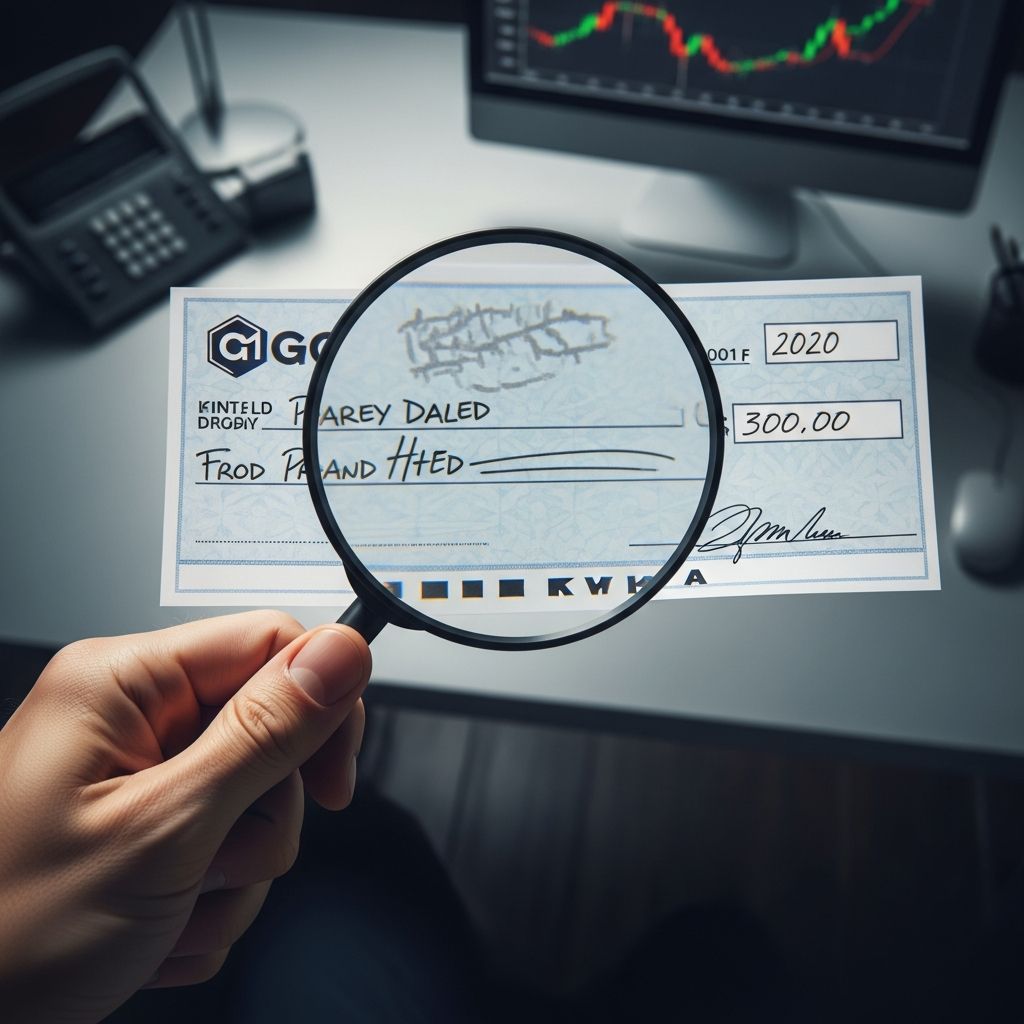
Fake check scams remain one of the most costly and confusing frauds targeting everyday people, especially when scammers pressure victims to deposit a check and quickly send part of the money back. Understanding how these schemes work – and how your bank processes checks – is essential to protecting your money.
Why Fake Check Scams Are So Dangerous
On the surface, a fake check scam looks simple: someone sends you a check, asks you to deposit it, and then wants you to send some of the money elsewhere. But the danger lies in the gap between when your bank makes funds available and when it discovers the check is fraudulent.
Scammers exploit this timing gap to trick you into sending real money from a fake deposit. By the time the check bounces, your money is gone, and you are on the hook for the missing funds.
- The check you receive is counterfeit or altered, even if it looks official.
- Your bank may show the funds as “available” within a few days.
- Weeks later, the bank may learn the check is bogus and reverse the deposit.
- You must repay the bank for the withdrawn or transferred money.
Common Situations Where Fake Check Scams Appear
Scammers adjust their stories to match current trends, but the core pattern is the same: they send you money and push you to send some back. Here are some of the most common scenarios:
1. Mystery Shopper or Payment for a “Job”
You might be told you were chosen as a secret shopper or hired for remote work. The scammer sends a check and instructs you to:
- Deposit the check into your account.
- Buy gift cards or wire part of the money to another person or company.
- Keep the remaining amount as your “fee” or paycheck.
Once the check is rejected as fake, you’re responsible for the money you already sent.
2. Overpayment for Items You’re Selling
When you sell something online, a fraudster might send a check for more than your asking price and ask you to refund the difference. They may claim:
- The extra amount covers shipping or a mover.
- They made an honest mistake and need a quick refund.
After you send back the “extra” money, the original check bounces and you lose both the item and the refunded amount.
3. Lottery, Prize, or “Grant” Winnings
In this version, a scammer tells you you’ve won a lottery, sweepstakes, or grant – sometimes even saying it’s from a government agency or foundation. They send a check and say you must:
- Pay fees or taxes upfront using part of the check.
- Return a portion by wire transfer, P2P app, or gift card.
Real lotteries and government grants do not require you to pay fees out of your winnings before you can receive the rest.
4. Romance or “Emergency” Requests
Scammers may build an emotional relationship online and then send a check as part of a story about an emergency, travel problem, or business opportunity. They urge you to:
- Deposit the check to help them through a crisis.
- Quickly send some of the funds back via wire or money transfer.
Because emotions are involved, many people ignore red flags until it’s too late.
How Bank Check Processing Really Works
Many people assume that if their bank releases funds, the check has “cleared” and is valid. That assumption is wrong. U.S. banking rules require banks to make at least part of a deposit available within a short time, often before the check has actually been verified with the paying bank.
| Stage | What You See | What Is Really Happening |
|---|---|---|
| Deposit | You hand over or mobile-deposit a check. | Your bank accepts the deposit and sends it into the banking system for collection. |
| Funds “Available” | Your account shows a higher balance; bank says the money is available to use. | By law, banks generally must release funds within a set number of business days, even though the check may not be finally paid yet. |
| Final Payment or Return | Weeks later, nothing visible changes until a problem arises. | The paying bank either honors the check or returns it as counterfeit, altered, or from a closed or insufficient account. |
| Reversal | Your bank notifies you the check was returned; money vanishes from your balance. | If the check is not paid, your bank reverses the deposit and may charge fees. You must repay any money already withdrawn. |
U.S. consumer protection laws give you certain rights for electronic transfers and card payments, but you are normally responsible for checks you deposit into your account, even if you are an innocent victim of a scam.
Red Flags That a Check Could Be Fake
No single sign proves a check is fraudulent, but the more warning signs you see, the more cautious you should be. Consider these red flags:
- Pressure to act fast: The sender insists you deposit the check and send money back quickly.
- Overpayment: The check is for more than you’re owed, with instructions to refund the difference.
- Complicated stories: Explanations involve overseas buyers, third-party movers, or urgent overseas business.
- Unfamiliar sender: The payment comes from someone you don’t know well or have never met in person.
- Unusual payment method: You’re asked to return funds by wire transfer, peer-to-peer payment app, cryptocurrency, or gift cards.
- Official-looking but strange: The check claims to be from a government agency, lottery, or large company you never dealt with.
Scammers also use look-alike logos and realistic formats. Even experienced bankers sometimes have trouble spotting high-quality counterfeit checks.
Steps to Take Before You Deposit a Suspicious Check
If something about a check or the story attached to it feels off, slow down. Use this checklist before you deposit or touch the money:
- Ask why you received the check. Did you truly earn it, or does it depend on you sending some money back?
- Refuse to send money from a check you did not expect. If someone wants you to relay funds, that alone is a major warning sign.
- Call the issuer using a phone number you find yourself. If the check claims to be from a business, bank, or government agency, look up contact information from an official source, not from the check or email.
- Talk to your bank. Explain that you’re worried it may be a scam. Ask when the check will be considered finally paid, not just when funds will be available.
- Keep copies and messages. Save emails, texts, and envelopes – they can help if you need to report fraud.
What to Do If You Already Deposited a Fake Check
If you suspect you deposited a bogus check or have already sent some of the money back, act immediately. Time is critical in limiting the damage.
- Contact your bank or credit union right away. Tell them exactly what happened and ask if they can stop or recall any transfers or payments.
Some wire transfers and peer-to-peer payments cannot be reversed once completed, but quick reporting may help in some cases. - Stop further payments. Cancel any outstanding money orders or checks you sent in response to the scam, if possible.
- Monitor your account closely. Watch for unexpected withdrawals, new transactions, or changes to your contact information.
- Report the scam. In the United States, you can file complaints with law enforcement and consumer protection agencies, which helps identify patterns and stop repeat offenders.
- Ask about fees and repayment options. If your bank has charged overdraft or returned item fees, ask whether any can be reduced or waived, especially if you reported promptly.
How to Report Fake Check Scams
Reporting fraud not only documents what happened to you; it also helps authorities spot widespread schemes and warn others. Consider reporting to:
- Your bank or credit union: They need to know the deposit involved fraud and may have additional instructions.
- Federal consumer protection agencies: In the U.S., agencies such as the Federal Trade Commission (FTC) collect scam reports and use them to pursue scammers and educate the public.
- Postal inspectors: If the check arrived by mail, the U.S. Postal Inspection Service can investigate mail fraud.
- State and local authorities: Many state attorneys general and local law enforcement units have consumer fraud divisions.
Protecting Yourself: Safer Ways to Get Paid
While checks will likely remain in use for some time, there are safer ways to receive payment, especially from people you do not know well. Each method has its own risks and protections.
| Payment Method | Key Advantages | Key Risks |
|---|---|---|
| Certified or cashier’s checks | Appear more secure than personal checks; issued by a bank. | Widely used in fake check scams; a counterfeit cashier’s check can be hard to detect. |
| ACH / bank transfer | Direct movement between bank accounts; governed by electronic funds transfer rules. | Scammers may still trick you into sending transfers; recovery is often limited after funds are gone. |
| Person-to-person (P2P) apps | Fast and convenient; good for trusted friends and family. | Designed like cash – once sent to a stranger, money is usually unrecoverable if you were tricked. |
| Escrow or marketplace platforms | Some platforms hold funds until both sides meet conditions. | Use only reputable, well-known services; fake “escrow” websites are a common scam tactic. |
No method is completely risk-free, but as a general rule, avoid sending any form of payment to someone who pays you with a check and asks you to relay funds elsewhere.
Practical Rules to Stay Safe
You can dramatically reduce your chances of losing money to fake check fraud by following a few simple rules:
- Never send money from a check to someone you don’t know personally.
- Do not rely on “available” funds as proof a check is valid.
- Question any request to buy gift cards, send wire transfers, or move money for another person.
- Ignore promises of easy money, guaranteed jobs, or surprise winnings that require you to handle someone else’s funds.
- When in doubt, walk away or ask an independent trusted source.
Frequently Asked Questions (FAQs)
Q1: If my bank released the funds, doesn’t that mean the check cleared?
No. Funds may be available because banks must follow rules about how quickly they provide access to deposits, not because the check has been fully verified or paid. A check can be returned as counterfeit or unpaid weeks later, and you will be responsible for the loss.
Q2: Can my bank hold a check longer if it looks suspicious?
Yes. Banking rules allow institutions to place longer holds under certain circumstances, such as when a check is large, the account is new, or there are signs of possible fraud. A longer hold can give the bank more time to determine if the check is genuine.
Q3: Am I liable if I unknowingly deposit a fake check?
In most cases, yes. When you deposit a check, you are generally responsible for ensuring it is legitimate. If the check is later returned as fraudulent, the bank can reverse the deposit and seek repayment from you for any amount you used or withdrew.
Q4: What information should I collect when reporting a fake check scam?
Save the check (or images), envelopes, receipts, emails, texts, and any usernames or phone numbers the scammer used. Share this information with your bank and with any agency where you file a complaint, as it can help investigators spot patterns and link cases.
Q5: How can older adults and caregivers reduce the risk of fake check scams?
Older adults are frequently targeted with prize, sweepstakes, and romance schemes. Encourage regular conversations about unexpected checks, help review mail and online messages that involve money, and set a family rule: no one sends money or gift cards in response to a check or prize without talking to a trusted person first.
References
- Consumer Protection Laws and Regulations – USA 2025 — ICLG / Walden Macht & Haran LLP. 2025-04-09. https://iclg.com/practice-areas/consumer-protection-laws-and-regulations/usa
- Bureau of Consumer Protection — Federal Trade Commission. 2024-10-15. https://www.ftc.gov/about-ftc/bureaus-offices/bureau-consumer-protection
- Consumer Protection — Federal Trade Commission. 2025-05-20. https://www.ftc.gov/consumer-protection
- Electronic Fund Transfers FAQs (Regulation E) — Consumer Financial Protection Bureau. 2023-06-09. https://www.consumerfinance.gov/compliance/compliance-resources/deposit-accounts-resources/electronic-fund-transfers/electronic-fund-transfers-faqs/
- Protecting Older Consumers 2024–2025: A Report of the Federal Trade Commission — Federal Trade Commission. 2024-10-18. https://www.ftc.gov/reports/protecting-older-consumers-2024-2025-report-federal-trade-commission
- Rules — Federal Trade Commission. 2024-11-05. https://www.ftc.gov/legal-library/browse/rules
- 2025 Consumer Protection Federal Priorities — National Consumer Law Center. 2025-01-15. https://www.nclc.org/resources/2025-consumer-protection-federal-priorities/
Similar Articles








Read full bio of Sneha Tete


