
Protecting Veterans from VA Overpayment Scams
Learn how veterans, families, and caregivers can spot fake VA overpayment notices and safely manage VA benefits debt.
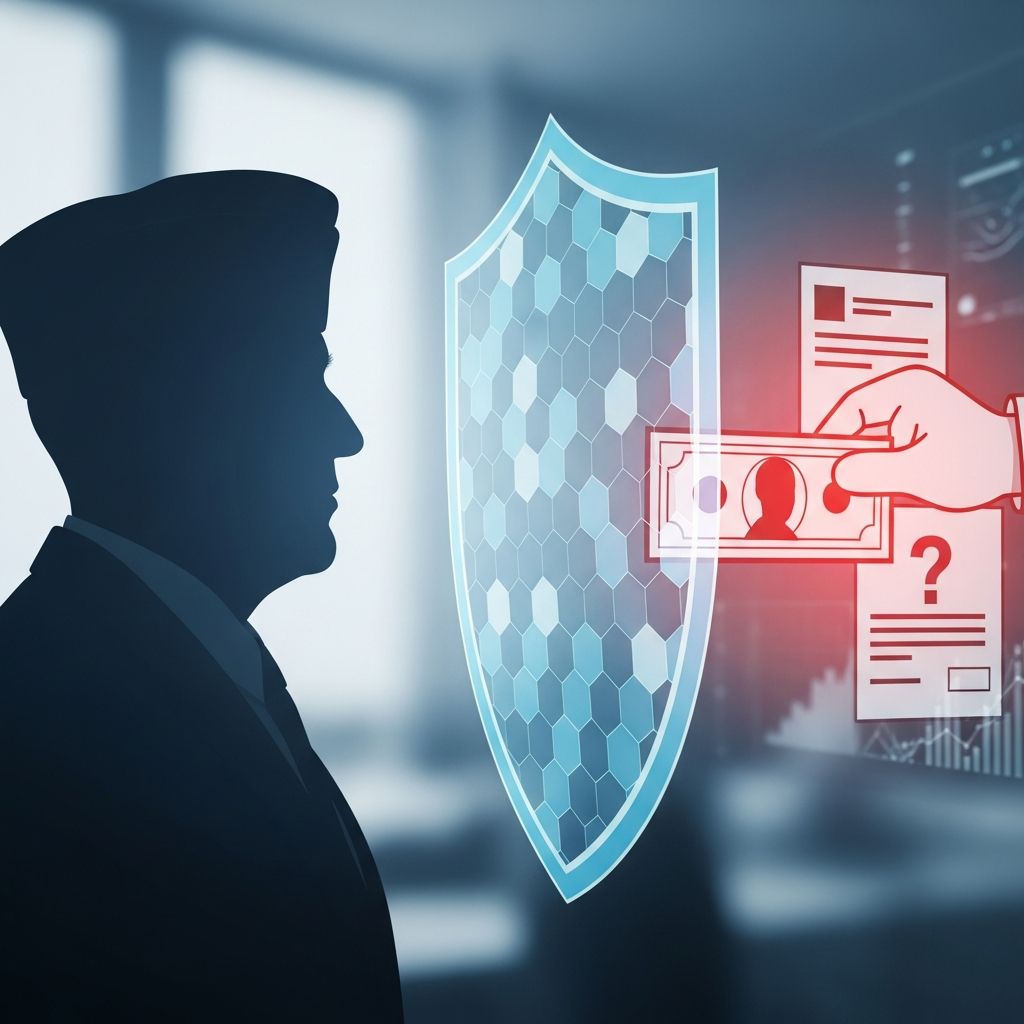
People who served our country — and those who help care for them — are increasingly targeted by fraudsters who pretend to be from the Department of Veterans Affairs (VA). These scammers often claim there was an overpayment of VA benefits and insist the money must be repaid immediately. Knowing how VA really communicates about debt, and how scammers twist those processes, can help you keep your benefits and your identity safe.
Why Veterans and Caregivers Are Being Targeted
Scammers know that VA benefits are often a primary source of income for veterans, surviving spouses, and dependents. They also know that VA rules about eligibility, overpayments, and debt can be complicated — which creates an opening for fraud.
- Veterans and families may worry about losing benefits if they do not respond quickly.
- Caregivers often manage multiple accounts and letters, making it harder to verify every message.
- Scammers use official-sounding language, logos, and website names to exploit that trust.
The VA has publicly warned that fraudsters are impersonating VA staff, using fake letterheads, email addresses, and even spoofed caller ID to claim there is a benefits overpayment that must be repaid right away.
How Real VA Overpayments and Debt Work
Before you can spot a scam, it helps to understand how legitimate VA debts are created and handled. Sometimes the VA really does determine that it paid more benefits than it should have. That can happen when:
- Your disability rating changes or is reduced.
- Your income or marital status changes and you do not report it promptly.
- A dependent is added or removed and the effective date is adjusted.
When there is a real debt, VA’s Debt Management Center (DMC) is responsible for notifying you and collecting repayment. The key point: you never need a third-party company or consultant to handle an overpayment for you, and you do not have to pay anyone for help.
| Feature | Legitimate VA Debt | Scam Overpayment Demand |
|---|---|---|
| Where to verify | Your secure VA.gov account and VA Debt Management Center | External website, unfamiliar URL, or private phone number |
| Payment methods | Official VA channels (for example, VA’s online payment portal or checks to VA) | Gift cards, cryptocurrency, wire transfers, peer-to-peer apps, or checks to an individual |
| Fees | No fee to set up a repayment plan or request a waiver | Upfront “processing” or “expediting” fees |
| Login information | VA will not ask for your VA.gov password or multi-factor authentication codes | Scammer asks for usernames, passwords, or security codes |
| Urgency | Explains your rights, options, and timelines for appeal or repayment | High-pressure warnings that you must “pay now or lose all benefits” |
Common Tactics Used in VA Overpayment Scams
Fraudsters rely on a predictable toolkit. Learning these patterns can help you and any caregivers quickly spot trouble.
1. Fake VA Letters and Email Messages
Scammers often send letters that look like they came from the VA or the VA Debt Management Center. They may include:
- Copied or altered VA logos and seals.
- Official-sounding department names, like “Benefits Recovery Division.”
- Reference numbers that look formal but cannot be verified through VA.gov.
The VA and other agencies have warned that fraudulent letters, emails, and texts may use VA letterheads and logos, making them difficult to distinguish from real notices. That is why the safest step is to log in to your VA.gov account directly, rather than using any link or phone number in the message.
2. Impersonation Phone Calls and Texts
Phone scammers may spoof caller ID to show “Department of Veterans Affairs” or a Washington, DC area code. During the call, they might:
- Claim you owe money for a benefits overpayment that must be repaid immediately.
- Threaten that your benefits will be frozen or reduced if you refuse to pay.
- Ask you to confirm your Social Security number, bank account, or VA login.
Some text messages include links to fake websites that imitate VA sign-in pages to steal your credentials.
3. Pressure to Pay Using Unusual Methods
One of the clearest red flags is the type of payment a caller or letter demands. The VA does not ask you to repay debt with gift cards, cryptocurrency, or peer-to-peer payment apps. Those methods move money quickly and are hard to trace, which is why scammers love them.
- If someone tells you to purchase gift cards and read the numbers over the phone, it is a scam.
- If you are told to send funds to an individual’s account or a business you have never heard of, not to the U.S. Department of Veterans Affairs, stop immediately.
4. Paid “Help” for Free VA Services
Some schemes do not ask you to send money to the “VA” directly. Instead, they advertise themselves as consultants who can “fix” your overpayment or “unlock” extra benefits if you pay an upfront fee. These offers are misleading when they charge for services that veterans can access for free through VA-accredited representatives.
How to Safely Verify Any VA Overpayment Notice
If you receive a message about a benefits overpayment — even if it looks official — treat it as unverified until you confirm it through trusted channels. Use this step-by-step approach:
Step 1: Ignore Links and Phone Numbers in the Message
- Do not scan QR codes, click links, or call phone numbers listed in a suspicious letter, email, or text.
- Manually type VA.gov into your browser or use a bookmark you already saved.
Step 2: Check Your VA.gov Account
Once you are on the official site, sign in to your VA.gov account using your usual method. From there, you can review any information about debts or overpayments associated with your benefits.
- If your account shows no debt, treat any demand for repayment as a scam.
- If your account shows an overpayment, follow the instructions there or contact the VA Debt Management Center using the phone number posted on VA.gov, not the one in the letter or email.
Step 3: Contact VA Directly if You Are Unsure
If you are confused or cannot access your account:
- Use the main phone numbers and contact details listed on VA.gov to reach the VA’s call center or Debt Management Center.
- Consider asking a trusted caregiver, family member, or accredited representative to help you verify the situation.
Managing a Real VA Debt Safely
If you confirm through VA.gov or the Debt Management Center that you do owe money, you still do not need to rush or pay a third party. The VA offers several options to help you manage debt due to overpayments.
- Payment plans: You may be able to spread payments over time.
- Compromise offers: In some cases, VA may accept a smaller, negotiated amount.
- Waivers: You may request that VA cancel some or all of the debt, depending on the circumstances.
- Appeals: If you think the overpayment is incorrect, you may have the right to appeal the decision.
There is no fee to set up these arrangements, and you do not need to pay anyone to submit the requests for you.
Protecting Your VA Login and Personal Information
Many overpayment scams are really attempts to steal your identity or take over your VA account. Once criminals control your login, they can change addresses, redirect payments, or access sensitive documents. To reduce that risk:
- Use strong, unique passwords for VA.gov and do not reuse them on other websites.
- Turn on multi-factor authentication so a password alone is not enough to sign in.
- Never share VA.gov usernames, passwords, or one-time security codes with anyone, including someone who claims to be from VA support.
- Shred or securely store letters that contain personal information.
How Caregivers Can Help Veterans Stay Safe
Caregivers often sort the mail, handle phone calls, and help with bills, which puts them on the front lines of scam prevention. If you assist a veteran with benefits management:
- Offer to review any debt or overpayment letters together, checking VA.gov for confirmation.
- Create a written list of official VA phone numbers and websites you both recognize and trust.
- Agree that no one will send money or share sensitive information until both of you have checked it out.
- Encourage the veteran to tell you right away about any urgent calls or texts involving benefits, especially if they feel threatened.
Sharing basic scam information with caregivers can make it less likely that anyone will be pressured into a quick, costly decision.
Reporting VA Overpayment Scams
Reporting fraud helps protect not only you, but other veterans and families across the country. Multiple agencies collect reports and use them to investigate scammers and track new tactics.
- Federal Trade Commission (FTC): The FTC encourages veterans, active-duty personnel, and their families to report fraud at its ReportFraud website.
- VA: If a scammer is impersonating the VA or referencing your actual VA benefits, notify VA through its official phone lines or contact tools so the agency is aware of the scheme.
- Other military-focused resources: Some agencies and organizations maintain veteran-specific fraud reporting and support channels that feed into federal investigations.
You can usually report a scam even if you did not lose money. Include as many details as possible: dates, phone numbers used, email addresses, website URLs, and copies or photos of any letters.
Practical Checklist: Is This VA Overpayment Notice Real?
Use this quick checklist whenever you get a message claiming you owe money for VA benefits:
- Did I log in to my VA.gov account and see the same debt listed there?
- Did I use a trusted VA phone number or the VA Debt Management Center number found on VA.gov to confirm?
- Is the person asking for gift cards, wire transfer, cryptocurrency, or payment to an individual?
- Is anyone asking for my VA.gov username, password, or verification codes?
- Is there extreme pressure to act immediately, with threats about losing all benefits?
If anything feels wrong, stop and verify through VA.gov or by calling VA directly before you respond.
Frequently Asked Questions
How do I know if a VA overpayment letter is legitimate?
A real letter about VA debt should match information you can see when you log in to your VA.gov account or when you speak directly with the VA Debt Management Center using official contact numbers listed on VA.gov. If the amounts or contact information do not match, treat the letter as suspicious.
Can VA really ask me to repay benefits?
Yes. If VA determines that you were overpaid, it may create a debt and request repayment. However, the process includes written notice, an explanation of the debt, and information about your rights to appeal, request a waiver, or set up a payment plan — and you do not have to pay a third party to access those options.
What should I do if I already sent money to a scammer?
Contact your bank, credit union, or card issuer immediately to see if the transaction can be stopped or reversed. Then report the fraud to the FTC and notify VA if the scam involved your benefits or VA account details. Consider placing fraud alerts or security freezes with the major credit bureaus if your Social Security number or other sensitive data were exposed.
Is it safe to work with a representative for my VA claim or debt?
Yes — as long as the person is a VA-accredited representative, such as a Veterans Service Organization representative, claims agent, or attorney recognized by VA. These professionals can help you at no cost with tasks like filing claims, requesting decision reviews, or understanding debt notices. Anyone who is not accredited or who demands upfront fees should be avoided.
Do I have to handle this alone if I’m overwhelmed?
No. You can authorize a trusted caregiver, family member, or accredited representative to assist you in dealing with VA benefits and debt. Just make sure they use only official VA channels, never share your VA.gov password, and coordinate with you before responding to any unexpected messages.
References
- New VA benefits overpayment scam — U.S. Department of Veterans Affairs (VA News). 2025-10-24. https://news.va.gov/142958/new-va-benefits-overpayment-scam/
- Veterans and caregivers: Recognize VA benefits overpayment scams — Federal Trade Commission. 2025-07-XX. https://consumer.ftc.gov/consumer-alerts/2025/07/veterans-caregivers-recognize-va-benefits-overpayment-scams
- NEW VA Overpayment SCAMS Targeting Veterans | Fraud (video) — U.S. Department of Veterans Affairs (theSITREP). 2025-09-24. https://www.youtube.com/watch?v=GqowY9391ls
- New scam: VA Benefits overpayment — U.S. Air Force, MyAirForceBenefits. 2025-11-06. https://myairforcebenefits.us.af.mil/New-scam-VA-Benefits-overpayment
- Scammers Target Current and Former Military Members — Synovus Bank (summarizing FTC data). 2025-01-22. https://www.synovus.com/personal/resource-center/fraud-prevention-and-security-hub/fraud-hub-education-and-prevention/latest-fraud-trends/scammers-target-current-and-former-military-members/
Similar Articles








Read full bio of Sneha Tete


