
Safeguarding Seniors from Heatstroke in Rising Temperatures
Essential strategies to shield older adults from the dangers of extreme heat and prevent life-threatening heatstroke risks.
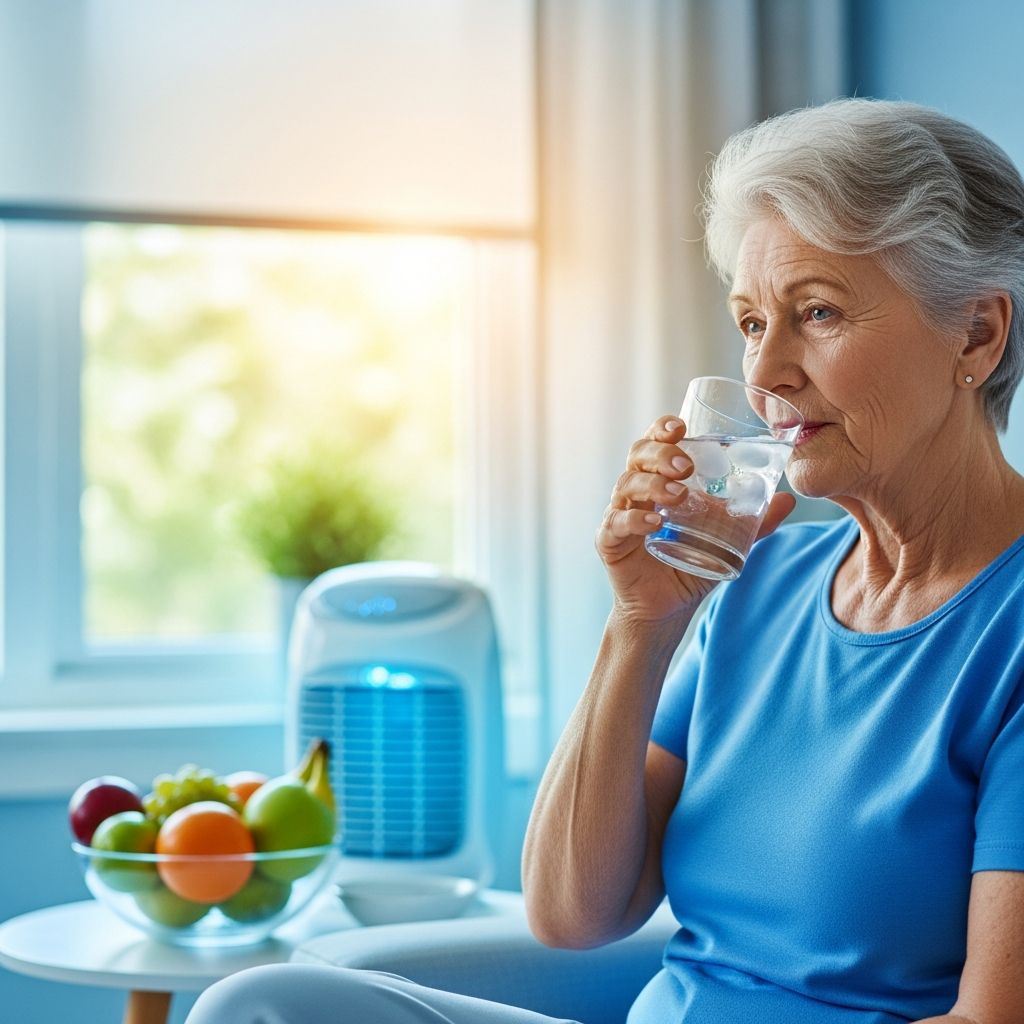
Extreme heat events are becoming more frequent, posing significant dangers to vulnerable populations, particularly those aged 65 and older. Older adults face heightened risks of heat-related illnesses like heat exhaustion and heatstroke because their bodies struggle to regulate temperature effectively. This comprehensive guide explores the unique challenges seniors encounter during heatwaves, outlines proactive prevention measures, and provides actionable advice for caregivers and family members to protect loved ones.
Understanding Heat Vulnerabilities in the Aging Population
As people age, physiological changes diminish the body’s ability to cool itself. Seniors often sweat less efficiently, have reduced thirst perception, and may experience chronic conditions such as heart disease, diabetes, or respiratory issues that impair heat response. Medications commonly prescribed to older adults, including diuretics, blood pressure drugs, and antihistamines, can further hinder sweating or dehydration processes, amplifying risks.
Statistics underscore the severity: older adults account for a disproportionate share of heat-related emergency visits and fatalities during summer months. For instance, individuals over 65 do not adjust as readily to sudden temperature spikes compared to younger people, making rapid-onset heatwaves especially perilous. Social isolation compounds these issues, as many seniors live alone without immediate access to cooling resources or support networks.
Recognizing Early Warning Signs of Heat Distress
Prompt identification of heat-related symptoms can prevent progression to full-blown heatstroke, a medical emergency where body temperature exceeds 104°F (40°C) and organ damage becomes imminent. Initial signs in seniors include excessive fatigue, dizziness, nausea, rapid heartbeat, and confusion—symptoms that may be mistaken for other age-related issues.
Advanced indicators demand immediate action: hot, dry skin (or profuse sweating), throbbing headache, fainting, seizures, or cessation of sweating. Unlike younger individuals, seniors might not exhibit classic sweating due to impaired mechanisms, making behavioral changes like irritability or disorientation critical red flags. Caregivers should monitor closely, especially if the senior has pre-existing conditions or takes multiple medications.
Core Prevention Strategies for Everyday Protection
Preventing heat illness requires a multifaceted approach focusing on hydration, environment control, and behavioral adjustments. Implementing these habits consistently can drastically reduce risks during prolonged hot spells.
- Prioritize Hydration: Encourage frequent intake of water or electrolyte-rich fluids, aiming for at least 3/4 gallon daily, adjusted for individual needs. Avoid caffeine and alcohol, which exacerbate dehydration. Offer small sips regularly, as thirst signals weaken with age.
- Dress for Comfort: Opt for lightweight, loose-fitting clothes in light colors made from breathable fabrics like cotton. Layering allows flexibility, and wide-brimmed hats provide sun protection during brief outdoor exposure.
- Schedule Wisely: Restrict outdoor activities to early morning or evening hours, avoiding peak heat from 10 a.m. to 4 p.m. If outings are necessary, seek shade and take frequent breaks.
Creating a Cool Indoor Sanctuary
A comfortable home environment is foundational to heat safety. Without air conditioning, indoor temperatures can rival outdoor extremes, turning living spaces into hazards.
Practical cooling methods include:
- Closing curtains, blinds, or shades during daylight to block solar heat gain.
- Positioning seniors in lower-level or basement areas, which stay naturally cooler.
- Installing or utilizing fans alongside AC, but avoiding sole reliance on fans above 95°F as they may circulate hot air ineffectively.
- Minimizing heat sources: use microwaves over ovens, avoid dryers, and unplug electronics that generate warmth.
For those without AC, public cooling centers like libraries, malls, or community buildings offer respite. Local health departments often list these resources during heat alerts.
Nutrition and Lifestyle Adjustments for Resilience
Diet plays a subtle yet vital role in heat tolerance. Water-rich foods such as watermelon, cucumbers, oranges, and soups provide hydration alongside nutrients. These choices support electrolyte balance without overwhelming digestion, which can be sensitive in seniors.
Maintaining a healthy weight reduces bodily heat production, while gradual heat acclimation—short, supervised exposures—builds tolerance over days or weeks. However, those with illnesses should consult physicians before such practices, as recovery from infections like the flu temporarily heightens vulnerability.
Caregiver Responsibilities and Community Support
Family, friends, and professional caregivers form the frontline defense. Regular check-ins—at least twice daily during heat events—are essential, assessing hydration status, AC access, and general well-being.
| Caregiver Checklist | Action Items |
|---|---|
| Hydration Check | Is water accessible and being consumed regularly? |
| Cooling Access | Is AC or cooling center available and utilized? |
| Symptom Monitoring | Any signs of confusion, fatigue, or skin changes? |
| Medication Review | Discuss heat impacts with doctor? |
| Buddy Support | Paired with a contact for emergencies? |
Adopting a “buddy system” pairs isolated seniors with reliable contacts, ensuring timely intervention. Community programs, like those from senior centers, can extend this network.
Emergency Response Protocols
If heatstroke is suspected, act swiftly: move to a cool area, apply cool wet cloths to neck, armpits, and groin, fan gently, and offer sips of cool water if conscious. Call emergency services immediately—do not drive. Time is critical; delays can lead to permanent damage or death.
Post-incident, medical follow-up addresses underlying contributors like medication adjustments or chronic condition management.
Frequently Asked Questions
Why are seniors more prone to heatstroke?
Age-related declines in sweating, thirst sensation, and temperature regulation, combined with chronic illnesses and medications, impair cooling mechanisms.
Can fans alone prevent heat illness in extreme heat?
No, fans are insufficient above 95°F; they circulate hot air and may deceive the body into ignoring overheating. Use AC or visit cooled public spaces.
How much water should older adults drink daily in hot weather?
About 3/4 gallon or more, in frequent small amounts, prioritizing water and electrolyte drinks over caffeinated or alcoholic beverages.
What if a senior refuses to stay indoors during heatwaves?
Gently encourage alternatives like early/late outings, shaded areas, portable coolers, and constant supervision to balance enjoyment with safety.
Do all medications increase heat risk for seniors?
Many do, such as those affecting hydration or sweating; consult doctors to review prescriptions during hot seasons.
Long-Term Resilience Building
Beyond immediate tactics, fostering year-round habits like routine health check-ups, home modifications (e.g., energy-efficient AC), and emergency preparedness kits enhances durability. Heat vulnerability plans, akin to those for storms, should include contact lists, cooling site maps, and hydration schedules.
Climate trends indicate intensifying heat challenges, making education pivotal. Sharing resources from trusted agencies empowers communities to collectively safeguard their elders, turning potential crises into manageable routines.
References
- Hot Weather Safety for Older Adults — National Institute on Aging. 2023. https://www.nia.nih.gov/health/safety/hot-weather-safety-older-adults
- Heat and Older Adults (Aged 65+) — Centers for Disease Control and Prevention (CDC). 2024-06-05. https://www.cdc.gov/heat-health/risk-factors/heat-and-older-adults-aged-65.html
- Seniors and Heat-Related Illness — California Department of Public Health (CDPH). 2023. https://www.cdph.ca.gov/Programs/EPO/Pages/Extreme%20Heat%20Pages/BI_Natural-Disasters_Extreme-Heat_Seniors-and-Heat-Illness.aspx
- Extreme Heat Safety — American Red Cross. 2024. https://www.redcross.org/get-help/how-to-prepare-for-emergencies/types-of-emergencies/extreme-heat-safety.html
- 7 Tips to Avoid Heat Exhaustion and Heat Stroke — MedStar Health. 2023-07-20. https://www.medstarhealth.org/blog/avoid-heat-related-illnesses
Similar Articles








Read full bio of medha deb


