
Protecting Kids from Hidden Home Dangers
How to identify and eliminate hidden home hazards that attract curious children.
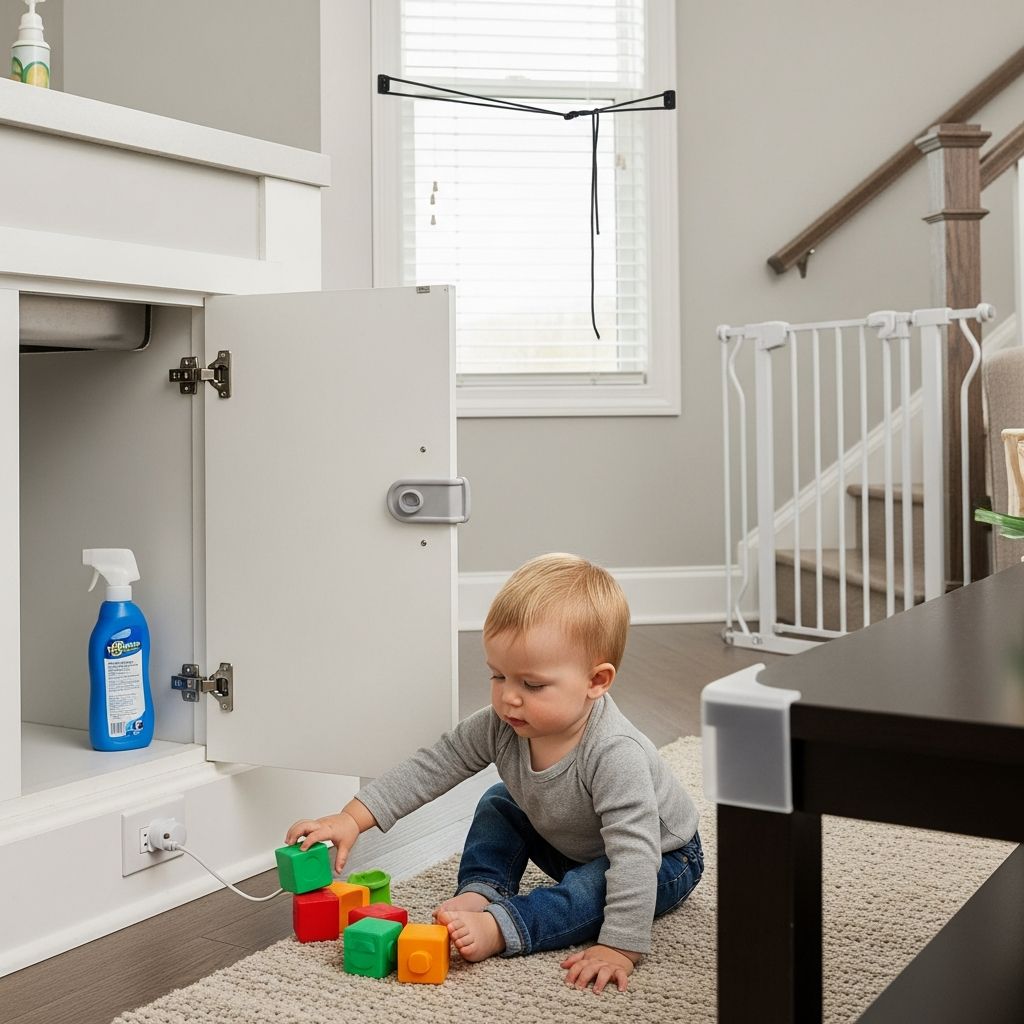
Understanding the Hidden Risks Around Your Property
For many families, the home is meant to be a safe haven. But for young children, even the most ordinary backyard or storage area can turn into a dangerous playground. A swimming pool, a tool shed, a pile of construction materials, or even a friendly dog can become what the law calls an ‘attractive nuisance’ — something that draws children in but also puts them at serious risk of injury.
These hazards are especially concerning because children often don’t understand danger the way adults do. They’re naturally curious, impulsive, and eager to explore. That means a feature that seems harmless to an adult can be irresistible — and potentially deadly — to a child. Recognizing these risks isn’t just about being a responsible parent; it’s also about protecting yourself as a homeowner from potential legal consequences if a child is hurt on your property.
What Makes a Feature an Attractive Nuisance?
An attractive nuisance is any condition or object on a property that is likely to attract children but also poses a significant risk of harm. Courts have long recognized that property owners can be held responsible for injuries that occur when children are drawn to such features, even if the child was trespassing.
What turns an ordinary feature into a legal concern? Several factors are typically considered:
- Appeal to children: Does the object or area naturally attract kids? Pools, trampolines, play structures, and even abandoned appliances can be highly tempting.
- Recognizable danger: Is there a clear risk of serious injury or death? Drowning, falls, electrocution, and entrapment are common examples.
- Foreseeability: Could a reasonable person expect that children might be drawn to the area and get hurt?
- Preventability: Could the danger have been reasonably prevented with simple safety measures like fencing, locks, or warnings?
When these elements are present, courts may find that the property owner had a duty to take steps to protect children, even if they didn’t have permission to be on the property.
Common Attractive Nuisances on Residential Properties
Many everyday features can become attractive nuisances if not properly secured. Here are some of the most common examples and the risks they pose:
Swimming Pools and Hot Tubs
Swimming pools are one of the most well-known attractive nuisances. They are visually appealing to children and can be deadly if unsupervised. Even a small above-ground pool or a hot tub can pose a drowning risk, especially for toddlers and preschoolers.
Key dangers include:
- Drowning in shallow or deep water
- Entrapment by pool drains or suction systems
- Slips and falls around wet surfaces
- Electrical hazards from nearby outlets or lighting
Because pools are so clearly attractive to children and so obviously dangerous, courts often place a high responsibility on owners to secure them properly.
Play Equipment and Trampolines
Backyard play structures, swings, and trampolines are designed for fun, but they can also be dangerous if not maintained and supervised. Children may climb too high, fall off, or get caught in moving parts.
Risks include:
- Falls from height leading to broken bones or head injuries
- Entrapment between parts or in gaps
- Collisions with other children or hard surfaces
- Trampoline-specific injuries like sprains, fractures, and spinal trauma
Even if the equipment is intended for your own children, it can still attract neighborhood kids and become a liability if someone is injured.
Construction Sites and Building Materials
Home renovations, sheds, or unfinished projects can create dangerous zones. Piles of lumber, open trenches, exposed nails, power tools, and unsecured ladders are all hazards that can attract curious children.
Common dangers include:
- Cuts and puncture wounds from sharp objects
- Falls from scaffolding or into holes
- Electrocution from exposed wiring or tools
- Crushing injuries from heavy materials or equipment
These areas are especially risky because they are often temporary and may not be as carefully monitored as permanent structures.
Abandoned Appliances and Vehicles
Old refrigerators, washing machines, cars, or trailers left in a yard can seem like fun hiding spots or play areas to children. But they can also be deadly traps.
Key risks include:
- Entrapment and suffocation in sealed appliances
- Crushing injuries from heavy doors or parts
- Exposure to chemicals or sharp edges
- Carbon monoxide poisoning if engines are started in enclosed spaces
Even if an item is no longer functional, it can still pose serious dangers if children are able to access it.
Animals and Enclosures
Pets, especially large or aggressive dogs, can be attractive nuisances if they are not properly contained. Children may be drawn to pet areas, kennels, or enclosures, not realizing the risk of bites or attacks.
Additional concerns include:
- Animal bites or scratches
- Chasing or startling animals, leading to defensive behavior
- Exposure to waste or disease
- Escaped animals that could harm others off the property
Proper fencing, supervision, and training are essential to reduce these risks.
Water Features and Standing Water
Beyond pools, other water sources can also be attractive nuisances. This includes fountains, ponds, rain barrels, buckets, and even open toilet lids.
Dangers include:
- Drowning in small amounts of water
- Slips and falls around wet surfaces
- Exposure to algae, chemicals, or bacteria
- Entrapment in drains or covers
Young children can drown in just a few inches of water, so any standing water should be treated as a potential hazard.
Legal Responsibilities of Homeowners
Homeowners are generally expected to maintain a reasonably safe environment, especially when it comes to obvious dangers that could attract children. While laws vary by state, many jurisdictions recognize the attractive nuisance doctrine, which can hold property owners liable for injuries to trespassing children under certain conditions.
Key legal principles include:
- Property owners may owe a duty to protect children from known, dangerous conditions that are likely to attract them.
- Liability is more likely if the danger was foreseeable and could have been prevented with reasonable steps.
- Courts often consider whether the child was too young to understand the risk and whether the owner took any steps to warn or block access.
This doesn’t mean you’re automatically responsible for every injury, but it does mean that ignoring obvious hazards can increase your legal risk.
Practical Steps to Reduce Risk and Liability
Protecting children and reducing your legal exposure doesn’t require extreme measures. In most cases, simple, common-sense steps can make a big difference. Here are some effective strategies:
Secure Pools and Water Features
- Install a four-sided fence with a self-closing, self-latching gate around all pools and hot tubs.
- Use pool covers that are strong enough to support weight and are securely fastened.
- Install alarms on pool gates and doors that lead outside.
- Keep rescue equipment (like a life ring and reaching pole) nearby and know CPR.
- Empty buckets, wading pools, and rain barrels when not in use.
Control Access to Play Equipment
- Place play structures on soft, impact-absorbing surfaces like mulch, sand, or rubber mats.
- Regularly inspect equipment for loose parts, sharp edges, and structural damage.
- Use locks or barriers to prevent unsupervised access, especially for trampolines.
- Set clear rules about how the equipment should be used and supervise children closely.
Secure Construction and Storage Areas
- Keep tools, chemicals, and building materials in locked sheds or out of reach.
- Cover or block access to trenches, holes, and unfinished structures.
- Use warning signs in high-risk areas, especially during renovations.
- Store ladders and scaffolding securely when not in use.
Remove or Secure Abandoned Items
- Dispose of old appliances, vehicles, and trailers promptly and safely.
- If you must store items temporarily, keep them locked or inaccessible to children.
- Remove doors from refrigerators and other appliances before disposal.
- Keep storage sheds and garages locked when not in use.
Manage Animals and Enclosures
- Keep dogs and other animals in secure enclosures with strong fencing.
- Use warning signs if you have aggressive or protective animals.
- Train pets to be calm around children and supervise all interactions.
- Keep kennels and pet areas clean and free of hazards.
Eliminate Standing Water and Water Hazards
- Empty and store buckets, wading pools, and containers after use.
- Install toilet lid locks in bathrooms accessible to young children.
- Use covers or grates on ponds, fountains, and drainage areas.
- Keep bathroom and laundry room doors closed when not in use.
Creating a Safer Environment for Everyone
Child safety isn’t just about avoiding lawsuits; it’s about creating a community where children can grow and play without unnecessary risks. By taking a proactive approach, homeowners can protect kids, reduce liability, and set a positive example for neighbors.
Some broader strategies include:
- Talking to neighbors about shared safety concerns, especially around pools and play areas.
- Participating in community safety programs or neighborhood watch groups.
- Teaching children basic safety rules about not entering unfamiliar yards or playing with dangerous objects.
- Keeping emergency numbers and first aid supplies easily accessible.
When to Consult a Professional
If you’re unsure whether something on your property could be considered an attractive nuisance, it’s wise to seek advice. Consider consulting:
- A personal injury or real estate attorney to understand your legal responsibilities.
- A child safety expert or home inspector to identify hidden hazards.
- A pool or equipment safety specialist to ensure compliance with safety standards.
Getting a professional assessment can help you prioritize which risks to address first and ensure that your safety measures are effective.
Frequently Asked Questions
What is an attractive nuisance?
An attractive nuisance is a condition or object on a property that is likely to attract children but also poses a serious risk of harm, such as a swimming pool, trampoline, or construction site.
Can I be held liable if a child is injured on my property?
Yes, in many cases. If a dangerous condition was foreseeable and could have been prevented with reasonable steps, courts may hold the property owner responsible, even if the child was trespassing.
Do I need a fence around my pool?
Most jurisdictions require a four-sided barrier around residential pools. A fence with a self-closing, self-latching gate is one of the most effective ways to prevent unsupervised access and reduce liability.
How can I make my yard safer for children?
Secure pools and water features, control access to play equipment, remove or lock up abandoned items, manage animals properly, and eliminate standing water. Regular inspections and supervision are also key.
Are trampolines considered attractive nuisances?
Yes, trampolines are often considered attractive nuisances because they are highly appealing to children and carry a significant risk of serious injury, especially without proper safety measures and supervision.
What should I do if I see a dangerous condition on a neighbor’s property?
You can politely bring it to their attention, especially if it poses an immediate risk to children. In some cases, local code enforcement or child protective services may need to be involved if the hazard is severe and unaddressed.
References
- Home Safety Checklist for Families — National Safety Council. 2023. https://www.nsc.org/community-safety/safety-topics/child-safety/child-safety-home
- Childproofing Your Home — U.S. Consumer Product Safety Commission. 2023. https://www.cpsc.gov/safety-education/safety-guides/kids-and-babies/Childproofing-Your-Home
- Pool & Spa Safety — U.S. Consumer Product Safety Commission. 2022. https://www.cpsc.gov/safety-education/safety-guides/pools-spas
Similar Articles








Read full bio of medha deb


