
Protecting Your Green Card: Essential Rules & Requirements
Learn the critical steps to maintain your permanent resident status and avoid losing your green card.
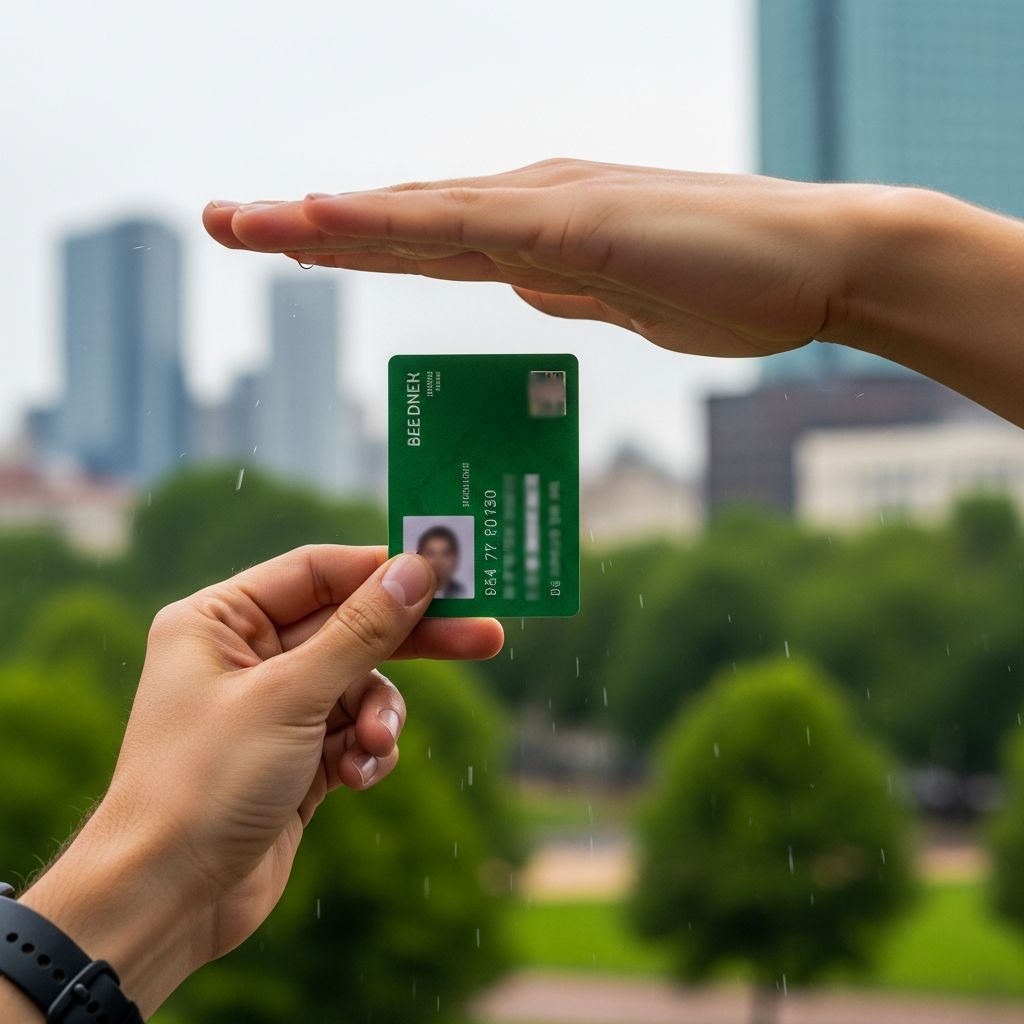
Understanding the Importance of Green Card Maintenance
Obtaining a green card represents a significant milestone in the immigration journey, granting individuals lawful permanent resident (LPR) status in the United States. However, many people mistakenly believe that once they have secured this status, their legal standing is permanent and unchangeable. The reality is quite different. A green card is a privilege rather than an absolute right, and the U.S. government reserves the authority to revoke this status under specific circumstances. Understanding the requirements for maintaining green card status is essential for anyone who values their right to live and work in the United States and aspires to eventually become a U.S. citizen.
Permanent residents who fail to comply with the established guidelines risk losing their status, which can lead to deportation proceedings and removal from the country. The consequences of abandoning or losing green card status can be severe and long-lasting, potentially affecting not only the individual but also their family members and employment prospects. Therefore, it is critical to understand and follow all the rules and responsibilities that accompany permanent resident status.
Physical Presence Requirements and Residency Rules
One of the most fundamental requirements for maintaining green card status is establishing and maintaining a permanent residence in the United States. This means that green card holders must physically reside in the country and demonstrate a genuine intent to make the U.S. their home. The law specifically prohibits permanent residents from living outside the United States indefinitely while returning only for occasional visits. Even if you maintain a home in the U.S., immigration authorities will scrutinize your actual pattern of residence.
Extended absences from the country can trigger questions about whether you intend to maintain your permanent resident status. Authorities examine not just the length of your absence but also the reasons for it and how you have otherwise maintained ties to the United States. The common misconception that spending at least one year in the country per year automatically protects your status is incorrect. The determination of whether you have abandoned your status depends on multiple factors considered holistically by immigration officials.
If you plan to remain outside the United States for an extended period—particularly longer than six months—you should seriously consider obtaining a re-entry permit before departing. This document, officially known as Form I-131, is valid for two years and allows you to maintain your permanent resident status while residing abroad during that period. Without this permit, absences exceeding one year could result in losing your ability to return and maintain your status.
Tax Filing Obligations for Permanent Residents
Permanent residents have a critical responsibility to file federal, state, and local income tax returns as required by law. This obligation extends to reporting worldwide income to the Internal Revenue Service (IRS), regardless of where that income is earned or where you currently reside. Filing as a “non-resident” on your tax returns while living abroad can be interpreted by immigration authorities as evidence that you have abandoned your permanent resident status.
The failure to file required income tax returns can have serious consequences beyond typical tax penalties. Immigration officials may use tax non-compliance as proof of your intention to abandon permanent resident status, which could lead to visa revocation and deportation proceedings. This is particularly important for individuals who work abroad or spend extended periods outside the country. Even if you are not required to pay taxes due to income level, filing a tax return when obligations exist demonstrates your continued commitment to maintaining U.S. permanent resident status.
Managing International Travel and Re-Entry Documentation
Traveling internationally with a green card requires careful planning and understanding of specific rules. Green card holders must carry their physical permanent resident card when departing and returning to the United States. This card serves as proof of your legal status and is required for airline boarding and U.S. port of entry admittance.
If your green card has been lost, stolen, or damaged, you must replace it promptly by filing Form I-90 with USCIS. In emergency situations where you need to travel before obtaining a replacement card, you can apply for a Boarding Foil, which permits airlines to transport you back to the United States even without your physical card.
For individuals whose green cards are expiring but who plan to return to the United States within one year, renewal can be completed upon return rather than while abroad. However, if you will be outside the country for more than one year without prior USCIS approval (in the form of a re-entry permit), you will be required to obtain a new immigrant visa to re-enter, which involves a more complex application process.
Address Notification and Registration Requirements
Every time you relocate within the United States, you are required to notify the Department of Homeland Security (DHS) of your new address. This notification must occur within a specified timeframe, typically within ten days of your move. This requirement ensures that government agencies can maintain current contact information for all permanent residents and is essential for maintaining compliance with federal regulations.
The notification process is straightforward and can be completed online through the USCIS website by submitting Form AR-11. Failure to provide updated address information could result in missed official communications regarding your immigration status, visa renewals, or other important matters. Maintaining current contact information is a simple but crucial responsibility for all green card holders.
Selective Service Registration for Male Residents
Male permanent residents between the ages of 18 and 25 are required to register with the Selective Service System. This federal requirement applies equally to U.S. citizens and permanent residents, and compliance is monitored as part of immigration status maintenance. Failing to register when required can have serious consequences for your green card status and eligibility for future naturalization.
The registration process is simple and can be completed online, by mail, or in person. This requirement is taken seriously by immigration authorities, and any willful failure to register can be used as evidence of non-compliance with U.S. law and may result in loss of permanent resident status.
Prohibited Activities That Jeopardize Green Card Status
Certain actions can immediately place your green card status at risk. These prohibited activities include:
- Obtaining public benefits through fraudulent misrepresentation
- Failing to provide required financial support to family members or violating child support and spousal support obligations
- Failing to file required income tax returns
- Willfully refusing to register for Selective Service if you fall within the required age range
- Assisting or smuggling individuals who are not U.S. citizens or nationals to enter the country illegally, even if they are close relatives and regardless of whether you receive compensation
Violations of these rules can result in deportation proceedings and permanent loss of green card status. Additionally, criminal convictions, particularly for crimes of moral turpitude or drug-related offenses, can result in removal from the country.
Green Card Replacement and Renewal Procedures
Green cards require replacement or renewal under several circumstances. If your card has been lost, stolen, or damaged, you must apply for a replacement by submitting Form I-90 to USCIS. Cards that were issued when you were under 14 years old must also be replaced when you reach adulthood. Additionally, if you legally change your name, you will need to obtain a new card reflecting your updated name.
Conditional permanent residents—individuals who obtained green cards through marriage and have held status for less than two years—must file Form I-751 to remove conditions on their status. Those who obtained permanent residency through investment must file Form I-829. These procedures must be completed within specified timeframes to maintain continuous legal status.
The Path to U.S. Citizenship Through Maintained Status
Maintaining green card status is not merely an exercise in compliance; it is a necessary foundation for pursuing U.S. citizenship. Permanent residents become eligible to apply for naturalization after maintaining their status for specific periods. Generally, this waiting period is five years, though it can be shortened to three years if you are married to a U.S. citizen and obtained your green card through that spousal relationship. Individuals who obtained permanent residency through political asylum or refugee status may become eligible after four years.
The naturalization process allows you to enjoy rights that are exclusively reserved for U.S. citizens, including the right to vote, the ability to hold certain federal positions, and protection from deportation. Additionally, becoming a citizen provides a level of security and belonging that permanent resident status cannot offer. However, this pathway is only available if you have properly maintained your green card status throughout the required residency period.
Returning Resident Visas and Second-Chance Options
In limited circumstances, individuals who have lost or abandoned their green card status may be able to seek a Returning Resident visa, which allows them to restore their permanent resident status. To qualify, applicants must demonstrate continuous, unbroken ties to the United States, provide evidence that their absence was beyond their control, and show documentation of their intent to return permanently to the country.
Acceptable evidence includes continuous compliance with U.S. tax obligations, ownership of property or assets in the United States, and maintenance of licenses and memberships in the country. However, simply having U.S. relatives, attending school overseas, or stating an intention to return is generally insufficient. The evidentiary requirements are strict, and such applications are reviewed carefully to prevent abuse of this exception.
Differences Between Temporary and Permanent Absences
The distinction between a temporary absence and a permanent departure is crucial in immigration law. A temporary absence occurs when you leave the United States with the clear intention of returning and maintaining your residence there. In contrast, a permanent departure involves abandoning your U.S. residence and establishing your primary home elsewhere. The determination between these two categories depends on factors including the duration of absence, the reasons for leaving, and evidence of your intention regarding future residence.
Immigration authorities will examine your overall conduct and circumstances. If you maintain employment in the U.S., own a home here, file tax returns as a resident, and maintain family ties in the country, absences may be treated as temporary even if they extend beyond typical vacation periods. Conversely, if you liquidate U.S. assets, establish permanent housing abroad, or file taxes as a non-resident, authorities may conclude that you have abandoned your status regardless of periodic returns to the country.
Re-Entry Permits: Planning for Extended Absences
A re-entry permit is a valuable document for permanent residents who need to remain outside the United States for extended periods while preserving their green card status. This permit, obtained through Form I-131, is typically valid for two years from the date of issuance. The application must be filed while you are physically present in the United States, though approved permits can be picked up at U.S. embassies or consulates abroad if requested at the time of application.
One important point to note is that departing the United States before a decision is made on your re-entry permit application does not invalidate the application. This allows you to file the paperwork and then travel while your application is being processed. Without a re-entry permit, any absence exceeding one year typically requires obtaining a new immigrant visa to return, which involves a more complicated and time-consuming process.
Frequently Asked Questions
Q: How long can I stay outside the United States without losing my green card?
A: While absences of six months or less are generally considered acceptable, the determination of status loss is not based solely on time. Absences of more than six months can raise questions about your intent, and absences exceeding one year without a re-entry permit typically result in loss of status. The key factor is demonstrating your intent to maintain U.S. residence through tax filing, property ownership, and other ties.
Q: What is a re-entry permit and when should I apply for one?
A: A re-entry permit is a document that allows you to remain outside the United States for up to two years while maintaining your green card status. You should apply for one if you plan to be absent for longer than six months or if there is any possibility you might be outside the country for more than one year. The application must be filed while you are physically present in the United States.
Q: Can I lose my green card for failing to file taxes?
A: Yes. Filing as a “non-resident” on your tax returns or failing to file required returns while living abroad can be used as evidence that you have abandoned your permanent resident status. You must file as a resident and report worldwide income to the IRS.
Q: What should I do if my green card is lost, stolen, or damaged?
A: You must apply for replacement by filing Form I-90 with USCIS as soon as possible. If you need to travel before obtaining a replacement, you can apply for a Boarding Foil, which allows airlines to transport you despite the missing card.
Q: How do I notify the government when I move to a new address?
A: You must notify DHS within ten days of moving by filing Form AR-11, which can be completed online through the USCIS website. This keeps your immigration records current and ensures you receive important official communications.
Q: Can I become a U.S. citizen if I maintain my green card status?
A: Yes. After maintaining your green card status for the required period (typically five years, or three years if married to a U.S. citizen), you become eligible to apply for U.S. citizenship through the naturalization process.
References
- How to Maintain Green Card Status In The U.S. — VisaPro. 2024. https://www.visapro.com/resources/article/how-to-maintain-green-card-status/
- Maintaining Your Status as a Permanent Resident — Catholic University of America, International Services Office. 2024. https://international.catholic.edu/immigration/permanent-residency/maintaining-lpr.html
- Maintaining Permanent Resident Status — U.S. Embassy Japan. 2024. https://jp.usembassy.gov/visas/immigrant-visas/green-card/maintaining-permanent-resident-status/
- Maintaining Permanent Resident Status — Baker Donelson Immigration Group. 2024. https://www.bakerdonelson.com/maintaining-permanent-resident-status
- Absence from the U.S.: Permanent Residence — Indiana University Office of International Services. 2024. https://ois.iu.edu/scholars/permanent-residence/absence.html
- Maintaining Green Card Status — Berardi Immigration Law. 2024. https://berardiimmigrationlaw.com/maintaining-green-card-status/
Similar Articles








Read full bio of medha deb


