
Protect Yourself From Package Delivery Scams
Learn how fake delivery texts, emails, and notices trick consumers and how to spot and stop these package scams before they cost you.
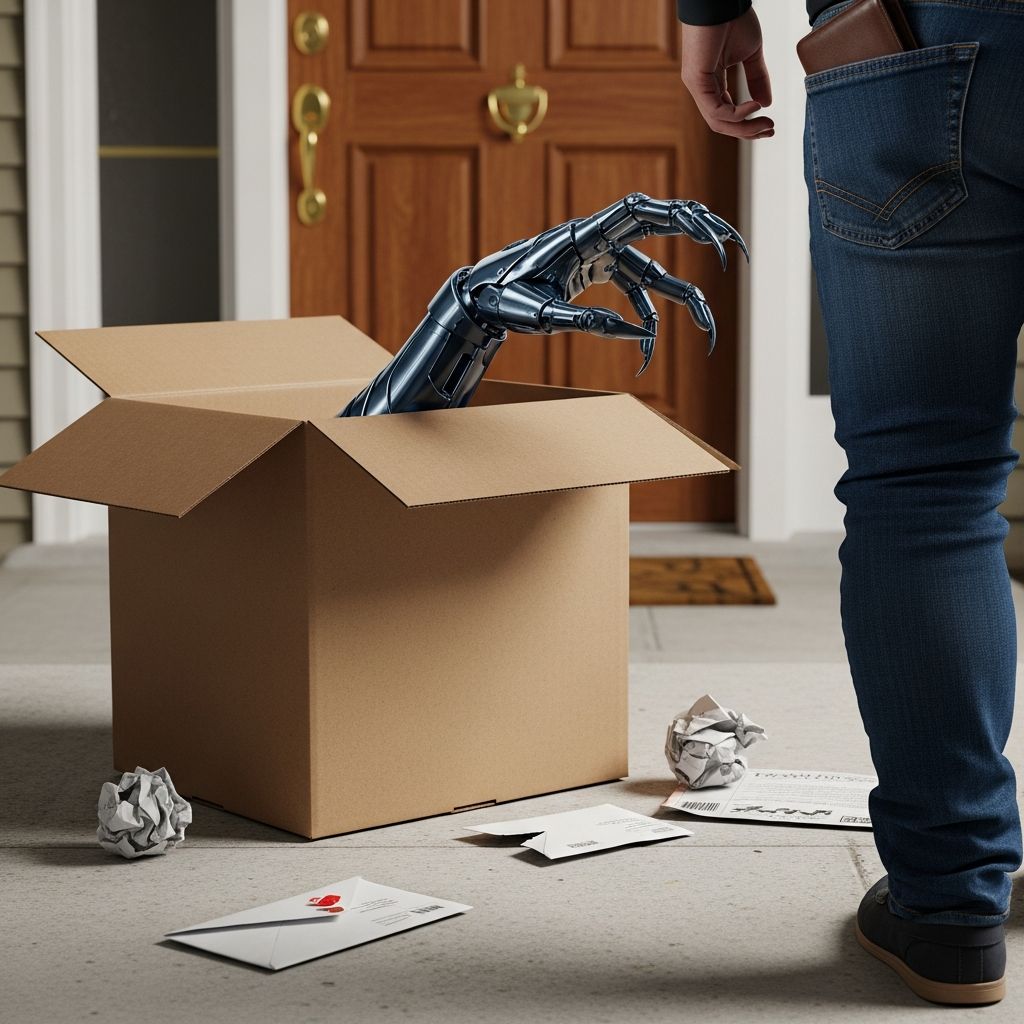
Online shopping and home delivery are more common than ever, which makes package-related scams a profitable opportunity for criminals. Scammers send fake texts, emails, and even paper notices pretending to be from major carriers like the U.S. Postal Service (USPS), UPS, FedEx, or private couriers, all to trick you into giving away money or personal information.
This guide explains how these scams work, the warning signs to look for, and the steps you can take to protect yourself and your family.
Why Package Delivery Scams Are So Effective
Scammers rely on simple psychology: if you shop online, you probably expect packages. A message about a supposed delivery problem feels urgent and believable, so many people react quickly without stopping to verify it.
These scams are especially common during busy shopping seasons, when people are juggling multiple orders and tracking numbers.
- High volume of deliveries: More online orders means more chances for scammers to slip in a fake message.
- Sense of urgency: Messages often claim that a package will be returned, destroyed, or delayed unless you act immediately.
- Trusted brand names: Scammers pretend to be well-known carriers or retailers so their messages look legitimate.
Common Types of Package Delivery Scams
Fraudsters use several methods to reach you. The details change, but the goal is always the same: get your personal or financial information or push you into paying fake fees.
1. Fake Text Messages (Smishing)
Smishing is phishing by text message. You receive a text that looks like it is from USPS, UPS, FedEx or another carrier, claiming there is a problem delivering a package and giving you a link to “fix” the issue.
- The message may say your address is incomplete, a fee is due, or you must confirm details to release the package.
- The link sends you to a fake website designed to steal your information or install malware on your device.
Government and consumer protection agencies report a rise in these fake delivery texts, which can lead to identity theft or financial loss if you enter sensitive details.
2. Phishing Emails Disguised as Delivery Notices
Phishing emails mimic real tracking or delivery emails and often copy logos, colors, and language from legitimate companies.
- They claim there is a missed delivery, customs issue, or shipping error.
- They include buttons like “Track package” or “Update delivery details” that lead to malicious websites.
- They may ask you to sign in to a fake account page that steals your username and password.
3. Fake Door Tags and Paper Notices
Not all scams are digital. Some scammers leave realistic-looking paper tags on your door claiming a missed delivery, with a phone number or QR code.
- Calling the number can connect you to a scammer who pressures you to pay fake “redelivery” or “customs” fees.
- Scanning a QR code can send you to a fraudulent website or automatically download harmful software.
4. Unsolicited Packages and “Brushing” Schemes
Receiving a package you never ordered may also be a sign of a scam, often called a brushing scam.
- Third-party sellers send low-cost items to random addresses to create fake “verified” purchases and positive reviews under your name.
- This means someone has your name and address and may have accessed or misused an online shopping account.
In brushing scams, you usually do not have to pay for the item, but the bigger risk is the misuse of your identity and account information.
Red Flags That a Delivery Message Is a Scam
Legitimate delivery companies do not ask for sensitive personal or financial information through unsolicited texts or emails. Use the warning signs below to quickly evaluate suspicious messages.
| Red Flag | Why It’s Suspicious |
|---|---|
| Unexpected message about a delivery | You are not expecting a package, or the message does not match any order you made. |
| Pressure to act immediately | Claims that your package will be returned, destroyed, or delayed unless you click a link or pay now. |
| Requests for personal or financial data | Asks for Social Security number, credit card, bank login, or other sensitive information; real carriers do not request this by text or email. |
| Payment by gift cards or wire transfer | Scammers prefer untraceable methods, while legitimate companies use standard payment channels. |
| Suspicious links or attachments | Shortened URLs, unfamiliar domains, or attachments that could download malware. |
| Generic greeting and poor spelling | Messages use terms like “Dear customer” and contain errors that real companies tend to avoid. |
How to Safely Check Any Delivery Claim
If you receive a text, email, or door tag about a delivery problem, do not respond directly. Instead, verify the claim through a trusted channel.
- Use official websites: Type the carrier’s web address yourself in the browser and check tracking information there.
- Sign in to your retailer account: Look up your order history and tracking details from within the retailer’s official website or app.
- Call a known number: If you want to speak with a representative, use the customer service number listed on the carrier’s or retailer’s official site, not the one in the suspicious message.
What to Do If You Receive a Suspicious Message
Act quickly but calmly when you suspect a scam. Taking the right steps can limit any damage and help enforcement agencies stop similar schemes.
1. Do Not Click, Reply, or Pay
- Ignore links and attachments in unsolicited delivery messages.
- Do not send personal information, confirmation codes, or payment details.
2. Capture Evidence
- Take screenshots of suspicious texts or emails, including sender details and message content.
- Keep any door tags or labels if you plan to report the scam.
3. Report the Scam
Reporting helps investigators track patterns and warn the public.
- Federal Trade Commission (FTC): You can report fraud and scam attempts through the FTC’s online reporting system.
- Phone carrier: Many mobile providers allow you to forward suspected spam texts to 7726 (SPAM) to help block scam senders.
- Delivery company: Notify USPS, UPS, FedEx, or the relevant carrier using contact information from their official site.
Protecting Yourself After an Unordered Package
When you receive a package you never ordered, it may be more than a harmless mix-up. It could signal that your personal data or online shopping accounts have been misused.
- Review your recent orders: Log in to your major retail accounts and check whether the item appears in your order history.
- Change your passwords: Update passwords on shopping and email accounts, especially if you reuse passwords across sites.
- Check your bank and card statements: Look for unknown or duplicate charges that may indicate unauthorized purchases.
- Monitor your credit: In the United States, you can get free weekly credit reports from the national credit reporting agencies to look for new accounts or activity you do not recognize.
Official guidance from postal inspectors notes that brushing scam items typically do not need to be returned or paid for, but you should remain alert to potential identity theft and account misuse.
Proactive Tips to Avoid Package Delivery Scams
You can greatly reduce your risk by building a few simple habits into your online shopping and communication routines.
- Track packages through trusted sources only: Use official retailer apps or carrier websites to follow deliveries instead of relying on unexpected messages.
- Limit what you share: Provide only the minimum necessary personal information when shopping online, and avoid posting full address details publicly.
- Enable security features: Turn on multi-factor authentication for email and major retail accounts so scammers cannot easily log in even if they get your password.
- Be skeptical of urgent language: Messages that demand immediate action are common in scams; legitimate companies allow a reasonable response time.
- Keep your devices updated: Regularly install security updates on phones, tablets, and computers to reduce the risk of malware if you accidentally open a bad link.
Frequently Asked Questions (FAQs)
How can I tell if a delivery text is real?
A legitimate delivery text usually references a shipment you are already expecting and may come after you sign up for alerts on a retailer’s or carrier’s official website. If you did not request alerts or the message asks for payment or sensitive information, treat it as a scam and verify the shipment directly at the carrier’s website.
Is it safe to click tracking links in emails from retailers?
Emails from retailers you know and expect can be legitimate, but scammers often imitate them. To be safer, instead of clicking a link, type the retailer’s address into your browser, log in, and check the order status from your account page.
What should I do if I already clicked a suspicious link?
If you clicked a link and entered account or financial information, immediately change the affected passwords, contact your bank or card issuer, and monitor your statements for unauthorized charges. Consider running a security scan on your device and reporting the incident to the FTC.
Can delivery companies legitimately charge extra fees after shipping?
In some international shipments, legitimate customs or duty fees can apply. However, reputable carriers will not demand payment through gift cards, wire transfers, or via unsolicited texts or emails. When in doubt, contact the carrier using information from its official website.
What if a package shows up with my name but no clear sender?
If you receive an unexpected package, treat it cautiously. Review your online accounts, change passwords, and monitor your financial and credit records for unusual activity. Do not follow any instructions in or on the package that ask you to call, text, or visit a website to confirm receipt.
References
- Think Before You Click the Link: Attorney General Bonta Issues Consumer Alert on Package Delivery Text Scams — California Department of Justice, Office of the Attorney General. 2023-12-06. https://oag.ca.gov/news/press-releases/think-you-click-link-attorney-general-bonta-issues-consumer-alert-package
- A Guide to Package Delivery Scams — Signal Financial Federal Credit Union. 2024-03-12. https://www.signalfinancialfcu.org/2024/a-guide-to-package-delivery-scams
- Got a package you didn’t order? It’s probably a scam — Federal Trade Commission. 2025-01-10. https://consumer.ftc.gov/consumer-alerts/2025/01/got-package-you-didnt-order-its-probably-scam
- Office of Consumer Protection Warns of U.S. Postal Service Package Delivery Text Message Scam — Montgomery County, Maryland Office of Consumer Protection. 2024-12-10. https://www2.montgomerycountymd.gov/mcgportalapps/Press_Detail.aspx?Item_ID=46302
- Brushing Scam — United States Postal Inspection Service. 2023-08-15. https://www.uspis.gov/news/scam-article/brushing-scam
- Warning Signs to Look Out for in Package Delivery Scams — Association of Certified Fraud Examiners. 2023-11-20. https://www.acfe.com/acfe-insights-blog/blog-detail?s=warning-signs-package-delivery-scams
Similar Articles








Read full bio of Sneha Tete


