
Protect Yourself From Medicare Open Enrollment Scams
Learn how to recognize, avoid, and report Medicare scams that target older adults and caregivers during open enrollment season.
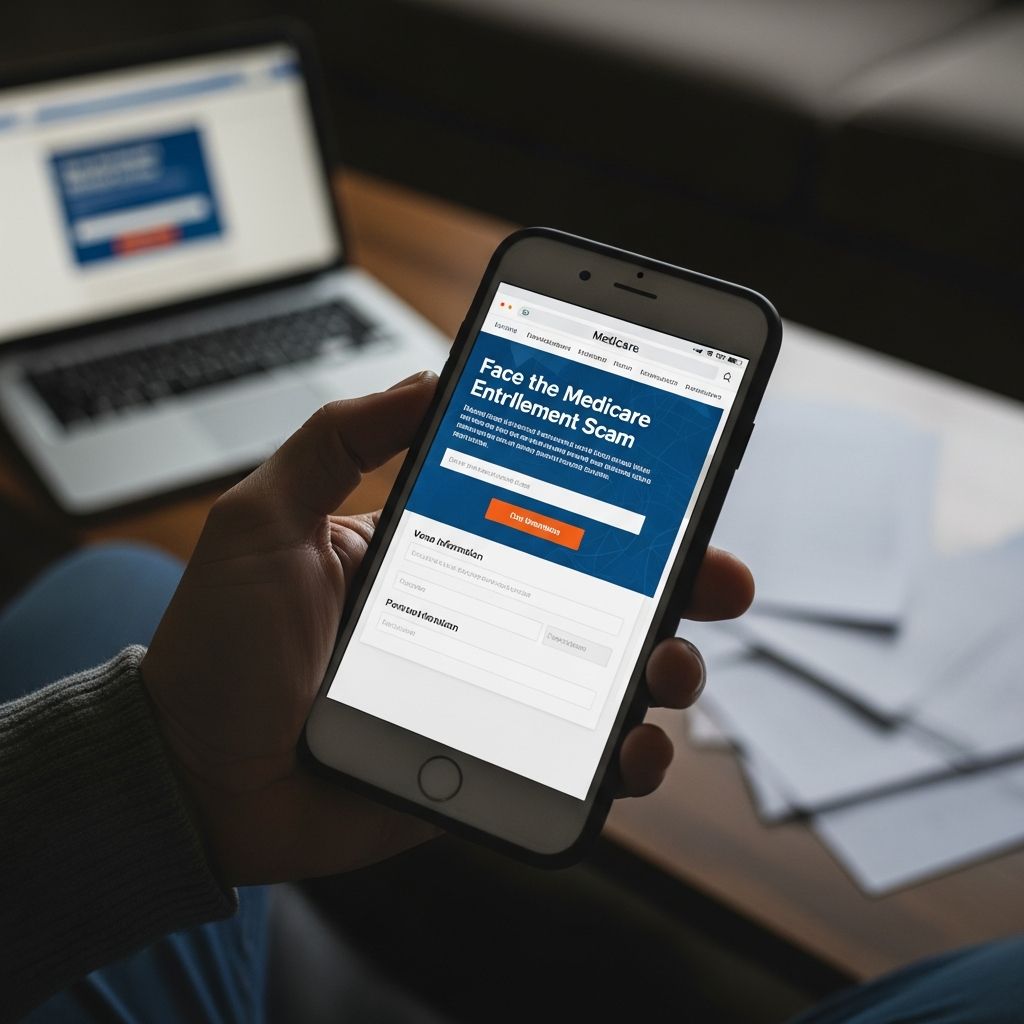
Every fall, millions of people review their Medicare options and decide whether to keep or change their health and drug coverage. The same period is also a prime time for scammers who pretend to help with Medicare but instead try to steal money, benefits, or personal information. Knowing how open enrollment works and what real Medicare representatives will — and won’t — do is one of the best ways to stay safe.
Why Scammers Target Medicare Open Enrollment
Medicare’s main Open Enrollment Period typically runs from mid-October through early December, and it is the time when people with Medicare can change health or drug plans for the following year. During these weeks, insurance companies, pharmacies, and counselors are legitimately reaching out to older adults with mailers, phone calls, and advertisements, which makes it easier for imposters to blend in.
Fraudsters count on three things:
- Confusion about Medicare rules – The program has multiple parts (A, B, C, and D) and several enrollment windows, which can be hard to follow.
- Sense of urgency – The limited enrollment window makes people more vulnerable to pressure tactics and rushed decisions.
- High value of medical data – Medicare numbers and health information can be misused to bill for services or equipment that were never provided, a common form of health care fraud.
How Legitimate Medicare Enrollment Works
Understanding what legitimate enrollment help looks like will make scams easier to spot.
- Medicare’s official website is Medicare.gov, where you can compare plans and submit enrollment requests.
- You can also call 1-800-MEDICARE or contact your state’s free State Health Insurance Assistance Program (SHIP) for unbiased counseling.
- Changes you make during the fall Open Enrollment Period generally take effect January 1 of the next year, as long as your plan receives your request by the enrollment deadline.
- Licensed insurance agents and plan representatives may present plan options, but they must follow federal marketing rules and are not allowed to mislead you or pressure you into a specific choice.
Importantly, you do not have to pay a fee to enroll in Medicare, review your coverage, or get help from Medicare or SHIP counselors.
Common Medicare Open Enrollment Scam Tactics
Scammers use a variety of stories to sound helpful or official. Many of them follow familiar patterns. Watch for these approaches:
1. Impersonating Medicare or Social Security
In these scams, a caller, texter, or email sender pretends to be from Medicare, Social Security, or a government contractor.
- They may claim you must “verify” or “reactivate” your Medicare number to keep coverage.
- They often use spoofed phone numbers that appear as 1-800-MEDICARE or a local government office.
- They might say your Medicare card is being replaced and ask for personal or banking information to mail a “new” card.
Real Medicare and Social Security will not call, email, or text unexpectedly to demand your Medicare number or payment information.
2. Fake Plan Comparison and Enrollment Help
Some scammers pose as insurance agents or “government-approved” counselors offering to find you the best plan.
- They might promise huge savings or extra benefits that sound too generous compared with typical plans.
- They pressure you to switch plans immediately and may enroll you in a different plan without your clear consent.
- They sometimes request your Medicare number under the pretense of “looking up” your current coverage.
Trusted comparison tools, such as the Medicare Plan Finder on Medicare.gov or state SHIP programs, will explain your choices without insisting on an immediate switch.
3. Offers of Free Gifts or Medical Equipment
Another common scam involves offers of free or low-cost medical supplies, such as braces, diabetic equipment, or genetic tests.
- The scammer says your doctor “approved” the item or that it is covered by Medicare at no cost to you.
- They ask for your Medicare number “just to confirm eligibility.”
- Fraudsters then bill Medicare for expensive items or tests you never needed or did not receive.
Medicare generally pays for equipment or tests only when they are medically necessary and ordered by a doctor or other authorized provider. Unsolicited offers are a major red flag.
4. Phony Refunds, Bonuses, or Rebate Checks
Some scams revolve around promises of refunds or new financial benefits.
- “You’re owed money for last year’s coverage” or “You qualify for a new rebate” are common script lines.
- The caller may ask for banking details to deposit the refund, or try to get your Medicare number to “confirm” your eligibility.
- Emails might include links to fake portals that capture your login credentials or personal data.
Official refunds from Social Security or Medicare are typically delivered by check or direct deposit without asking for your banking information over the phone.
5. High-Pressure Sales and Door-to-Door Pitches
During open enrollment, some people encounter aggressive sales at home or in public places.
- Agents who show up uninvited at your door to sell Medicare plans.
- Representatives at community events who demand your Medicare ID to enter a raffle or receive a giveaway.
- Threats that you will lose your doctor or coverage if you do not sign forms immediately.
Medicare rules limit how and where plans can market to you. For example, plans generally cannot come to your home without an invitation. Any attempt to rush or frighten you into signing is a serious warning sign.
Key Warning Signs of a Medicare Scam
If you notice one or more of these red flags, stop and verify before sharing any information:
- Unsolicited calls, texts, or emails claiming to be from Medicare or Social Security.
- Requests for your Medicare, Social Security, or bank account numbers “to keep coverage” or “issue a new card.”
- Promises of guaranteed savings, free equipment, or large cash benefits.
- Pressure to act immediately or sign forms you do not understand.
- Instructions to pay enrollment or consultation fees for Medicare help.
- Someone else fills out an application for you and refuses to leave a copy.
Legitimate vs. Suspicious Contact: Quick Comparison
| Legitimate Medicare-Related Contact | Suspicious/Scam Behavior |
|---|---|
| Uses official channels such as Medicare.gov, 1-800-MEDICARE, SHIP offices, or known plan phone numbers. | Comes from unknown callers, spoofed numbers, or generic email addresses. |
| Provides written information and allows you time to compare options. | Insists you decide immediately and discourages you from checking other sources. |
| Explains costs, provider networks, and coverage limits in clear terms. | Focuses only on supposed savings or cash benefits and avoids detailed questions. |
| Never asks for payment or bank details to maintain basic Medicare coverage. | Demands banking or credit card information to keep your card “active” or send a refund. |
| Asks for your Medicare number only when you initiate contact or give informed consent to enroll in a plan. | Requests your Medicare number early in the conversation or before explaining who they are and what they’re offering. |
How to Protect Your Medicare Information
Your Medicare number is as sensitive as a credit card or Social Security number. Treat it with care, especially during open enrollment.
- Keep your Medicare card secure. Do not carry it everywhere unless you expect to use health care services.
- Limit who sees your number. Share it only with your doctors, trusted pharmacies, insurers, or official counselors you contacted first.
- Hang up on unexpected calls asking for personal details. You can always call back using the official Medicare phone number or plan number on your card.
- Use secure websites. When comparing plans or creating accounts, confirm that you are on the official Medicare.gov site or a known insurer’s site.
- Check your Medicare Summary Notices (MSNs) or Explanation of Benefits (EOBs). Review these statements for unfamiliar services or charges and report anything suspicious.
Smart Steps When Reviewing Plans During Open Enrollment
You can protect yourself from scams and still take full advantage of open enrollment to improve your coverage.
- Start early. Begin looking at plan options soon after open enrollment begins so you are not rushed.
- Use official tools and local help. The Medicare Plan Finder on Medicare.gov and state SHIPs provide free, unbiased comparisons.
- Confirm.provider networks. If you are considering a Medicare Advantage plan, make sure your preferred doctors and hospitals are in-network.
- Review drug formularies. Check whether your prescriptions are covered, and at what cost tiers, under any new plan you consider.
- Keep records. Write down the date, time, and name of anyone you speak with about your coverage, and keep copies of enrollment forms and plan documents.
What To Do If You Suspect a Medicare Scam
If something does not feel right, trust your instincts and take action quickly. Acting early can help stop fraud and may limit financial harm.
- Stop contact. Hang up the phone, ignore further messages, and do not click on suspicious links.
- Verify directly. Call 1-800-MEDICARE or your plan using the number on your.card to confirm whether any requested changes or offers are real.
- Check your benefits statements. Review MSNs or EOBs for unexpected services, supplies, or plan changes.
- Report possible fraud or abuse. You can report suspected Medicare fraud to Medicare, your plan, or law enforcement. Reporting helps protect other beneficiaries as well.
- Monitor your credit and bank accounts. If you shared financial information, notify your bank and consider placing fraud alerts or.credit freezes with the major credit bureaus.
Helping a Friend or Family Member Stay Safe
Caregivers and relatives often support older adults during open enrollment. You can play a key role in spotting scams.
- Offer to review mailers together. Help compare letters and brochures against information on Medicare.gov or from known insurers.
- Set ground rules for phone calls. Encourage your loved one not to give out personal details on calls they did not initiate.
- Attend plan meetings. Join phone or in-person meetings with agents, and ask questions about costs, networks, and drug coverage.
- Encourage written information. Ask for plan details in writing so there is time to review and compare with other options.
- Stay alert for sudden changes. Be cautious if a loved one suddenly receives a new insurance card, a notice of plan change they do not remember authorizing, or a surge in Medicare statements for unfamiliar services.
Frequently Asked Questions (FAQs) About Medicare Open Enrollment Scams
Q: Can Medicare call me out of the blue during open enrollment?
A: You might.receive calls from private plans or agents, but Medicare itself generally does not make unsolicited calls asking for your Medicare number, banking details, or immediate payment. If someone claims to be from Medicare and requests that information, hang up and call 1-800-MEDICARE using the number on the official website or your Medicare card to verify.
Q: Is it safe to give my Medicare number to an insurance agent?
A: Only share your Medicare number with a licensed agent or plan representative after you.confirm who they are, understand which plan you are discussing, and decide you are ready to enroll. You should not provide your number just to “see what you qualify for” or enter raffles and drawings.
Q: Do I have to pay a fee to change my Medicare plan during open enrollment?
A: No. There is no government fee to switch Medicare Advantage or Part D plans, or to return to Original Medicare during the official Open Enrollment Period. Be wary of anyone charging a separate “processing” or “enrollment” fee for standard plan changes.
Q: How can I double-check if a.plan offer is legitimate?
A: Look up the plan on Medicare.gov’s Plan Finder tool or.call 1-800-MEDICARE to confirm that it is an approved Medicare plan and that the benefits match what you were told. You can also contact your State Health Insurance Assistance Program for independent guidance.
Q: What if I realized too late that I.shared my Medicare number with a scammer?
A: Contact Medicare and your plan right away to report the incident and ask them to review your recent claims. Monitor your Medicare statements for services you.did not receive and report any suspicious.charges as soon as you spot them.
References
- Open Enrollment — Medicare.gov. 2024-09-30. https://www.medicare.gov/health-drug-plans/open-enrollment
- Joining a Plan — Medicare.gov. 2024-08-15. https://www.medicare.gov/basics/get-started-with-medicare/get-more-coverage/joining-a-plan
- Medicare’s Open Enrollment Period vs. the Medicare Advantage Open Enrollment Period: What’s the Difference? — National Council on Aging. 2024-10-10. https://www.ncoa.org/article/whats-the-difference-between-medicares-open-enrollment-period-and-medicare-advantage-open-enrollment/
- Medicare Open Enrollment Fact Sheet 2025 — Centers for Medicare & Medicaid Services (CMS). 2024-10-01. https://www.cms.gov/files/document/2024-medicare-open-enrollment-fact-sheet.pdf
- Medicare Open Enrollment Begins Today — Medicare Rights Center. 2025-10-15. https://www.medicarerights.org/medicare-watch/2025/10/15/medicare-open-enrollment-begins-today
- When to Sign Up for Medicare — Social Security Administration. 2023-06-05. https://www.ssa.gov/medicare/plan/when-to-sign-up
Similar Articles








Read full bio of medha deb


