
Protect Yourself From Deceptive Home Water System Financing
Learn how misleading water treatment system financing works and concrete steps to avoid costly long-term traps.
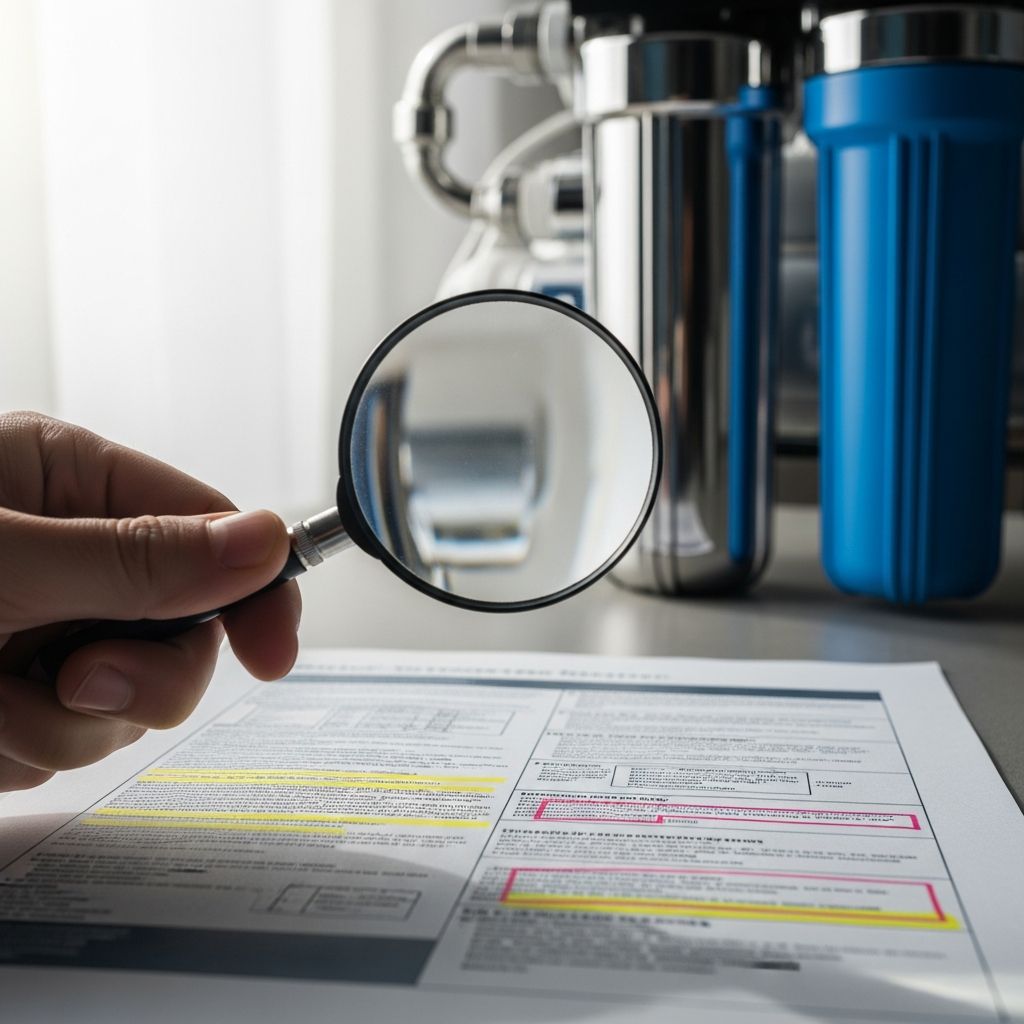
Home water treatment systems can be useful, but deceptive financing tied to these products has trapped many people in expensive, confusing, and sometimes fraudulent deals. Recent enforcement actions by the Federal Trade Commission (FTC) highlight serious concerns about how some finance companies and door-to-door dealers market and arrange loans for these systems.
This guide explains how these financing traps work, the kinds of misconduct regulators have alleged, and practical steps you can take to protect yourself, your money, and your credit.
Why Home Water Treatment Financing Is a Target for Abuse
Water quality is a sensitive subject: people worry about the safety of their tap water, especially if they have children, older family members, or health conditions. Unscrupulous sellers can easily exploit these fears to push high-priced systems and long-term financing.
Several features make this market attractive to deceptive actors:
- High upfront cost: Whole-house filtration systems can cost thousands of dollars, so buyers often rely on financing.
- Complex loan terms: Multi-year loans with interest, fees, and add-ons are hard to understand quickly at the doorstep.
- Door-to-door sales: Many sales occur in people’s homes, where pressure tactics feel more personal and harder to resist.
- Vulnerable targets: Older adults, people with limited English, and lower-income households are often singled out for aggressive pitches.
How the Aqua Finance Case Illustrates These Problems
According to the FTC’s lawsuit, Aqua Finance, Inc. (AFI) provided financing for home water treatment systems sold by a network of independent dealers who went door to door. Regulators allege that many of these dealers:
- Misrepresented or obscured loan terms.
- Provided paperwork that did not clearly explain financing obligations.
- Targeted older consumers and Spanish-speaking households.
- Pressured people to sign documents they could not fully read or understand.
The FTC also alleges that account information was shared with credit bureaus, including reports of missed payments and inaccurate information about consumers’ loans, which can hurt credit scores and future borrowing opportunities.
Alleged Harms to Consumers
Based on the FTC’s description, these practices allegedly led to:
- People paying far more than expected because key details such as interest, length of the loan, or total cost were not adequately explained.
- Missed payments when consumers could not afford the actual terms they were locked into.
- Negative credit reports as missed or late payments were reported to credit bureaus, sometimes with inaccurate data.
The Aqua Finance case is one example among broader concerns about water treatment sales. State attorneys general and advocacy groups have documented similar patterns: scare tactics about water safety, rushed signings, and contracts that differ from what was promised verbally.
Common Tactics in Water Treatment Financing Scams
While each company and contract is different, consumer protection agencies report a recurring set of tactics used in many deceptive water system deals.
| Sales Tactic | What It Looks Like | Why It’s Dangerous |
|---|---|---|
| Scare-based water tests | Dealer performs an in-home “test” and claims your water is unsafe, without credible lab analysis. | Pushes you to act out of fear instead of based on real data. |
| “Free” or low-cost system claims | System is claimed to be free, nearly free, or covered by a special program, but requires signing a finance agreement. | Hides the true cost in long-term debt and fees. |
| High-pressure, same-day signings | Salesperson insists you must decide immediately to get a discount or avoid risk to your health. | Prevents you from comparing offers or reading documents carefully. |
| Misleading paperwork | Key loan terms are buried, incomplete, or inconsistent between verbal promises and written contracts. | You may commit to higher payments or longer terms than you understand. |
| Language mismatch | Sales pitch and product contract in your language, but financing contract only in English. | Makes it hard or impossible to understand your legal obligations. |
| Threats about credit or legal action | Collectors emphasize damage to your credit or lawsuits if you dispute charges or stop paying. | Intimidates you into paying even when you were misled. |
Who Is Most at Risk?
Although anyone can be targeted, regulators and advocates report that certain groups are disproportionately affected.
- Older adults who may be home during the day and more trusting of door-to-door salespeople.
- People with limited English proficiency who rely on verbal explanations and may receive contracts in a language they cannot fully read.
- Low- and moderate-income households that may be especially concerned about drinking water quality and attracted by “no money down” offers.
- Renters or new homeowners unfamiliar with typical water quality in the area or common scam tactics.
Practical Steps Before You Sign Any Financing
Whether you are considering a water treatment system or any other financed purchase, slowing down and asking the right questions can prevent years of financial stress. The FTC and state agencies recommend several core strategies.
1. Refuse to Be Rushed
- Do not sign anything during an initial visit or high-pressure call.
- Tell the salesperson you will review the paperwork on your own and compare other options.
- Walk away immediately if you are told the offer “expires today” or only applies if you sign on the spot.
2. Get Complete Terms in Writing
Before agreeing to any financing, you should receive clear written information on:
- The cash price of the system.
- Your down payment, if any.
- Annual percentage rate (APR) and whether it can change.
- Length of the loan and number of payments.
- Total amount you will pay over the life of the contract.
- Late fees, prepayment penalties, and any additional required products or services.
If any detail is missing, vague, or different from what was promised verbally, do not sign until you receive corrected documents and have time to review them.
3. Make Sure the Contract Is in a Language You Understand
- If the sales pitch is in your primary language, but the finance contract is not, insist on a full translation.
- Never rely on a salesperson’s summary in place of a written contract you can read yourself.
- Consider having a trusted friend, family member, or advisor review the paperwork with you.
4. Check the Seller and Finance Company
- Look up the company name plus words like “complaint,” “scam,” or “lawsuit” using a search engine.
- Check your state attorney general’s website for actions or warnings related to the company.
- Contact your local or state consumer protection office to ask if they have received complaints.
- Verify any claims about government programs or endorsements with the relevant agency; genuine government agencies do not typically endorse specific commercial products.
5. Understand Your Cooling-Off Rights
Under the FTC’s Cooling-Off Rule, buyers usually have a limited period (often three business days) to cancel certain purchases made at their home or outside a seller’s regular place of business. Many states have additional home solicitation laws that may offer similar or greater protections.
- Ask for written notice of your cancellation rights and the deadline.
- Follow the instructions exactly and keep proof if you choose to cancel.
What to Do If You Think You Were Misled
If you suspect that the financing terms were misrepresented, your signature was forged, or the system was sold using false claims, there are several steps you can take.
1. Gather All Documents
- Contracts, invoices, and any brochures or written promises.
- Emails, text messages, or letters from the seller and finance company.
- Notes of phone calls: dates, times, names, and what was said.
2. Dispute Problems Quickly
- Contact the finance company in writing to dispute any unauthorized charges or terms you never agreed to.
- Ask them to correct inaccuracies and provide a full account history.
- If there are errors on your credit reports, file disputes with the credit bureaus as well.
3. Report the Situation to Authorities
- File a complaint with the FTC through its online fraud reporting portal.
- Submit a complaint to your state attorney general or consumer protection office.
- Consider contacting a legal aid organization or consumer law attorney, particularly if you face collection actions or the threat of foreclosure or liens.
In past cases, coordinated efforts by advocates, state agencies, and federal regulators have led to refunds, debt cancellation, and correction of negative credit reporting for affected consumers.
How to Evaluate Whether You Really Need a Home Water System
Many deceptive sales tactics depend on convincing you that your existing water is unsafe. Before committing to an expensive filtration system, use reliable information sources.
- Check your local water quality report: Community water systems are required to provide annual Consumer Confidence Reports describing water quality and any violations.
- Contact your health or water department: State and local agencies can explain what contaminants, if any, are a concern in your area and what treatment, if any, is recommended.
- Use certified labs and products: If testing is needed, use an accredited lab, and look for treatment devices certified by recognized standards organizations.
- Compare costs: In some cases, simpler and far cheaper solutions (like a point-of-use filter or bottled water for specific uses) may address your concern without long-term debt.
Checklist: Safe Financing for Any Major Purchase
Use this quick checklist before you sign any loan or retail installment contract, whether for water treatment, HVAC, solar panels, or other home improvements.
- Have I seen at least two other bids or price quotes?
- Do I know the full cash price and the full financed price (including interest and fees)?
- Is the APR, loan length, and total cost clearly stated in writing?
- Do I understand what happens if I miss a payment?
- Are there any liens, security interests, or rights the finance company will have in my home?
- Is the contract in a language I fully understand?
- Have I checked the seller and finance company for complaints or enforcement actions?
- Have I taken at least one night to think it over and talk to someone I trust?
Frequently Asked Questions (FAQs)
Q: How can negative information from a disputed water system loan affect my credit?
A: Late or missed payments reported to credit bureaus can lower your credit score, increase the cost of future loans, and make it harder to obtain housing or employment in some cases. If the information is inaccurate or the account is fraudulent, you have the right to dispute it and request corrections from both the lender and the credit bureaus.
Q: I signed a contract at home yesterday. Can I still cancel?
A: Many in-home sales are covered by federal and state cooling-off rules that allow cancellation within a short period, often three business days. Check your contract for written notice of cancellation rights and follow the instructions exactly, keeping copies and proof of delivery.
Q: The salesperson said the system is part of a government program. How do I verify that?
A: Contact your local water utility or health department directly using contact information from their official website, not from the salesperson. Genuine government programs will be documented by an official agency, and agencies typically do not use high-pressure door-to-door contractors to distribute benefits.
Q: What if the contract I received is different from what I was told?
A: Do not rely on verbal promises that conflict with written terms. If you have not yet agreed, refuse to sign. If you already signed but were misled, gather all records and file complaints with the FTC and your state attorney general, and consider seeking legal advice.
Q: Are all water treatment finance companies untrustworthy?
A: No. Many companies follow the law and provide clear contracts. The problem arises when dealers or lenders hide key terms, use scare tactics, or exploit language barriers. Focusing on transparency, written terms, and independent verification will help you distinguish legitimate offers from deceptive ones.
References
- Aqua Finance misled people about financing for home water treatment systems — Federal Trade Commission (FTC). 2024-05-20. https://consumer.ftc.gov/consumer-alerts/2024/05/aqua-finance-misled-people-about-financing-home-water-treatment-systems
- Aqua Finance misled people about financing for home water treatment systems (print view) — Federal Trade Commission (FTC). 2024-05-20. https://consumer.ftc.gov/consumer-alerts/2024/05/aqua-finance-misled-people-about-financing-home-water-treatment-systems?page=1
- Water Filtration Scams in Maryland — Holland Law Firm. 2023-06-15. https://www.hollandlawfirm.com/water-filtration-scams-in-maryland/
- Water Filtration Scam Springs a Leak — Help Now! Advocacy Center. 2022-03-10. https://helpnowadvocacy.org/water-filtration-scam-springs-a-leak/
- Water Filter Company Shut Down After Falsely Promising to Treat Serious Medical Conditions — Florida Office of the Attorney General. 2021-06-03. http://www.myfloridalegal.com/newsrelease/water-filter-company-shut-down-after-falsely-promising-treat-serious-medical-conditions
- Beware of Water Treatment Scams — Minnesota Department of Health. 2023-04-05. https://www.health.state.mn.us/communities/environment/water/factsheet/beware.html
- Beware of Water-Related Scams — Tualatin Valley Water District (Oregon). 2022-08-18. https://www.tvwd.org/district/page/beware-water-related-scams
Similar Articles








Read full bio of Sneha Tete


