
The Hidden Cost of Refuge: Prolonged Immigration Detention
Prolonged detention is punishing asylum seekers and exposing deep flaws in the U.S. immigration system.
Introduction
The promise of asylum is a cornerstone of international human rights law, forged in the aftermath of global atrocities to ensure that those fleeing persecution can find a safe harbor. Yet, for tens of thousands of individuals arriving in the United States, this promise is met with the harsh reality of handcuffs, razor wire, and indefinite incarceration. The systemic practice of subjecting asylum seekers to prolonged immigration detention—sometimes stretching across several years—stands as a stark emblem of a deeply broken legal and administrative framework.
Unlike the criminal justice system, which contains strict constitutional limitations on how long a person can be held without a speedy trial, the immigration system frequently leaves civil detainees languishing in a state of perpetual legal limbo. This is not merely an administrative oversight or a temporary bottleneck; it is an institutionalized crisis that inflicts devastating psychological harm, strips individuals of their fundamental due process rights, and wastes billions of taxpayer dollars annually. Understanding the depths of this crisis requires looking beyond the political rhetoric and examining the stark realities of an infrastructure that treats human beings seeking refuge as indefinite liabilities. In examining the architecture of confinement, the staggering legal backlogs, and the profound health impacts on detainees, it becomes undeniably clear that the United States’ approach to asylum seekers demands an urgent, radical transformation toward community-based alternatives.
The Architecture of Prolonged Confinement
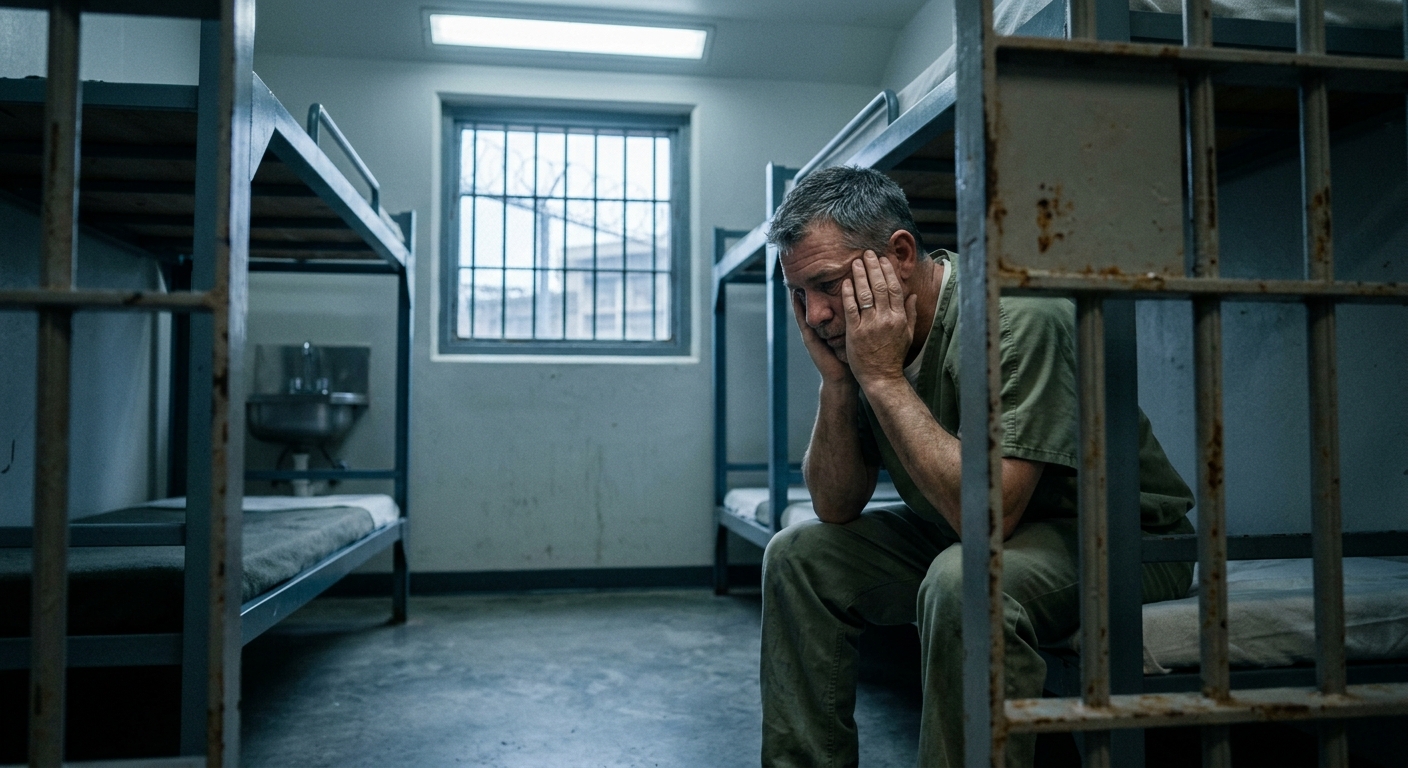
When individuals cross a border to request asylum, they are exercising a legal right recognized under both U.S. and international law. However, upon declaring their fear of persecution, many are immediately transferred into the custody of U.S. Immigration and Customs Enforcement (ICE). The immigration detention system is technically categorized as a civil, administrative hold meant only to secure an individual’s appearance at future court hearings or to effectuate a final order of removal. In practice, however, these facilities operate virtually identically to maximum-security prisons. Detainees are forced to wear uniforms, are subjected to stringent headcounts, endure significant restrictions on their movement, and often face the threat of solitary confinement for minor infractions.
A major driver of prolonged detention is the financial and operational structure underpinning the ICE detention apparatus. The vast majority of immigration detention centers are owned and operated by private prison corporations, which actively lobby for their continued use. Contracts between the federal government and these private entities frequently include “guaranteed minimum” bed quotas. These quotas obligate the federal government to pay for a set number of detention beds every single day, regardless of whether those beds are actually occupied by detainees. Consequently, there is a built-in financial incentive to keep beds full, fundamentally conflicting with the goal of processing cases efficiently or releasing non-violent asylum seekers to their families. Because immigrants in civil detention do not have the exact same constitutional rights as criminal defendants, a perfect storm of perverse incentives and legal loopholes allows individuals to remain incarcerated for years without a meaningful opportunity to challenge their continued confinement.
By the Numbers: The Overwhelming Asylum Backlog
The engine driving these agonizingly long detention periods is an immigration court system that has essentially collapsed under its own weight. The Executive Office for Immigration Review (EOIR), the Department of Justice agency responsible for adjudicating immigration cases, is currently facing an unprecedented and catastrophic backlog of legal proceedings.
According to data compiled by the Transactional Records Access Clearinghouse (TRAC) at Syracuse University, the immigration court backlog reached a staggering 3.26 million active cases by April 2026. This volume represents an institutional paralysis that directly translates to prolonged suffering for those locked behind bars. The TRAC data further highlights that out of this total backlog, more than 2.3 million immigrants have filed formal asylum applications and are simply waiting for an immigration judge to hear their case.
For a person held in ICE custody, this backlog is not just a bureaucratic statistic; it is the difference between freedom and years of lost life. Due to a severe shortage of immigration judges and constant shifts in administrative priorities, a single hearing might be scheduled months or even a year in the future. If a case requires continuances for gathering evidence, securing witness testimonies from a home country, or dealing with complex language translation barriers, the timeline stretches even further. An asylum seeker can easily spend three, four, or even six years incarcerated simply waiting for their legal process to conclude.
Table: Escalation of the Immigration Court Backlog
| Timeframe | Total Pending Court Cases | Pending Asylum Applications |
|---|---|---|
| End of FY 2022 | Approx. 1.9 Million | Approx. 1.56 Million |
| End of FY 2024 | Approx. 3.59 Million | Approx. 1.3 Million |
| Early 2026 (April) | Over 3.26 Million | Over 2.3 Million |
The Profound Health and Psychological Toll
The human cost of prolonged detention is immeasurable, but public health researchers and medical professionals have begun to quantify the devastating psychological and physical impacts. Carceral environments are inherently detrimental to human health, but the unique despair of indefinite civil detention—where individuals do not know if their sentence is a month or a decade—creates a particularly toxic psychological environment.
Peer-reviewed studies have demonstrated a direct, alarming correlation between the length of time spent in immigration detention and severe, lasting health harms. Research analyzing the health outcomes of recently detained immigrants found a high prevalence of poor self-rated health, mental illness, and post-traumatic stress disorder (PTSD). Crucially, the data showed that individuals who were detained for six months or longer had a significantly higher likelihood of suffering from these debilitating conditions compared to those held for shorter periods. The duration of custody acts as a catalyst for worsening health, transforming a civil holding facility into a site of profound psychological injury.
Furthermore, many asylum seekers arrive at the U.S. border already deeply traumatized by the violence, persecution, or torture they fled in their home countries. Instead of receiving trauma-informed care, they are subjected to conditions that actively re-traumatize them. The World Health Organization (WHO) has noted that mental health conditions such as depression, anxiety, and PTSD are highly prevalent among refugee populations, and that the uncertainty and structural exclusion associated with migration proceedings aggressively exacerbate these risks. Reports of medical neglect, inadequate access to essential psychiatric medications, and the punitive use of solitary confinement further illustrate how the detention system degrades the well-being of those it holds. Even after release, the scars of prolonged confinement endure, making it exponentially harder for asylum seekers to integrate into communities and rebuild their lives.
Due Process Denied: Navigating the Legal Limbo
Beyond the physical and mental anguish, prolonged detention severely undermines an asylum seeker’s ability to win their case, creating a cyclical trap of injustice. In the U.S. criminal justice system, individuals who cannot afford an attorney are provided one by the state. This constitutional protection does not extend to the immigration system. Asylum seekers must find and pay for their own legal representation, a nearly impossible task when they are locked inside a remote facility earning a dollar a day for voluntary labor, cut off from their families and support networks.
This creates an environment where failure is almost guaranteed through systemic barriers:
- Geographical Isolation: Many ICE facilities are located in remote, rural areas, creating insurmountable physical barriers to accessing competent legal counsel or pro bono organizations.
- Communication Barriers: Detainees must rely on sporadic access to phones with exorbitant call rates, restricting their ability to gather critical evidence from their home countries or communicate with legal advocates.
- Weaponized Exhaustion: The psychological breakdown caused by prolonged confinement leads many individuals with valid asylum claims to simply abandon their cases and accept deportation because they can no longer endure the torment of indefinite detention.
Statistics consistently show that immigrants with legal representation are vastly more likely to succeed in their asylum claims than those without it. By keeping asylum seekers detained in isolated facilities, the system effectively tips the scales of justice heavily against them.
Pathways to a Humane System: Alternatives to Detention
The ultimate tragedy of prolonged immigration detention is that it is entirely unnecessary. There is no statutory requirement mandating the mass, prolonged incarceration of asylum seekers. The U.S. government possesses the tools and the authority to implement a far more humane, efficient, and cost-effective system by fully embracing Alternatives to Detention (ATDs).
ATDs utilize community-based case management programs that allow asylum seekers to live with family members or sponsors in the community while their legal cases proceed. These programs provide crucial wraparound services, connecting individuals with legal counsel, trauma-informed healthcare, language classes, and social support. By treating migrants with dignity rather than treating them as security threats, case management models have proven to be remarkably effective.
- High Appearance Rates: Data consistently shows that asylum seekers enrolled in comprehensive, community-based support programs appear for their immigration court hearings at exceptionally high rates, rendering the need for physical incarceration obsolete.
- Cost Efficiency: The financial disparity is staggering. While keeping a single individual in ICE detention costs American taxpayers hundreds of dollars per day, community-based case management programs cost only a fraction of that amount.
- Restoring Dignity: ATDs eliminate the compounding psychological trauma of incarceration, enabling families to stay together and individuals to contribute positively to their local communities while their claims are processed.
Shifting funding away from private prison contracts and toward community-based ATDs—and an expanded immigration judiciary—would not only end the human rights abuses inherent in prolonged detention but would also begin to realistically untangle the massive court backlog.
Frequently Asked Questions
Is immigration detention considered a criminal punishment?
No. Immigration detention is strictly a civil, administrative hold. Under U.S. law, individuals are detained to ensure they appear for their immigration hearings or to execute a final order of removal. However, because the facilities are modeled after criminal prisons, the lived experience of detainees is nearly identical to criminal incarceration.
Why do asylum cases take so long to be resolved?
The immigration court system is suffering from a massive backlog, currently exceeding 3.2 million active cases. A severe shortage of immigration judges, combined with the complex nature of gathering international evidence and securing legal representation, means that a single asylum case can take several years to move through the system.
Do asylum seekers have the right to a free, court-appointed lawyer?
No. Because immigration proceedings are considered civil matters, individuals are not guaranteed court-appointed legal counsel. This forces many detained asylum seekers to navigate the highly complex and adversarial legal system entirely on their own.
Conclusion
The practice of keeping asylum seekers in prolonged, sometimes years-long, detention is a profound moral failure that contradicts the very essence of human rights and the promise of sanctuary. It is a system characterized by massive court backlogs, exorbitant taxpayer waste, and the deliberate infliction of psychological trauma on vulnerable populations. A civilized society must measure its justice system not by how it treats the powerful, but by how it receives those fleeing for their lives. Ending prolonged immigration detention requires an immediate paradigm shift: decoupling the immigration framework from the private prison industry, expanding access to legal counsel, and fully investing in humane, community-based alternatives. Until these systemic changes are realized, the U.S. immigration apparatus will remain a broken system that heavily punishes the very people it is supposed to protect.
References
- new court cases recorded so far in FY 2026 — TRACreports.org. 2026-04-30. https://trac.syr.edu/phptools/immigration/court_backlog/
- Duration in Immigration Detention and Health Harms — PMC – NIH. 2025-01-24. https://www.ncbi.nlm.nih.gov/pmc/articles/PMC10303833/
- Refugee and migrant mental health — World Health Organization (WHO). 2025-09-01. https://www.who.int/news-room/fact-sheets/detail/refugee-and-migrant-mental-health
- Letter to DHS re Immigration Detention System Contracts — Rep. Jason Crow / U.S. House of Representatives. 2021-05-11. https://crow.house.gov/sites/evo-subsites/crow.house.gov/files/evo-media-document/2021.05.11%20Letter%20to%20DHS%20re%20Immigration%20Detention%20System.pdf
Similar Articles








Read full bio of Sneha Tete


