
Professional Criticism in Legal Pleadings: Art and Ethics
Master the balanced approach to challenging opposing counsel while maintaining professional integrity and courtroom credibility.
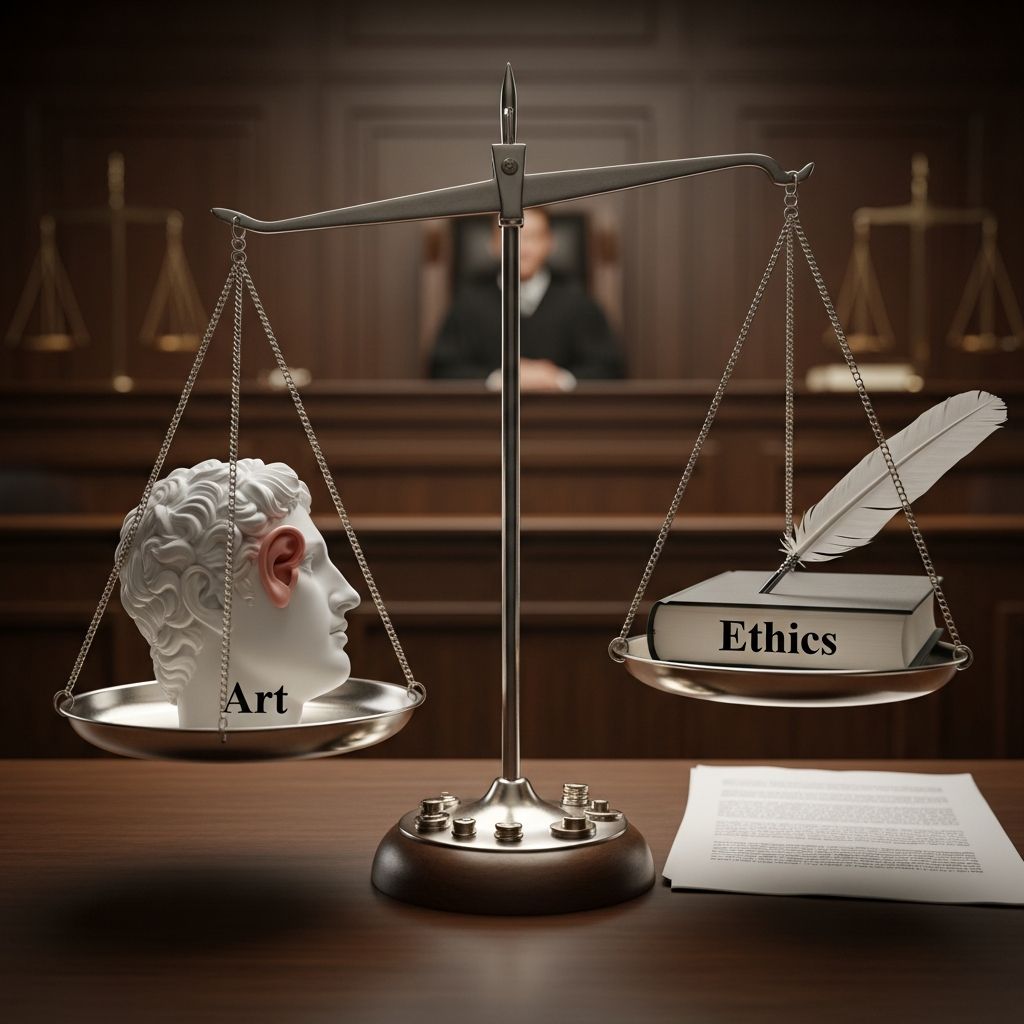
Balancing Advocacy with Professional Decorum in Written Litigation
The adversarial nature of litigation inherently creates tension between zealous advocacy for clients and the maintenance of professional civility. Attorneys frequently face the challenging task of critiquing opposing counsel’s positions, strategies, and conduct within formal pleadings submitted to the court. This delicate balance requires finesse, strategic thinking, and a thorough understanding of ethical boundaries. Effective advocacy does not necessitate personal attacks or inflammatory language; rather, it demands that attorneys develop the skill to undermine opposing arguments through logic, evidence, and precise legal analysis while preserving their professional reputation and the integrity of the judicial process.
Understanding the Ethical Framework
Legal ethics rules establish clear parameters for attorney conduct in all professional contexts, including written submissions to courts. Professional responsibility standards require that attorneys communicate with respect and maintain civility even when advancing opposing positions vigorously. The foundational principle recognizes that while attorneys must zealously advocate for their clients, they must do so within bounds of law and professional responsibility.
Courts have consistently emphasized that civility is not weakness and that incivility impedes legal proceedings while tarnishing the legal profession. When attorneys engage in abusive language, excessive objections, or personal attacks under the guise of zealous advocacy, they risk sanctions, mandatory continuing legal education requirements focused on professional conduct, and referral to disciplinary bodies. The judicial system operates most effectively when counsel approaches disputes as professional disagreements rather than personal conflicts.
Strategic Approaches to Challenging Opposing Arguments
Effective criticism of opposing counsel’s positions begins with thorough preparation and comprehensive legal research. Rather than relying on inflammatory rhetoric, skilled advocates identify logical weaknesses in opposing arguments, inconsistencies between stated positions and supporting evidence, and failures to address controlling law or precedent. This approach accomplishes several objectives simultaneously: it strengthens the advocate’s own position, demonstrates competence to the court, and achieves the goal of undermining opposing counsel’s credibility without crossing ethical lines.
Identifying Concessions and Admissions
Opposing counsel frequently concedes points in their pleadings, either explicitly or through selective silence on certain issues raised in previous filings. Skilled advocates carefully track these concessions and bring them to the court’s attention. When an opposing party fails to address a significant argument from an earlier pleading, highlighting this omission and potentially arguing waiver demonstrates that the advocate has thoroughly reviewed the record and can point to strategic gaps in the opposing position. This technique is particularly effective because it allows the court to draw its own conclusions about the strength of positions that remain unaddressed.
Exposing Logical Inconsistencies
Legal arguments built on contradictory premises collapse under scrutiny. When opposing counsel takes positions that conflict with statements made elsewhere in their pleadings or with admissions made in discovery responses, these inconsistencies warrant explicit identification. By methodically demonstrating how opposing counsel’s current position contradicts earlier statements, advocates effectively undermine credibility without resorting to personal attacks. The logical force of the contradiction speaks for itself, and judges appreciate counsel who efficiently point out these problems rather than relying on accusatory language.
Tactical Language Choices in Written Pleadings
The language selected in pleadings significantly impacts how courts perceive both the arguments presented and the attorney advancing them. Several linguistic strategies allow advocates to deliver pointed criticism while maintaining professional standards.
- Factual characterization: Rather than labeling opposing counsel’s behavior as “dishonest,” describe the actual conduct: “Opposing counsel failed to disclose documents responsive to interrogatory three, despite representations of complete production.” The facts speak more powerfully than accusations.
- Citations to authority: When challenging opposing legal arguments, cite controlling cases and statutes that directly contradict their position. Phrases such as “Controlling authority clearly establishes” or “This jurisdiction has consistently held” frame the disagreement as one with law rather than with counsel personally.
- Comparative analysis: Distinguish opposing cases rather than dismissing them. “While opposing counsel cites Jones v. Smith, that case involved fundamentally different circumstances. Here, the controlling facts are…” This approach demonstrates legal sophistication and avoids the appearance of unfounded dismissal.
- Measured skepticism: Express concern about opposing positions through question-based framing: “Opposing counsel’s interpretation would lead to the absurd result that…” This invites judges to recognize problems without the advocate personally pronouncing judgment.
Addressing Opposing Counsel’s Conduct
Situations arise where opposing counsel engages in conduct requiring correction or objection within pleadings. Discovery abuse, failure to meet deadlines, or procedural violations occasionally necessitate bringing problems to judicial attention. These circumstances demand particular care in tone and substantiation.
When addressing opposing counsel’s conduct, ground every allegation in specific facts and evidence. Instead of characterizing behavior as “obstructionist,” document the pattern: “Despite the meet-and-confer letter dated [date], opposing counsel has not responded to our discovery requests served on [date], now [number] days past the deadline.” Specificity transforms subjective criticism into objective documentation that courts can evaluate independently.
Additionally, distinguish between isolated incidents and patterns of misconduct. A single delayed response differs significantly from a pattern of systematic non-compliance. Courts respond more favorably to advocates who demonstrate proportionality in their complaints and who clearly establish that the problem warrants judicial intervention rather than further negotiation.
Collaborative Approaches Within Adversarial Proceedings
Sophisticated litigation practitioners recognize that the most effective advocacy often involves finding common ground with opposing counsel. Identifying areas of genuine agreement and removing them from dispute accomplishes several goals: it streamlines the litigation process, reduces costs for both parties, demonstrates reasonableness to judges, and creates space for more productive discussion of contested issues.
When opposing counsel takes aggressive positions, responding with proposals that acknowledge legitimate interests on both sides can transform competitive dynamics into collaborative problem-solving. Rather than viewing every negotiation point as a zero-sum conflict, experienced advocates recognize that many disputes involve multiple ways to satisfy underlying client interests. Reframing discussions from positional bargaining to interest-based negotiation often reveals pathways to resolution that neither party initially perceived.
Avoiding Common Pitfalls
Several mistakes frequently undermine otherwise competent advocacy:
- Emotional responses: Never allow opposing counsel’s aggressive tactics or inflammatory language to provoke emotional reactions in written submissions. Take time before responding to offensive communications, allowing emotions to settle and reason to prevail.
- Personal attacks: Comments about opposing counsel’s character, competence, or motives create problems that vastly outweigh any tactical advantage. Courts view personal attacks as indicators of weak substantive arguments and as violations of professional norms.
- Excessive objections: Overuse of objections dilutes their impact and frustrates judges. Speaking objections that coach clients or suggest answers particularly invite sanctions and disciplinary action. Make objections only when they involve legitimate legal grounds or protect genuine client interests.
- Sarcasm and mockery: While humor can occasionally serve rhetorical purposes, sarcasm directed at opposing counsel damages professional relationships and makes attorneys appear petulant rather than serious.
- Rushing responses: Hasty responses to problematic communications often worsen situations. Taking time to craft measured, carefully considered responses prevents regrettable statements that may become part of the permanent record.
Establishing Credibility Through Professional Conduct
One of the most underutilized aspects of effective advocacy involves the strategic building of credibility with judges through consistent professional behavior. Attorneys who maintain courteous relationships with opposing counsel, respond promptly to communications, meet agreed deadlines, and present accurate information to courts establish reputations that enhance the persuasiveness of all subsequent arguments.
When a judge recognizes an attorney as someone who conducts litigation professionally and fairly, challenges to opposing counsel’s positions carry greater weight. Conversely, attorneys known for aggressive tactics, hostile communications, and ethical shortcuts find that judges receive their arguments with skepticism regardless of substantive merit. Building professional credibility represents a long-term investment that pays substantial dividends across multiple cases and years of practice.
Practical Framework for Professional Pleading Criticism
Consider the following framework when drafting portions of pleadings that necessarily critique opposing positions or conduct:
- Before writing, identify the specific fact, legal argument, or authority that creates the problem with opposing counsel’s position.
- Draft language that addresses that substantive problem directly without reference to opposing counsel’s personal qualities or motives.
- Support every factual claim with citations to the record or evidence.
- Cite controlling legal authority showing why opposing counsel’s interpretation fails.
- Review the draft and remove any language that relies on characterization, assumption, or emotion rather than fact.
- Consider whether the statement advances client interests or merely vents frustration. If the latter, delete it.
- Revise to ensure the paragraph would reflect well on you if read aloud in court.
Managing Difficult Opposing Counsel
Even with professional approach, some opposing counsel engage in consistently difficult behavior. Establishing a cadence of productive communication helps manage these relationships. Rather than limiting interactions to written filings, scheduling phone conversations can help clarify misunderstandings and reduce conflict. In these conversations, approaching discussion from the perspective of shared interests rather than positional demands often defuses tension.
When opposing counsel persists in unprofessional behavior despite good-faith efforts at professional engagement, documentation becomes essential. Maintain detailed records of problematic conduct, responsive efforts to address concerns, and specific impacts on your client or the litigation process. This documentation supports requests for protective orders or sanctions if judicial intervention becomes necessary.
The Long-Term Benefits of Professional Advocacy
Attorneys who master the art of professional yet pointed advocacy develop reputations that serve them throughout their careers. Judges, opposing counsel, and potential clients recognize and respect attorneys who advocate zealously within professional bounds. Over time, this reputation translates to enhanced influence in negotiations, greater deference to their legal arguments, and more favorable outcomes for clients.
Additionally, maintaining professional standards protects attorneys from disciplinary action, sanctions, and the substantial costs associated with defending against complaints of unprofessional conduct. The time invested in crafting carefully reasoned, appropriately critical pleadings pays dividends in terms of both immediate case outcomes and long-term career development.
Frequently Asked Questions
Q: Can I directly state that opposing counsel is lying in my pleading?
A: No. Instead, document the specific facts that contradict opposing counsel’s statements and cite authority supporting your interpretation. Let the record and evidence demonstrate the inaccuracy without using accusatory language.
Q: What should I do if opposing counsel makes accusations about my conduct in their pleading?
A: Respond with specific facts refuting the accusation. Remain calm and professional. Focus on the substantive issues rather than matching aggressive tone. Let your professional reputation and documented conduct speak for itself.
Q: Are there times when firm language is appropriate in pleadings?
A: Yes. Firm language is appropriate when addressing clear violations of discovery obligations, procedural rules, or court orders. However, even firm language should be factual, measured, and proportional to the actual problem rather than inflammatory.
Q: How do I handle a situation where opposing counsel seems to be intentionally misrepresenting my client’s position?
A: In your next pleading, clearly restate your client’s position with specific citations to prior filings and evidence supporting that position. Explain how opposing counsel’s characterization differs from the record. This approach corrects the misrepresentation without attacking opposing counsel personally.
Q: Can I use sarcasm or humor when critiquing opposing arguments?
A: Use humor cautiously if at all. Sarcasm directed at opposing counsel can appear unprofessional and undermine your credibility. If you use humor, ensure it relates to the logic of arguments rather than attacking counsel personally.
Q: What is a “speaking objection” and why is it problematic?
A: Speaking objections are objections that reveal information to the opposing party, suggest answers to witnesses, or argue substantive points rather than simply identifying the legal basis for the objection. These objections are improper and can result in sanctions. Objections should state only the legal ground without elaboration.
References
- Guidelines of Professional Conduct — Superior Court of California. 2024. https://sf.courts.ca.gov/general-information/guidelines-professional-conduct
- Countering Unprofessional Behavior: Civility in Litigation and Navigating Difficult Opposing Counsel — Maynard Nexsen. 2024. https://www.maynardnexsen.com/publication-countering-unprofessional-behavior-civility-in-litigation-and-navigating-difficult-opposing-counsel
- Know Your Opponent — Advocate Magazine. August 2021. https://www.advocatemagazine.com/article/2021-august/know-your-opponent
- 8 Tips for Dealing with Difficult Opposing Counsel — Illinois State Bar Association. 2024. https://wbaillinois.org/blog/8-tips-for-dealing-with-difficult-opposing-counsel
- The Art of Effective Litigation: Strategies for Success — Healy Jordan Law. 2024. https://healyjordanlaw.com/the-art-of-effective-litigation/
Similar Articles








Read full bio of Sneha Tete


